Generated with Monsha
Honey Bee Nonfiction Text Features: Reading Comprehension and Informational Text Skills Worksheet
Reading Comprehension Questions · Grade 3 · English
Honey Bee Nonfiction Text Features: Reading Comprehension and Informational Text Skills Worksheet
The Busy Life of Honey Bees
Honey bees are incredible insects that live in large groups called a colony. They are famous for making honey and helping plants grow. Each bee in the colony has a special job to do to keep their home, the hive, running smoothly.
Jobs in the Hive
There are three main types of bees in every colony. Each type looks different and has a specific role. The Queen is the most important because she lays all the eggs. The Workers are the busiest, doing everything from cleaning the hive to finding food. The Drones are the male bees whose only job is to help the Queen.
Types of Honey Bees
Bee Type | Main Job |
|---|---|
Queen | Lays up to 2,000 eggs every day. |
Worker | Collects food, cleans the hive, and protects the colony. |
Drone | Helps the Queen bee. |
Finding Food
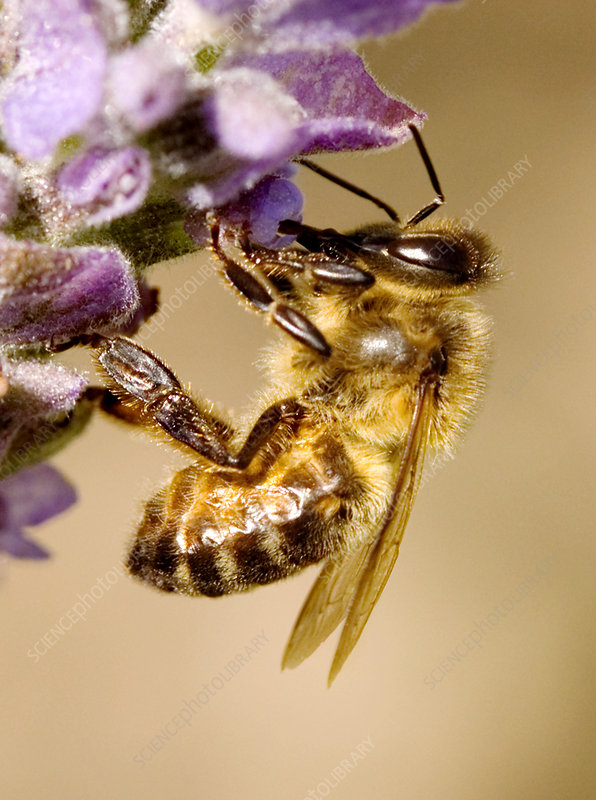
Worker bees fly out of the hive to find flowers. They look for two things: nectar and pollen. Nectar is a sweet liquid that bees turn into honey. Pollen is a powdery dust that bees use as food for their babies. While they collect these things, they help flowers by moving pollen from one plant to another. This is called pollination, and it helps fruits and vegetables grow.
The Life Cycle of a Bee
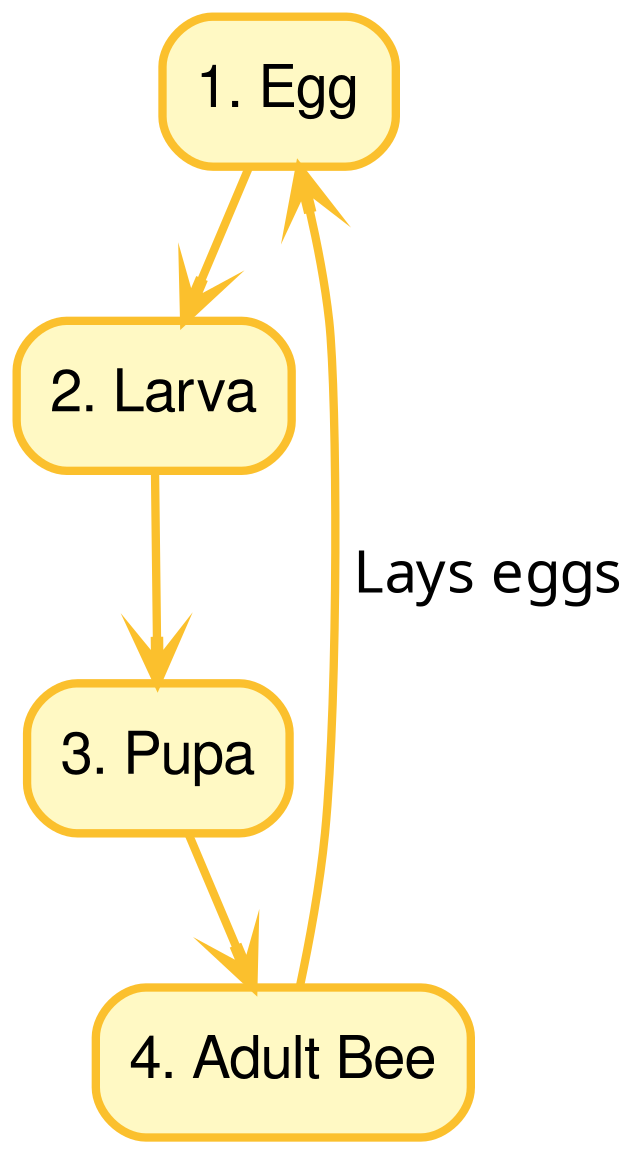
A honey bee goes through four main stages of life. It starts as a tiny egg and grows into an adult that can fly and work. This process takes about three weeks for a worker bee.
Reading Comprehension: Text Features
Directions: Use the passage and the text features (headings, tables, images, and diagrams) to answer the following questions.
- In the section 'Finding Food,' the author uses bold words like 'nectar' and 'pollen.' What is the purpose of these bold words? A. To make the page look more colorful. B. To show that the author is shouting. C. To indicate that these words are not important. D. To show that these are important vocabulary words.
2. According to the table 'Types of Honey Bees,' which bee is responsible for cleaning the hive and protecting the colony?
Answer: _________________________________________
- Look at Figure 1. What is the main purpose of the caption underneath the picture? A. To provide a summary of the whole passage. B. To list the names of all the bees in the hive. C. To explain what is happening in the photograph. D. To tell the reader how much honey costs.
4. How does the heading 'Jobs in the Hive' help you as a reader?
Answer: _________________________________________
- Look at the diagram in Figure 2. Which stage of the life cycle happens immediately after the 'Larva' stage? A. Adult Bee B. Pupa C. Egg D. Nectar
6. If you wanted to find information about how bees help plants grow, which subheading would you look under?
Answer: _________________________________________
7. Why do authors include text features like diagrams and tables in nonfiction texts instead of just writing paragraphs?
Answer: _________________________________________