Generated with Monsha
Bridge Engineering STEM Worksheet — 8th Grade Science (with Answer Key & Diagrams)
Anything · Grade 8 · English
Bridge Engineering STEM Worksheet — 8th Grade Science (with Answer Key & Diagrams)
Why Bridges Don't Fall
Name: Date:
Welcome, Engineers! Today we are exploring the science of structural stability. From the giant cables of a suspension bridge to the hidden triangles in a truss, every piece of a bridge has a specific job to do.
Part 1: Anatomy of a Suspension Bridge
Instructions: Look at the diagram of the suspension bridge below. Use the Word Bank to label the six main structural components marked with numbers.
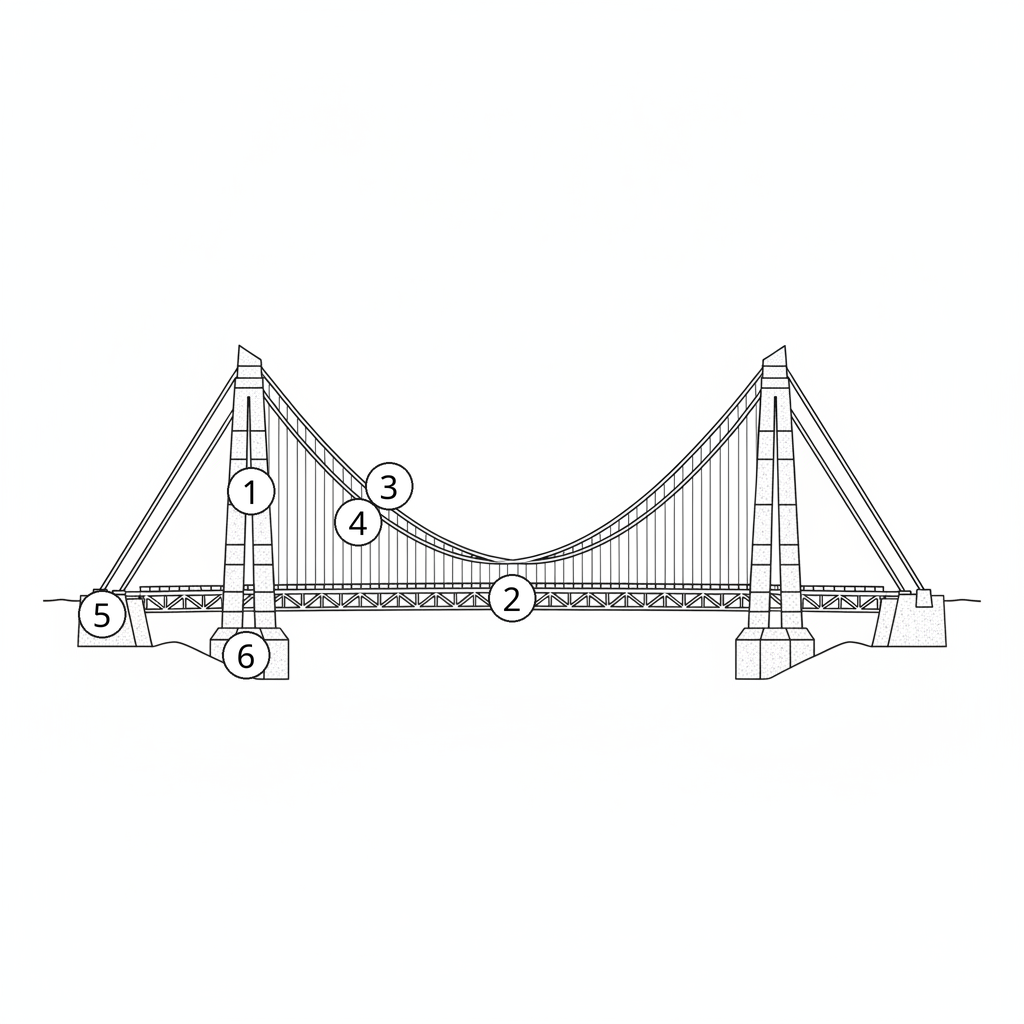
Word Bank
- Anchorage
- Deck
- Foundation
- Main Cable
- Suspender Cables
- Tower
Labels:
-
-
-
-
-
-
Part 2: The Triangle Secret
Instructions: In engineering, triangles are the strongest shape because they do not deform under pressure.
- In the truss triangle shown below, the interior angles of a triangle always add up to . Ifand, find the measure of.
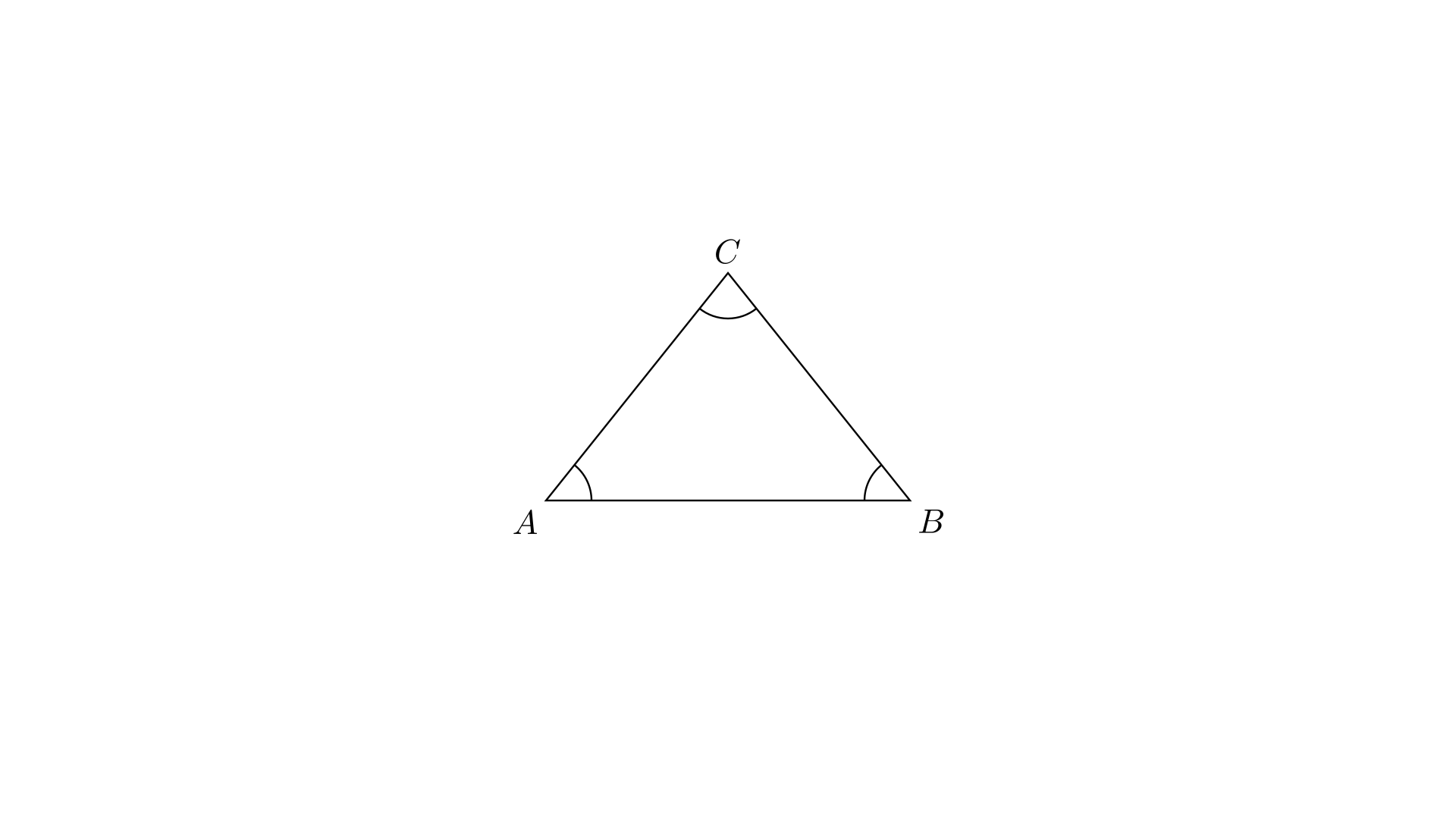
Calculation:
- Compare the two frames below. Why does the Triangulated Frame resist collapse (shearing) while the Square Frame might fold under a heavy load?
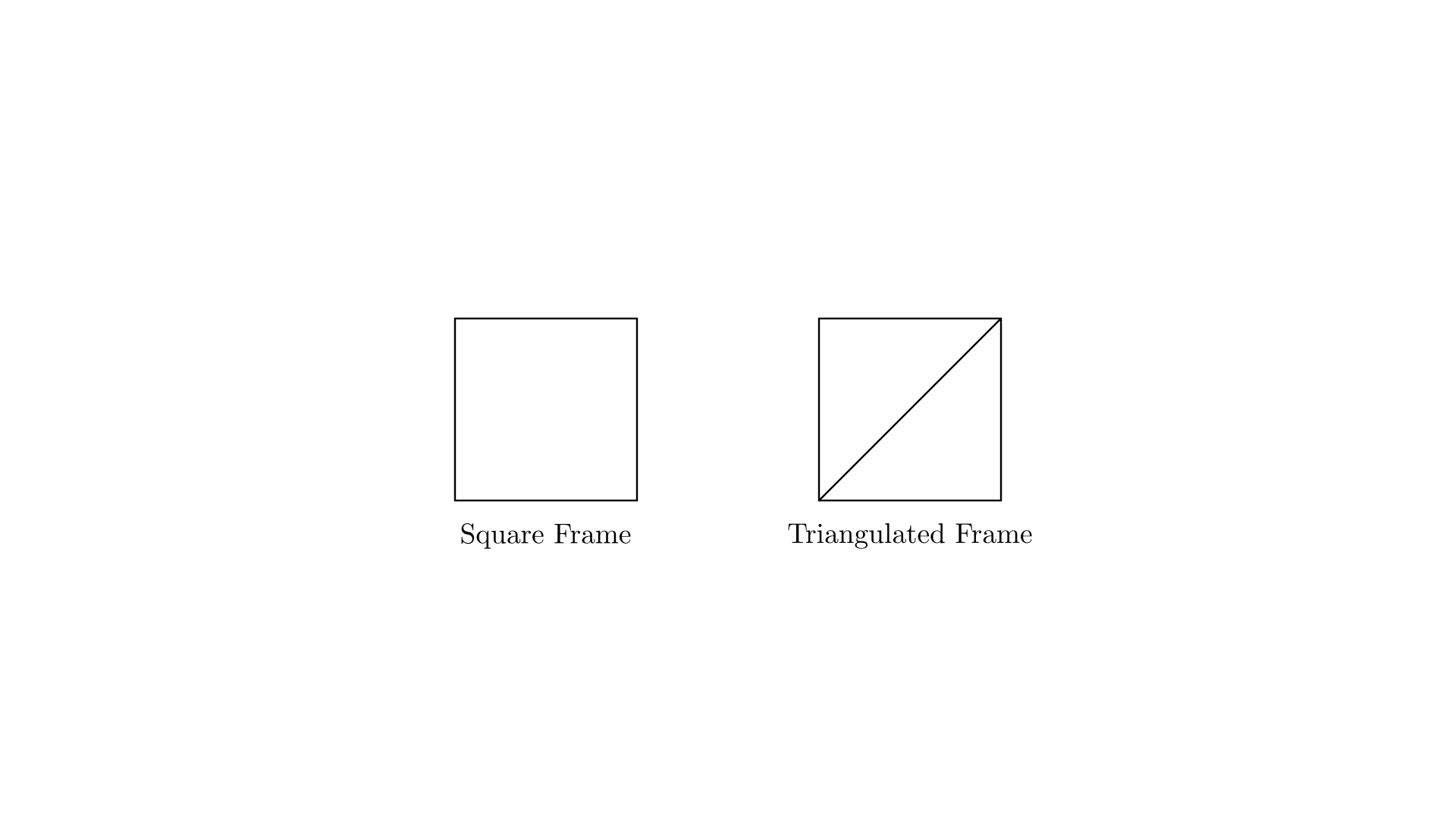
Explanation:
Part 3: Read the Data
Instructions: The "Main Span" is the distance between the two main towers of a bridge. Study the graph of real famous bridges and answer the questions.
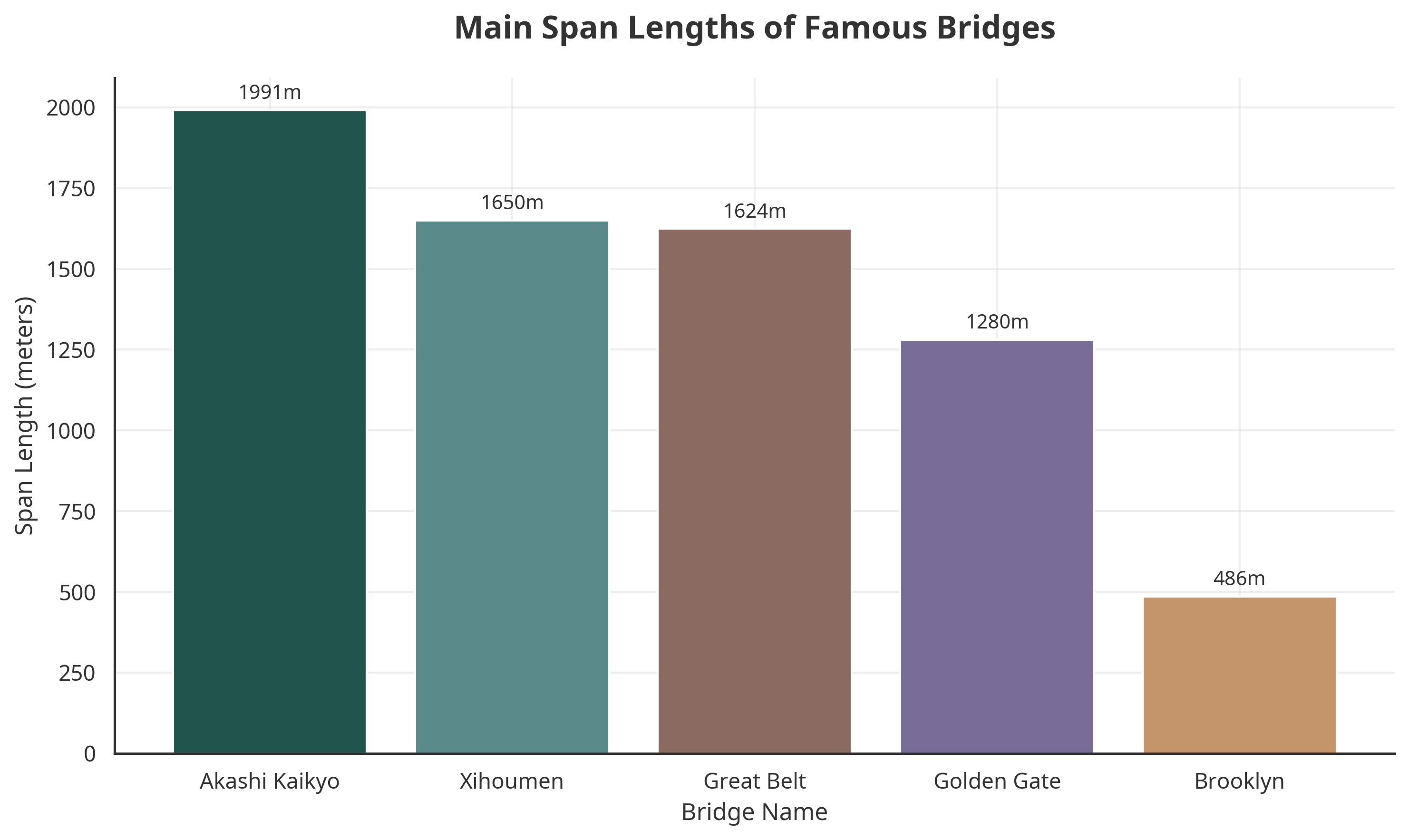
- Which bridge has the longest main span, and what is its length in meters?
- What is the difference in span length between the Akashi Kaikyo and the Brooklyn Bridge?
- Prediction: As materials become stronger and lighter, do you predict the main span of future bridges will increase or decrease? Why?
Part 4: Think Like an Engineer
Instructions: Engineers use a specific cycle to solve problems. Study the Engineering Design Process flowchart below.

Challenge Question: You have built a bridge model, but it collapses during the Test phase. According to the flowchart, what is your next step, and what should you do during that step?
Answer:
Part 5: Exit Question
Instructions: Triangles are everywhere in engineering because they distribute weight so well.
Where else in your neighborhood or daily life have you seen triangles doing this job? (Think about roofs, cranes, or power line towers).
Answer: