Generated with Monsha
Mass, Volume, and Density: Key Vocabulary
Key Vocab Words · Primary 3 · English
Mass, Volume, and Density: Key Vocabulary
Key Vocabulary: Mass, Volume, and Density
Explore these essential science vocabulary words to understand what objects are made of, how much space they occupy, and why some things sink while others float.
1. Mass
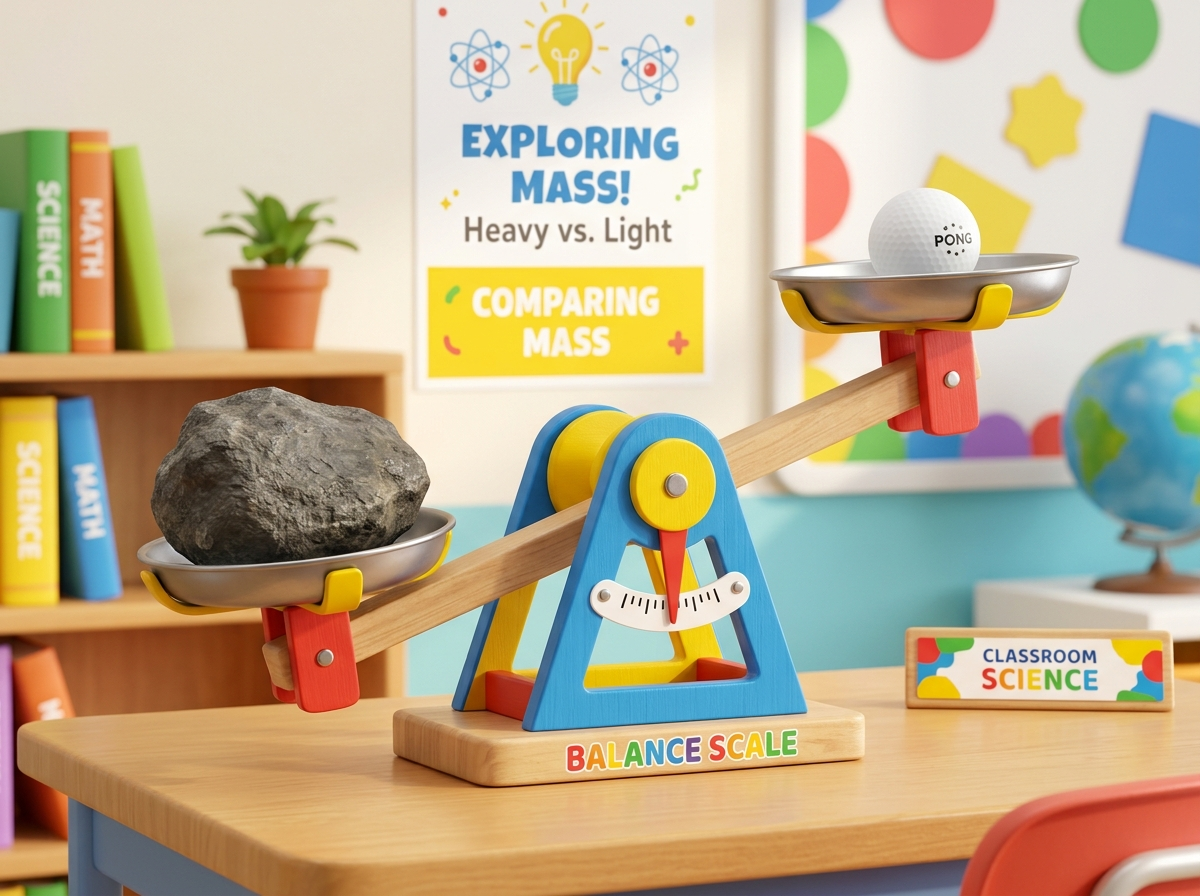
- Explanation: Mass is the amount of matter, or "stuff," that makes up an object. Even when two objects look identical in size, the one packed with more matter has greater mass.
- Example: A clear bin filled to the brim with rocks has much more mass than the same bin filled with ping-pong balls.
- Context in Science: In science investigations, mass is measured using units such as grams and kilograms on a balance scale.
2. Volume
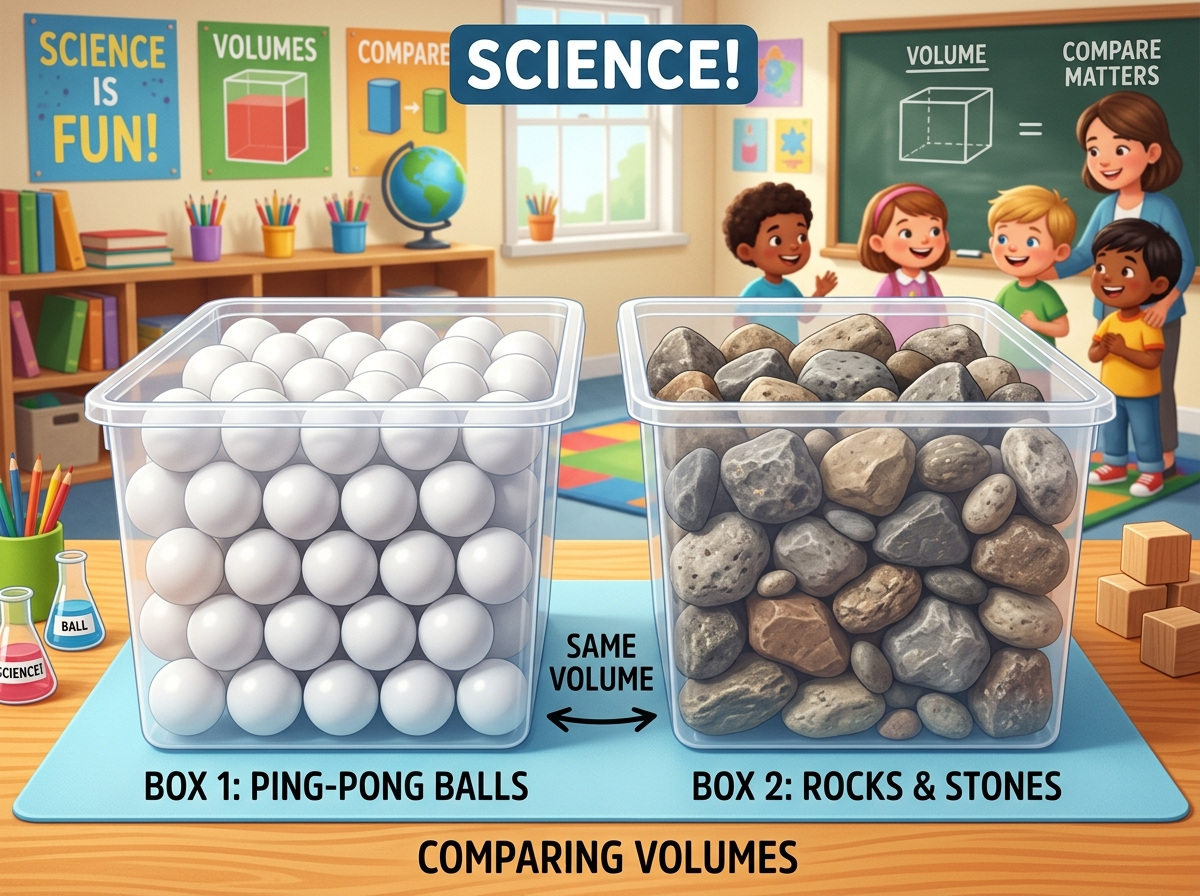
- Explanation: Volume is the total amount of three-dimensional space that an object occupies. Every solid object, liquid, and gas takes up its own amount of room.
- Example: Two storage boxes of the exact same dimensions have the exact same volume, regardless of what items are placed inside.
- Context in Science: Scientists often measure the volume of liquids in milliliters or liters using measuring tools like graduated cylinders.
3. Density
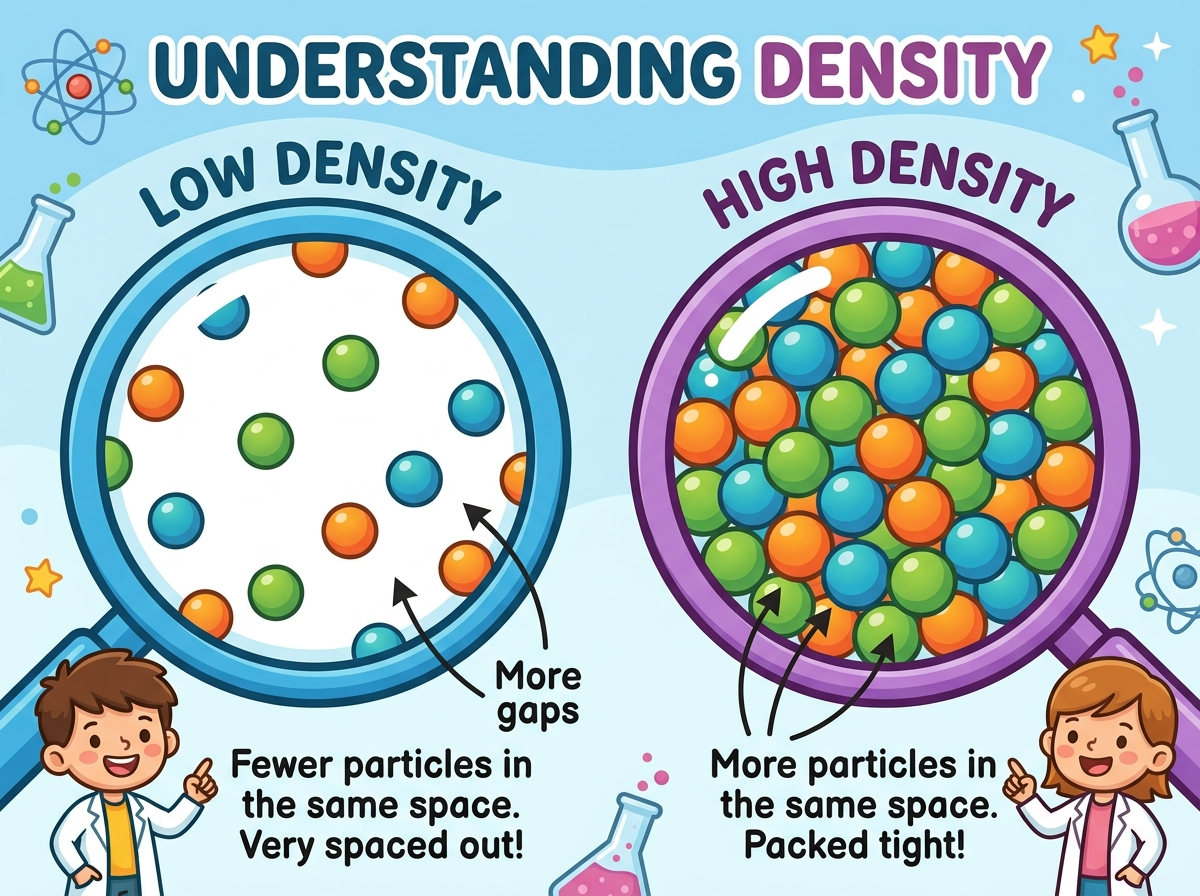
- Explanation: Density describes how tightly or loosely particles of matter are packed together inside a given volume. When particles are crammed closely together, the material is dense; when they are spaced far apart, it has lower density.
- Example: A solid stone has high density because its particles are tightly compacted, while a sponge has low density because it contains many airy pockets.
- Context in Science: Comparing an object's density to the density of water helps predict whether it will sink or float.
4. Sink
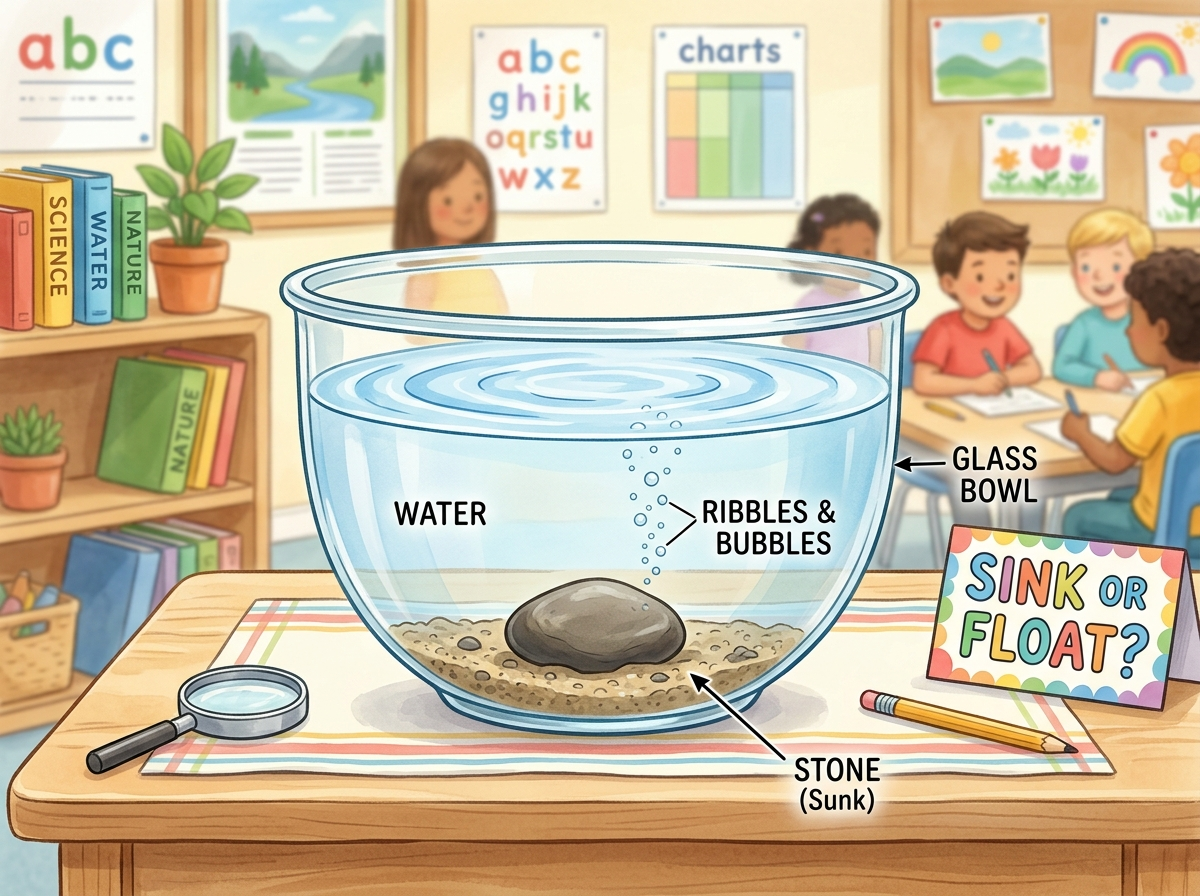
- Explanation: To sink means to drop downward toward the bottom of a liquid. An object sinks when its overall density is greater than the density of the surrounding liquid.
- Example: When you drop a metal marble into a basin of water, it promptly sinks to the bottom.
- Context in Science: Objects do not sink just because they are big; a tiny metal screw sinks quickly while a huge wooden log stays near the surface.
5. Float
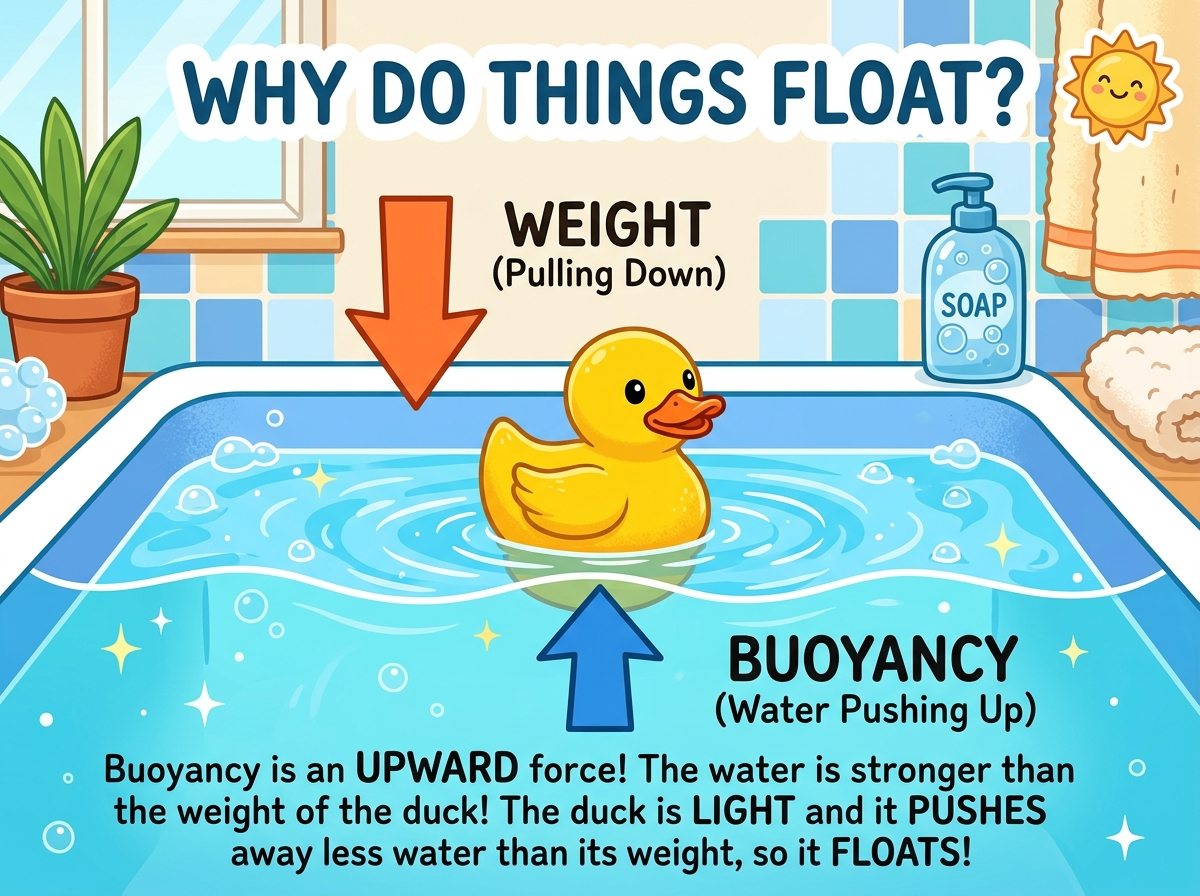
- Explanation: To float means to stay on the surface or hover within a liquid without dropping to the bottom. An object floats when it has an overall density that is less than or equal to the liquid it rests in.
- Example: A hollow plastic toy duck floats easily across the calm surface of a bathtub.
- Context in Science: Floating happens because the water pushes upward with enough force to support the object's weight.
6. Buoyancy
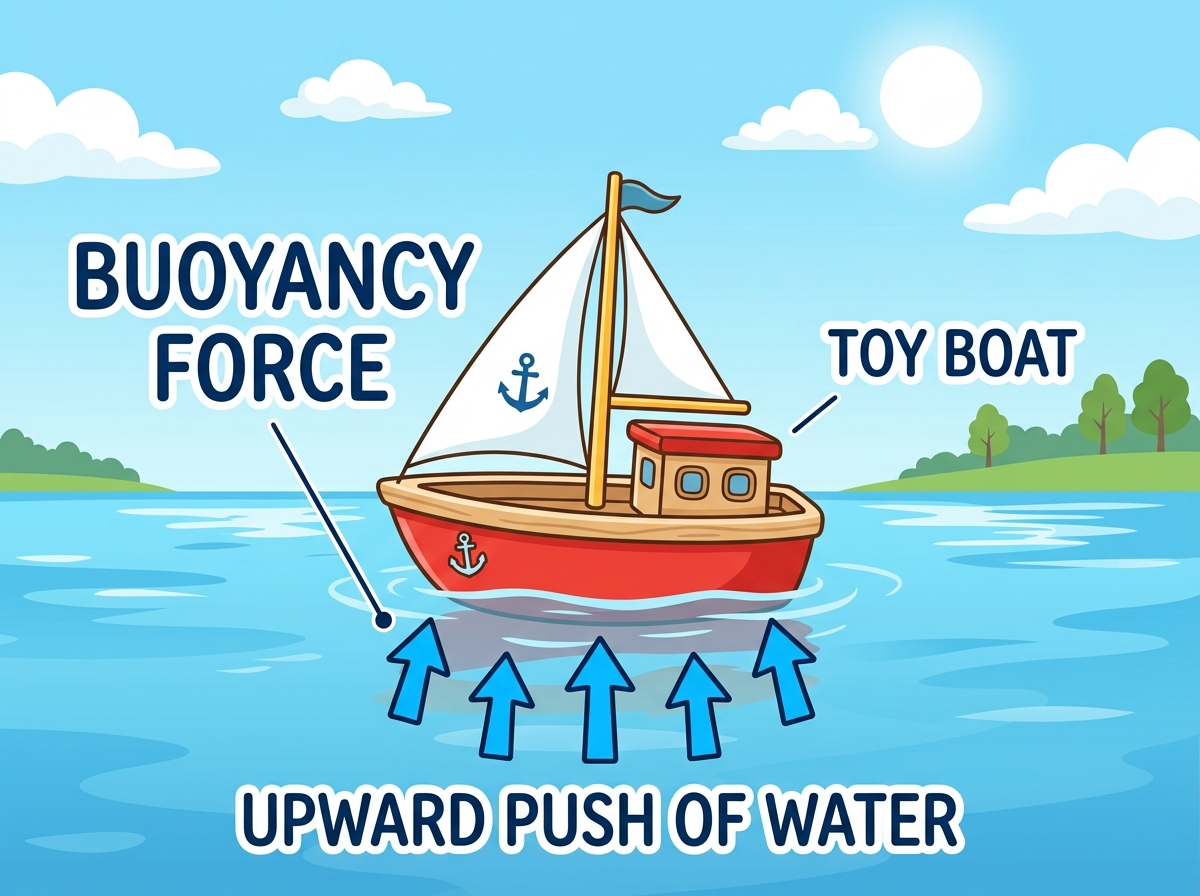
- Explanation: Buoyancy is the upward push that water and other fluids exert on any object placed inside them. This upward force works directly against the downward pull of gravity.
- Example: When you try to push a beach ball completely underwater, you can feel buoyancy pushing it strongly back toward the air.
- Context in Science: Marine engineers use principles of buoyancy to construct massive cargo ships that can carry heavy goods without sinking.
7. Water Displacement
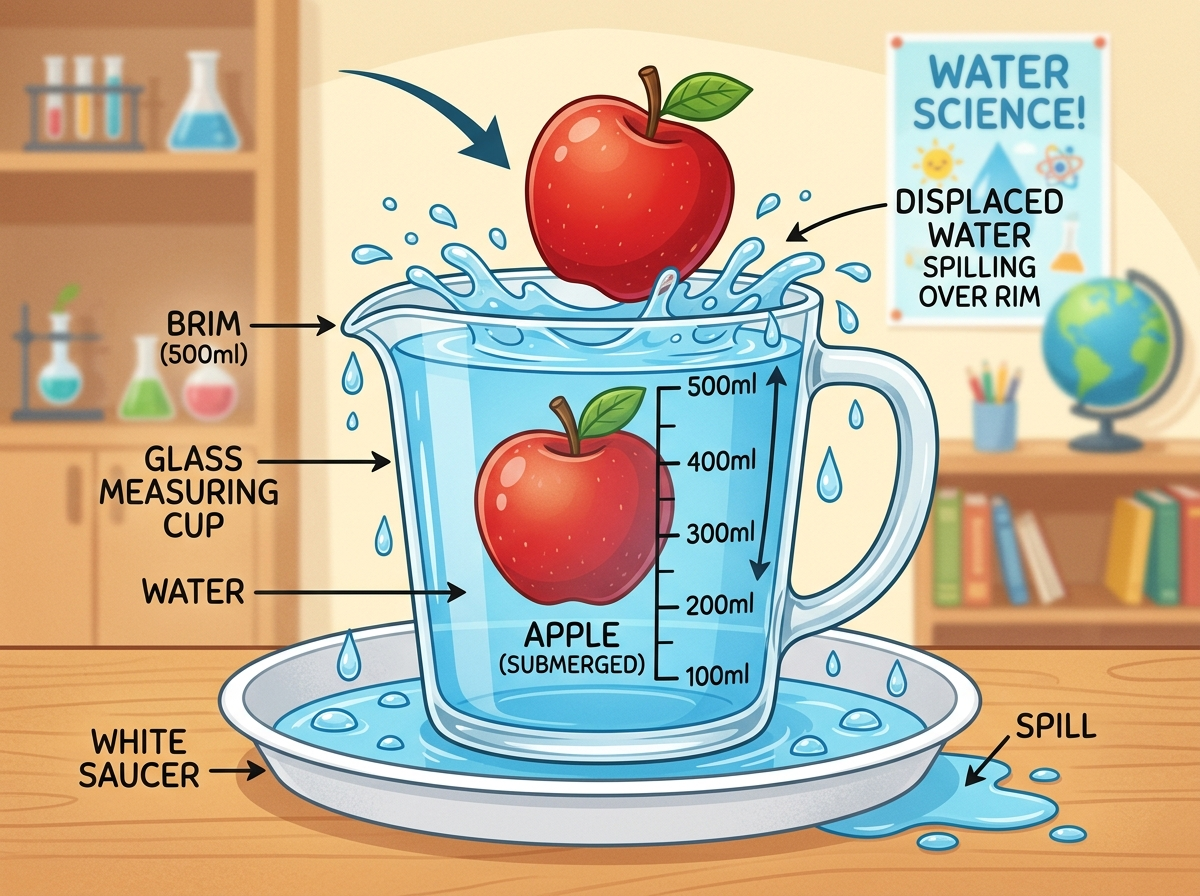
- Explanation: Water displacement occurs when an object is placed in water and pushes some of the liquid out of its way. The volume of the displaced water matches the volume of the submerged object.
- Example: When you gently place an apple into a cup filled to the brim with water, water overflows into the saucer below.
- Context in Science: Scientists use water displacement to calculate the exact volume of irregularly shaped objects that cannot be measured easily with a ruler.
8. Matter
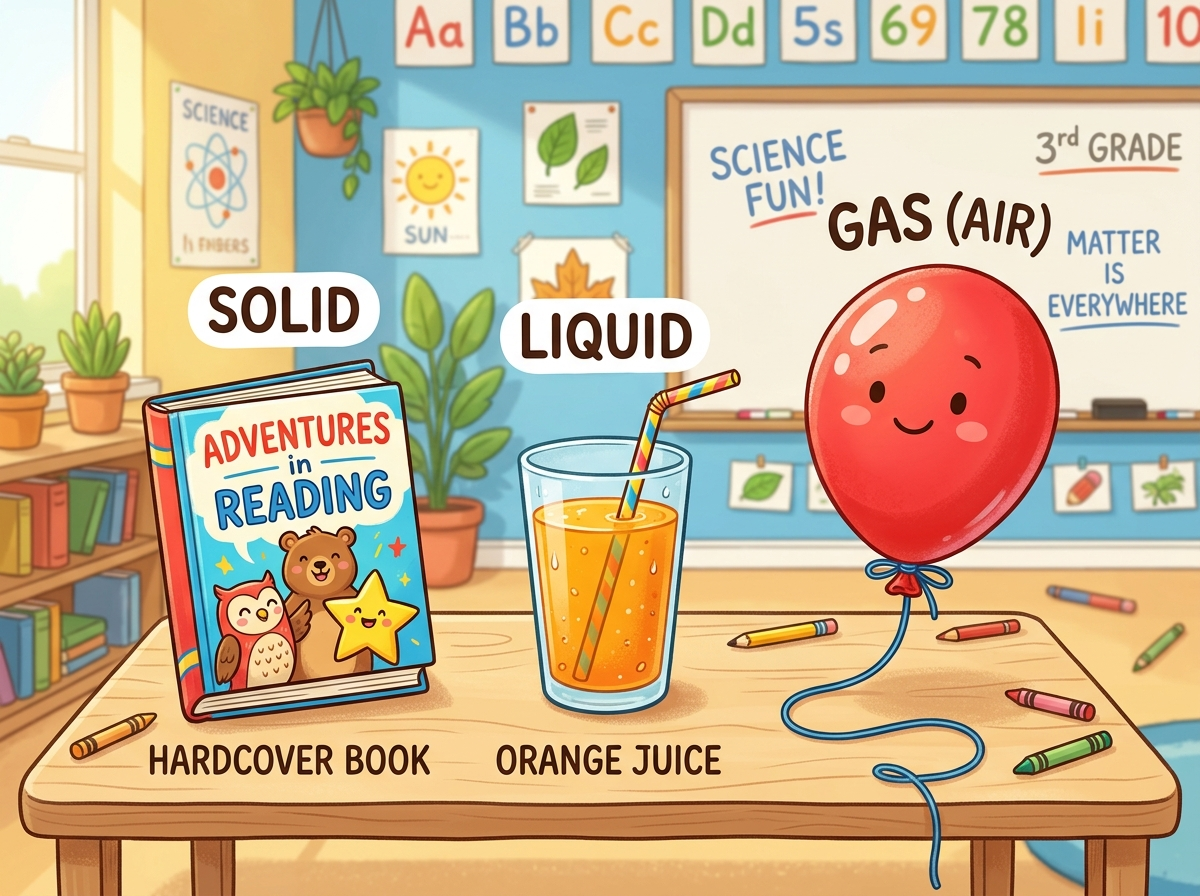
- Explanation: Matter is the physical substance that makes up everything in the universe. Any object or substance that possesses mass and occupies space is classified as matter.
- Example: A textbook, a glass of water, and even the invisible air inside a balloon are all examples of matter.
- Context in Science: Matter is commonly studied in three primary states: solids, liquids, and gases.
9. Heavy
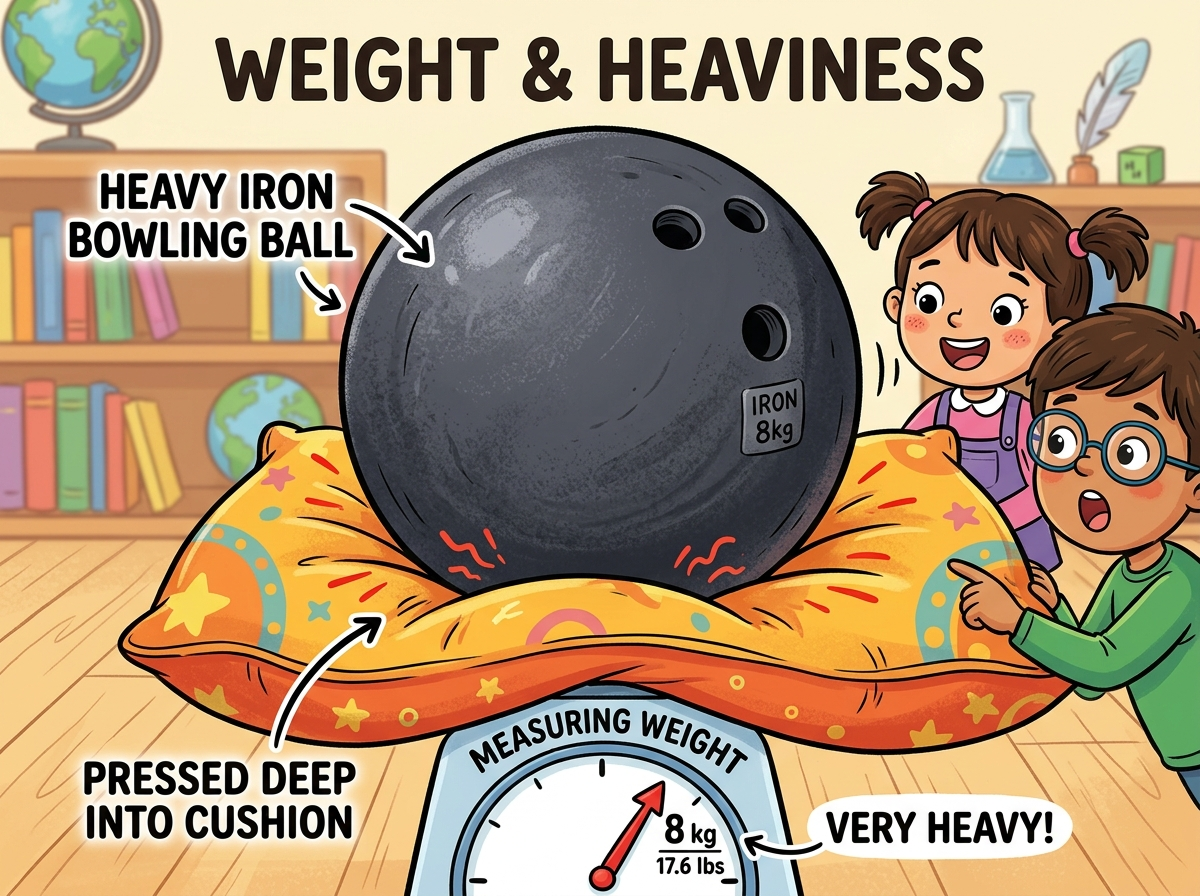
- Explanation: Heavy is a descriptive term used for an object that has a large amount of mass relative to its size and requires noticeable effort to lift. Gravity exerts a strong downward pull on heavy items.
- Example: An iron bowling ball feels very heavy to carry because it contains a dense concentration of matter.
- Context in Science: Comparing heavy and light objects helps learners understand how mass and gravitational forces affect everyday items.
10. Light

- Explanation: Light describes an object that has very little mass and can be lifted or moved with minimal effort. Light objects often have particles that are loosely arranged or contain pockets of air.
- Example: A fluffy bird feather is so light that a gentle breeze can carry it across the room.
- Context in Science: An object can be visually large yet very light, such as an inflated beach ball, because most of its volume consists of air.
11. Balance Scale
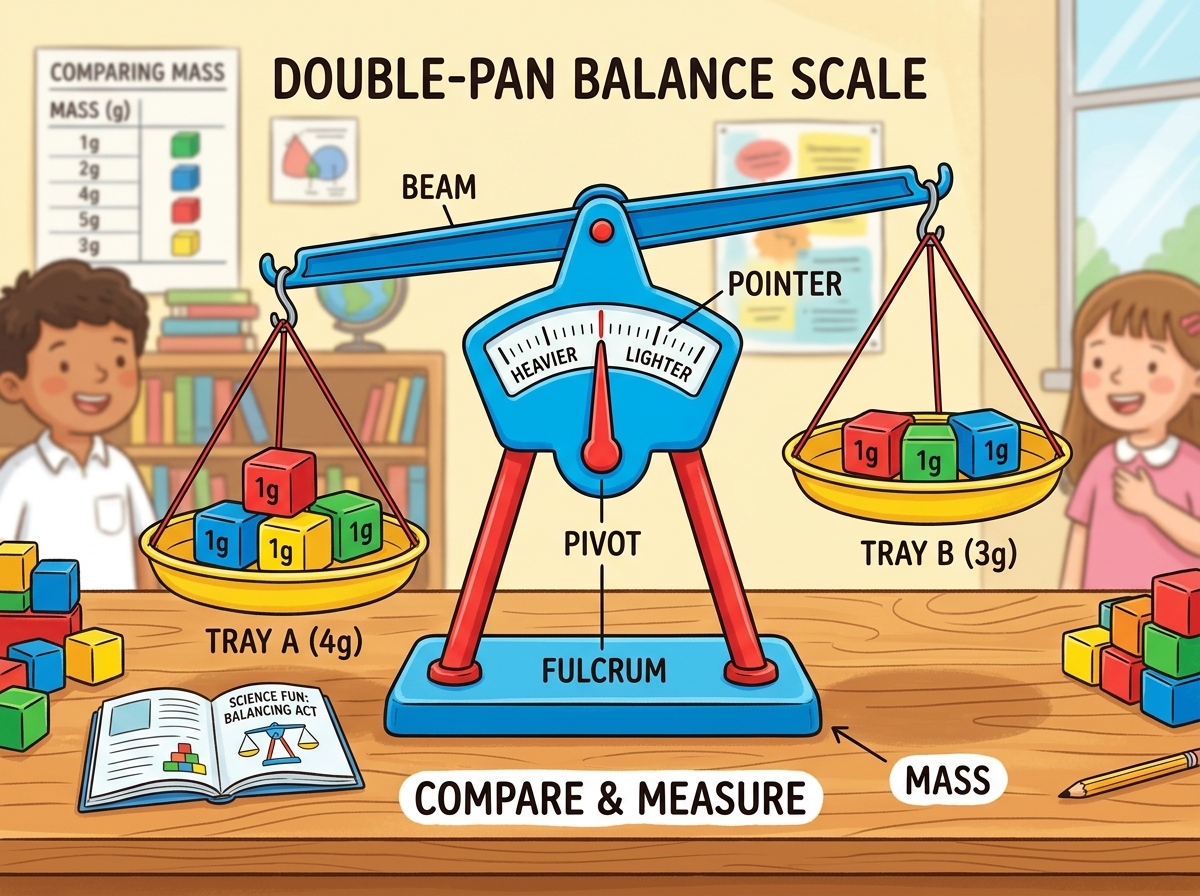
- Explanation: A balance scale is a scientific instrument designed to compare the masses of two objects. It features two balanced pans; when objects are placed in them, the pan with greater mass tilts downward.
- Example: Placing a rock on the left tray and wooden blocks on the right tray shows which side holds more mass.
- Context in Science: Working with a balance scale helps students grasp that equal-sized objects do not always weigh the same.
12. Graduated Cylinder
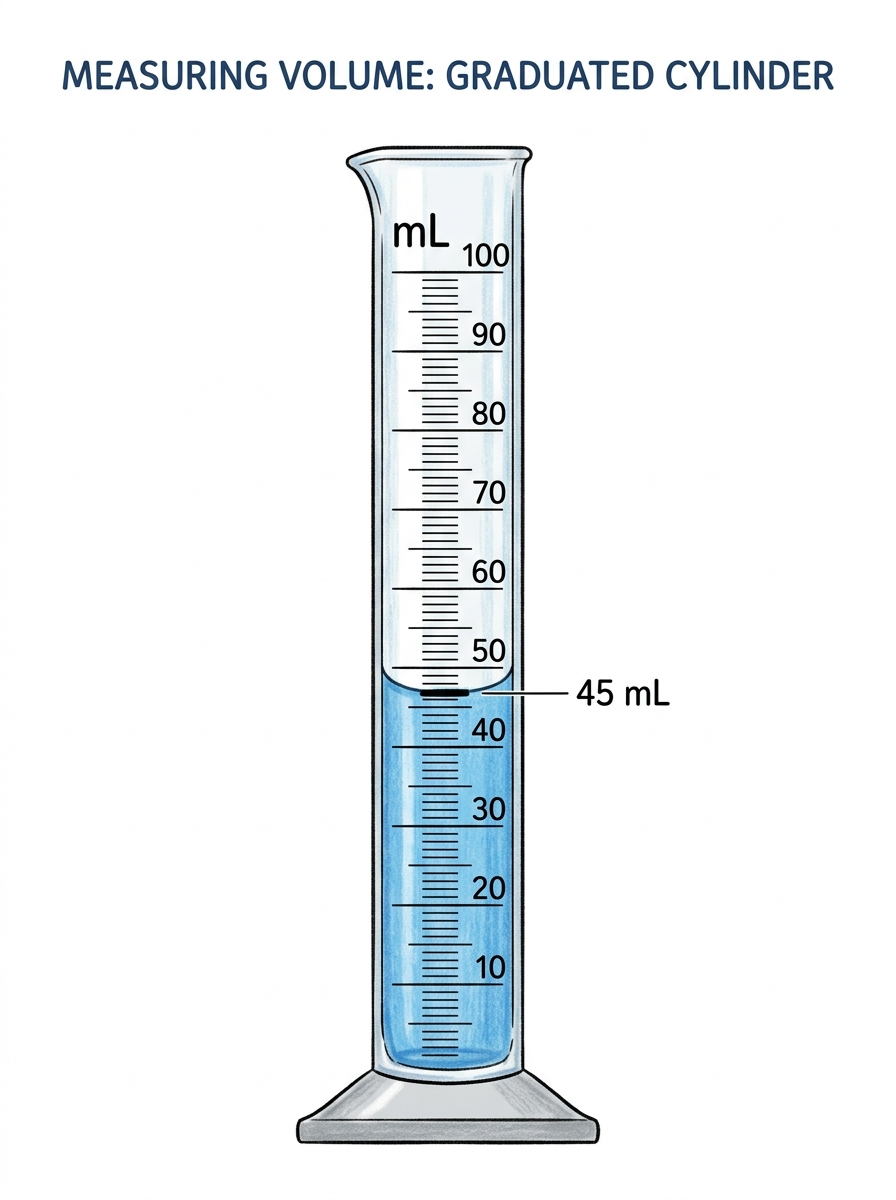
- Explanation: A graduated cylinder is a tall, slender container marked with measurement lines along its side. It is used in laboratories to measure liquid volumes with high precision.
- Example: A student fills the cylinder until the water level aligns perfectly with the 50-milliliter mark.
- Context in Science: Using graduated cylinders allows young scientists to record accurate quantitative data during sink-or-float investigations.
13. Density Tower
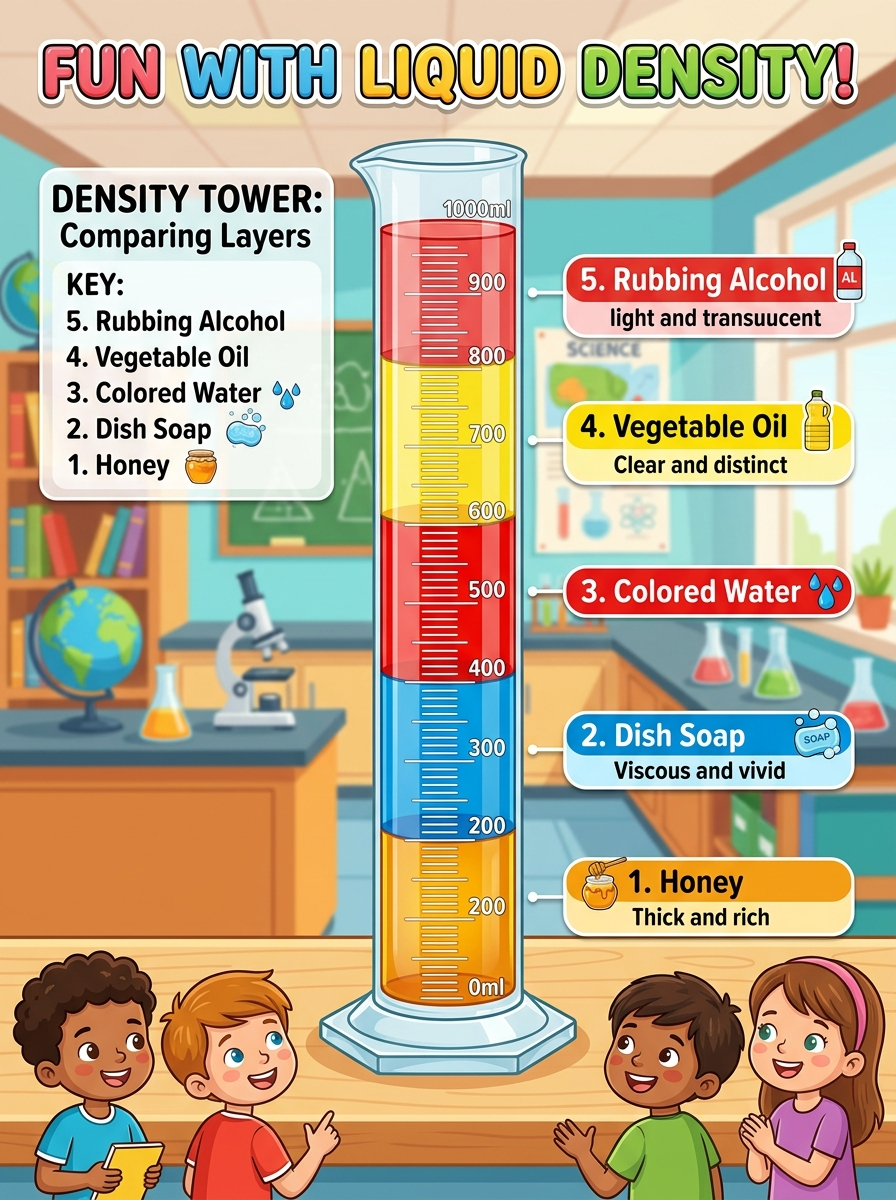
- Explanation: A density tower is a hands-on science demonstration where various liquids are layered inside a transparent cylinder. The densest liquid sinks to the bottom, while each progressively lighter liquid floats above it.
- Example: Carefully layering honey, dish soap, water, and vegetable oil produces distinct, vibrant colorful stripes that stay separated.
- Context in Science: Density towers provide an engaging visual proof that different liquids possess unique densities.
14. Solid
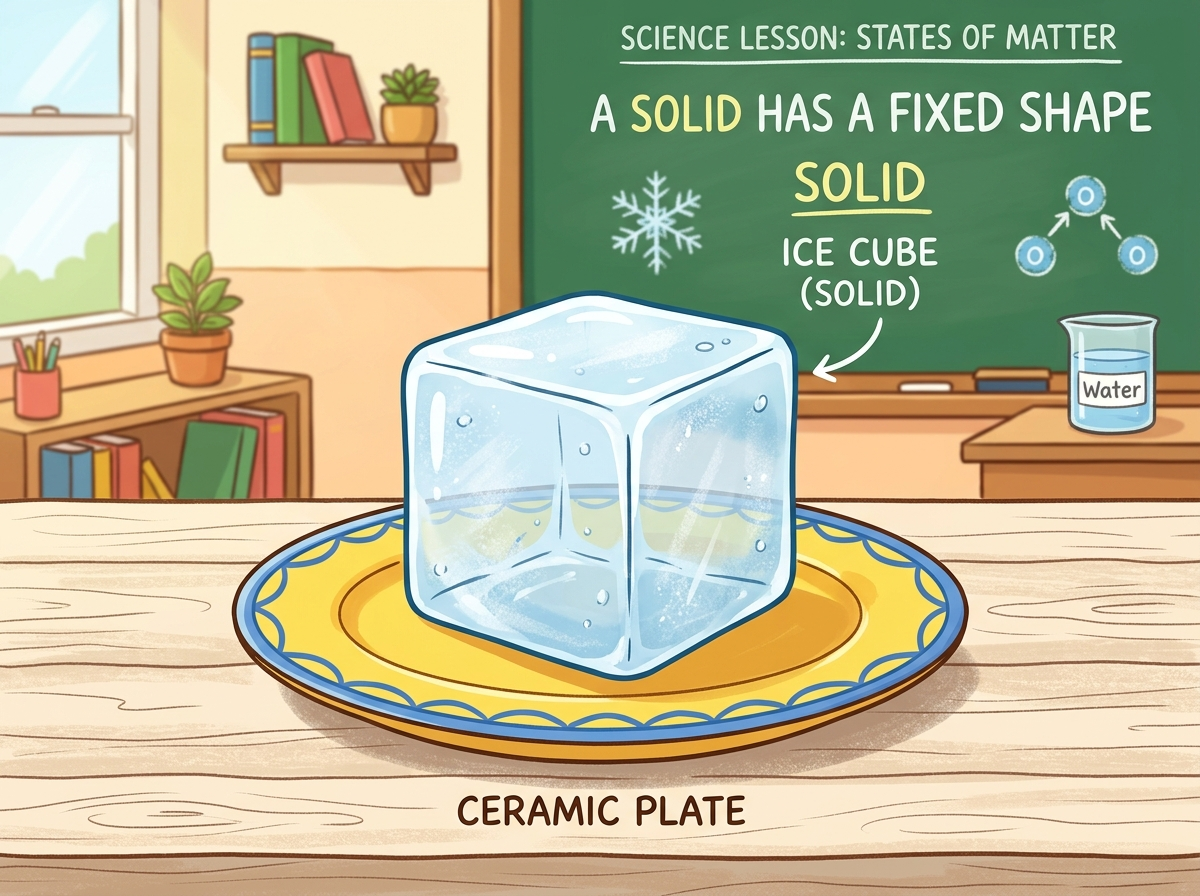
- Explanation: A solid is a state of matter characterized by a fixed shape and a fixed volume. Because its particles are held firmly in place, a solid resists changing its shape on its own.
- Example: An ice cube maintains its square form on a plate until temperature changes cause it to melt.
- Context in Science: Solids can have vastly different densities depending on the types of atoms they contain and how tightly packed they are.
15. Liquid
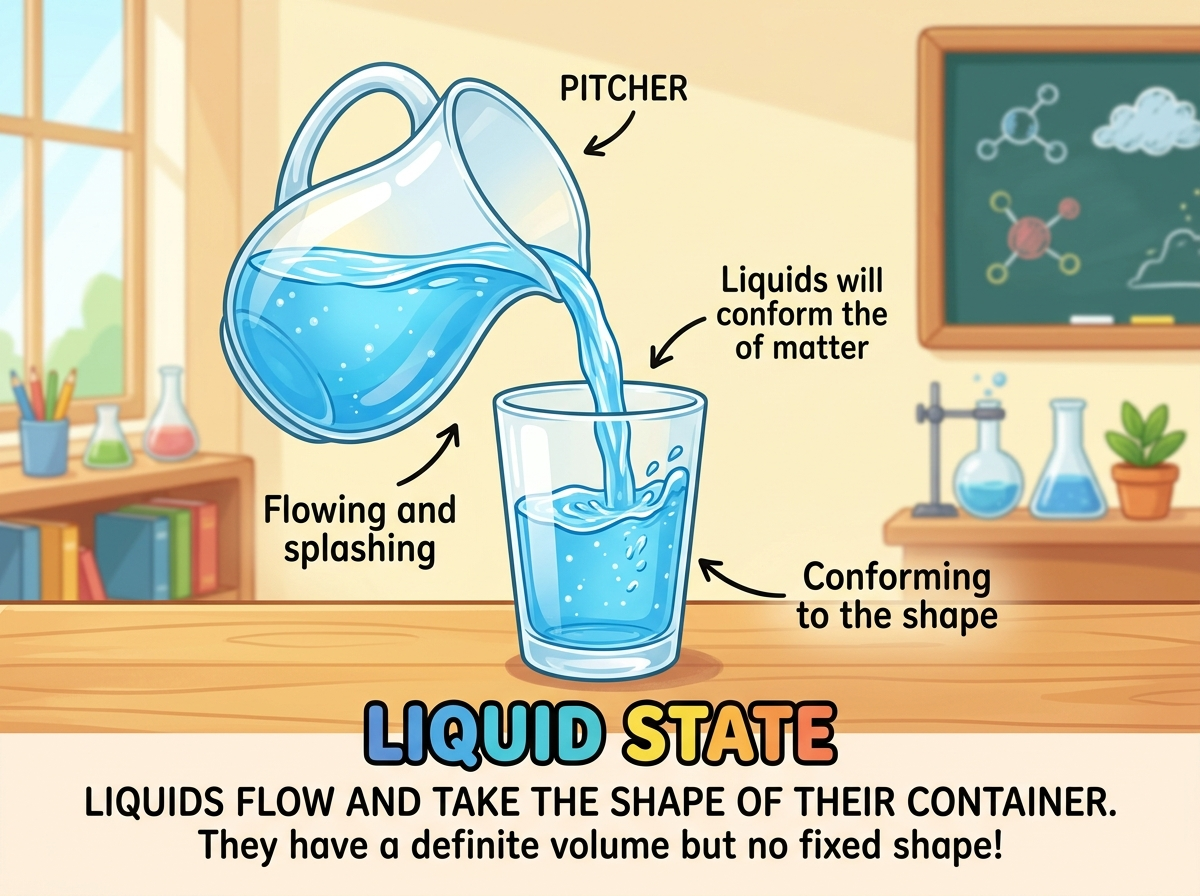
- Explanation: A liquid is a state of matter that has a definite volume but no fixed shape. Its particles can slide past one another, allowing the liquid to flow freely and adopt the shape of its container.
- Example: When fresh water is poured from a round pitcher into a tall square glass, it readily adjusts to the shape of the glass.
- Context in Science: Investigating how different liquids interact is fundamental to understanding fluid mechanics and buoyancy.