Generated with Monsha
Save this resource to edit, expand, or export it, or create more resources for free.
Native American Governance and Community in New York
Anything
Grade 4
English
Native American Governance and Community in New York
Native American Governance and Community in New York
Long before European settlers arrived, the land we now call New York was home to two major groups of Native Americans: the Haudenosaunee (Iroquois) and the Algonquian. These groups organized their communities and governed their people in unique and effective ways.
The Haudenosaunee Confederacy
The Haudenosaunee, which means "People of the Longhouse," were made up of five distinct nations: the Mohawk, Oneida, Onondaga, Cayuga, and Seneca. (A sixth nation, the Tuscarora, joined later). Long ago, these nations were often at war. According to tradition, a man known as the Peacemaker brought them together under the Great Law of Peace.
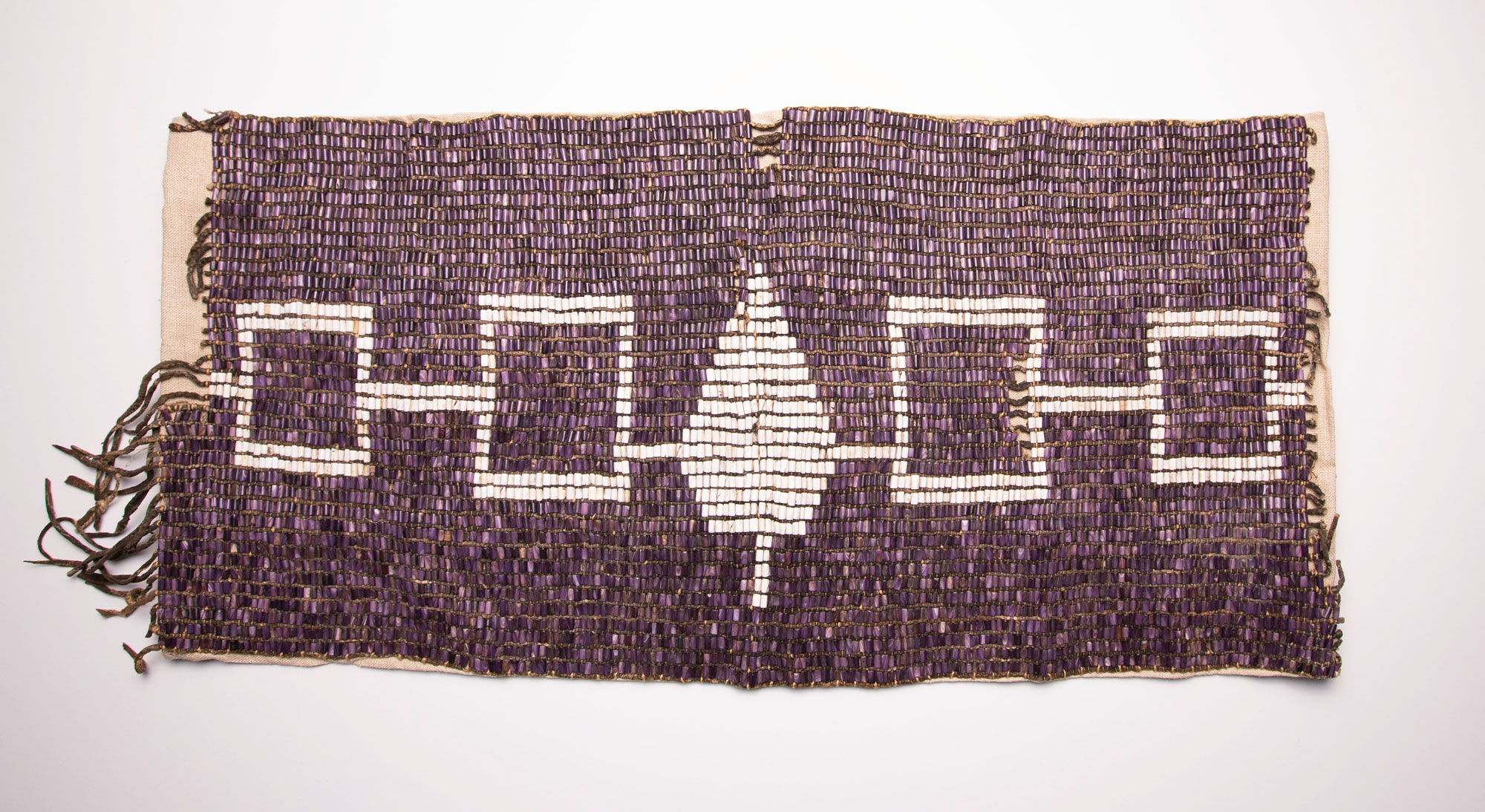
This agreement formed the Haudenosaunee Confederacy, a powerful alliance where the nations worked together while still keeping their own identities. The symbol of this unity is often seen in the Hiawatha Wampum Belt.
How the Haudenosaunee Governed
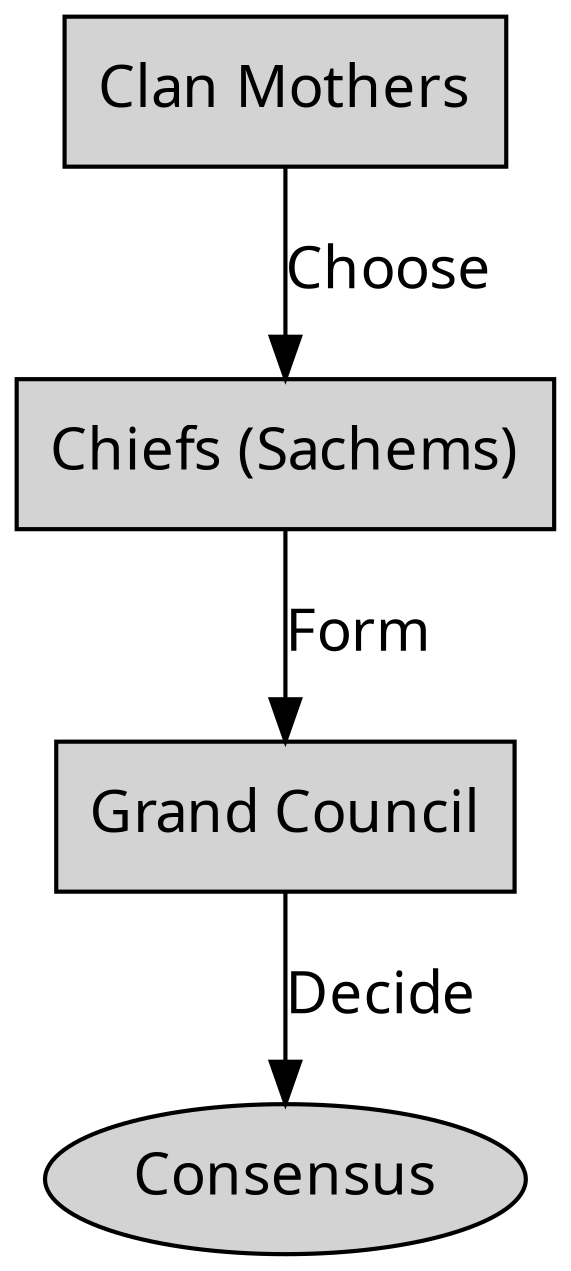
The Haudenosaunee had a very organized system of government. At the heart of this system were the Clan Mothers. These were the elder women of the clans who held great power. They were responsible for choosing the Chiefs (also called Sachems) to represent the people. If a Chief did not do a good job or look out for the community, the Clan Mothers had the power to remove him from office.
The Chiefs from all five nations met together in a group called the Grand Council. This council made decisions that affected the entire Confederacy. Instead of voting where the majority wins, they used consensus. This means that every single member of the council had to agree on a decision before it was passed. This ensured that every nation’s voice was heard.
Algonquian Communities
The Algonquian people lived primarily in the Hudson River Valley and on Long Island. Unlike the large Haudenosaunee Confederacy, the Algonquians were organized into many smaller, independent villages.
Each village had its own leader, also called a Sachem. The Sachem was often a man, but women could also be leaders in Algonquian society. These leaders worked closely with a council of elders to make decisions for the village. Because they lived in smaller groups, their government was more localized, focusing on the needs of their specific community and environment.
Worksheet: Organizing the Community
Activity 1: Vocabulary Matching
Draw a line to match each word on the left with its correct definition on the right.
- Confederacy
- Clan Mother
- Consensus
- Sachem
A. Agreement by everyone in a group.
B. A leader or chief in Native American communities.
C. A group of nations or people joined together for a common purpose.
D. A woman leader who chooses and advises the Chiefs.
Activity 2: Short Answer
Write your answers in the spaces provided below.
- Describe the role of a Clan Mother in Haudenosaunee society. Why was her role important for the government?
- How is a decision made by consensus different from a typical school vote where the majority wins?
- How was the Algonquian way of organizing communities different from the Haudenosaunee Confederacy?
Activity 3: Multiple Choice
Circle the correct answer for each question.
- What was the main purpose of the Great Law of Peace? A. To help the Algonquians build better villages. B. To decide which Clan Mother would lead the nations. C. To create a map of the Hudson River Valley. D. To unite the Five Nations and bring peace to the Haudenosaunee.
- Which group of people made up the Grand Council? A. Fifty Chiefs from all the Haudenosaunee nations. B. All the children living in the longhouses. C. Only the Sachems from the Algonquian villages. D. Explorers who arrived from Europe.
- Where did most Algonquian people live in New York? A. The Hudson River Valley and Long Island. B. Only in the deep western forests near Lake Erie. C. Inside the Grand Council meeting house. D. In the capital city of Albany.