Generated with Monsha
English for Beginners: Have Got & Nouns Units
Anything · Age 5–6 · English
English for Beginners: Have Got & Nouns Units
Unit 1: I Have Got!
This unit focuses on expressing possession using the structure 'have got' and 'has got' without the use of 'do'. It is designed for learners aged 5–6.
1. Let's Learn: Presentation
We use 'have got' to talk about things we own.
- I / You / We / They have got
- He / She / It has got
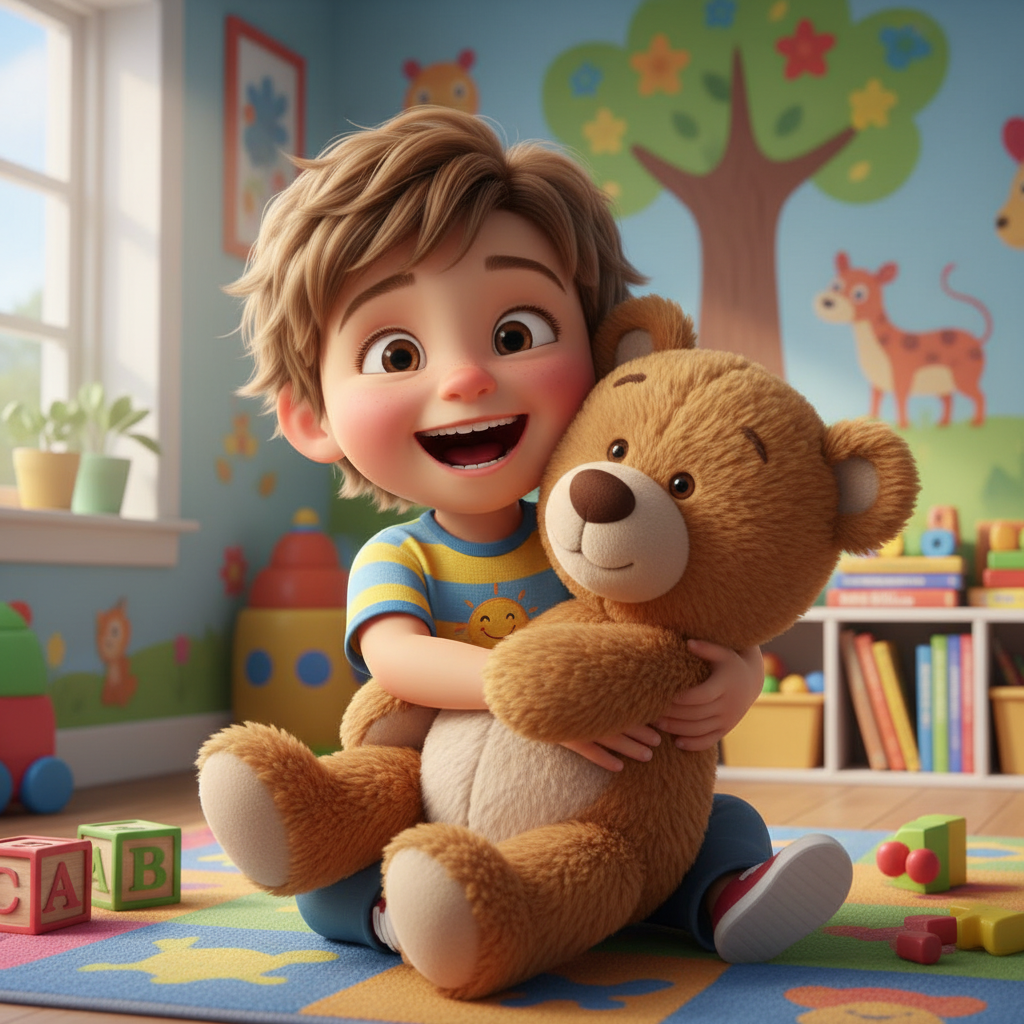
Drills (Repetition)
Repeat after the teacher:
- I have got a toy.
- You have got a toy.
- He has got a bike.
- She has got a cat.
- We have got a ball.
2. Reading: My Favorite Things
Read the short story below.
Hi! My name is Sam. I am six years old. I have got a big red bus. I have got a blue ball. My sister, Lily, has got a small doll. We have got a happy dog named Rex. Rex has got a yellow bone!
3. Listening: What is in the Bag?
Teacher's Script: "Listen carefully. In my magic bag, I have got a green frog. I have got a yellow pencil. I have got a sweet apple. I have not got a banana."
Activity: Circle the things the teacher has got in the bag.
- (A) Green Frog
- (B) Yellow Pencil
- (C) Sweet Apple
- (D) Banana
4. Speaking: Friend to Friend
Work with a partner. Ask and answer:
Student A: "Have you got a pencil?"
Student B: "Yes, I have got a pencil." OR "No, I haven't got a pencil."

5. Writing: My Sentences
Trace the words and finish the sentence with your own toy.
- I got a dog.
- She got a cat.
- I have got a .
Unit 2: Countable Fun (Many & How Many)
This unit introduces nouns we can count, like apples and bikes, and how to ask about quantities.
1. Let's Learn: Countable Nouns
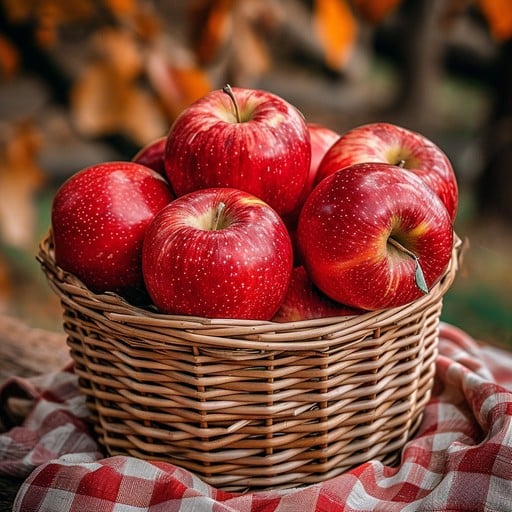
We can count these things: 1 apple, 2 apples, 3 apples!
- Many: Used for a large number.
- How many?: Used to ask a question.
Drills
- One bike, two bikes, many bikes.
- How many apples? Three apples!
2. Reading: The Apple Tree
Look at the tree! It is very tall. It has got many red apples. Look at the basket. It has got a lot of apples. How many apples are there? Let's count! One, two, three, four, five!
3. Listening: Count the Claps
Teacher's Script: "I will clap my hands. Count the claps and say how many apples I have!"
Teacher claps 4 times.
Students shout: "You have got four apples!"
4. Speaking: The Shopkeeper
One student is the shopkeeper, the other is the customer.
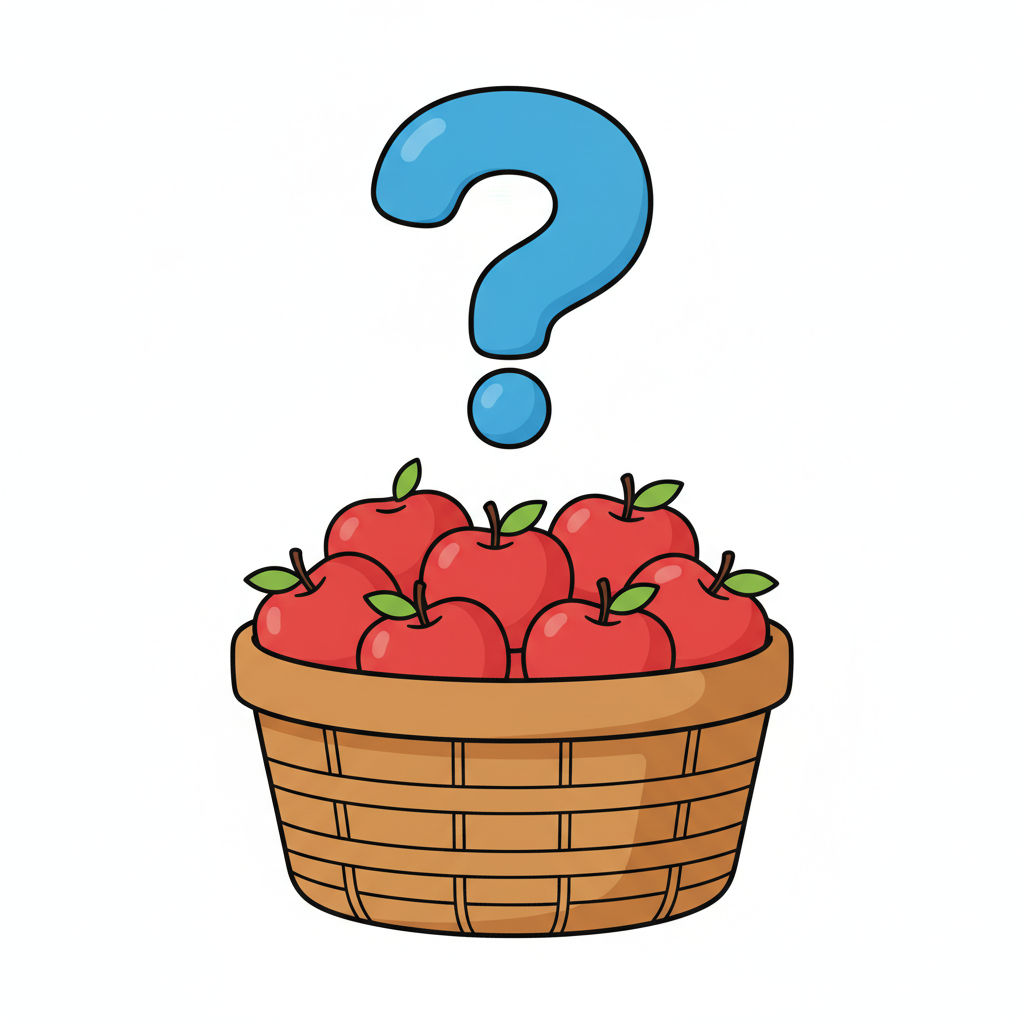
Customer: "How many apples have you got?"
Shopkeeper: "I have got five apples!"
5. Writing: Number Match
Write the correct word next to the number:
- 1:
- 10: (Hint: Use 'Many' or 'Ten')
Unit 3: Milk and Water (Uncountable, Much & Some)
This unit covers things we cannot count individually, like liquids and small grains.
1. Let's Learn: Uncountable Nouns
We cannot count water or milk like we count apples. We use 'some', 'any', and 'much'.
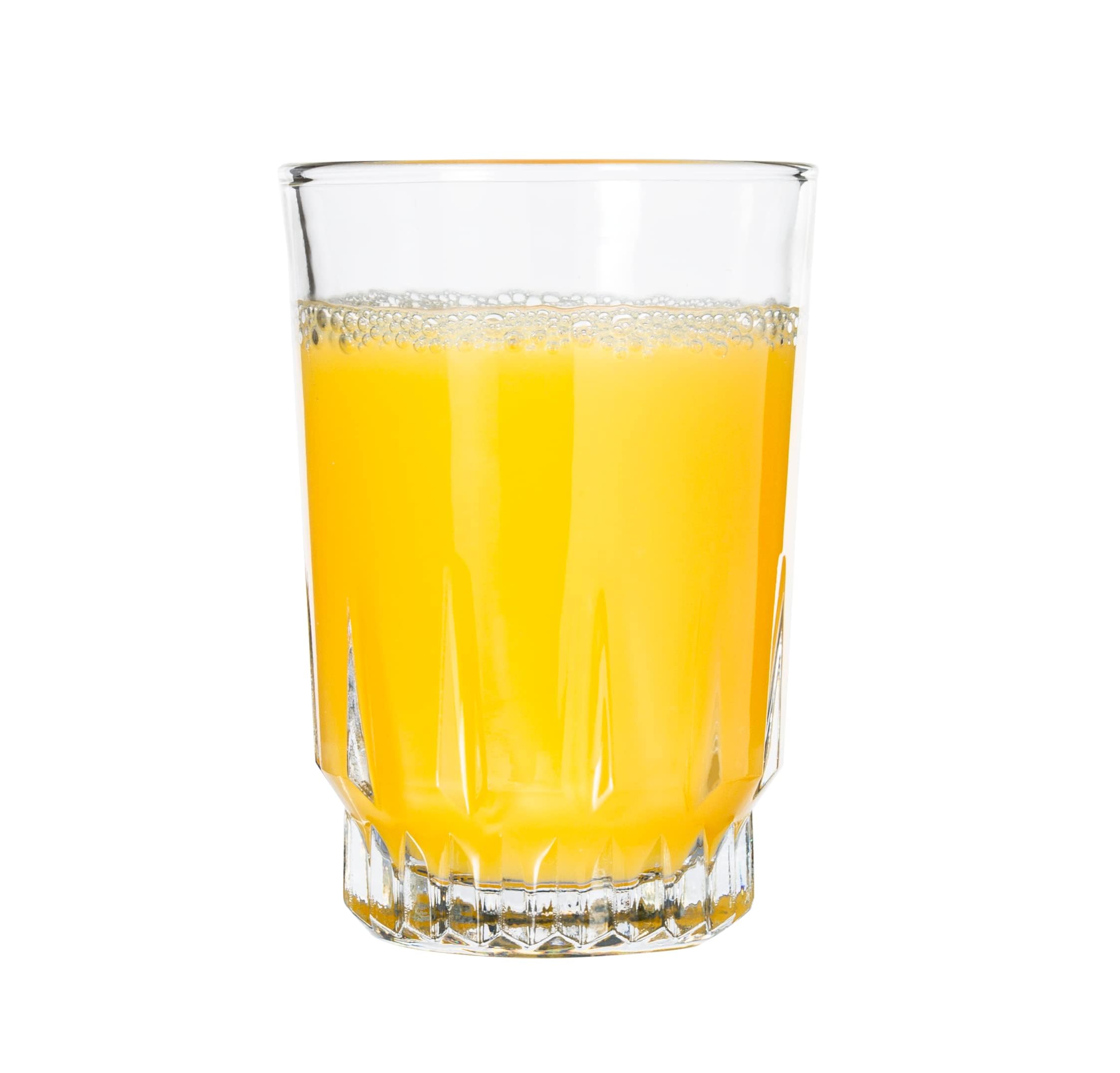
- Some: Used in positive sentences ("I have got some milk").
- Any: Used in questions and negative sentences ("Have you got any milk?" / "I haven't got any milk").
- How much?: Used to ask about the amount.
Drills
- I have got some water.
- I haven't got any juice.
- How much milk is there?
2. Reading: Lunch Time
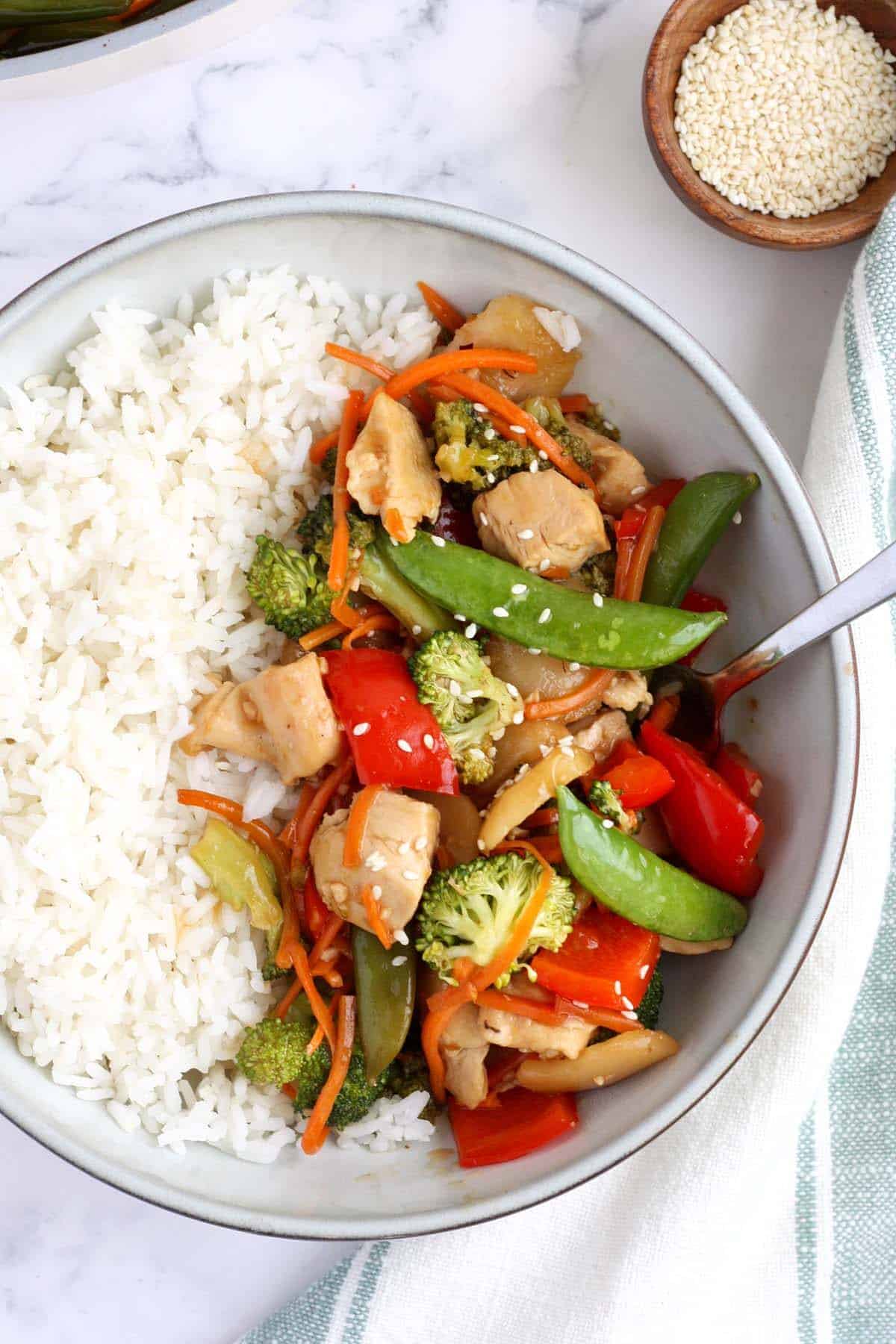
It is time for lunch. I have got some bread and some cheese. I have got a lot of rice in my bowl. I haven't got any milk. How much water have I got? I have got a full glass!
3. Listening: I Hear Liquids
Teacher's Script: "Listen to the sounds. Is it pouring water or shaking a box of toy cars? If it is water, say 'Uncountable'. If it is cars, say 'Countable'!"
4. Speaking: Hungry Friends
Ask your friend for food:
Student A: "Have you got any bread?"
Student B: "Yes, I have got some bread." OR "No, I haven't got any bread."
5. Writing: Some or Any?
Circle the correct word:
- I have got (some / any) juice.
- Have you got (some / any) water?
- She hasn't got (some / any) rice.
Unit 4: The Great Picnic Review
This final unit combines everything we have learned about possession and quantities.
1. Let's Learn: A Lot of Everything!
When we have a big group of things, we say 'a lot of'. It works for both apples (countable) and water (uncountable)!
2. Reading: Our Picnic Day
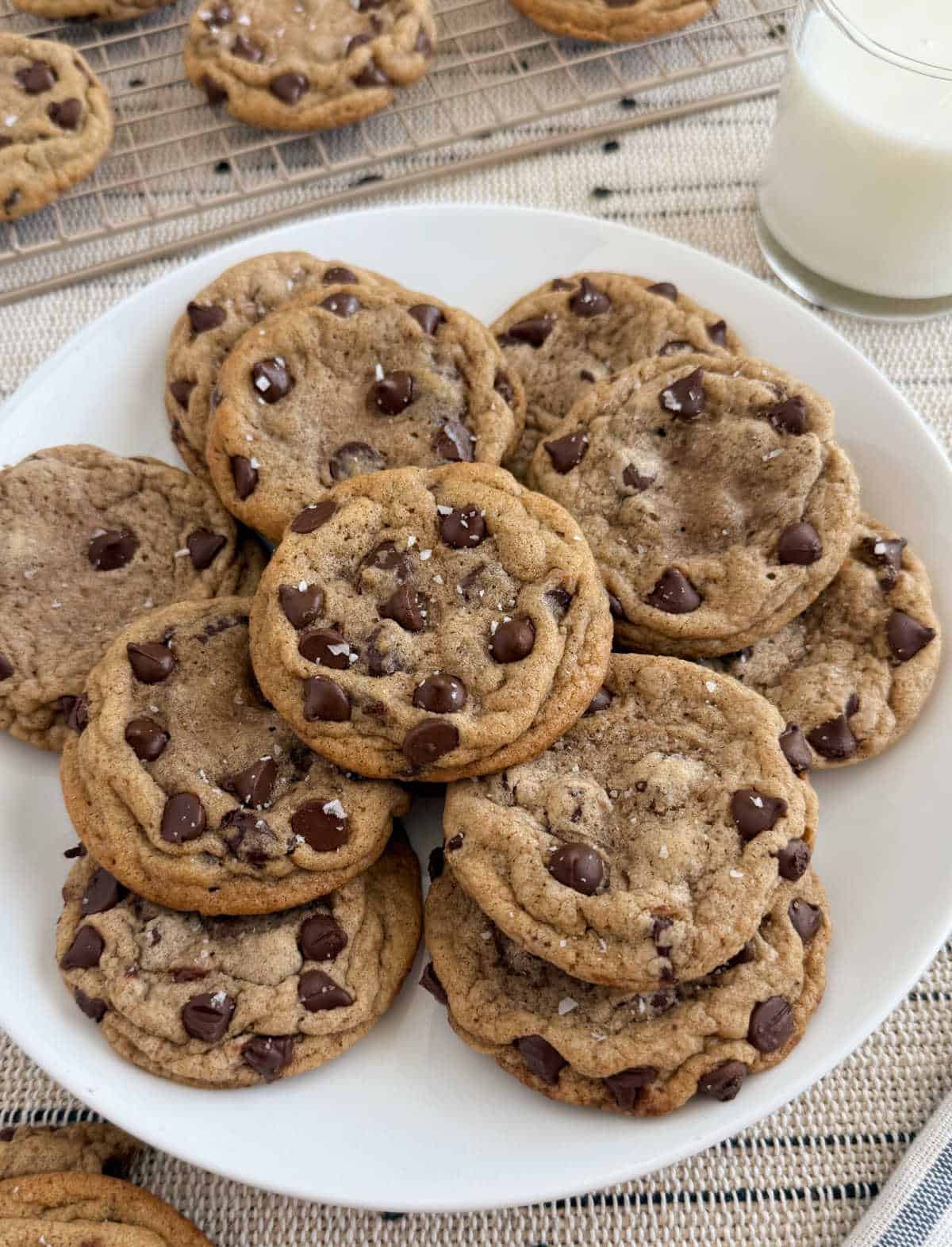
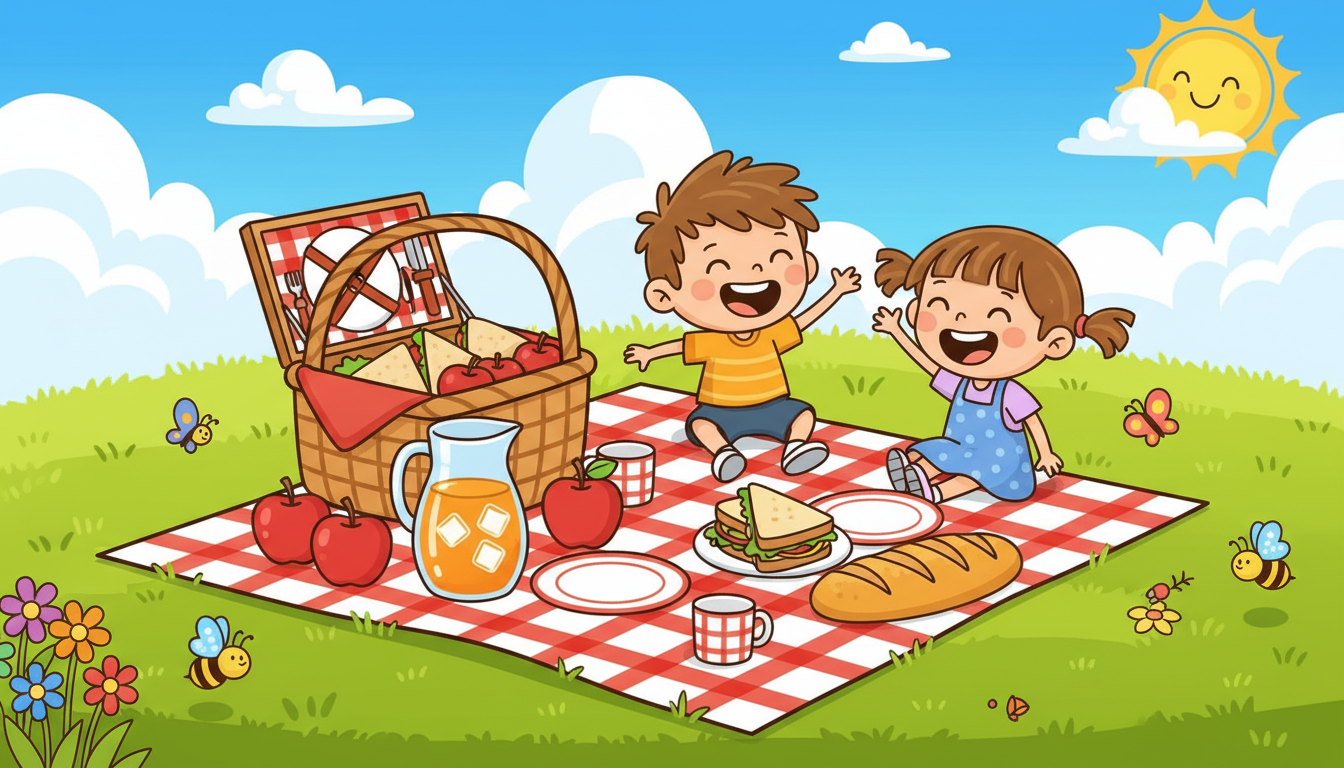
Today we are at the park. We have got a lot of food! We have got many sandwiches. We have got some juice. My friend has got some cookies. How many cookies? Ten! How much juice? A lot! We are very happy.
3. Listening: The Shopping List
Teacher's Script: "We need to buy food. We need some milk, many oranges, and a lot of bread. Do we need any apples? Yes, we need some apples!"
Activity: Draw a line from the word to the item mentioned.
- Milk -> (Some)
- Oranges -> (Many)
- Apples -> (Some)
4. Speaking: What's in the Basket?
Imagine you have a picnic basket. Tell your class what is inside.
"In my basket, I have got some bread and many bananas!"
5. Writing: My Picnic List
Complete the list below:
- I have got apples.
- I have got water.
- I have got a lot of .