Generated with Monsha
A Culinary Journey Across Canada: Icons of Restaurants and Cafes
Adaptive Reading Passage · Grade 9 · English
A Culinary Journey Across Canada: Icons of Restaurants and Cafes
Canada is a vast nation, stretching from the Atlantic to the Pacific and up into the Arctic Circle. While many people around the world immediately think of maple syrup when they imagine Canadian food, the country’s culinary landscape is a rich and diverse mosaic. From the bustling 'casse-croûtes' of Quebec to the cozy independent cafes of Vancouver, Canadian restaurant culture reflects a unique blend of Indigenous roots, French and British colonial history, and modern multicultural influences. To understand Canada, one must explore the iconic dishes that locals order every day.
The Morning Routine: Cafe Culture
Canadian mornings often begin at a local cafe or a ubiquitous chain like Tim Hortons. Perhaps the most culturally significant morning snack is the Timbit. These bite-sized donut holes, introduced in 1976, are a staple at office meetings and hockey practices alike. However, Canada’s coffee culture extends far beyond quick donuts. In the 1990s, a drink known as the London Fog was invented in Vancouver, British Columbia. Despite its name, this beverage is quintessentially Canadian. It consists of fragrant Earl Grey tea mixed with steamed milk and a hint of vanilla syrup, topped with a thick layer of frothy microfoam.

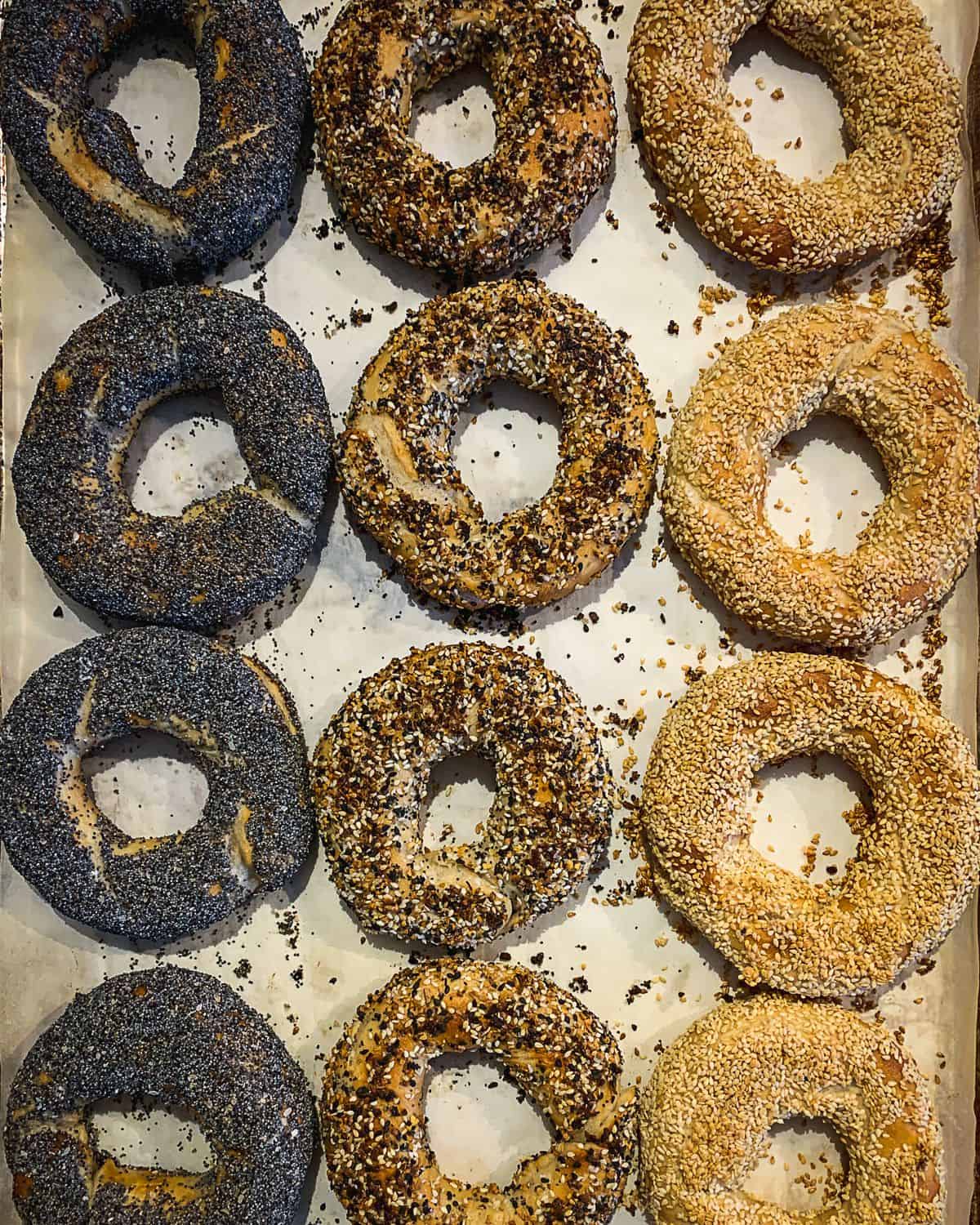
In Montreal, the breakfast of choice is the Montreal-style bagel. Unlike the soft, doughy bagels found in New York, Montreal bagels are smaller, denser, and noticeably sweeter because they are boiled in honey-infused water before hitting the oven. They are traditionally baked in wood-fired stone ovens, which gives them a distinctive charred flavor and a firm, chewy texture. The most common varieties are 'Black Seed' (topped with poppy seeds) and 'White Seed' (topped with sesame seeds).
Savory Lunch Staples and Street Food
As the day progresses toward lunch, the most famous of all Canadian dishes takes center stage: Poutine. Originating in rural Quebec in the late 1950s, poutine has become a national symbol. The recipe is deceptively simple but requires specific ingredients to be authentic: crispy, thick-cut French fries, fresh cheese curds, and a rich, hot brown gravy. The hallmark of a great poutine is the 'squeak' of the cheese curds, which indicates they are fresh and have not yet melted into the gravy. Today, restaurants across Canada serve gourmet versions featuring everything from pulled pork to lobster, but the classic remains the favorite.

In Ontario, particularly around Toronto’s historic St. Lawrence Market, the Peameal Bacon Sandwich is a must-try. Peameal bacon is made from lean, boneless pork loin that is wet-cured and then rolled in cornmeal (historically, dried yellow peas were used, giving it its name). When sliced thin and grilled, it offers a salty, tender bite that is usually served on a soft kaiser roll with a bit of honey mustard.
Further east, the Halifax Donair reigns supreme in Nova Scotia. This late-night favorite features spicy, spit-roasted beef that is shaved thin and placed on a warm pita with tomatoes and onions. What makes it unique is the donair sauce—a sweet, garlicky condiment made from condensed milk, sugar, garlic, and vinegar. It is so beloved that it was named the official food of Halifax in 2015.
Hearty Traditions and Regional Delicacies
French-Canadian history is heavily reflected in dishes like Tourtière and Split Pea Soup. Tourtière is a savory meat pie traditionally served during the winter holidays. It features a flaky pastry crust filled with ground pork, beef, or veal, seasoned with warm, aromatic spices like cinnamon, clove, and nutmeg. Meanwhile, Split Pea Soup (or soupe aux pois) is a thick, creamy soup made from yellow split peas and salt pork. This dish dates back to the early French settlers who relied on dried peas and cured meat to survive the long, harsh Canadian winters.
In the province of Quebec, Montreal Smoked Meat is another restaurant essential. Similar to pastrami but with its own distinct spice profile, it is cured with cracked peppercorns, coriander, and garlic. The meat is stacked impressively high on light rye bread and served with yellow mustard, usually accompanied by a large kosher dill pickle.
Iconic Sweets and Desserts
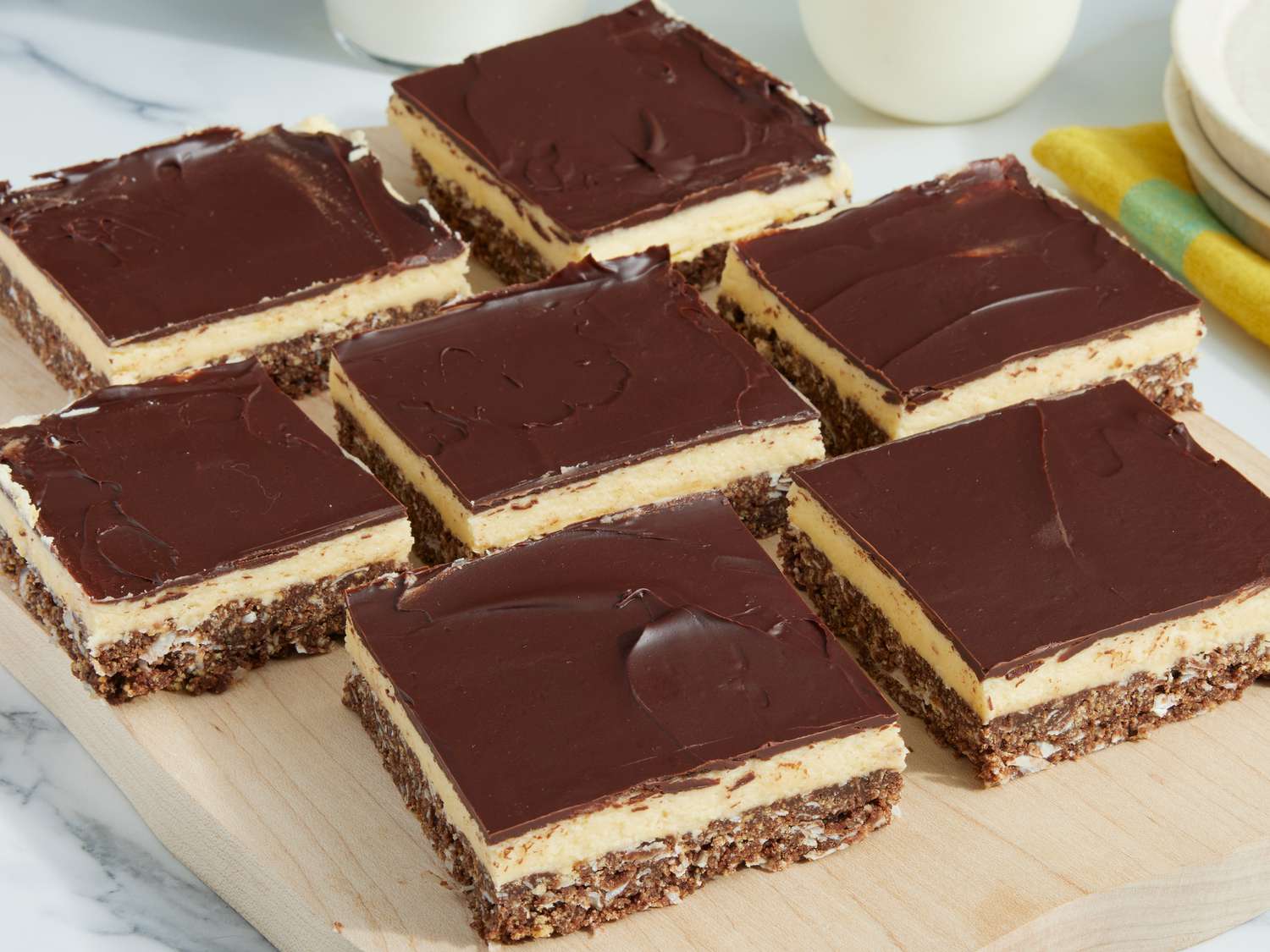
No meal in a Canadian cafe or restaurant is complete without a local dessert. The Nanaimo Bar, named after the city in British Columbia, is a no-bake treat consisting of three distinct layers: a crumbly base of chocolate, coconut, and graham crackers; a middle layer of thick custard-flavored butter icing; and a smooth top layer of chocolate ganache.
On the other side of the country, the Butter Tart is the pride of the Prairies and Ontario. These small pastries feature a flaky shell filled with a gooey mixture of butter, sugar, syrup, and egg. Whether they should include raisins or walnuts remains one of the most debated topics in Canadian kitchens.
For those visiting outdoor festivals or skating on the Rideau Canal in Ottawa, the BeaverTail (or queue de castor) is the ultimate snack. This is a hand-stretched piece of fried dough shaped like a beaver’s tail, served hot and topped with cinnamon sugar, lemon juice, or even more decadent toppings like chocolate hazelnut spread.
Finally, for a unique beverage often found on brunch menus, there is The Caesar. While it looks like a Bloody Mary, it is distinctively Canadian because it uses Clamato juice—a blend of tomato juice and clam broth. Often served in a glass rimmed with celery salt and garnished with a celery stalk, it represents the savory, adventurous spirit of Canadian cuisine.
Each of these dishes tells a story of adaptation and community. Whether it's a quick stop at a roadside stand for poutine or a slow afternoon in a cafe with a London Fog, the food of Canada’s restaurants and cafes is a delicious reflection of the country's diverse identity.
Exploring Canadian Cuisine
Canada is a vast nation, stretching from the Atlantic to the Pacific and up into the Arctic Circle. While many people around the world immediately think of maple syrup when they imagine Canadian food, the country’s culinary landscape is a rich and diverse mosaic. From the bustling 'casse-croûtes' of Quebec to the cozy independent cafes of Vancouver, Canadian restaurant culture reflects a unique blend of Indigenous roots, French and British colonial history, and modern multicultural influences. To understand Canada, one must explore the iconic dishes that locals order every day.
The Morning Routine: Cafe Culture
Canadian mornings often begin at a local cafe or a ubiquitous chain like Tim Hortons. Perhaps the most culturally significant morning snack is the Timbit. These bite-sized donut holes, introduced in 1976, are a staple at office meetings and hockey practices alike. However, Canada’s coffee culture extends far beyond quick donuts. In the 1990s, a drink known as the London Fog was invented in Vancouver, British Columbia. Despite its name, this beverage is quintessentially Canadian. It consists of fragrant Earl Grey tea mixed with steamed milk and a hint of vanilla syrup, topped with a thick layer of frothy microfoam.
In Montreal, the breakfast of choice is the Montreal-style bagel. Unlike the soft, doughy bagels found in New York, Montreal bagels are smaller, denser, and noticeably sweeter because they are boiled in honey-infused water before hitting the oven. They are traditionally baked in wood-fired stone ovens, which gives them a distinctive charred flavor and a firm, chewy texture. The most common varieties are 'Black Seed' (topped with poppy seeds) and 'White Seed' (topped with sesame seeds).
Savory Lunch Staples and Street Food
As the day progresses toward lunch, the most famous of all Canadian dishes takes center stage: Poutine. Originating in rural Quebec in the late 1950s, poutine has become a national symbol. The recipe is deceptively simple but requires specific ingredients to be authentic: crispy, thick-cut French fries, fresh cheese curds, and a rich, hot brown gravy. The hallmark of a great poutine is the 'squeak' of the cheese curds, which indicates they are fresh and have not yet melted into the gravy. Today, restaurants across Canada serve gourmet versions featuring everything from pulled pork to lobster, but the classic remains the favorite.
In Ontario, particularly around Toronto’s historic St. Lawrence Market, the Peameal Bacon Sandwich is a must-try. Peameal bacon is made from lean, boneless pork loin that is wet-cured and then rolled in cornmeal (historically, dried yellow peas were used, giving it its name). When sliced thin and grilled, it offers a salty, tender bite that is usually served on a soft kaiser roll with a bit of honey mustard.
Further east, the Halifax Donair reigns supreme in Nova Scotia. This late-night favorite features spicy, spit-roasted beef that is shaved thin and placed on a warm pita with tomatoes and onions. What makes it unique is the donair sauce—a sweet, garlicky condiment made from condensed milk, sugar, garlic, and vinegar. It is so beloved that it was named the official food of Halifax in 2015.
Hearty Traditions and Regional Delicacies
French-Canadian history is heavily reflected in dishes like Tourtière and Split Pea Soup. Tourtière is a savory meat pie traditionally served during the winter holidays. It features a flaky pastry crust filled with ground pork, beef, or veal, seasoned with warm, aromatic spices like cinnamon, clove, and nutmeg. Meanwhile, Split Pea Soup (or soupe aux pois) is a thick, creamy soup made from yellow split peas and salt pork. This dish dates back to the early French settlers who relied on dried peas and cured meat to survive the long, harsh Canadian winters.
In the province of Quebec, Montreal Smoked Meat is another restaurant essential. Similar to pastrami but with its own distinct spice profile, it is cured with cracked peppercorns, coriander, and garlic. The meat is stacked impressively high on light rye bread and served with yellow mustard, usually accompanied by a large kosher dill pickle.
Iconic Sweets and Desserts
No meal in a Canadian cafe or restaurant is complete without a local dessert. The Nanaimo Bar, named after the city in British Columbia, is a no-bake treat consisting of three distinct layers: a crumbly base of chocolate, coconut, and graham crackers; a middle layer of thick custard-flavored butter icing; and a smooth top layer of chocolate ganache.
On the other side of the country, the Butter Tart is the pride of the Prairies and Ontario. These small pastries feature a flaky shell filled with a gooey mixture of butter, sugar, syrup, and egg. Whether they should include raisins or walnuts remains one of the most debated topics in Canadian kitchens.
For those visiting outdoor festivals or skating on the Rideau Canal in Ottawa, the BeaverTail (or queue de castor) is the ultimate snack. This is a hand-stretched piece of fried dough shaped like a beaver’s tail, served hot and topped with cinnamon sugar, lemon juice, or even more decadent toppings like chocolate hazelnut spread.
Finally, for a unique beverage often found on brunch menus, there is The Caesar. While it looks like a Bloody Mary, it is distinctively Canadian because it uses Clamato juice—a blend of tomato juice and clam broth. Often served in a glass rimmed with celery salt and garnished with a celery stalk, it represents the savory, adventurous spirit of Canadian cuisine.
Each of these dishes tells a story of adaptation and community. Whether it's a quick stop at a roadside stand for poutine or a slow afternoon in a cafe with a London Fog, the food of Canada’s restaurants and cafes is a delicious reflection of the country's diverse identity.
Кулинарные особенности Канады
Канада — это обширная страна, простирающаяся от Атлантического до Тихого океана и до самого Северного полярного круга. Хотя многие люди во всем мире сразу же думают о кленовом сиропе, когда представляют себе канадскую еду, кулинарный ландшафт страны представляет собой богатую и разнообразную мозаику. От шумных 'casse-croûtes' Квебека до уютных независимых кафе Ванкувера канадская ресторанная культура отражает уникальное сочетание коренных корней, французской и британской колониальной истории, а также современных многокультурных влияний. Чтобы понять Канаду, нужно исследовать культовые блюда, которые заказывают местные жители каждый день.
Утренний ритуал: Кофейная культура
Канадские утра часто начинаются в местном кафе или в вездесущей сети, такой как Tim Hortons. Возможно, наиболее культурно значимой утренней закуской является Тимбит. Эти кусочки пончиков, представленные в 1976 году, являются неотъемлемой частью офисных встреч и хоккейных тренировок. Однако кофейная культура Канады выходит далеко за пределы быстрых пончиков. В 1990-х годах в Ванкувере, Британская Колумбия, был изобретен напиток, известный как Лондонский туман. Несмотря на свое название, этот напиток является типично канадским. Он состоит из ароматного чая Эрл Грей, смешанного с парным молоком и небольшим количеством ванильного сиропа, увенчанного густым слоем пены.
В Монреале на завтрак подают багель по-монреальски. В отличие от мягких, тестообразных багелей, которые можно найти в Нью-Йорке, монреальские багели меньше, плотнее и заметно слаще, потому что они варятся в воде с добавлением меда перед выпеканием. Их традиционно пекут в каменных печах на дровах, что придает им характерный обугленный вкус и плотную жевательную текстуру. Наиболее распространены два вида: 'Черное семя' (покрыто маком) и 'Белое семя' (покрыто кунжутом).
Основные обеды и уличная еда
В течение дня к обеду выходит на первый план самое известное канадское блюдо: Путин. Возникший в сельской местности Квебека в конце 1950-х годов, пудинг стал национальным символом. Рецепт обманчиво прост, но требует определенных ингредиентов для подлинности: хрустящая, толстая картошка фри, свежий сырный творог и насыщенная, горячая коричневая подливка. Отличительной чертой отличного путина является 'скрип' сырного творога, который указывает на то, что они свежие и еще не растаяли в подливке. Сегодня рестораны по всей Канаде предлагают изысканные версии, включая все, от свинины до омаров, но классический вариант остается фаворитом.
В Онтарио, особенно в районе исторического рынка Святого Лаврентия в Торонто, стоит попробовать Сэндвич с беконом пимил. Бекон пимил изготавливается из нежирной, бескостной свиной филейки, которая сначала маринуется в рассоле, а затем обваливается в кукурузной муке (исторически использовались сушеные желтые горохи, откуда и пошло его название). При нарезке тонкими ломтиками и обжарке он предлагает соленый, нежный вкус, который обычно подают на мягком булочке кайзер с небольшим количеством медовой горчицы.
Далее на восток, в Новой Шотландии, Галифаксский донер пользуется непревзойденной популярностью. Этот любимый ночной перекус состоит из острого мяса, обжаренного на вертеле, которое тонко нарезается и кладется на теплую питу с помидорами и луком. Уникальность ему придаёт соус донер — сладкая, чесночная приправа, приготовленная из сгущенного молока, сахара, чеснока и уксуса. Это блюдо настолько любимо, что было названо официальной едой Галифакса в 2015 году.
Сытные традиции и региональные деликатесы
Франко-канадская история сильно отражена в таких блюдах, как Туртьер и Гороховый суп. Туртьер — это сытный мясной пирог, традиционно подаваемый в зимние праздники. Он имеет слоеную корочку из теста, наполненную фаршем из свинины, говядины или телятины, приправленную теплыми, ароматными специями, такими как корица, гвоздика и мускатный орех. Между тем, Гороховый суп (или супе о пуаз) — это густой, кремообразный суп, приготовленный из желтого колотого гороха и солёной свинины. Это блюдо восходит к первым французским поселенцам, которые полагались на сушеный горох и вяленое мясо, чтобы пережить долгие, суровые канадские зимы.
В провинции Квебек Монреальское копченое мясо является еще одним важным ресторанным блюдом. Похожее на пастрами, но с собственным отличительным профилем специй, оно маринуется с треснувшими перцами, кориандром и чесноком. Мясо укладывается впечатляюще высоко на легкий ржаной хлеб и подается с желтой горчицей, обычно в сопровождении большого кошерного соленого огурца.
Культовые сладости и десерты
Ни один прием пищи в канадском кафе или ресторане не обходится без местного десерта. Нанаимо бар, названный в честь города в Британской Колумбии, — это десерт без выпечки, состоящий из трех отдельных слоев: крошечного основания из шоколада, кокоса и крекеров; среднего слоя густой сливочной глазури с ароматом заварного крема; и гладкого верхнего слоя шоколадного ганаша.
На другой стороне страны Масляный тарт является гордостью прерий и Онтарио. Эти маленькие пирожные имеют слоеную оболочку, наполненную липкой смесью из масла, сахара, сиропа и яйца. Вопрос о том, следует ли добавлять изюм или грецкие орехи, остается одним из самых обсуждаемых в канадских кухнях.
Для тех, кто посещает уличные фестивали или катается на коньках по каналу Ридо в Оттаве, БиверТейл (или queue de castor) — это идеальная закуска. Это вручную растянутое жареное тесто в форме хвоста бобра, подаваемое горячим и посыпанное корицей и сахаром, лимонным соком или даже более декадентскими начинками, такими как шоколадно-ореховая паста.
Наконец, для уникального напитка, часто встречающегося в меню бранчей, есть Цезарь. Хотя он выглядит как Кровавая Мэри, это исключительно канадский напиток, потому что он использует сок Clamato — смесь томатного сока и бульона из моллюсков. Часто подается в стакане, ободок которого посыпан сельдерейной солью и украшен стеблем сельдерея, он олицетворяет собой пикантный, авантюрный дух канадской кухни.
Каждое из этих блюд рассказывает историю адаптации и сообщества. Будь то быстрая остановка у придорожной стойки для путин или медленный полдень в кафе с Лондонским туманом, еда канадских ресторанов и кафе — это вкусное отражение разнообразной идентичности страны.
Canadian Culinary Exploration: Skill/Concept Level
Exploring Canadian Cuisine: A Diverse Mosaic
Canada is a vast nation, stretching from the Atlantic to the Pacific and up into the Arctic Circle. While many people around the world immediately think of maple syrup when they imagine Canadian food, the country’s culinary landscape is a rich and diverse mosaic. From the bustling 'casse-croûtes' of Quebec to the cozy independent cafes of Vancouver, Canadian restaurant culture reflects a unique blend of Indigenous roots, French and British colonial history, and modern multicultural influences. To truly understand Canada, one must explore the iconic dishes that locals order every day. This exploration will focus on identifying and understanding the cultural significance and preparation methods of these dishes, honing skills in culinary analysis and appreciation.
The Morning Routine: Cafe Culture
Canadian mornings often begin at a local cafe or a ubiquitous chain like Tim Hortons. Perhaps the most culturally significant morning snack is the Timbit. These bite-sized donut holes, introduced in 1976, are a staple at office meetings and hockey practices alike. However, Canada’s coffee culture extends far beyond quick donuts. In the 1990s, a drink known as the London Fog was invented in Vancouver, British Columbia. Despite its name, this beverage is quintessentially Canadian. It consists of fragrant Earl Grey tea mixed with steamed milk and a hint of vanilla syrup, topped with a thick layer of frothy microfoam. This combination not only provides a comforting taste but also represents a fusion of traditions.
In Montreal, the breakfast of choice is the Montreal-style bagel. Unlike the soft, doughy bagels found in New York, Montreal bagels are smaller, denser, and noticeably sweeter because they are boiled in honey-infused water before hitting the oven. They are traditionally baked in wood-fired stone ovens, which gives them a distinctive charred flavor and a firm, chewy texture. The most common varieties are 'Black Seed' (topped with poppy seeds) and 'White Seed' (topped with sesame seeds). Understanding the preparation and historical context of these bagels offers insight into the local culture and culinary techniques.
Savory Lunch Staples and Street Food
As the day progresses toward lunch, the most famous of all Canadian dishes takes center stage: Poutine. Originating in rural Quebec in the late 1950s, poutine has become a national symbol. The recipe is deceptively simple but requires specific ingredients to be authentic: crispy, thick-cut French fries, fresh cheese curds, and a rich, hot brown gravy. The hallmark of a great poutine is the 'squeak' of the cheese curds, which indicates they are fresh and have not yet melted into the gravy. Today, restaurants across Canada serve gourmet versions featuring everything from pulled pork to lobster, but the classic remains the favorite. Analyzing the evolution of poutine allows for a deeper appreciation of its place in Canadian culture.
In Ontario, particularly around Toronto’s historic St. Lawrence Market, the Peameal Bacon Sandwich is a must-try. Peameal bacon is made from lean, boneless pork loin that is wet-cured and then rolled in cornmeal (historically, dried yellow peas were used, giving it its name). When sliced thin and grilled, it offers a salty, tender bite that is usually served on a soft kaiser roll with a bit of honey mustard.
Further east, the Halifax Donair reigns supreme in Nova Scotia. This late-night favorite features spicy, spit-roasted beef that is shaved thin and placed on a warm pita with tomatoes and onions. What makes it unique is the donair sauce—a sweet, garlicky condiment made from condensed milk, sugar, garlic, and vinegar. It is so beloved that it was named the official food of Halifax in 2015. Understanding the ingredients and preparation of these dishes can enhance one’s culinary skills and appreciation for regional specialties.
Hearty Traditions and Regional Delicacies
French-Canadian history is heavily reflected in dishes like Tourtière and Split Pea Soup. Tourtière is a savory meat pie traditionally served during the winter holidays. It features a flaky pastry crust filled with ground pork, beef, or veal, seasoned with warm, aromatic spices like cinnamon, clove, and nutmeg. Meanwhile, Split Pea Soup (or soupe aux pois) is a thick, creamy soup made from yellow split peas and salt pork. This dish dates back to the early French settlers who relied on dried peas and cured meat to survive the long, harsh Canadian winters. Analyzing these dishes helps in understanding the adaptation of culinary techniques over time.
In the province of Quebec, Montreal Smoked Meat is another restaurant essential. Similar to pastrami but with its own distinct spice profile, it is cured with cracked peppercorns, coriander, and garlic. The meat is stacked impressively high on light rye bread and served with yellow mustard, usually accompanied by a large kosher dill pickle. Exploring the preparation and history of these meats provides insight into cultural culinary practices.
Iconic Sweets and Desserts
No meal in a Canadian cafe or restaurant is complete without a local dessert. The Nanaimo Bar, named after the city in British Columbia, is a no-bake treat consisting of three distinct layers: a crumbly base of chocolate, coconut, and graham crackers; a middle layer of thick custard-flavored butter icing; and a smooth top layer of chocolate ganache. Analyzing the ingredients and preparation of these desserts can enhance one's culinary skills and appreciation for Canadian sweets.
On the other side of the country, the Butter Tart is the pride of the Prairies and Ontario. These small pastries feature a flaky shell filled with a gooey mixture of butter, sugar, syrup, and egg. Whether they should include raisins or walnuts remains one of the most debated topics in Canadian kitchens.
For those visiting outdoor festivals or skating on the Rideau Canal in Ottawa, the BeaverTail (or queue de castor) is the ultimate snack. This is a hand-stretched piece of fried dough shaped like a beaver’s tail, served hot and topped with cinnamon sugar, lemon juice, or even more decadent toppings like chocolate hazelnut spread.
Finally, for a unique beverage often found on brunch menus, there is The Caesar. While it looks like a Bloody Mary, it is distinctively Canadian because it uses Clamato juice—a blend of tomato juice and clam broth. Often served in a glass rimmed with celery salt and garnished with a celery stalk, it represents the savory, adventurous spirit of Canadian cuisine. Each of these dishes tells a story of adaptation and community, providing opportunities to explore the cultural and historical context of Canadian dining.
Exploring Canadian Cuisine: A Diverse Mosaic
Exploring Canadian Cuisine: A Diverse Mosaic
Canada is a vast nation, stretching from the Atlantic to the Pacific and up into the Arctic Circle. While many people around the world immediately think of maple syrup when they imagine Canadian food, the country’s culinary landscape is a rich and diverse mosaic. From the bustling 'casse-croûtes' of Quebec to the cozy independent cafes of Vancouver, Canadian restaurant culture reflects a unique blend of Indigenous roots, French and British colonial history, and modern multicultural influences. To truly understand Canada, one must explore the iconic dishes that locals order every day. This exploration will focus on applying culinary analysis and appreciation skills to identify and understand the cultural significance and preparation methods of these dishes.
The Morning Routine: Cafe Culture
Canadian mornings often begin at a local cafe or a ubiquitous chain like Tim Hortons. Perhaps the most culturally significant morning snack is the Timbit. These bite-sized donut holes, introduced in 1976, are a staple at office meetings and hockey practices alike. However, Canada’s coffee culture extends far beyond quick donuts. In the 1990s, a drink known as the London Fog was invented in Vancouver, British Columbia. Despite its name, this beverage is quintessentially Canadian. It consists of fragrant Earl Grey tea mixed with steamed milk and a hint of vanilla syrup, topped with a thick layer of frothy microfoam. This combination not only provides a comforting taste but also represents a fusion of traditions.
Activity: Prepare a London Fog at home, experimenting with different types of milk and syrups. Reflect on how these variations affect the taste and discuss the cultural influences that might have inspired this beverage.
In Montreal, the breakfast of choice is the Montreal-style bagel. Unlike the soft, doughy bagels found in New York, Montreal bagels are smaller, denser, and noticeably sweeter because they are boiled in honey-infused water before hitting the oven. They are traditionally baked in wood-fired stone ovens, which gives them a distinctive charred flavor and a firm, chewy texture. The most common varieties are 'Black Seed' (topped with poppy seeds) and 'White Seed' (topped with sesame seeds). Understanding the preparation and historical context of these bagels offers insight into the local culture and culinary techniques.
Activity: Try making your own Montreal-style bagels. Observe how the boiling and baking process impacts the texture and flavor. Share your results and analyze how these methods reflect the cultural roots of the dish.
Savory Lunch Staples and Street Food
As the day progresses toward lunch, the most famous of all Canadian dishes takes center stage: Poutine. Originating in rural Quebec in the late 1950s, poutine has become a national symbol. The recipe is deceptively simple but requires specific ingredients to be authentic: crispy, thick-cut French fries, fresh cheese curds, and a rich, hot brown gravy. The hallmark of a great poutine is the 'squeak' of the cheese curds, which indicates they are fresh and have not yet melted into the gravy. Today, restaurants across Canada serve gourmet versions featuring everything from pulled pork to lobster, but the classic remains the favorite.
Activity: Create your own version of poutine at home. Experiment with different types of cheese and toppings. Evaluate how these changes alter the dish's flavor profile and discuss the cultural evolution of poutine.
In Ontario, particularly around Toronto’s historic St. Lawrence Market, the Peameal Bacon Sandwich is a must-try. Peameal bacon is made from lean, boneless pork loin that is wet-cured and then rolled in cornmeal (historically, dried yellow peas were used, giving it its name). When sliced thin and grilled, it offers a salty, tender bite that is usually served on a soft kaiser roll with a bit of honey mustard.
Further east, the Halifax Donair reigns supreme in Nova Scotia. This late-night favorite features spicy, spit-roasted beef that is shaved thin and placed on a warm pita with tomatoes and onions. What makes it unique is the donair sauce—a sweet, garlicky condiment made from condensed milk, sugar, garlic, and vinegar. It is so beloved that it was named the official food of Halifax in 2015.
Activity: Prepare a Peameal Bacon Sandwich or Halifax Donair. Analyze the preparation techniques and ingredients, and apply your findings by creating a cultural presentation on these regional specialties.
Hearty Traditions and Regional Delicacies
French-Canadian history is heavily reflected in dishes like Tourtière and Split Pea Soup. Tourtière is a savory meat pie traditionally served during the winter holidays. It features a flaky pastry crust filled with ground pork, beef, or veal, seasoned with warm, aromatic spices like cinnamon, clove, and nutmeg. Meanwhile, Split Pea Soup (or soupe aux pois) is a thick, creamy soup made from yellow split peas and salt pork. This dish dates back to the early French settlers who relied on dried peas and cured meat to survive the long, harsh Canadian winters.
In the province of Quebec, Montreal Smoked Meat is another restaurant essential. Similar to pastrami but with its own distinct spice profile, it is cured with cracked peppercorns, coriander, and garlic. The meat is stacked impressively high on light rye bread and served with yellow mustard, usually accompanied by a large kosher dill pickle.
Activity: Choose between Tourtière or Montreal Smoked Meat, and prepare the dish using traditional methods. Reflect on the historical and cultural significance of the dish, and discuss how the preparation process contributes to its heritage.
Iconic Sweets and Desserts
No meal in a Canadian cafe or restaurant is complete without a local dessert. The Nanaimo Bar, named after the city in British Columbia, is a no-bake treat consisting of three distinct layers: a crumbly base of chocolate, coconut, and graham crackers; a middle layer of thick custard-flavored butter icing; and a smooth top layer of chocolate ganache.
Activity: Make Nanaimo Bars at home. Experiment with different flavors for the custard icing layer and examine how these variations influence the overall taste.
On the other side of the country, the Butter Tart is the pride of the Prairies and Ontario. These small pastries feature a flaky shell filled with a gooey mixture of butter, sugar, syrup, and egg. Whether they should include raisins or walnuts remains one of the most debated topics in Canadian kitchens.
For those visiting outdoor festivals or skating on the Rideau Canal in Ottawa, the BeaverTail (or queue de castor) is the ultimate snack. This is a hand-stretched piece of fried dough shaped like a beaver’s tail, served hot and topped with cinnamon sugar, lemon juice, or even more decadent toppings like chocolate hazelnut spread.
Finally, for a unique beverage often found on brunch menus, there is The Caesar. While it looks like a Bloody Mary, it is distinctively Canadian because it uses Clamato juice—a blend of tomato juice and clam broth. Often served in a glass rimmed with celery salt and garnished with a celery stalk, it represents the savory, adventurous spirit of Canadian cuisine.
Activity: Choose a dessert or beverage from this section to prepare. Apply your knowledge of Canadian ingredients and discuss how these confections and drinks reflect Canadian cultural identity.
Each of these dishes tells a story of adaptation and community, providing opportunities to explore the cultural and historical context of Canadian dining.
Exploring Canadian Cuisine: A Diverse Mosaic
Exploring Canadian Cuisine: A Diverse Mosaic
Canada is a vast nation, stretching from the Atlantic to the Pacific and up into the Arctic Circle. Many people around the world think of maple syrup when they imagine Canadian food, but the country's culinary landscape is much more diverse. From the bustling 'casse-croûtes' of Quebec to the cozy independent cafes of Vancouver, Canadian restaurant culture reflects a unique blend of Indigenous roots, French and British colonial history, and modern multicultural influences. To truly understand Canada, we must explore the iconic dishes that locals enjoy every day. This exploration will focus on identifying and understanding the cultural significance and preparation methods of these dishes.
The Morning Routine: Cafe Culture
Canadian mornings often begin at a local cafe or a ubiquitous chain like Tim Hortons. A culturally significant morning snack is the Timbit, bite-sized donut holes introduced in 1976. These are a staple at office meetings and hockey practices. In the 1990s, a drink known as the London Fog was created in Vancouver, British Columbia. This Canadian beverage consists of Earl Grey tea mixed with steamed milk and a hint of vanilla syrup, topped with a thick layer of frothy microfoam. This combination provides a comforting taste and represents a fusion of traditions.
Activity: Identify the ingredients of a London Fog and describe how this beverage reflects Canadian culture.
In Montreal, the breakfast of choice is the Montreal-style bagel. Unlike the soft, doughy bagels found in New York, Montreal bagels are smaller, denser, and sweeter because they are boiled in honey-infused water before baking. They are traditionally baked in wood-fired stone ovens, giving them a charred flavor and chewy texture. The most common varieties are 'Black Seed' (with poppy seeds) and 'White Seed' (with sesame seeds). Understanding their preparation provides insight into local culture.
Activity: List the steps involved in making Montreal-style bagels and explain their cultural significance.
Savory Lunch Staples and Street Food
As the day progresses toward lunch, the famous Canadian dish Poutine takes center stage. Originating in Quebec in the late 1950s, poutine has become a national symbol. The recipe includes crispy, thick-cut French fries, fresh cheese curds, and hot brown gravy. The hallmark of great poutine is the 'squeak' of the cheese curds. Today, restaurants serve gourmet versions, but the classic remains the favorite.
Activity: Identify the ingredients of poutine and describe its cultural significance in Canada.
In Ontario, particularly around Toronto’s St. Lawrence Market, the Peameal Bacon Sandwich is a must-try. Peameal bacon is made from lean pork loin that is wet-cured and rolled in cornmeal. When sliced thin and grilled, it offers a salty, tender bite.
Further east, the Halifax Donair is popular in Nova Scotia. This late-night favorite features spicy, spit-roasted beef on a pita with tomatoes and onions. Its unique donair sauce is made from condensed milk, sugar, garlic, and vinegar.
Activity: Describe the main ingredients and cultural origins of the Peameal Bacon Sandwich and Halifax Donair.
Hearty Traditions and Regional Delicacies
French-Canadian history is reflected in dishes like Tourtière and Split Pea Soup. Tourtière is a savory meat pie served during winter holidays. It features a flaky pastry crust filled with ground pork, beef, or veal, seasoned with spices like cinnamon and nutmeg. Split Pea Soup is made from yellow split peas and salt pork, dating back to early French settlers.
In Quebec, Montreal Smoked Meat is essential. Similar to pastrami but with a unique spice profile, it is cured with peppercorns, coriander, and garlic, served on rye bread with mustard.
Activity: Identify the ingredients and historical significance of Tourtière and Montreal Smoked Meat.
Iconic Sweets and Desserts
A meal in a Canadian cafe isn't complete without dessert. The Nanaimo Bar, named after a city in British Columbia, consists of three layers: a chocolate, coconut, and graham cracker base; custard-flavored butter icing; and chocolate ganache.
Activity: List the ingredients of Nanaimo Bars and discuss their cultural significance.
On the other side of the country, the Butter Tart is a popular pastry in the Prairies and Ontario. These pastries feature a flaky shell with a gooey filling of butter, sugar, syrup, and egg.
For those at outdoor festivals or skating on the Rideau Canal, the BeaverTail is a snack made from fried dough topped with cinnamon sugar.
Finally, The Caesar is a beverage made with Clamato juice, a mix of tomato juice and clam broth.
Activity: Identify the ingredients of a chosen dessert or beverage and explain its place in Canadian culture.
Each of these dishes tells a story of adaptation and community, providing opportunities to explore the cultural and historical context of Canadian dining.
A Taste of Canada: Popular Restaurant and Cafe Staples
Canada’s culinary landscape is as diverse as its geography, shaped by Indigenous roots, European history, and modern multiculturalism. From coast to coast, certain dishes have become synonymous with Canadian restaurant and cafe culture, offering a unique glimpse into the country’s regional identities.
Cafe Traditions
Canadian cafes are more than just places to grab a coffee; they are community hubs where specific local specialties thrive. One of the most popular beverages is the London Fog, which—despite its name—originated in Vancouver in the 1990s. This comforting drink is a tea latte made from Earl Grey tea, steamed milk, and vanilla syrup. It is characterized by its thick layer of frothy foam, often enjoyed on a rainy West Coast afternoon.
In Montreal, the breakfast of choice is the Montreal-style bagel. These are smaller, denser, and sweeter than their New York counterparts because they are boiled in honey-infused water before being baked in wood-fired stone ovens. This traditional method gives them a unique chewy texture and a subtle charred flavor that is beloved across the country.
Savory Classics
No discussion of Canadian food is complete without Poutine. This world-famous dish originated in Quebec in the 1950s and is a staple in diners and fast-food stops. It consists of three essential components: crispy French fries, fresh cheese curds, and hot brown gravy. The sign of a truly authentic poutine is the "squeak" of the cheese curds, indicating they are fresh and have not yet melted into the gravy.
In other regions, you might find the Halifax Donair—spicy spit-roasted beef on a pita with a sweet garlic sauce—or Peameal Bacon, a Southern Ontario specialty featuring lean pork loin rolled in cornmeal and served on a kaiser roll. These dishes represent the hearty, accessible nature of Canadian street and restaurant food.
Iconic Sweets
To finish a meal, Canadians often look to regional treats. The Nanaimo Bar, named after the city in British Columbia, is a three-layered, no-bake dessert featuring a chocolate coconut base, custard-flavored icing, and a chocolate ganache top. Meanwhile, the Butter Tart is a classic pastry found in nearly every bakery and cafe, consisting of a flaky shell filled with a gooey, caramelized center of butter, sugar, and syrup.
These dishes, from the savory to the sweet, define the Canadian dining experience, reflecting the nation's history and its love for comforting, local flavors.