Generated with Monsha
Save this resource to edit, expand, or export it, or create more resources for free.
Native American Contributions Today
Anything
Grade 4
English
Native American Contributions Today
Native American Contributions Today
Reading Passage: Inventions That Changed the World
Long before explorers from Europe arrived in the Americas, Native American tribes had already developed incredible technologies. They were expert farmers, engineers, and doctors. Today, we still use many of the things they invented!
Farming and Food
One of the biggest contributions is corn (also called maize). Thousands of years ago, Native American farmers in Mexico took a wild grass called teosinte and carefully bred it over many generations to create the corn we eat today. Without their hard work, we wouldn't have popcorn, corn chips, or corn on the cob!
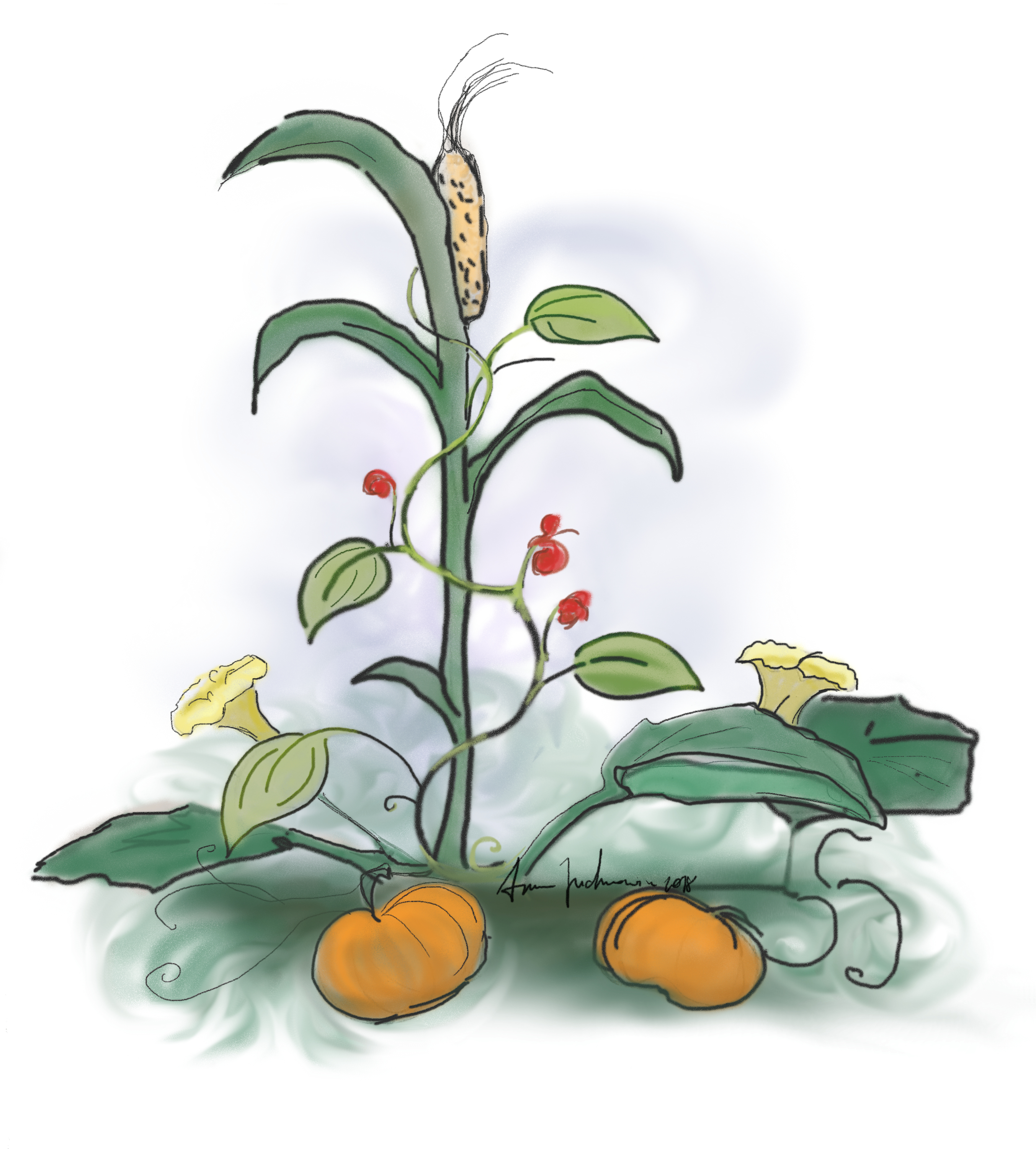
They also developed a smart way of planting called the "Three Sisters." They planted corn, beans, and squash together in the same mound. The corn grew tall to give the beans a pole to climb. The beans added nutrients to the soil. The large squash leaves shaded the ground to keep the soil moist and stop weeds from growing.
Transportation
In the cold Arctic regions, the Inuit people needed a way to travel and hunt on the water. They invented the kayak. These were small, narrow boats made of wood or whalebone frames covered in animal skins. Today, people all over the world use kayaks for fun and sport, but the basic design is still the same as the original Inuit invention!
Medicine and Science
Native Americans were also the first to discover many medicines. For example, they used the bark of the willow tree to treat pain and fevers. Scientists later discovered that willow bark contains the same active ingredient found in modern aspirin. They also invented syringes made from animal bladders and hollow bird bones to give medicine to people who were sick.
Everyday Inventions
Did you know that rubber was a Native American invention? People in Central and South America discovered how to take sap from rubber trees and turn it into bouncy balls and waterproof shoes. Other common items like hammocks, snowshoes, and even chewing gum were first created by Indigenous peoples.

Worksheet Activities
Activity 1: Vocabulary Matching
Match the invention on the left to its description on the right by drawing a line.
Invention | Description |
|---|---|
1. Kayak | A. A planting method using three different crops. |
2. Willow Bark | B. A material first used to make bouncy balls. |
3. Three Sisters | C. A narrow boat invented by the Inuit people. |
4. Rubber | D. A natural remedy used to create modern aspirin. |
Activity 2: Multiple Choice
Circle the correct answer for each question.
- Which crop did Native American farmers create by breeding wild grass? A. Wheat B. Corn C. Rice D. Potatoes
- Why did the Inuit people invent the kayak? A. To race in the Olympics B. To hunt and travel on the water C. To carry heavy logs across land D. To use as a floating bed
Activity 3: The Three Sisters
Look at Figure 2 (the diagram) and use the reading passage to answer the following question.
Explain one way the squash plant helps the corn and beans grow:
Activity 4: Then and Now
Choose one invention from the reading passage (like the kayak, snowshoes, or rubber). In the boxes below, draw what the invention might have looked like long ago and what it looks like today.
:::column-layout
:::column
Then (Ancient Invention)
[ ]
[ ]
[ ]
[ ]
[ ]
:::
:::column
Now (Modern Version)
[ ]
[ ]
[ ]
[ ]
[ ]
:::
:::