Generated with Monsha
Save this resource to edit, expand, or export it, or create more resources for free.
Asexual Reproduction in Plants
Anything
grade 5
English
Asexual Reproduction in Plants
Lesson Plan: Asexual Reproduction in Plants
Subject: Science
Grade Level: 5
Duration: 60 Minutes
Lesson Overview
In this lesson, students will explore how some plants reproduce without seeds. They will identify different types of asexual reproduction, such as runners, tubers, and bulbs, and understand that the offspring are genetically identical to the parent plant (clones).
Learning Objectives
By the end of this lesson, students will be able to:
- Define asexual reproduction in plants.
- Identify and describe three natural methods of asexual reproduction: runners, tubers, and bulbs.
- Explain that asexual reproduction results in offspring that are identical to the parent plant.
Key Vocabulary
- Asexual Reproduction: A process where a new plant grows from a part of a single parent plant without the use of seeds.
- Clone: An organism that is a genetically identical copy of its parent.
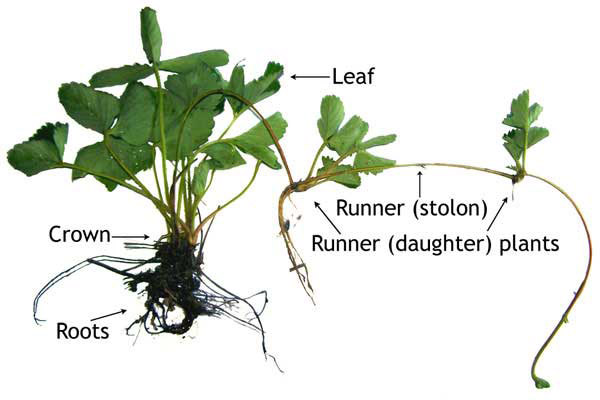
- Runner (Stolon): A stem that grows horizontally along the ground and sprouts new plants at certain points.
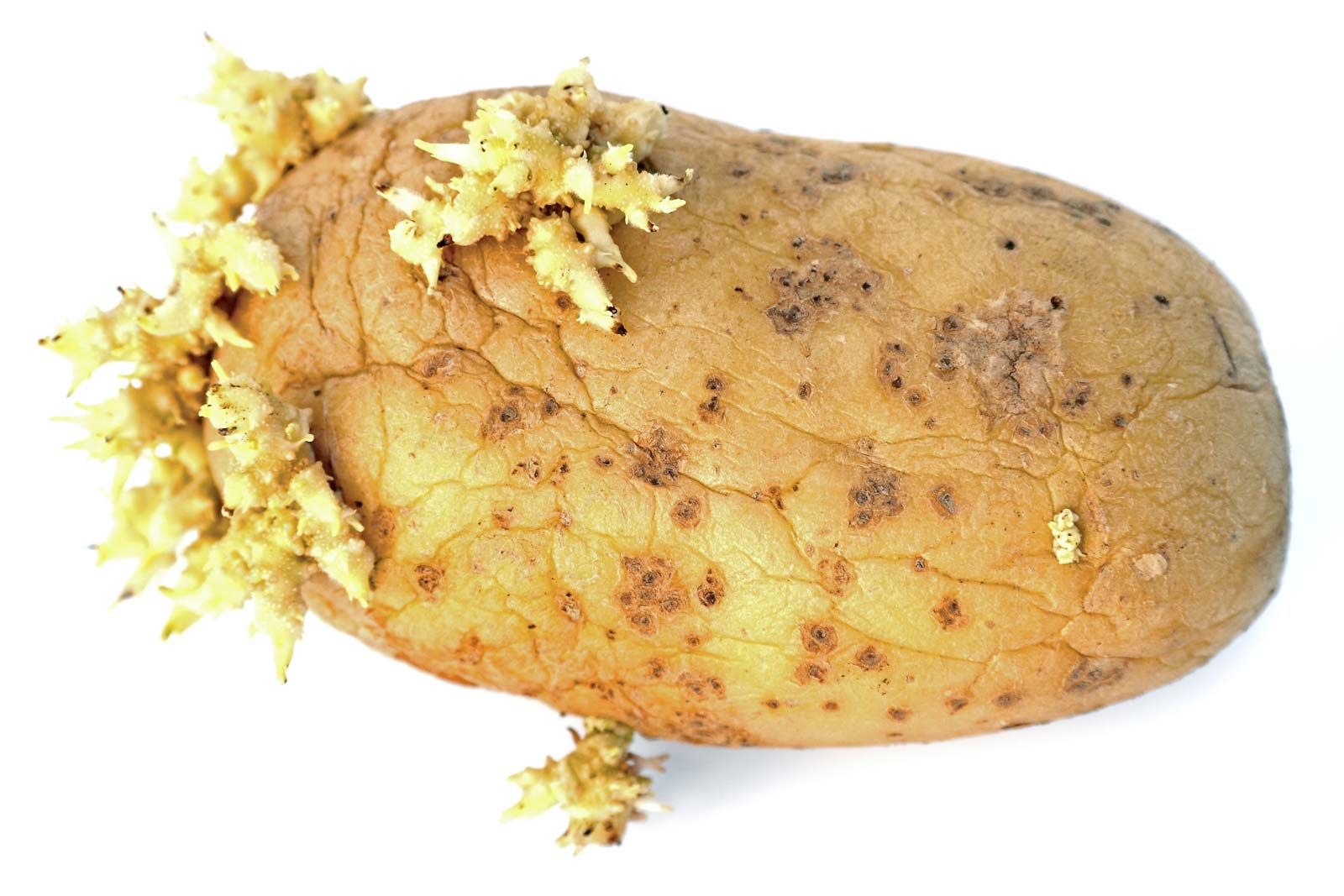
- Tuber: A thickened underground part of a stem or root, like a potato, that stores food and can grow into a new plant.
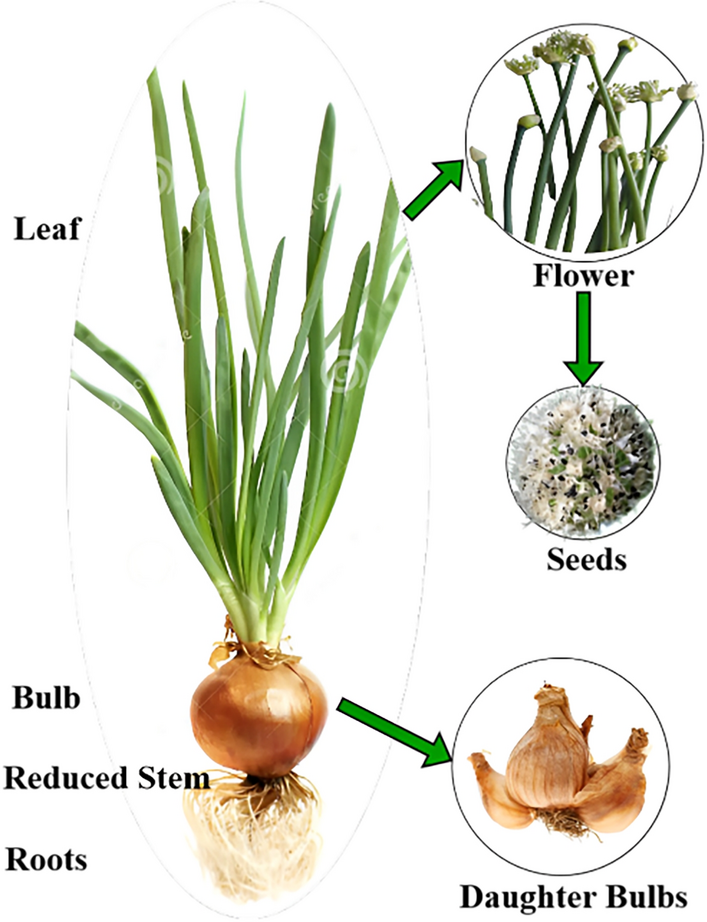
- Bulb: A rounded underground storage organ (like an onion) containing the plant's food and a baby plant.
Materials Needed
- Real specimens: A potato with "eyes," an onion, and (if possible) a strawberry plant or ivy.
- Magnifying glasses.
- Student science journals.
- Images of plant reproduction (included below).
Lesson Procedure
1. The Hook: The Potato Mystery (10 Minutes)
- Show the class a potato that has started to sprout (has "eyes").
- Ask: "If we wanted to grow a new potato plant, do we have to start with a seed? What do you think these sprouts are?"
- Allow students to share their ideas. Explain that many plants don't need seeds or two parents to make a 'baby' plant; they can essentially clone themselves.
2. Direct Instruction: Nature's Clones (15 Minutes)
- Introduction: Contrast sexual reproduction (using pollen and seeds) with asexual reproduction (using plant parts). Highlight that in asexual reproduction, there is only one parent.
- Method 1: Runners. Explain how plants like strawberries send out "runners" that take root nearby.
- Method 2: Tubers. Explain that potatoes store energy underground in tubers. Each "eye" can become a new plant.
- Method 3: Bulbs. Discuss how onions or tulips grow from bulbs that split or grow smaller "bulblets."
3. Visual Exploration (10 Minutes)
Use the following images to help students visualize these processes:
4. Guided Practice: Specimen Investigation (15 Minutes)
- Divide students into small groups.
- Provide each group with a potato and an onion.
- Task: Students use magnifying glasses to observe the "eyes" on the potato and the layers/roots of the onion.
- In their journals, they should draw one specimen and label the part that allows it to reproduce asexually.
5. Independent Practice & Closure (10 Minutes)
- Exit Ticket: Ask students to write down one advantage of a plant reproducing asexually (e.g., it's faster, no need for a pollinator) and one disadvantage (e.g., if a disease hits, all identical plants might die).
- Summarize: Remind students that these plants are creating clones of themselves to ensure their survival.
Assessment
- Formative: Observation of group discussions and journal drawings.
- Summative: Review of the Exit Ticket for understanding of the concept of cloning and the specific methods (runners, tubers, bulbs).
Extensions
- Classroom Experiment: Place a potato in a jar of water (suspended by toothpicks) or plant a cutting of a houseplant (like a Pothos) in water to watch roots develop.
- Research: Have students look up "Grafting" and how humans use asexual reproduction to grow specific types of apples or roses.
Supplementary Materials
To further explore the world of plant reproduction, check out these curated resources:
📺 Videos
- Asexual Reproduction in Plants (Bulbs, Runners, Tubers) An excellent visual guide to how plants like strawberries and potatoes reproduce without seeds.
🎮 Interactive Learning
- Plant Reproduction Strategies Game Become a scientist and discover how plants ensure their survival through different reproductive methods.
- Asexual Reproduction in Plants - Interactive Lesson Includes a starter quiz and a digital worksheet for a deep dive into the topic.
📖 Further Reading
- Plant Reproduction - Teaching Wiki A child-friendly explanation of vegetative propagation and plant clones.