Generated with Monsha
Mastering Three-Digit Addition: Strategies for Success
Lesson Plan · Grade 3 · English
Mastering Three-Digit Addition: Strategies for Success
Lesson Plan: Three-Digit Addition Within 1,000
Duration: 45 Minutes
Grade Level: Grade 3
Subject: Mathematics
Standard: CCSS 3.NBT.A.2: Fluently add and subtract within 1,000 using strategies and algorithms based on place value, properties of operations, and/or the relationship between addition and subtraction.
I. Lesson Objective
Students will be able to add two three-digit numbers within 1,000 by applying three distinct strategies: base-ten drawings, open number lines, and the standard algorithm.
II. Materials
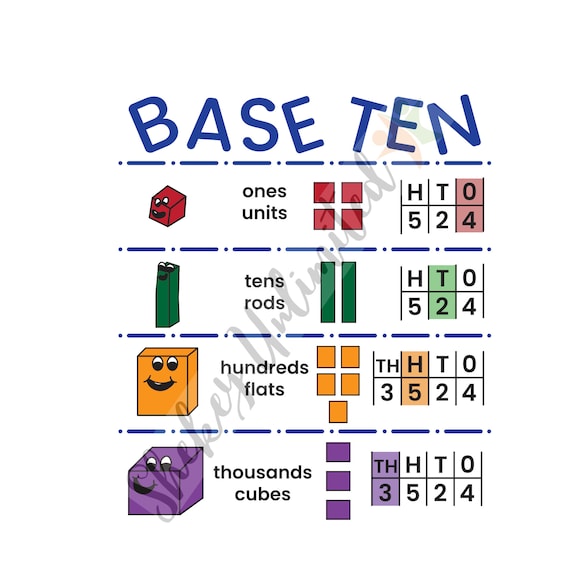
- Base-ten blocks (hundreds flats, tens rods, ones units)
- Individual whiteboards and markers
- Strategy Reference Sheet (Worksheet)
- Exit Ticket slips
III. The Hook: Strategy Showdown (5 mins)
Present the problem: 345 + 127.
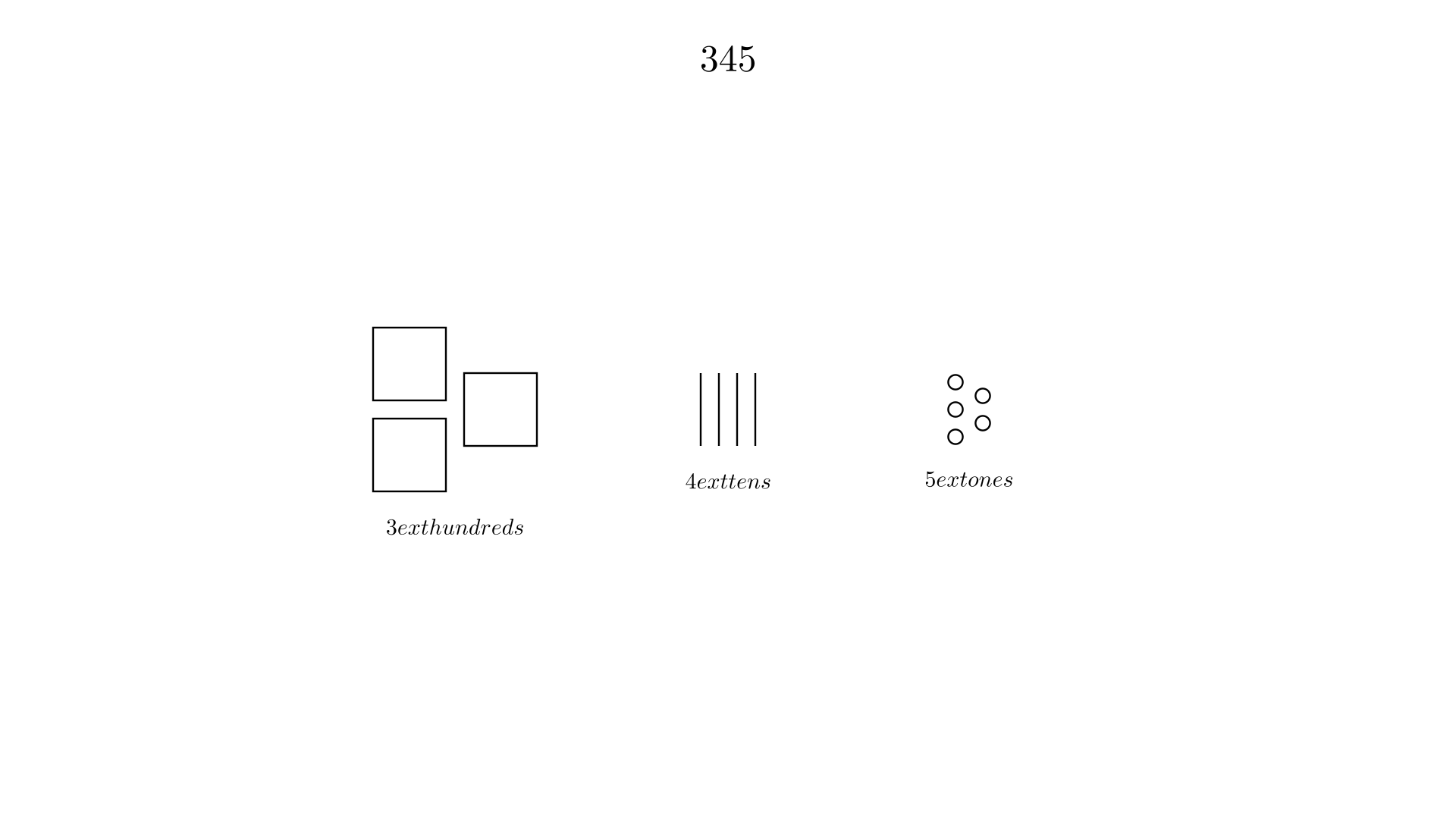
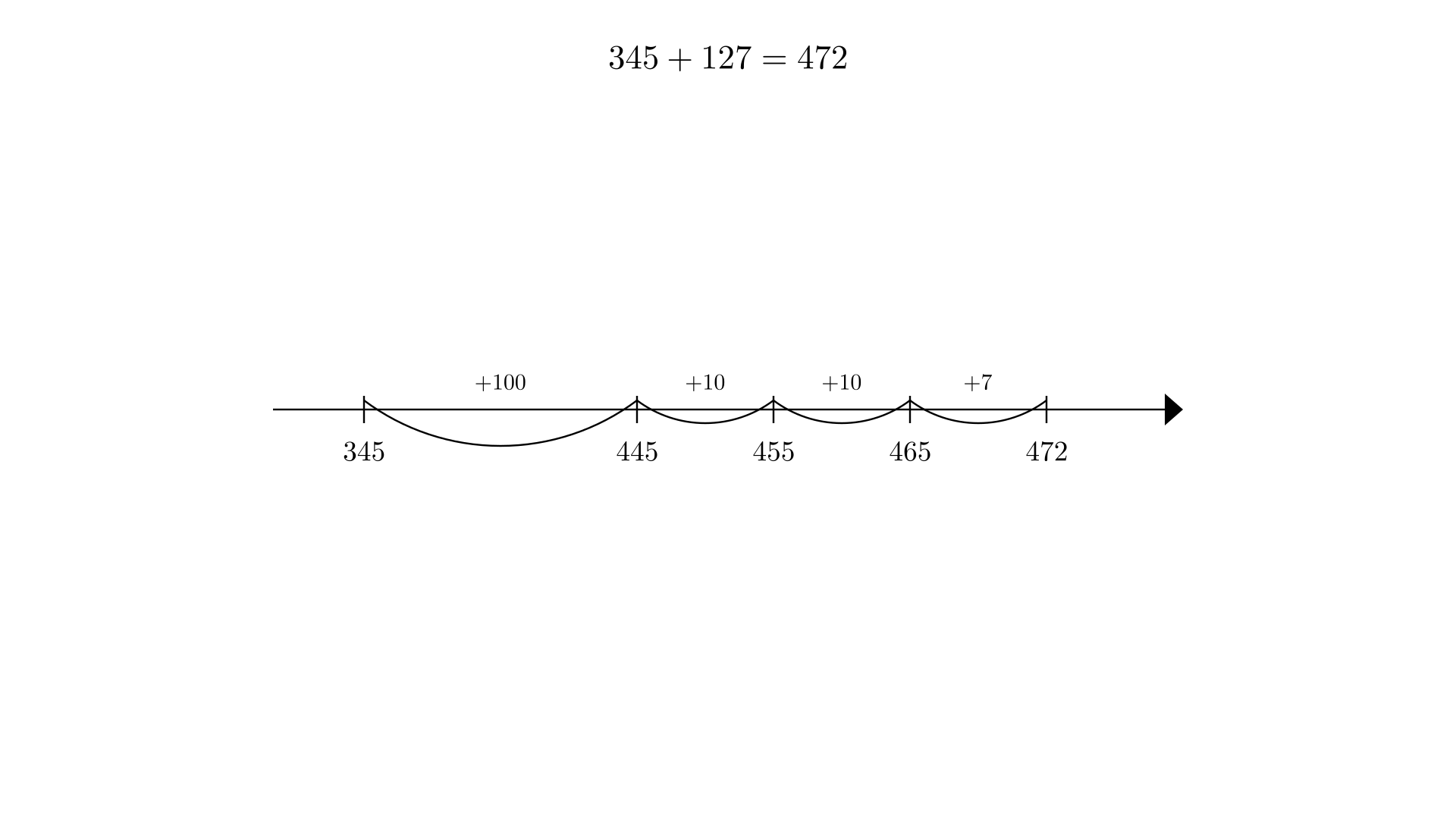
Show two different ways to solve it side-by-side (using the visuals below). Ask students: "Which one looks easier to you? Why?" Discuss how the base-ten drawing helps us 'see' the numbers, while the number line helps us 'jump' through the numbers.
Strategy A: Base-Ten Drawing
Strategy B: Open Number Line
IV. Gradual Release Instruction (30 mins)
1. Direct Instruction (I Do): Base-Ten Drawings (10 mins)
- Goal: Connect concrete blocks to representational drawings.
- Modeling: Solve .
- Draw 2 squares (hundreds), 5 lines (tens), and 8 dots (ones).
- Draw 1 square, 3 lines, and 4 dots.
- Key Concept: Regrouping. Circle 10 dots to make a new line. Count the total: 3 hundreds, 9 tens, 2 ones = 392.
2. Guided Practice (We Do): Open Number Line (10 mins)
- Goal: Efficiently skip-count by place value.
- Practice: .
- Start at 456. Jump +200 (to 656), then +30 (to 686), then +5 (to 691).
- Check for Understanding: Have students show their "jumps" on whiteboards.
3. Independent Practice (You Do): Standard Algorithm (10 mins)
- Goal: Fluency and precision.
- Introduce lining up place values. Solve .
- Students complete the Addition Strategy Worksheet provided below.
V. Differentiation & EL Scaffolds
Tier | Strategy/Scaffold |
|---|---|
Tier 1 (Support) | Provide pre-drawn base-ten grids; use 2-digit addition first to build confidence. |
Tier 2 (Targeted) | Focus on regrouping transitions; use color-coded columns for hundreds, tens, and ones. |
Tier 3 (Extension) | Solve 3-digit addition word problems with missing addends (e.g., ). |
EL Scaffold | Sentence Frames: "First, I added the ______. I had to regroup because ______." Use visual vocabulary cards for Sum, Regroup, Addend. |
VI. Exit Ticket (5 mins)
- Which is the correct sum for 482 + 219 using the standard algorithm? A. 701 B. 711 C. 601 D. 691
- When using a number line to solve 350 + 120, what is the most efficient first jump? A. Jump +20 B. Jump +100 C. Jump +1 D. Jump +10
VII. Embedded Worksheet
Name:
Date:
Sequence Chain: Addition Strategy Practice
Solve the problem 456 + 287 using the sequence of strategies we learned today.
1. Base-Ten Drawing
2. __________
3. Standard Algorithm
Stage 1: Sketch your base-ten blocks (remember to regroup!):
Stage 2: Draw your number line and show your jumps:
Stage 3: Solve using vertical alignment: