Generated with Monsha
Save this resource to edit, expand, or export it, or create more resources for free.
Animal Classification: One Shot Revision
Anything
Class 10
English
Animal Classification: One Shot Revision
Animal Classification
SSC Class 10 | Maharashtra Board | One Shot Revision
Slide 1: Introduction to Animal Diversity
- There are approximately 7 million species of animals on Earth according to a recent study.
- It is impossible to study each species individually.
- Animal Classification: Grouping of animals into groups and sub-groups based on their similarities and differences.
Slide 2: Benefits of Animal Classification
- Easy to Study: Study of a few animals from a group helps understand the entire group.
- Evolutionary Understanding: Provides an idea about animal evolution from simple to complex.
- Accurate Identification: Animals can be identified with great accuracy (e.g., Identifying a Bat as a mammal, not a bird).
- Environmental Role: Helps understand the exact role of an animal in nature and its relationship with other living organisms.
Slide 3: Traditional Method of Classification
Historically, animals were classified into two sub-kingdoms based on the presence or absence of a notochord (a rod-like supporting structure).

Slide 4: Distinguish: Non-Chordates vs. Chordates
Feature | Non-Chordates | Chordates |
|---|---|---|
Notochord | Absent | Present |
Nerve Cord | Present on the Ventral side; it is paired and solid. | Present on the Dorsal side; it is single and hollow. |
Gill Slits | Absent | Present at least in the embryonic stage. |
Heart | If present, it is on the Dorsal side. | Always present on the Ventral side. |
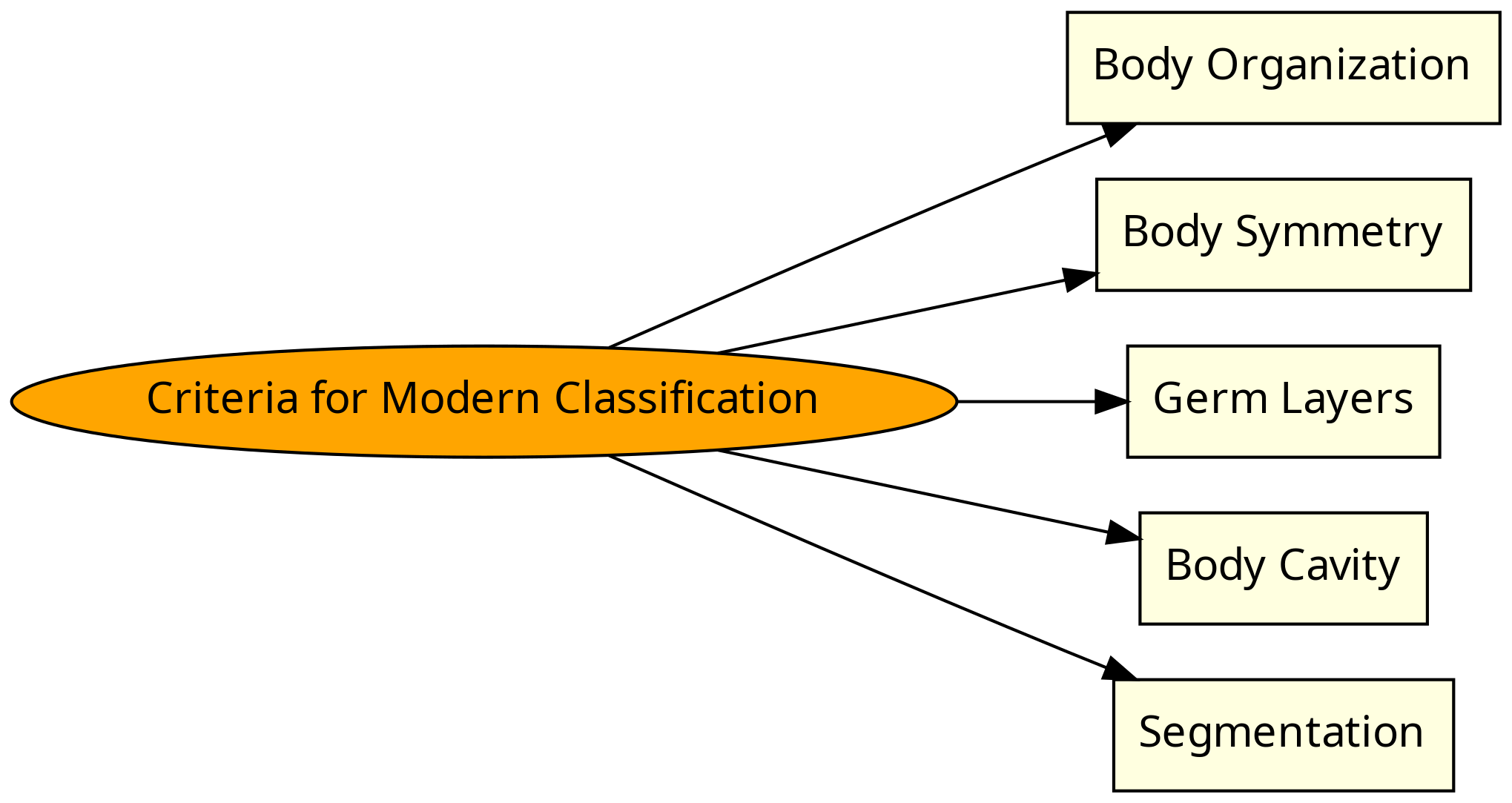
Slide 5: Criteria for Modern Classification
Modern classification uses a "New System" based on several biological parameters:
Slide 6: Body Symmetry
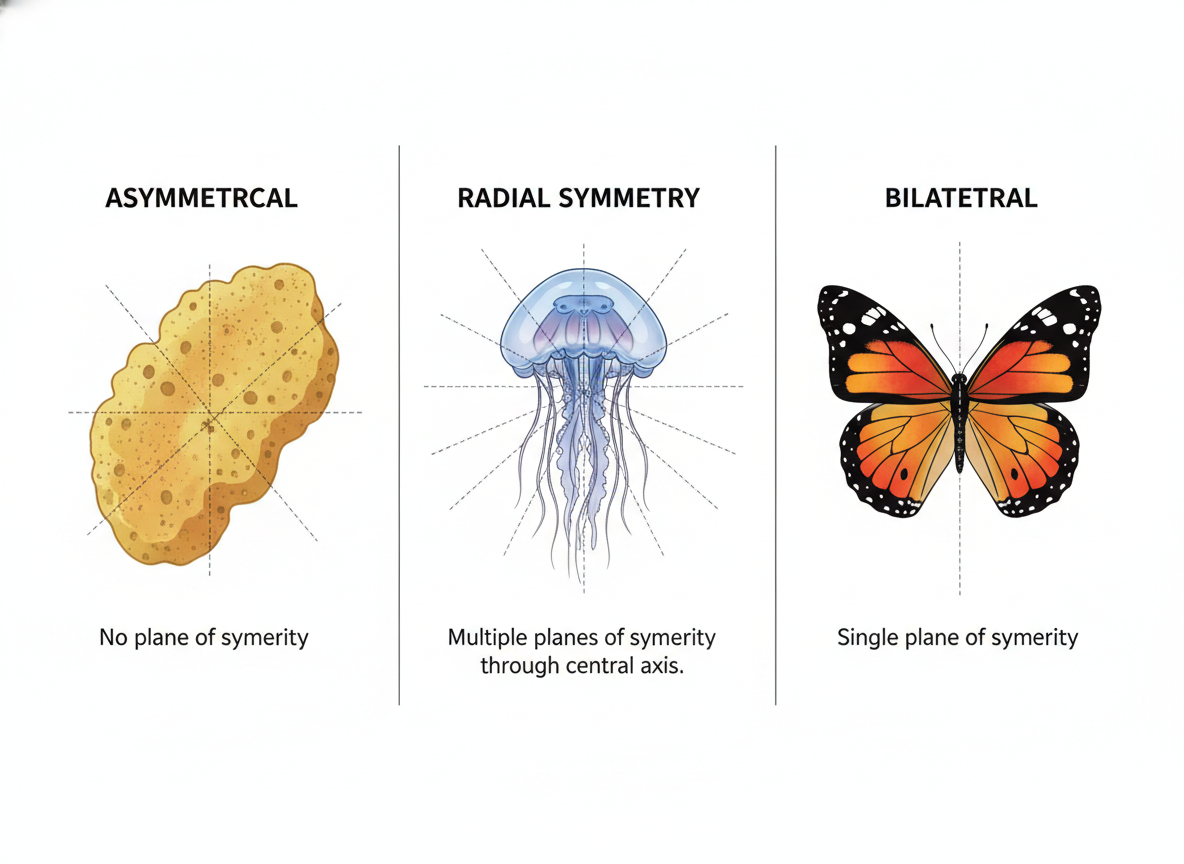
- Asymmetrical: Body cannot be divided into two equal halves by any imaginary axis (e.g., Sponges).
- Radial Symmetry: Body can be divided into two equal halves by any plane passing through the central axis (e.g., Starfish, Hydra).
- Bilateral Symmetry: Body can be divided into two equal halves only by one imaginary axis (e.g., Insects, Fish, Humans).
Slide 7: Germ Layers (Diploblastic & Triploblastic)
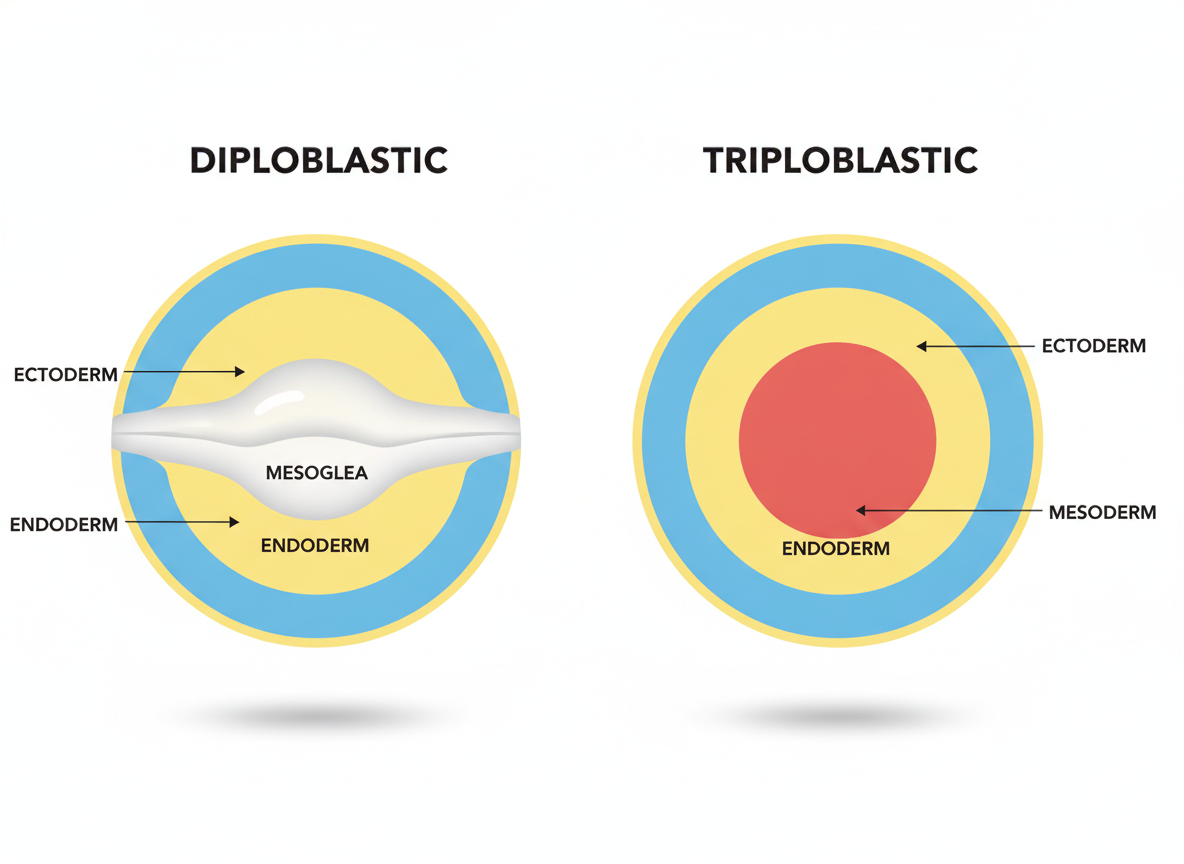
During embryonic development, layers of cells are formed which give rise to all tissues and organs.
- Diploblastic: Only two layers (Ectoderm and Endoderm). Example: Cnidaria.
- Triploblastic: Three layers (Ectoderm, Mesoderm, and Endoderm). Example: All phyla from Platyhelminthes onwards.
Slide 8: Body Cavity (Coelom)
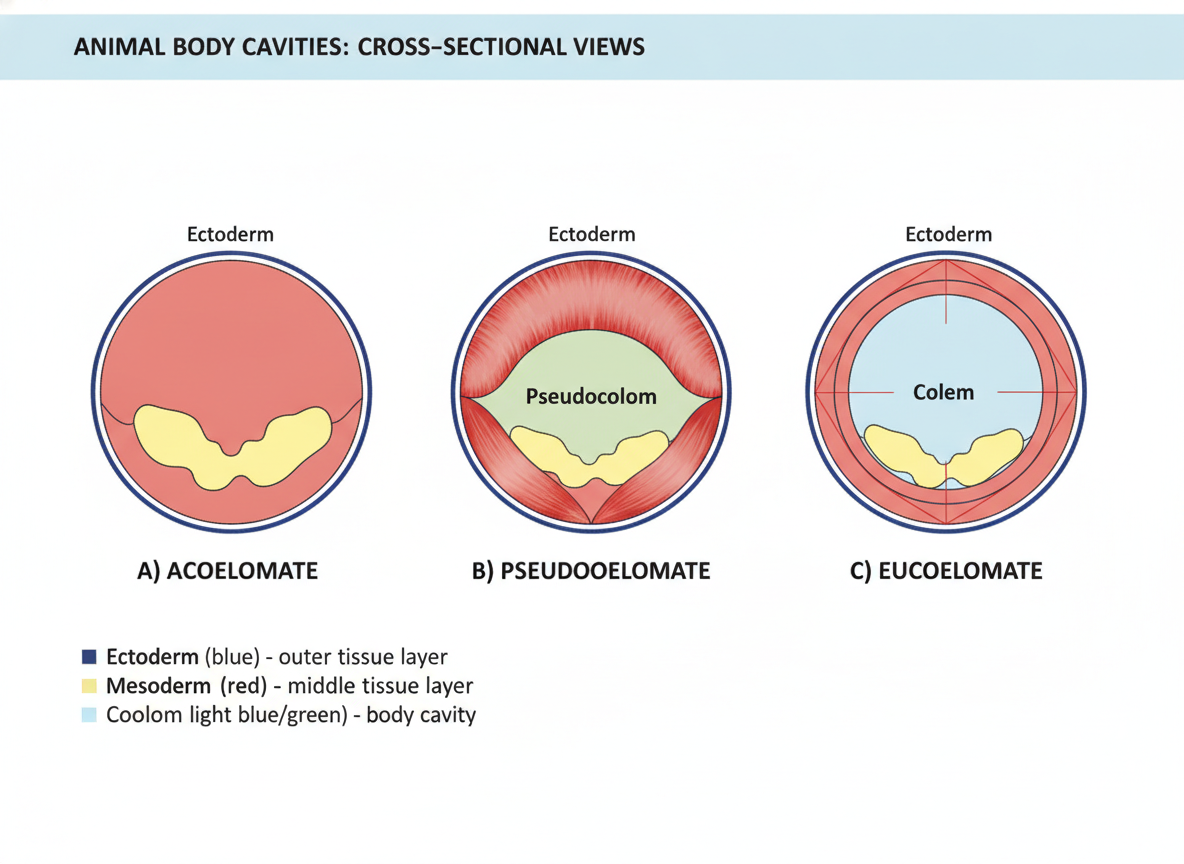
- Eucoelomate (True Coelom): Body cavity present between body wall and internal organs, lined by mesoderm (e.g., Annelida to Chordata).
- Pseudocoelomate (False Coelom): Body cavity is present but not lined by mesoderm (e.g., Aschelminthes).
- Acoelomate: Body cavity is absent (e.g., Porifera, Cnidaria, Platyhelminthes).
Slide 9: Phylum Porifera (Sponges)
- Structure: Simplest body organization with numerous pores called Ostia (water intake) and Osculum (water exit).
- Special Cells: Possess Choanocytes (collar cells) with flagella to create water current.
- Habitat: Mostly marine, some are freshwater.
- Movement: Sedentary (attached to a substrate, no locomotion).
- Reproduction: Asexual (budding/fragmentation) and sexual.
- Examples: Sycon, Euspongia (Bath sponge), Hyalonema.
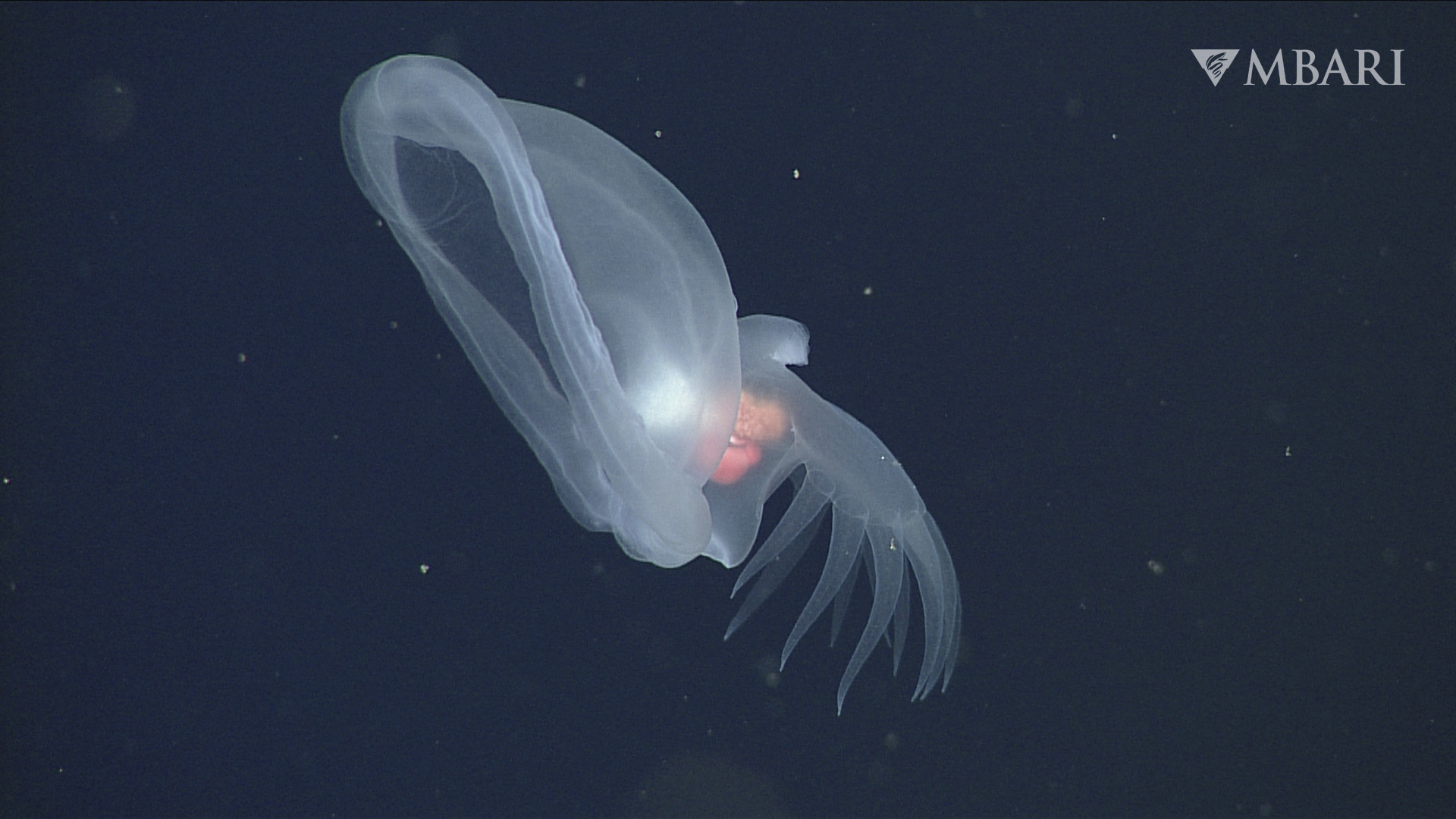
Slide 10: Phylum Cnidaria / Coelenterata
- Forms: Polyp (cylindrical, sedentary) or Medusa (umbrella-like, free-swimming).
- Special Cells: Cnidoblasts on tentacles used for defense and paralyzing prey.
- Symmetry: Radial.
- Organization: Tissue grade, Diploblastic.
- Examples: Hydra (Polyp), Aurelia (Jellyfish - Medusa), Physalia (Portuguese man-of-war).
Slide 11: Phylum Platyhelminthes (Flatworms)
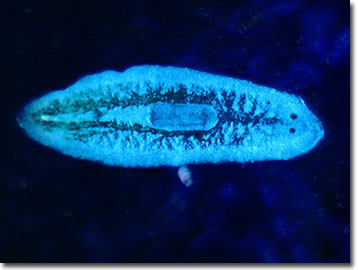
- Body Shape: Slender and leaf-like or ribbon-like flat body.
- Lifestyle: Mostly Endoparasites; few are free-living.
- Organization: Triploblastic, Acoelomate.
- Special Feature: Hermaphrodite (male and female reproductive systems in the same body).
- Examples: Planaria (Free-living), Liver fluke, Tapeworm.
Slide 12: Phylum Aschelminthes (Roundworms)
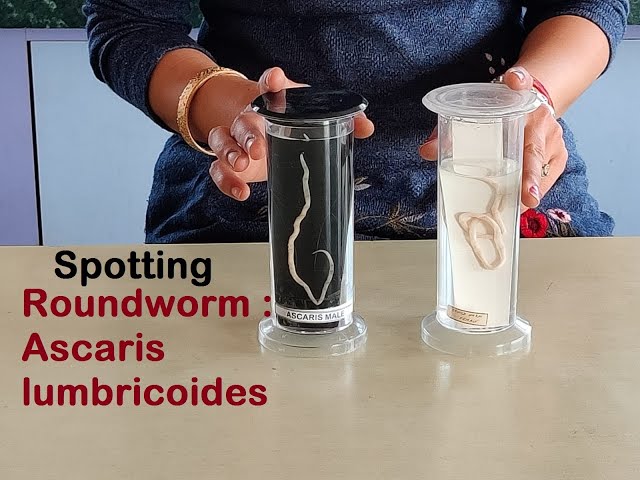
- Body Shape: Long, thread-like or cylindrical; non-segmented.
- Organization: Triploblastic, Pseudocoelomate.
- Protection: Covered with a tough cuticle.
- Lifestyle: Mostly parasites; can be free-living in soil/water.
- Reproduction: Unisexual (Separate males and females).
- Examples: Ascaris (Intestinal worm), Filarial worm (Elephantiasis), Loa loa (Eye worm).
Slide 13: Phylum Annelida (Segmented Worms)
- Body Shape: Long, cylindrical, and divided into ring-like segments (metamerism).
- Organization: Triploblastic, Eucoelomate (True coelom).
- Locomotion: Setae, parapodia, or suckers.
- Symmetry: Bilateral.
- Examples: Earthworm, Leech (Ectoparasite), Nereis.
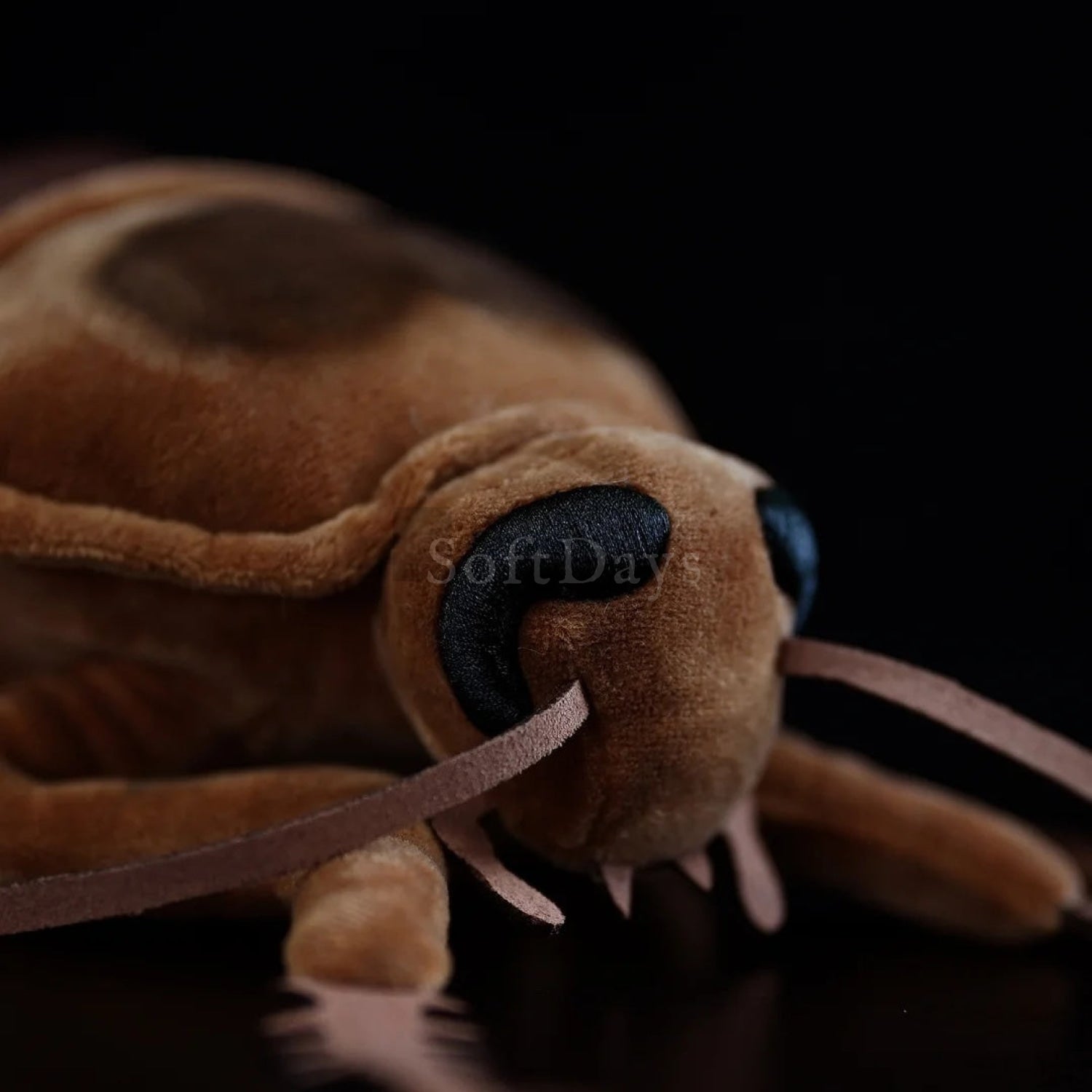
Slide 14: Phylum Arthropoda
- Rank: Largest phylum in the animal kingdom.
- Structure: Animals with jointed appendages (legs).
- Exoskeleton: Tough, chitinous exoskeleton.
- Habitat: Found in all possible habitats (air, land, water).
- Segmentation: Body is segmented into head, thorax, and abdomen.
- Examples: Cockroach, Crab, Spider, Scorpion, Butterfly.
Slide 15: Phylum Mollusca
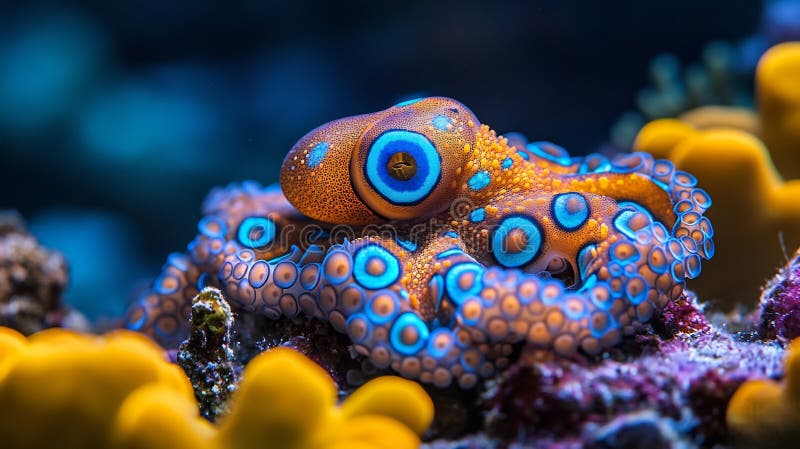
- Rank: Second largest phylum.
- Body Type: Soft-bodied, slimy, non-segmented.
- Structure: Divided into Head, Foot, and Visceral mass.
- Mantle: Visceral mass is covered by a fold of skin called mantle.
- Shell: Mantle secretes a hard calcareous shell (external or internal).
- Examples: Snail, Octopus, Bivalve (Oyster).
Slide 16: Phylum Echinodermata
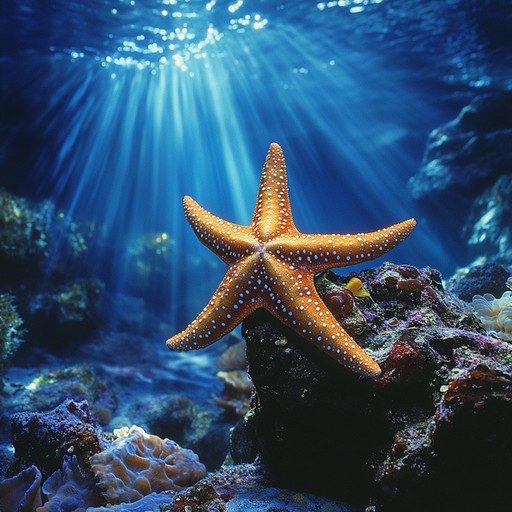
- Meaning: Spiny-skinned animals.
- Skeleton: Calcareous spines/plates on the skin.
- Locomotion: Using Tube feet (part of water vascular system).
- Symmetry: Bilateral in larvae; Radial (Pentaradial) in adults.
- Regeneration: High power of regeneration.
- Examples: Starfish, Sea urchin, Sea cucumber.
Slide 17: Phylum Hemichordata
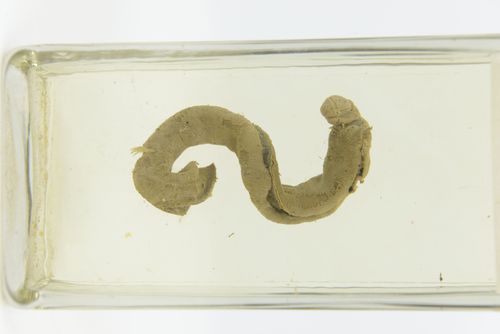
- Meaning: Half-chordates; considered a connecting link between non-chordates and chordates.
- Structure: Body divided into Proboscis, Collar, and Trunk.
- Notochord: Present only in the proboscis region.
- Examples: Balanoglossus, Saccoglossus.
Slide 18: Phylum Chordata and Sub-phyla
Phylum Chordata is further divided into three sub-phyla:
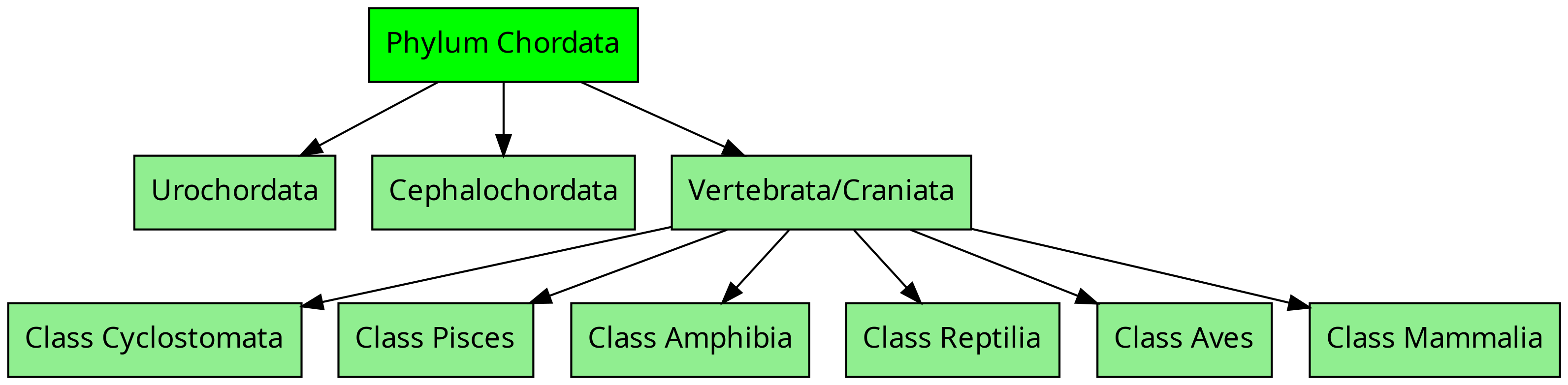
- Urochordata: Notochord present only in tail of larva.
- Cephalochordata: Notochord throughout the body length.
- Vertebrata/Craniata: Notochord replaced by a vertebral column; Brain protected by a cranium (skull).
Slide 19: Classes of Vertebrata (Part 1)
1. Class Cyclostomata (Jawless Fish)
- Jawless mouth with suckers.
- Ectoparasites on other fish.
- Soft skin without scales.
- Example: Petromyzon.
2. Class Pisces (Fishes)
- Cold-blooded (Poikilothermic): Body temp changes with environment.
- Spindle-shaped body: Reduces water resistance.
- Locomotion: Fins (paired and unpaired).
- Respiration: Gills.
- Examples: Rohu, Pomfret, Shark (Cartilaginous).
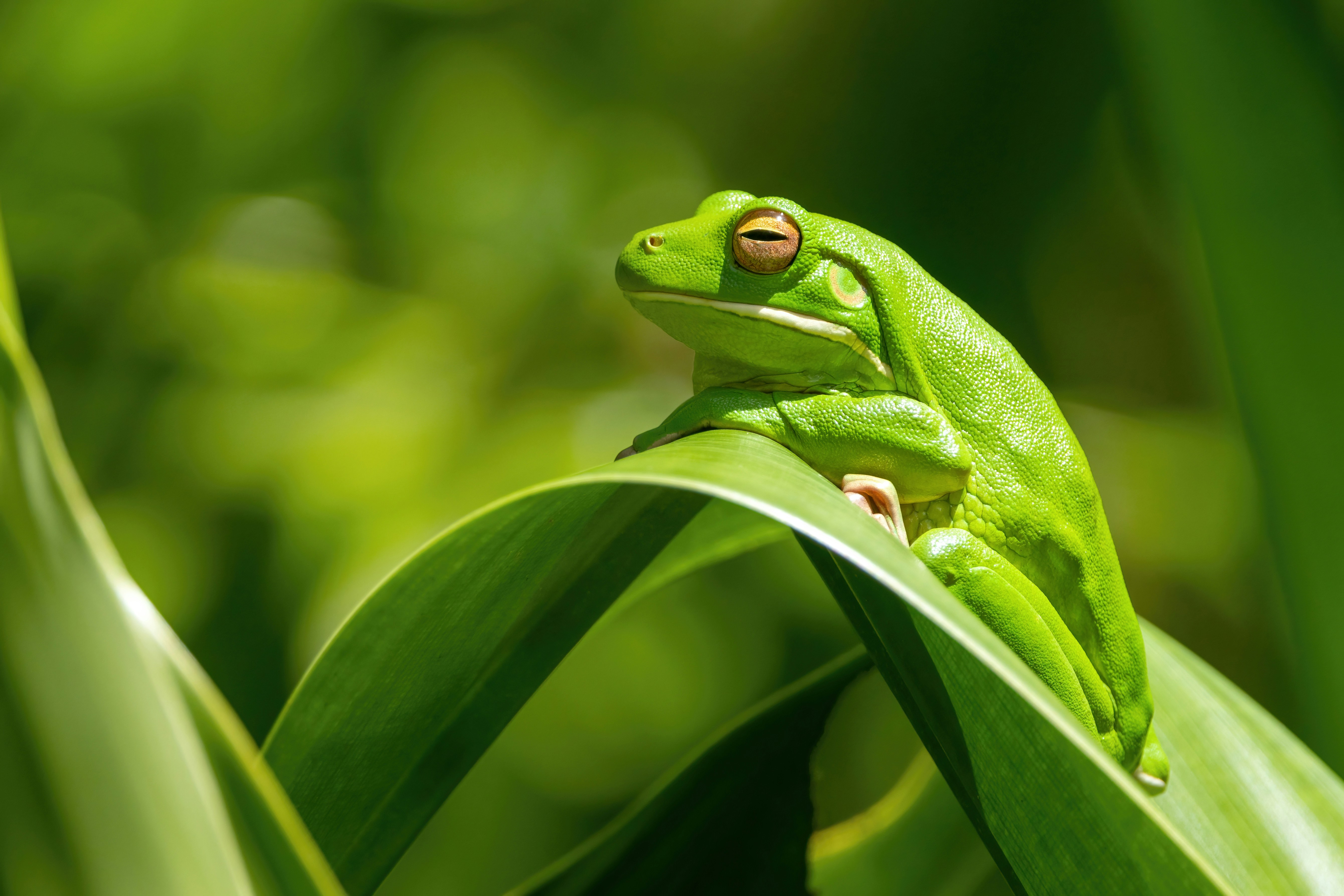
3. Class Amphibia
- Larvae are aquatic (gills); Adults can be aquatic or terrestrial (lungs/skin).
- Moist skin (no scales) used for breathing in water.
- Two pairs of limbs; no neck.
- Examples: Frog, Toad, Salamander.
Slide 20: Classes of Vertebrata (Part 2)
4. Class Reptilia
- First true terrestrial vertebrates.
- Creeping/Crawling movement (cannot lift body high).
- Dry and scaly skin.
- Neck is present.
- Examples: Wall lizard, Snake, Tortoise.
5. Class Aves (Birds)
- Warm-blooded (Homeothermic): Maintain constant body temp.
- Forelimbs modified into wings for flight.
- Exoskeleton of feathers; digits have scales and claws.
- Jaws modified into a toothless beak.
- Examples: Pigeon, Parrot, Peacock, Ostrich.
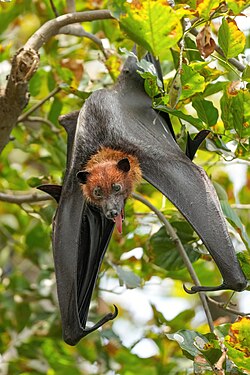
6. Class Mammalia
- Defining feature: Presence of Mammary glands (milk-producing).
- Body covered with hair/fur.
- Warm-blooded; digits with nails, claws, or hoofs.
- Examples: Human, Kangaroo, Elephant, Bat, Whale.
Slide 21: Summary and Important PYQs
- Largest Phylum: Arthropoda.
- Second Largest Phylum: Mollusca.
- Connecting Link: Balanoglossus (Non-chordate to Chordate).
- Water Vascular System: Echinodermata.
- Collar Cells: Porifera.
- Spindle Shape: Adaptation for aquatic/aerial life (Pisces, Aves).
Common Question: Why is a Whale a mammal and not a fish?
Answer: Whales have lungs (not gills), they give birth to young ones (not eggs), and possess mammary glands.