Generated with Monsha
The Cinematic Lens: How WWII Films Shape Collective Memory
Adaptive Reading Passage · Grade 12 · English
The Cinematic Lens: How WWII Films Shape Collective Memory
For the modern audience, the beaches of Normandy and the ruins of Stalingrad are rarely encountered through primary source documents or academic monographs; instead, they are experienced through the high-definition, immersive lens of cinema. While World War II films serve as powerful tools for fostering historical empathy, their inherent tendency toward "Hollywoodization" often prioritizes narrative satisfaction over historical nuance, potentially distorting the public’s understanding of the conflict’s true complexity.
Proponents of war cinema argue that films like Saving Private Ryan (1998) or Dunkirk (2017) provide a "visceral realism" that text alone cannot achieve. By placing the viewer in the boots of a soldier, these films create an emotional connection—a form of affective history—that makes the past feel immediate and relevant. This visceral engagement is often credited with reviving public interest in the "Greatest Generation," ensuring that the sacrifices of the mid-20th century are not forgotten by younger generations. In this view, cinema acts as a necessary bridge between distant historical facts and modern human emotion.
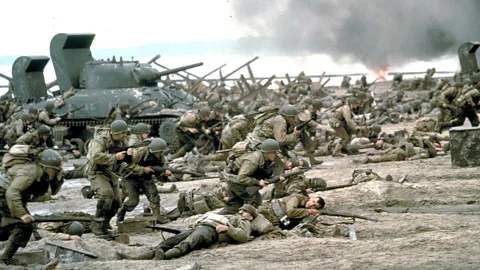
However, critics argue that this immersive experience comes at a significant cost: the simplification of history. To fit the constraints of a two-hour runtime, filmmakers often reduce the multifaceted political and social causes of the war into a binary of good versus evil. This "Hollywoodization" frequently results in the omission of critical perspectives. For example, while Christopher Nolan’s Dunkirk was praised for its technical brilliance, it was also critiqued for "whitewashing" the event by omitting the millions of Indian soldiers who served in the British military. Similarly, focusing on individual heroism can obscure the industrial-scale slaughter of the Eastern Front, where the majority of German casualties occurred but which rarely features in Western cinema.
Furthermore, the use of melodrama—as seen in Schindler’s List—can sanitize the most horrific aspects of the war. By focusing on stories of survival or heroic saviors, films may inadvertently offer a sense of closure or "redemption" that misrepresents the inescapable tragedy experienced by the vast majority of victims. Ultimately, while cinema is an invaluable gateway to history, it must be viewed with a critical eye. Grade 12 students and historians alike must distinguish between the emotional truth of a film and the rigorous, often uncomfortable, facts of historical record.