Generated with Monsha
Mastering the Modern Kitchen: Essential Culinary Ingredients and Techniques
Key Vocab Words · Grade 12 · English
Mastering the Modern Kitchen: Essential Culinary Ingredients and Techniques
Introduction
To excel in professional culinary arts or sophisticated home cooking, one must understand both the raw components and the transformative processes that create a dish. This list explores 30 essential terms—ranging from traditional Belarusian staples to advanced French techniques—providing the foundational knowledge required for Grade 12 culinary studies.
1. Draniki
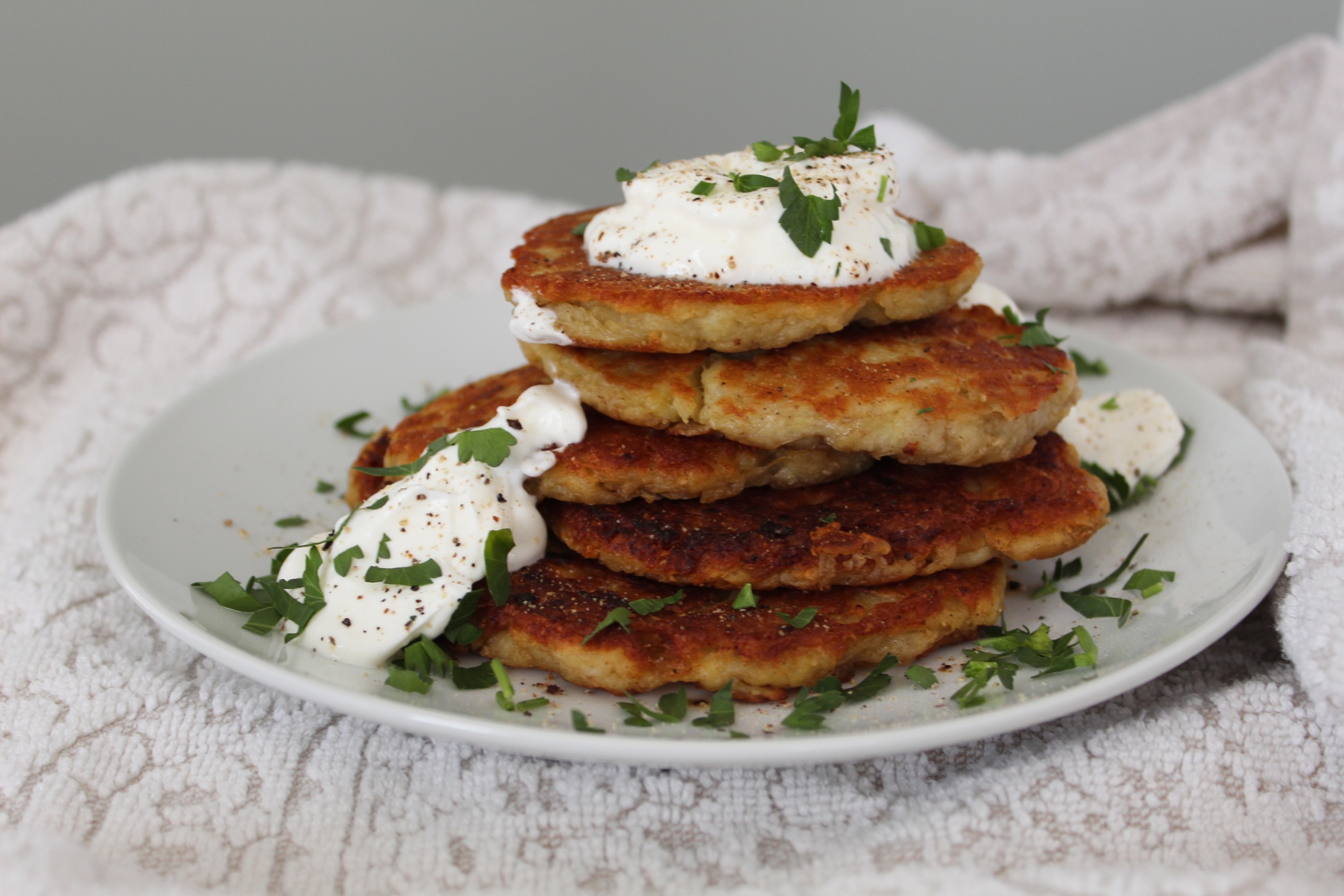
Explanation: Draniki are traditional Belarusian potato pancakes made from finely grated raw potatoes, often bound with a small amount of flour and egg. They are characterized by a golden, crispy exterior and a soft, starchy interior, representing a cornerstone of Eastern European comfort food.
Example: The chef served a modern rendition of Draniki topped with cold-smoked salmon and a dollop of herbaceous sour cream.
Context: While humble in origin, Draniki are increasingly featured in fine dining as a versatile base for gourmet toppings.
2. Syrniki
Explanation: Syrniki are pan-fried pancakes made from quark or cottage cheese, giving them a distinctively creamy texture and high protein content. They are a popular breakfast staple that balances sweetness with the natural tang of the cheese.
Example: For a balanced breakfast, the bistro offers Syrniki drizzled with local honey and garnished with fresh seasonal berries.
Context: In contemporary pastry arts, Syrniki are often refined using ricotta or whipped farmer's cheese to achieve a lighter, souffle-like consistency.

3. Machanka
Explanation: Machanka is a rich, savory Belarusian stew or thick sauce traditionally made with pork, sausage, and mushrooms. It is specifically designed as a dipping sauce, typically served alongside thick crepes or Draniki.
Example: The restaurant's signature Machanka features slow-braised pork belly in a velvety mushroom and onion gravy.
Context: This dish exemplifies the "dip and eat" communal dining tradition prevalent in Slavic culinary history.
4. Borodinsky
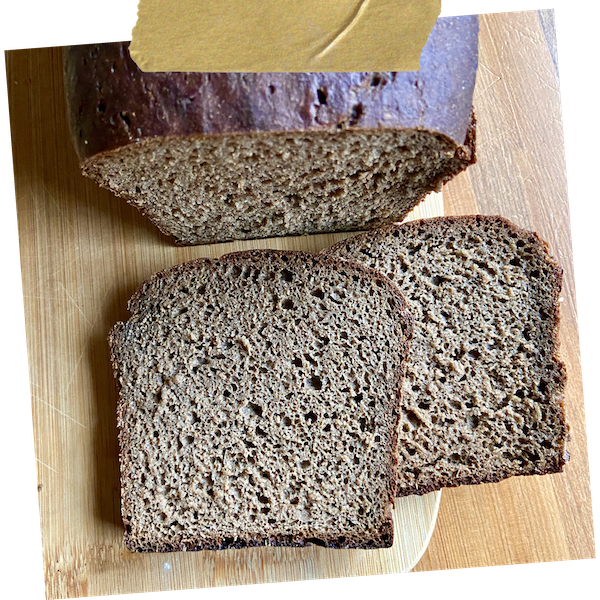
Explanation: Borodinsky is a dark, aromatic rye bread from the Russian and Belarusian tradition, famously flavored with molasses and crushed coriander seeds. It is known for its dense crumb, deep mahogany color, and complex bittersweet flavor profile.
Example: Thinly sliced Borodinsky bread provides a robust, spicy foundation for traditional lard (salo) or pickled herring appetizers.
Context: Due to its intense flavor, Borodinsky is often used by modern chefs to create savory crumbles or soil-like textures in plated dishes.
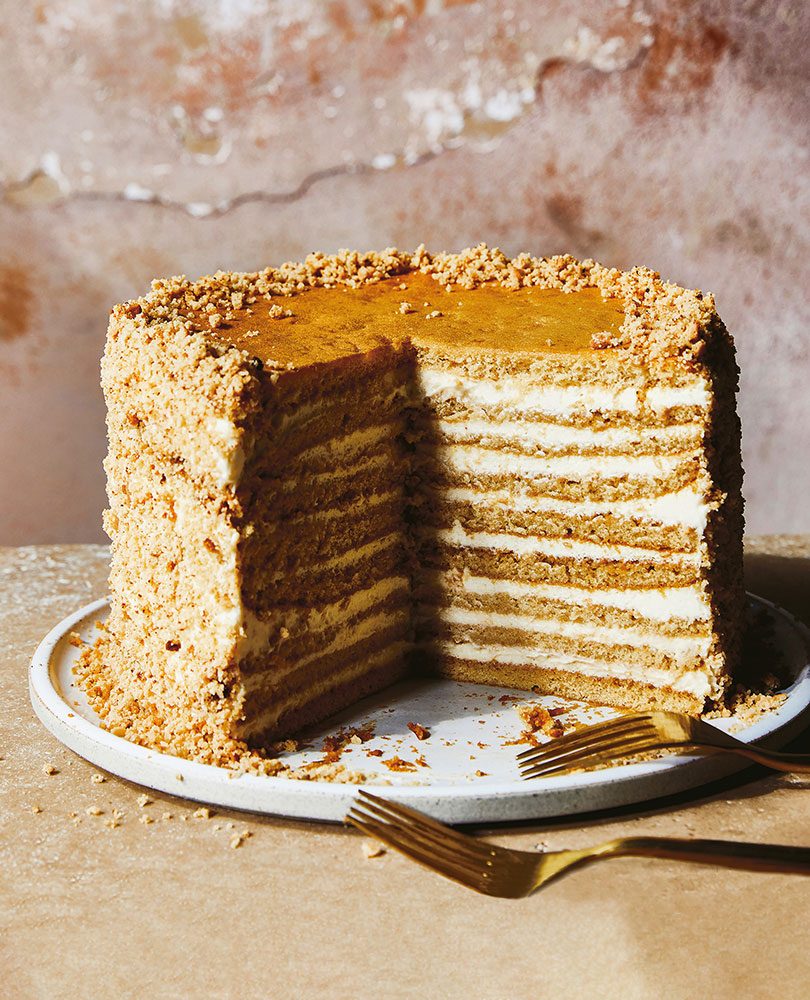
5. Medovik
Explanation: Medovik is a classic Eastern European honey cake consisting of multiple thin, biscuit-like layers alternated with a tangy sour cream or condensed milk frosting. Over time, the honey layers absorb the moisture from the cream, resulting in a soft, melt-in-the-mouth texture.
Example: The pastry chef reimagined the Medovik as a deconstructed dessert, featuring honey-soaked sponge and a light sea buckthorn mousse.
Context: Medovik is a labor-intensive dessert that showcases a pastry chef's ability to balance sweetness with acidity.
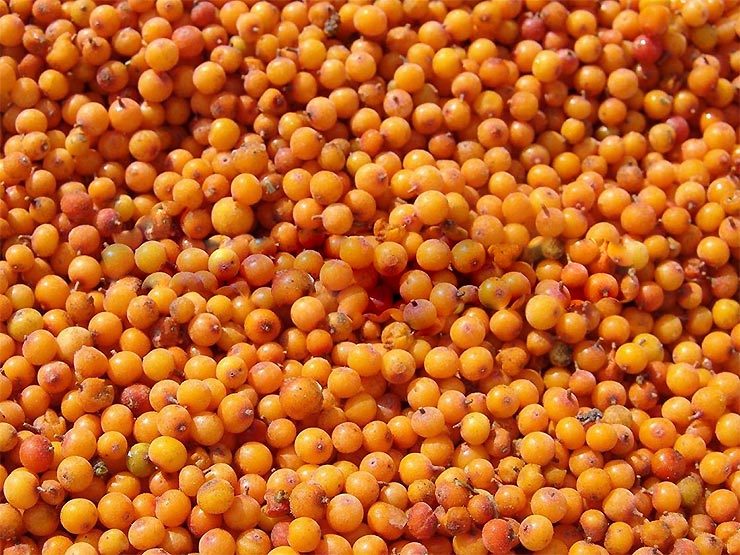
6. Oblepikha (Sea Buckthorn)
Explanation: Oblepikha, or sea buckthorn, is a bright orange berry known for its high concentration of vitamins and its sharp, citrusy acidity. In culinary applications, it is prized for its vibrant color and its ability to add a refreshing tartness to teas, sauces, and desserts.
Example: The winter menu features a warming Oblepikha tea infused with ginger and a hint of local honey.
Context: This "superfood" berry is a staple in Belarusian health-conscious dining and contemporary mixology.
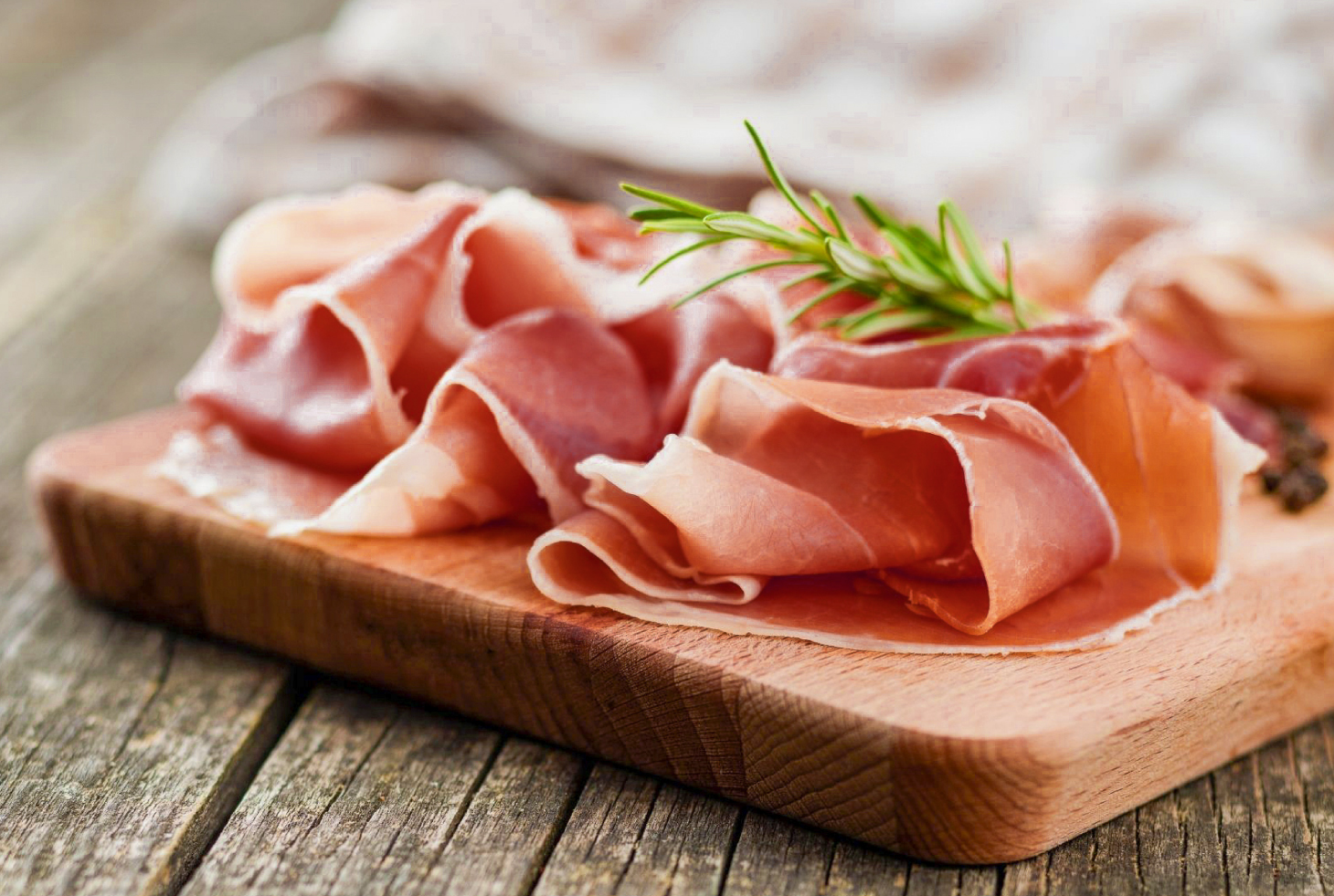
7. Prosciutto
Explanation: Prosciutto is an Italian dry-cured ham that is usually thinly sliced and served raw. The curing process involves salting the meat and aging it for several months, resulting in a delicate, salty flavor and a buttery texture.
Example: A platter of Prosciutto paired with fresh figs and balsamic glaze is a classic example of the sweet-and-savory flavor profile.
Context: In professional kitchens, Prosciutto is used as a sophisticated garnish to add depth and saltiness to salads or pasta.
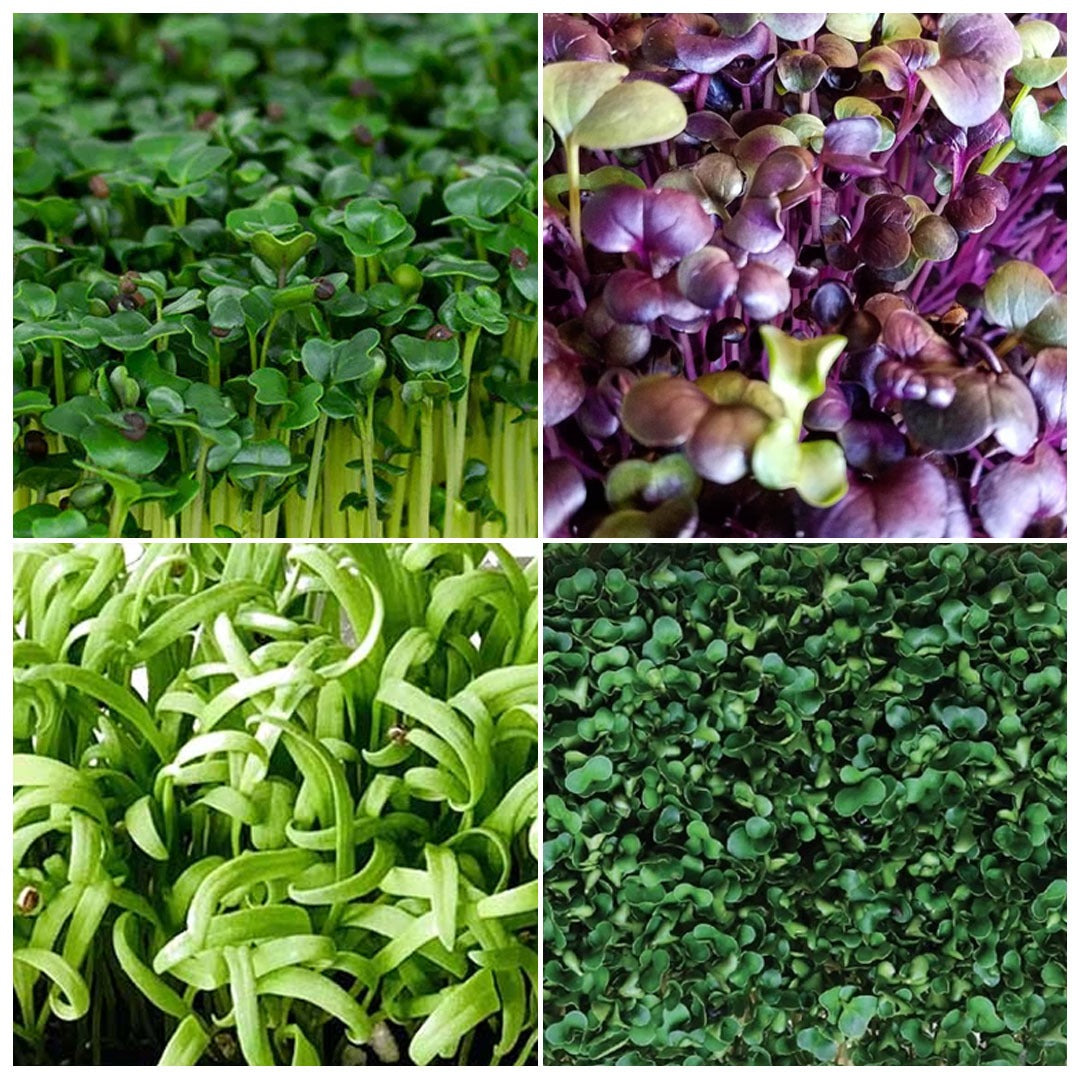
8. Microgreens
Explanation: Microgreens are young vegetable greens harvested just after the first true leaves have developed. They are used primarily as a visual garnish but also provide a concentrated burst of flavor and nutrition.
Example: The chef garnished the avocado toast with radish microgreens to provide a subtle peppery finish.
Context: Microgreens are essential in modern plating to add height, color, and intricate detail to a dish.
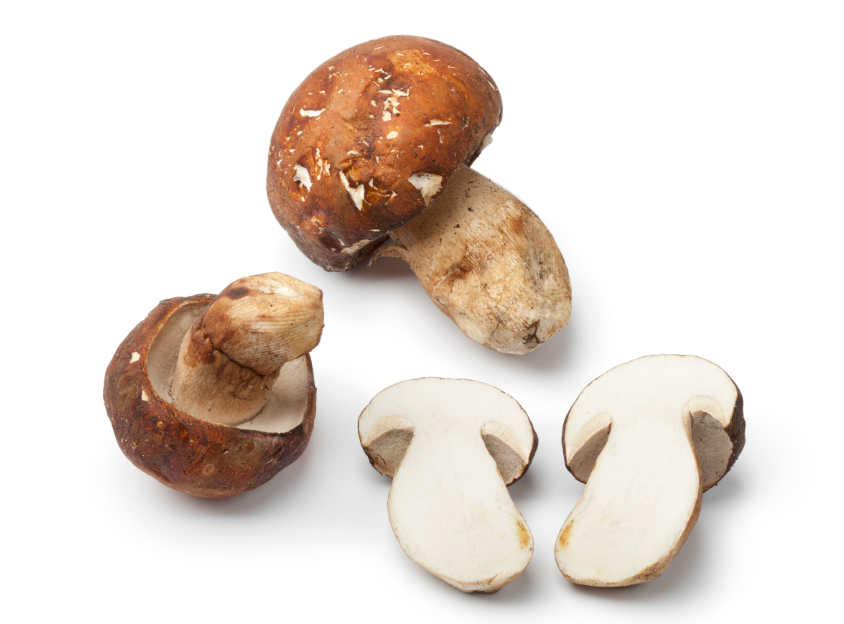
9. Porcini
Explanation: Porcini are highly prized wild mushrooms known for their thick stalks and meaty, nutty-flavored caps. They are often used fresh, dried, or powdered to add a deep, earthy "umami" flavor to various dishes.
Example: A rich cream of Porcini soup, drizzled with truffle oil, is a highlight of the autumn menu.
Context: Porcini are difficult to cultivate, making them a luxury ingredient often sourced through expert foraging.
10. Chanterelles
Explanation: Chanterelles are distinctive golden, trumpet-shaped mushrooms with a delicate, slightly fruity aroma reminiscent of apricots. They are favored for their firm texture and their ability to hold their shape during sautéing.
Example: During the local food festival, many chefs featured Chanterelles in creamy pasta sauces or as a topping for artisan pizzas.
Context: Chanterelles are seasonal delicacies that represent the strong foraging culture in Belarusian and European cuisines.

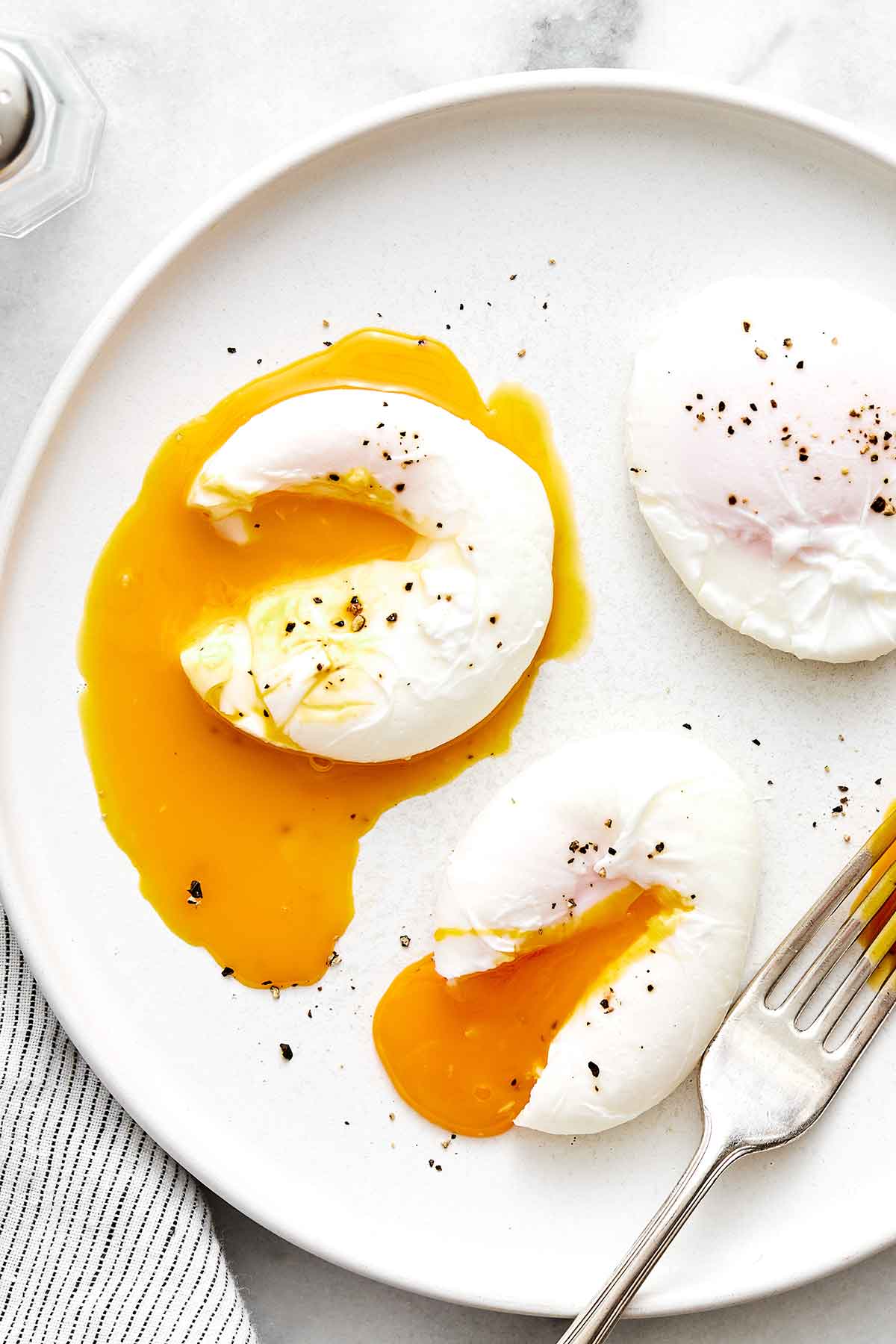
11. Poached
Explanation: Poaching is a gentle cooking method where food is simmered in a liquid—such as water, milk, or wine—at a temperature just below the boiling point. This technique is ideal for delicate foods like eggs or fish, as it preserves moisture without the use of fats.
Example: A perfectly poached egg should have a tender, opaque white and a warm, liquid yolk.
Context: Mastery of the poached egg is a fundamental skill in professional breakfast and brunch service.
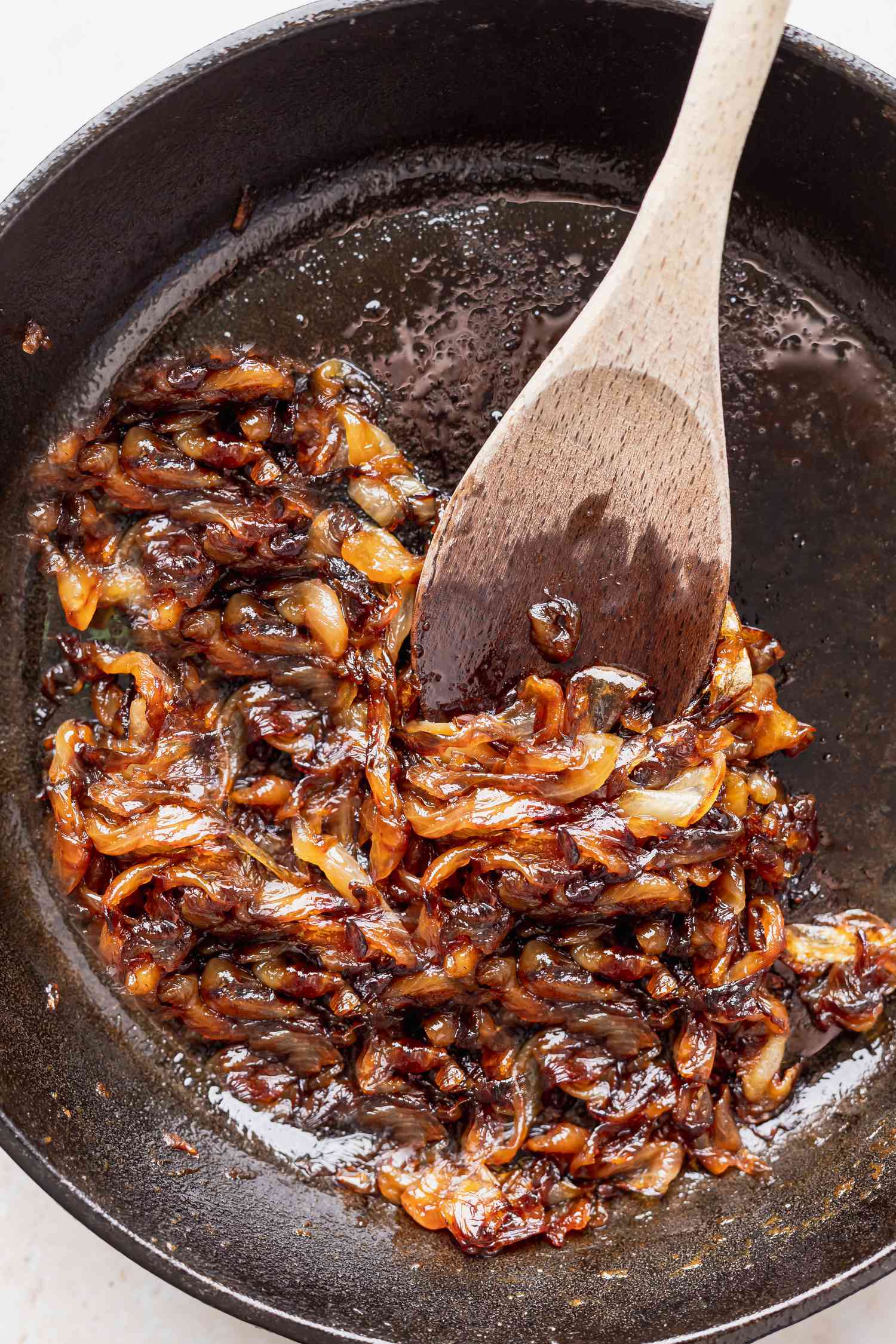
12. Caramelized
Explanation: Caramelization is a chemical process that occurs when sugars are heated to high temperatures, resulting in a brown color and a rich, nutty flavor. This can occur with the natural sugars in vegetables like onions or with added granulated sugar in desserts.
Example: Slow-cooked caramelized onions add a deep sweetness to gourmet burgers and savory tarts.
Context: In pastry work, caramelization is used to create complex sauces and crunchy toppings like pralines.
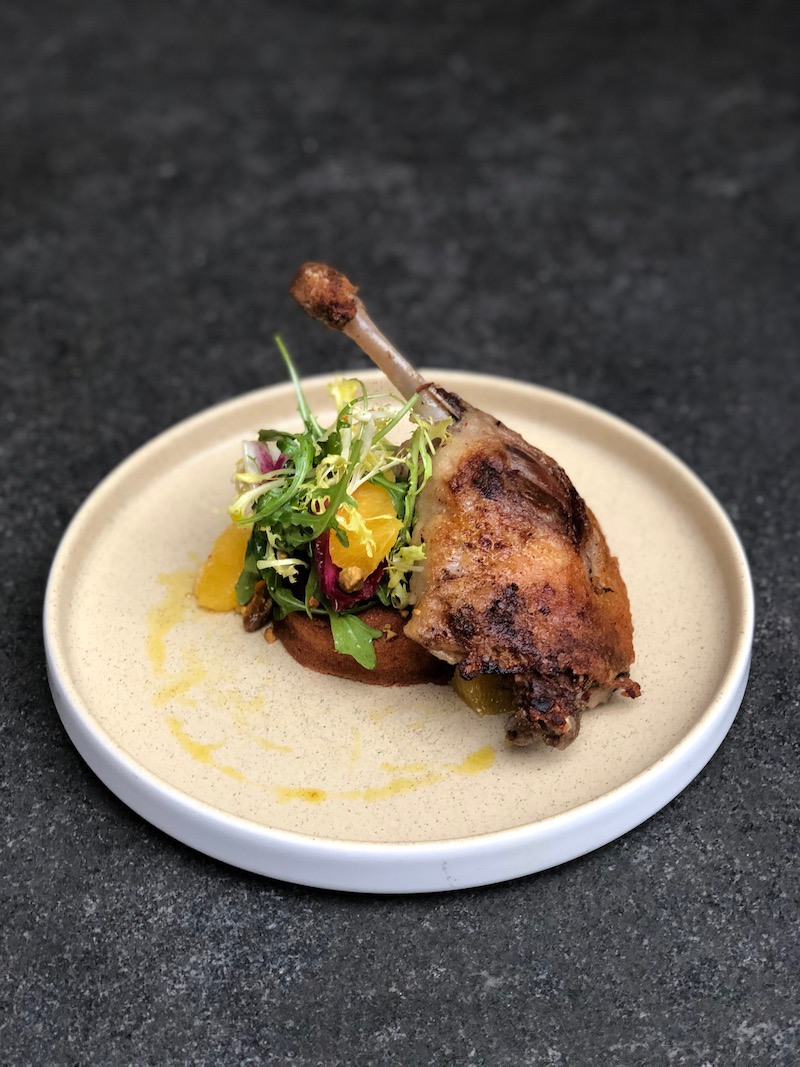
13. Confit
Explanation: Confit is a traditional preservation and cooking technique where food is submerged in fat and cooked slowly at a low temperature. While originally used for meat, modern chefs also apply this technique to vegetables like garlic or cherry tomatoes.
Example: Duck leg confit is prized for its incredibly tender meat and crispy, rendered skin.
Context: Confit involves a balance of slow temperature control and fat management to ensure the food is tenderized rather than fried.
14. Reduction
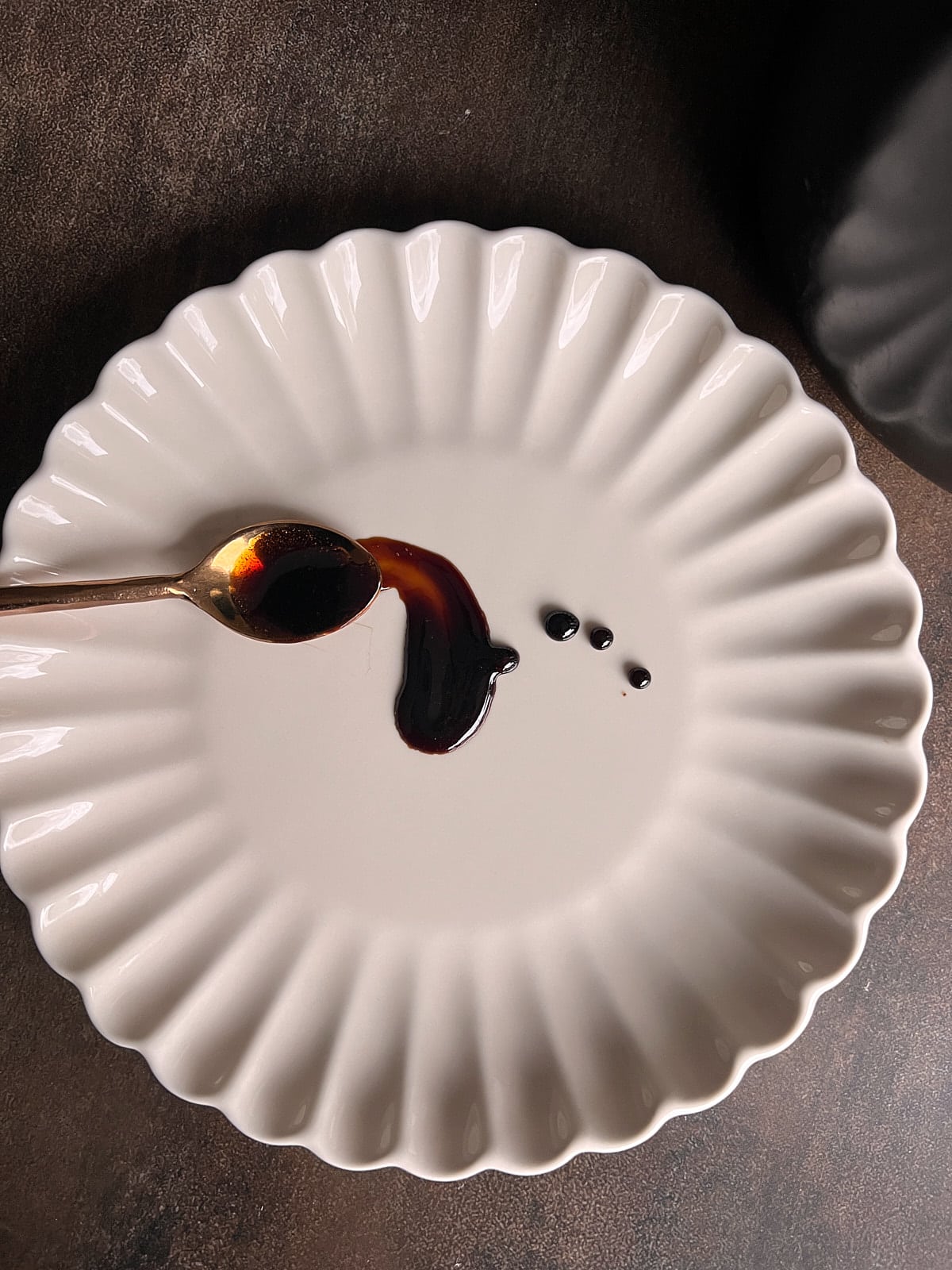
Explanation: A reduction is the process of simmering or boiling a liquid—such as a sauce, stock, or wine—to decrease its volume through evaporation. This results in a thicker consistency and a much more concentrated, intense flavor profile.
Example: A balsamic reduction can be drizzled over strawberries or caprese salads for a syrupy, tangy finish.
Context: Reductions are essential for creating professional-quality sauces that coat the back of a spoon (nappe consistency).
15. Pureed
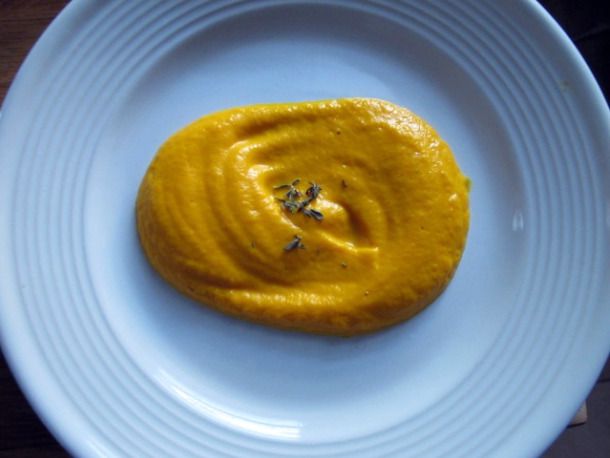
Explanation: Pureeing involves mashing, pressing, or blending cooked food until it reaches a smooth, uniform, and creamy consistency. This technique is commonly used for soups, side dishes, and decorative plating elements.
Example: The roasted parsnip was pureed with a touch of heavy cream and butter to create a silky accompaniment for the beef.
Context: High-end restaurants often pass purees through a fine-mesh sieve (chinois) to ensure an ultra-smooth texture.
16. Tartare
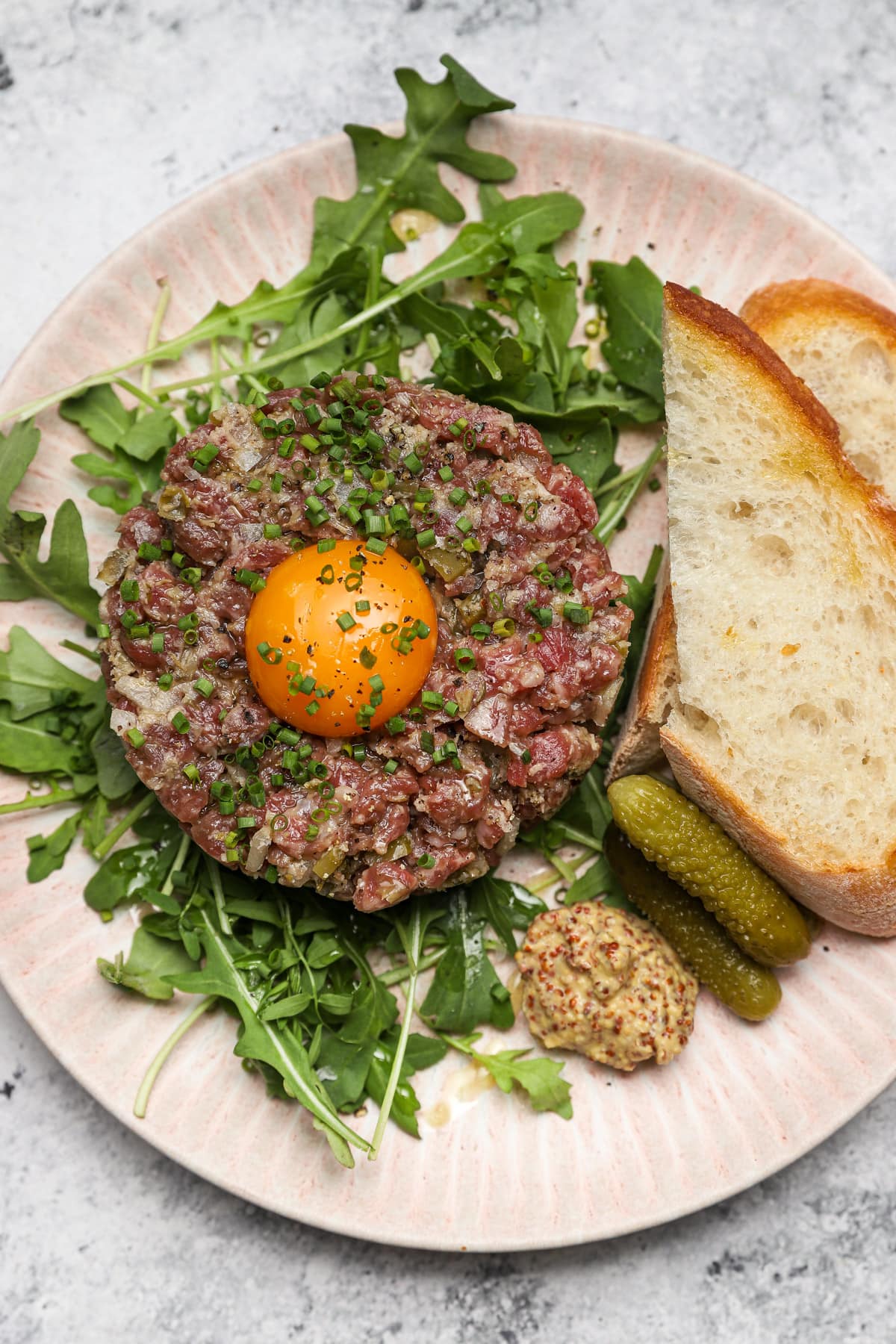
Explanation: Tartare refers to a dish made from finely chopped or minced raw meat or fish, seasoned with ingredients like capers, onions, and oil. It is traditionally served as a cold appetizer and often topped with a raw egg yolk to add richness.
Example: The beef tartare was seasoned with Dijon mustard and served with toasted Borodinsky crisps.
Context: Because the ingredients are raw, tartare requires the highest standards of food safety and ingredient freshness.
17. Mousse
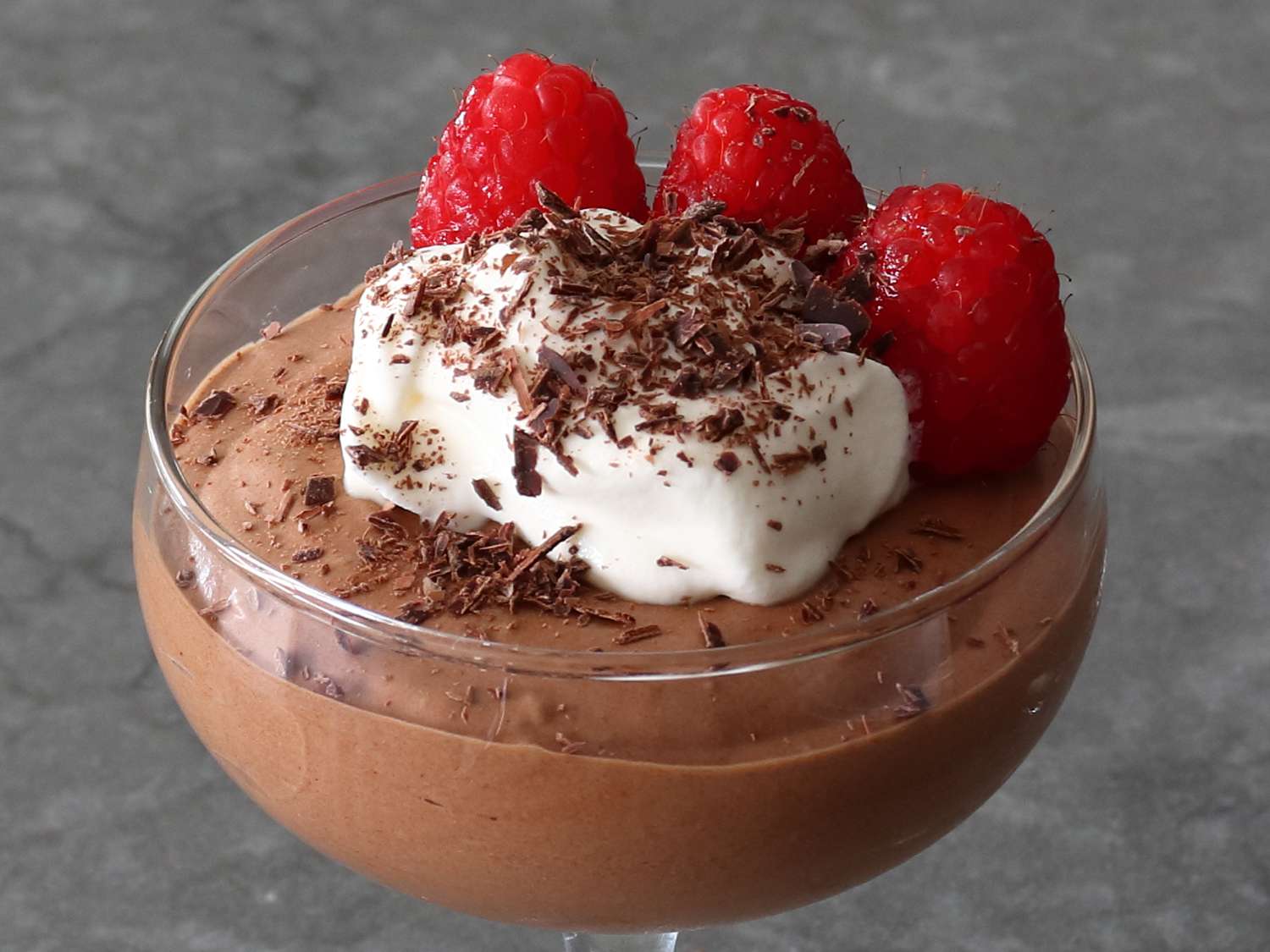
Explanation: A mousse is a light, airy prepared food that incorporates air bubbles to create a fluffy texture. It can be savory (made with meat or vegetables) or sweet (made with chocolate or fruit) and is usually stabilized with egg whites or whipped cream.
Example: For dessert, the chef prepared a dark chocolate mousse with a hint of orange zest.
Context: In modern Belarusian dining, traditional cakes like Medovik are often reimagined as light mousse cakes for a more contemporary feel.
18. Foraging
Explanation: Foraging is the practice of gathering wild food sources directly from nature, such as berries, mushrooms, and herbs. This traditional skill is deeply rooted in many cultures and is currently seeing a resurgence in "farm-to-table" and high-end dining.
Example: The restaurant's seasonal menu is built around ingredients obtained through local foraging in the nearby forests.
Context: Foraging requires expert knowledge to distinguish edible plants and fungi from toxic ones.

19. Infusion
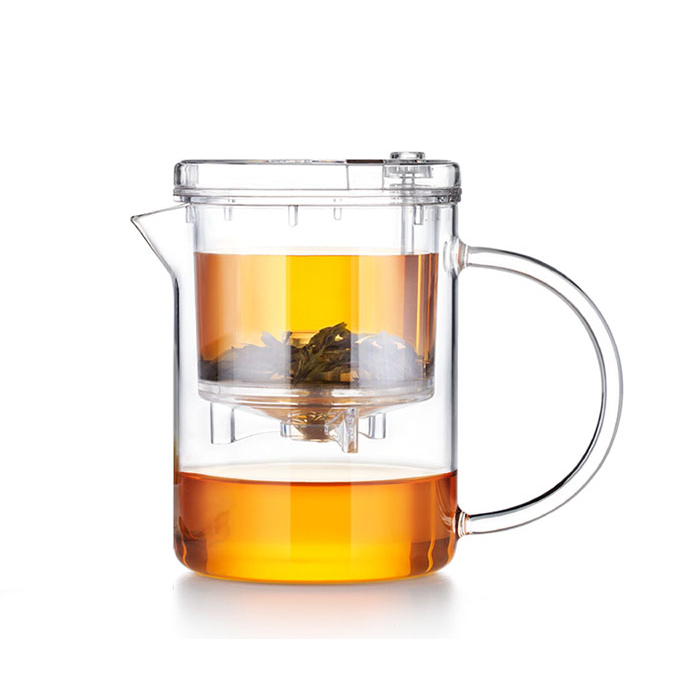
Explanation: An infusion is the process of extracting flavors or chemical compounds from plant materials (like herbs, spices, or tea) by soaking them in a solvent, typically hot water or oil. This allows the liquid to take on the aromatic and medicinal properties of the plant.
Example: An infusion of lavender and chamomile creates a soothing, fragrant herbal tea.
Context: In the kitchen, oils infused with garlic or chili are used as finishing elements to add subtle, layered flavors to a dish.
20. Roast
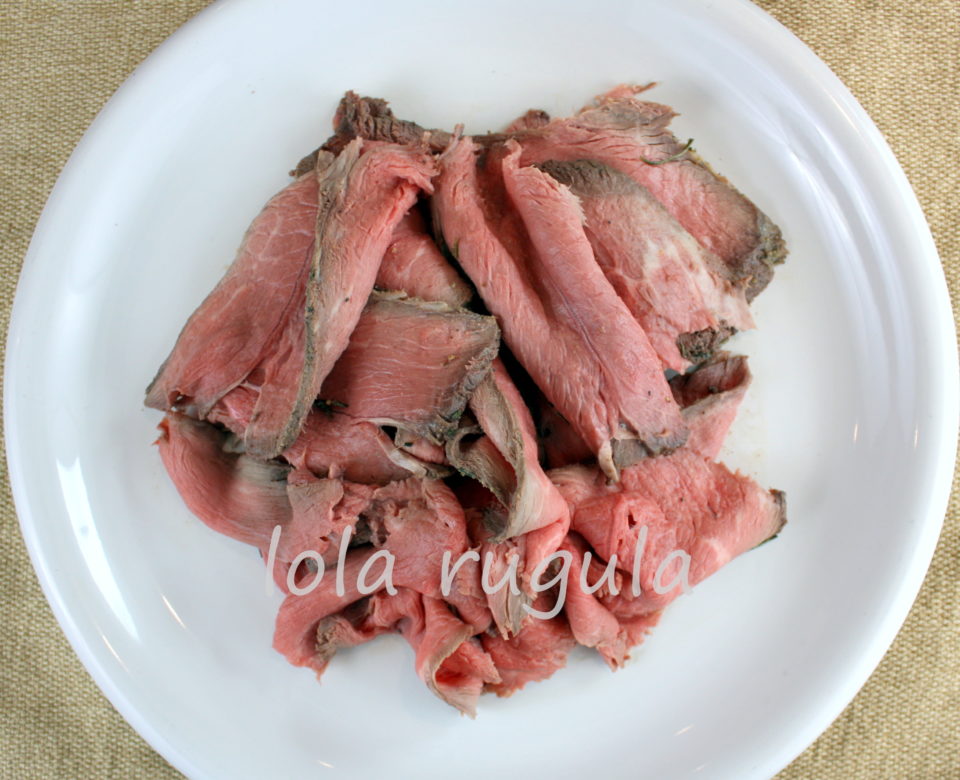
Explanation: Roasting is a dry-heat cooking method that uses an oven or an open flame to cook food evenly from all sides. It is primarily used for large cuts of meat and vegetables, where the goal is to develop a browned exterior while keeping the interior moist.
Example: A Sunday roast beef is traditionally served with roasted root vegetables and a savory gravy.
Context: Roasting at different temperatures allows a chef to control the level of browning and the final internal temperature of the meat.
21. Mirepoix
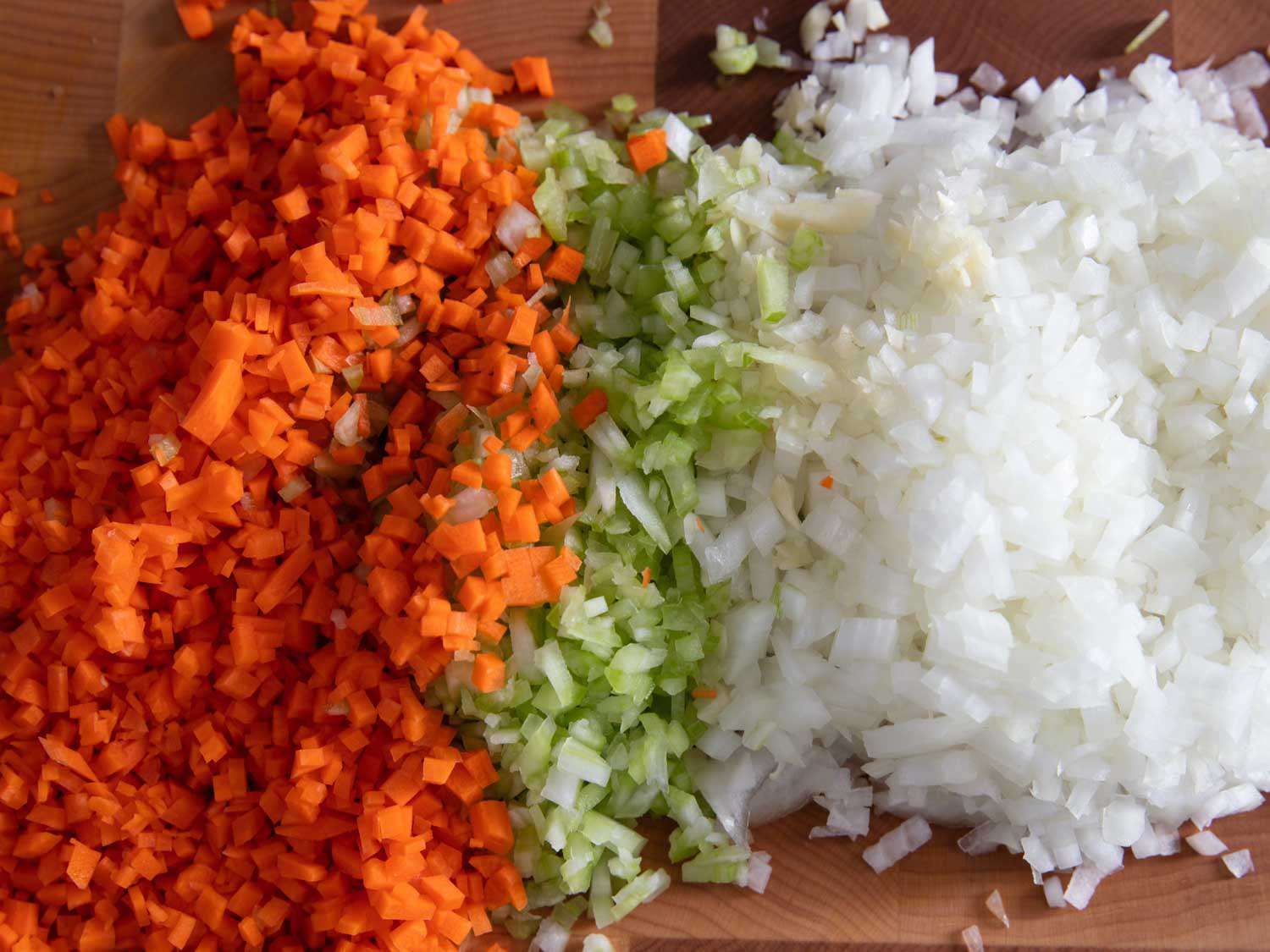
Explanation: Mirepoix is a fundamental flavor base in French cooking made of finely diced vegetables—typically two parts onion, one part celery, and one part carrot. These are cooked slowly in fat to release their aromatic qualities without browning them.
Example: The chef started the beef stew by sautéing a mirepoix until the vegetables were translucent and fragrant.
Context: Mirepoix is the starting point for countless soups, stocks, and sauces in professional culinary arts.
22. Roux
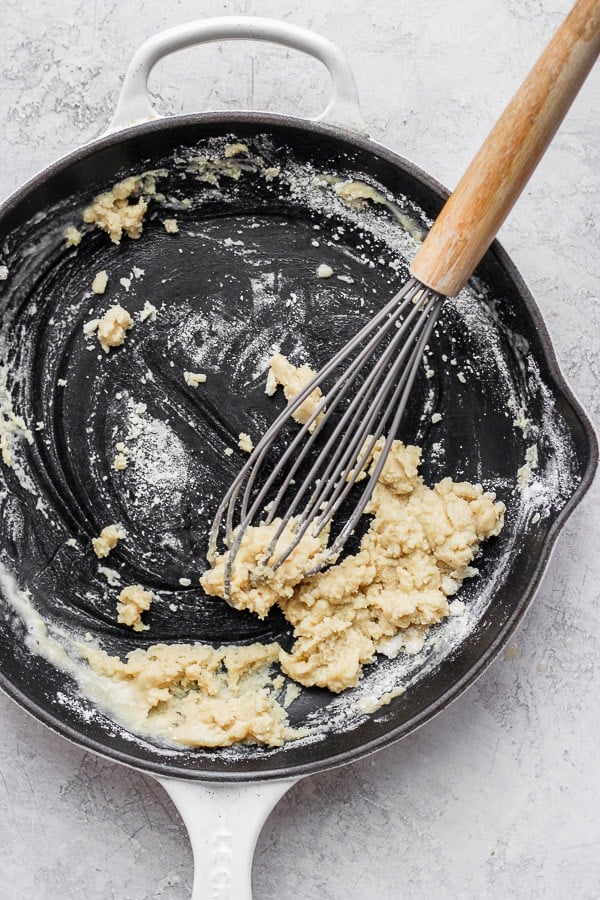
Explanation: A roux is a cooked mixture of equal parts by weight of flour and a fat (traditionally butter). It serves as the primary thickening agent for three of the five classic French "mother sauces": béchamel, velouté, and espagnole.
Example: Whisking milk into a blonde roux is the first step in creating a smooth cheese sauce.
Context: The color of the roux (white, blonde, or brown) determines both the thickening power and the depth of flavor it provides.
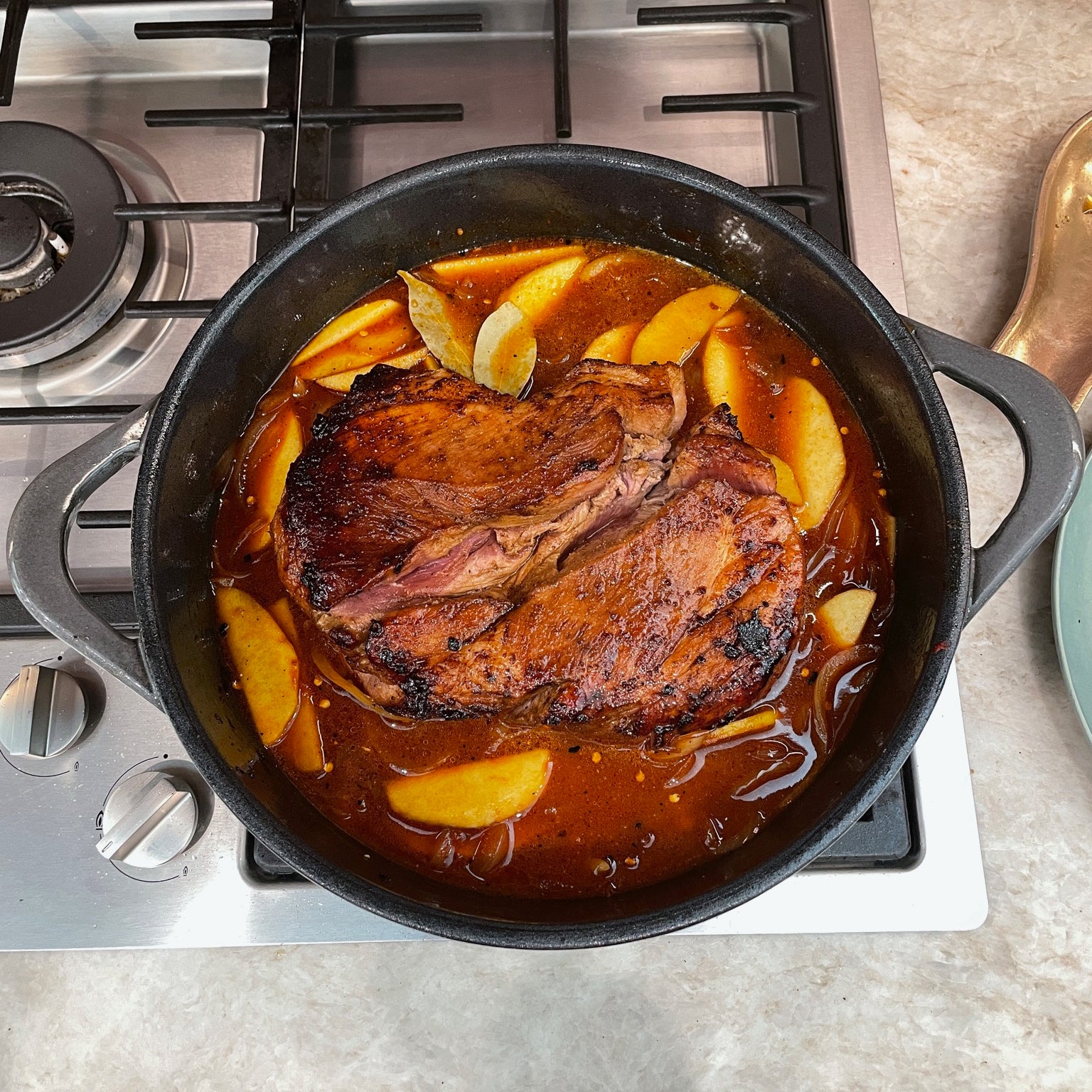
23. Braising
Explanation: Braising is a combination cooking method that involves searing an ingredient at a high temperature and then simmering it in a covered pot with a small amount of liquid for a long period. This technique is ideal for tough cuts of meat, as the long, slow cook breaks down connective tissue.
Example: Braised short ribs become so tender that they can be eaten with just a spoon.
Context: Braising liquids are often reduced after cooking to create a rich, concentrated sauce for the dish.
24. Sous-vide
Explanation: Sous-vide (French for "under vacuum") is a method where food is vacuum-sealed in a plastic pouch and cooked in a water bath at a very precise, low temperature. This ensures perfectly even cooking and prevents the food from losing its natural juices.
Example: Cooking steak sous-vide allows the chef to achieve a perfect medium-rare from edge to edge.
Context: This technique requires specialized equipment, including a vacuum sealer and an immersion circulator.

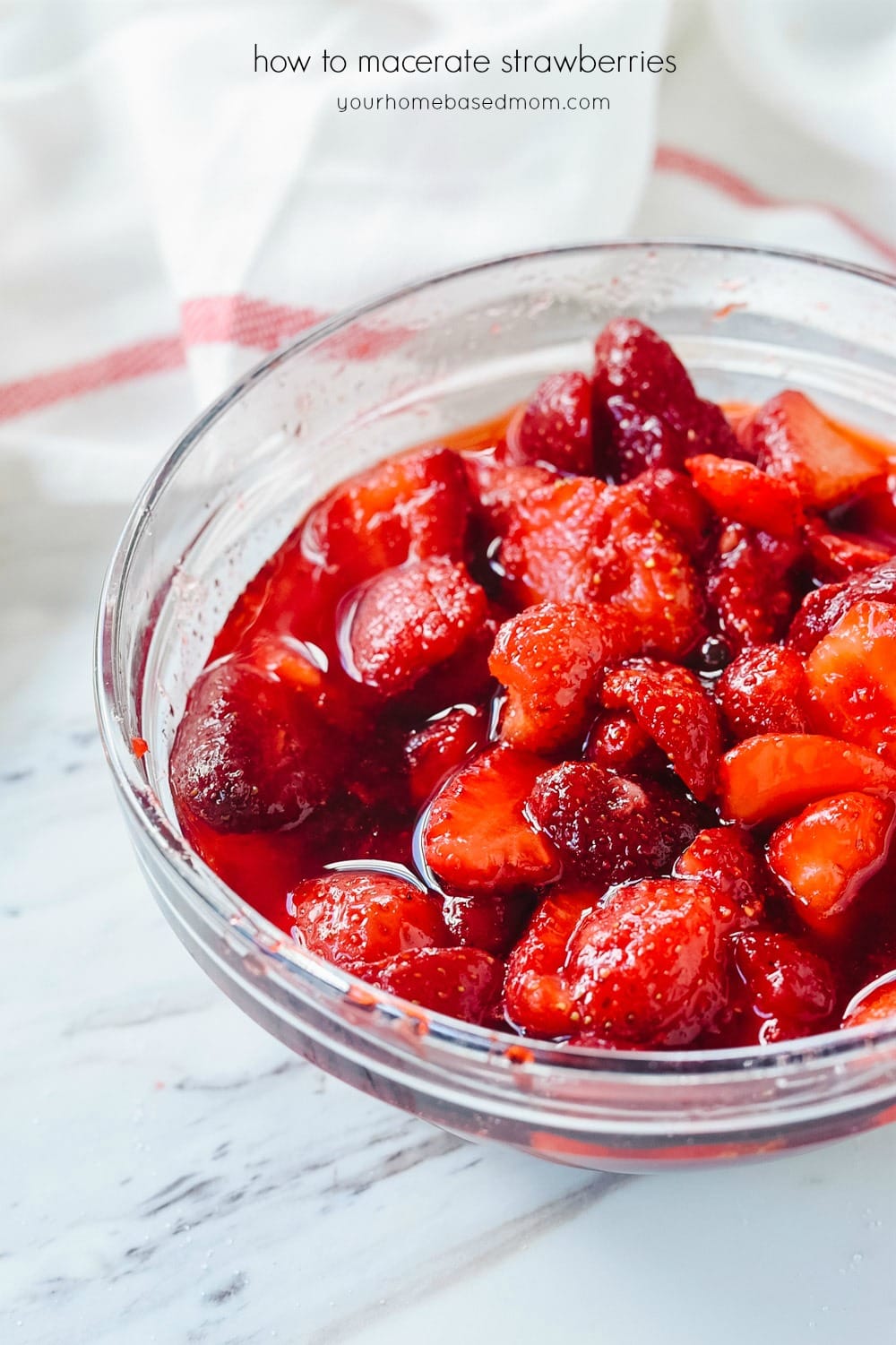
25. Macerate
Explanation: Macerating is the process of softening food—usually fruit—by soaking it in a liquid such as alcohol, vinegar, or syrup, or by sprinkling it with sugar. The process draws out the fruit's natural juices and infuses it with the flavors of the liquid.
Example: We macerated the strawberries in sugar and balsamic vinegar to serve over the vanilla panna cotta.
Context: Maceration is the cold-process equivalent of marinating, used primarily in pastry and dessert preparation.
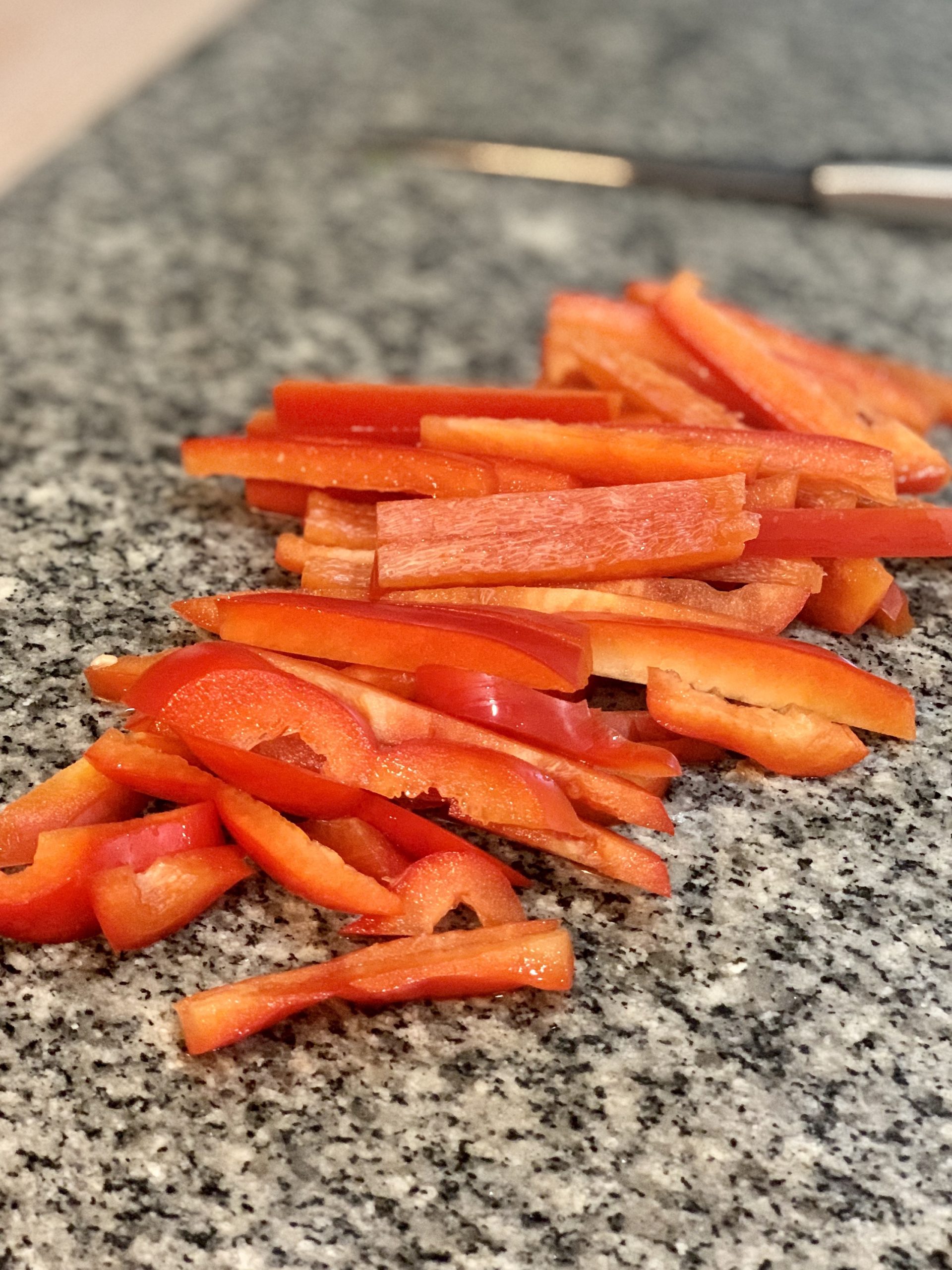
26. Julienne
Explanation: Julienne is a precision knife cut where food is sliced into long, thin strips, similar to matchsticks, usually measuring about 2 inches long and 1/8 inch thick. This technique ensures that vegetables cook evenly and look elegant on the plate.
Example: The stir-fry featured julienned peppers and carrots for a professional, uniform appearance.
Context: Mastering the julienne cut is a prerequisite for advanced culinary training and efficient kitchen prep.
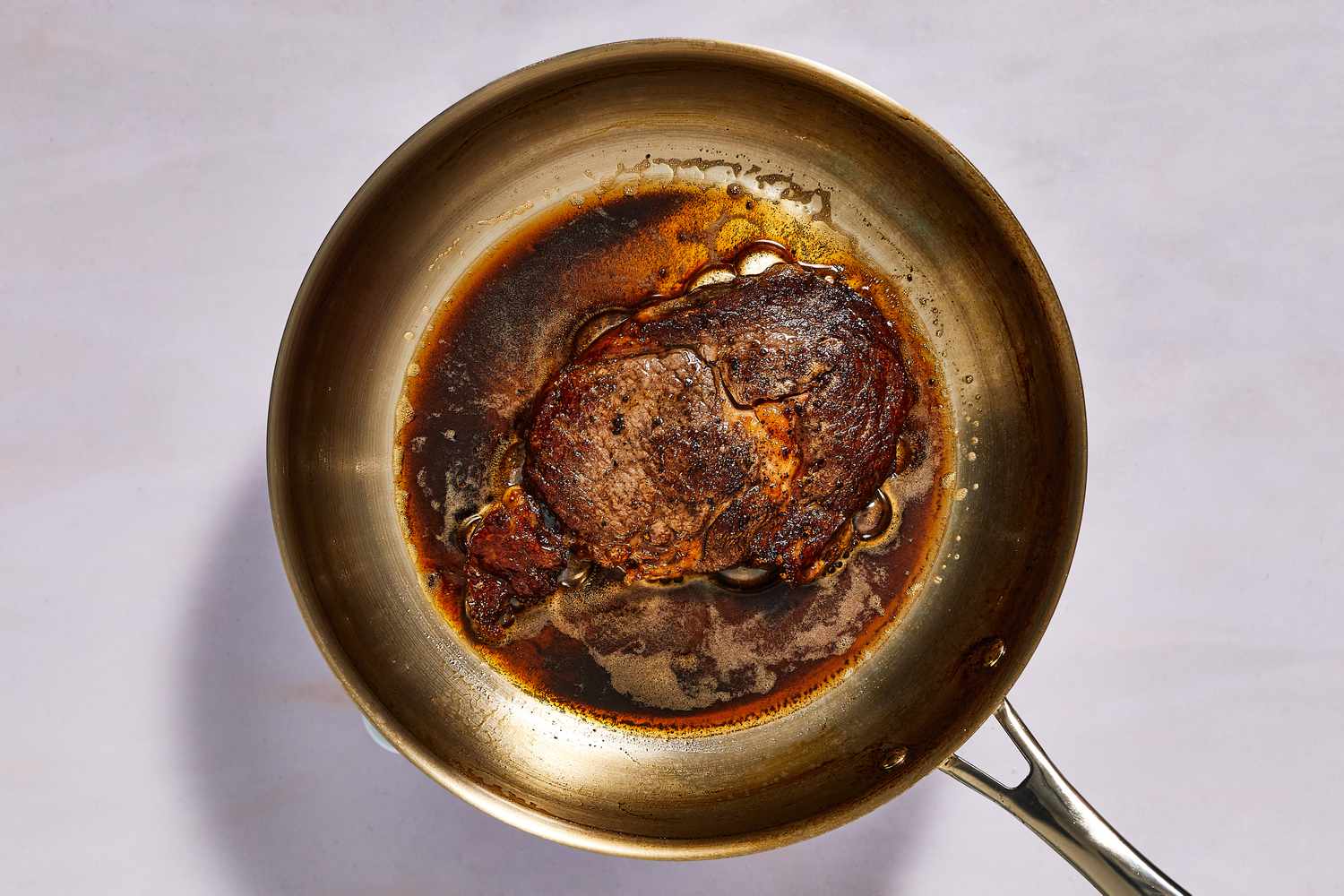
27. Deglaze
Explanation: Deglazing is the technique of adding a liquid (like wine or stock) to a hot pan after searing meat to loosen and dissolve the browned food particles stuck to the bottom. These browned bits, known as "fond," are packed with concentrated flavor.
Example: After roasting the chicken, deglaze the pan with white wine to create the base for a savory pan sauce.
Context: Deglazing is a critical step in building depth of flavor in traditional pan-made gravies.
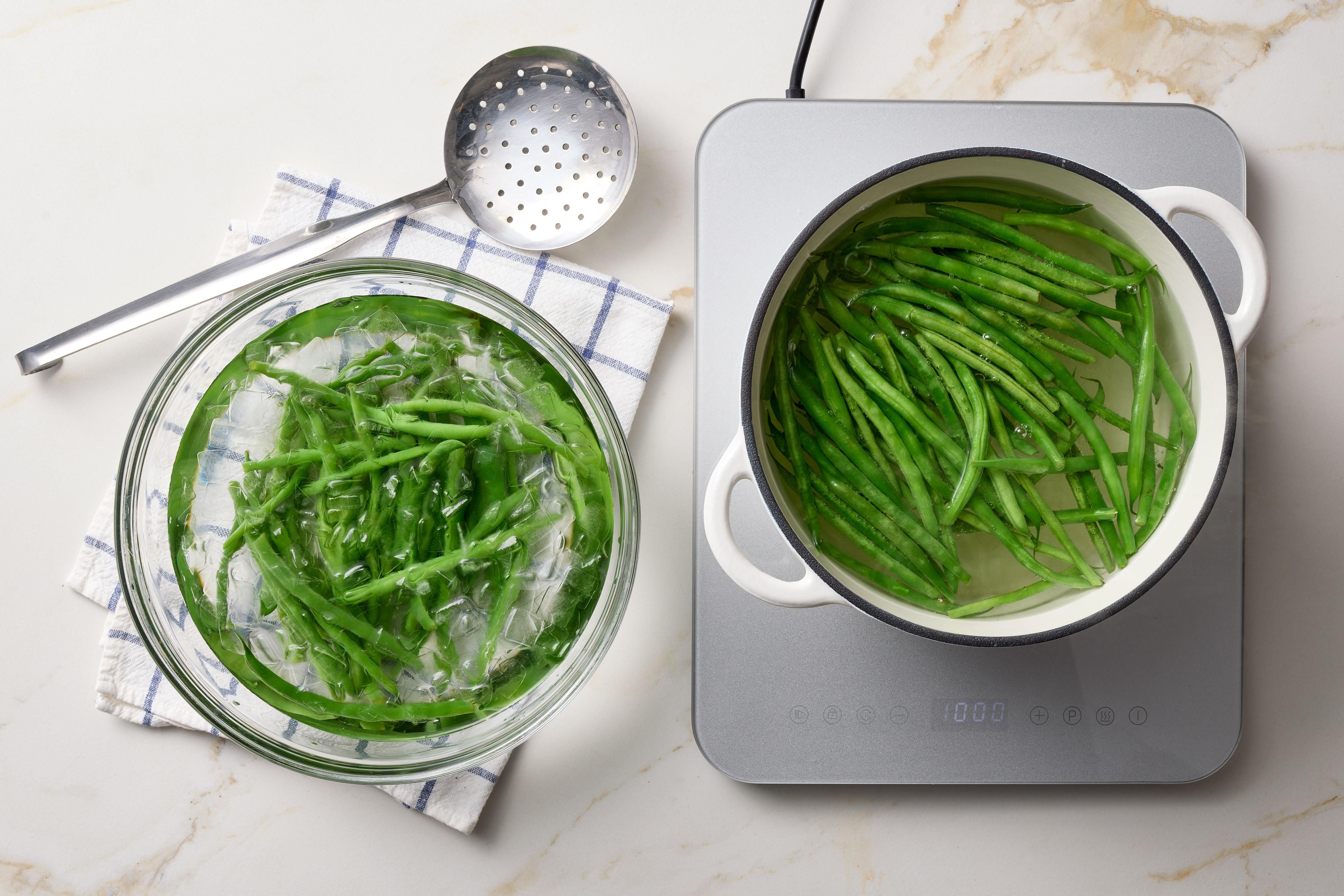
28. Blanch
Explanation: Blanching involves briefly immersing food in boiling water and then immediately plunging it into an ice-water bath (a process called "shocking"). This stops the cooking process instantly, preserving the food's bright color, crisp texture, and nutritional value.
Example: We blanched the green beans for two minutes to keep them vibrant and crunchy for the salad.
Context: Blanching is also used to loosen the skins of tomatoes or peaches for easy peeling.
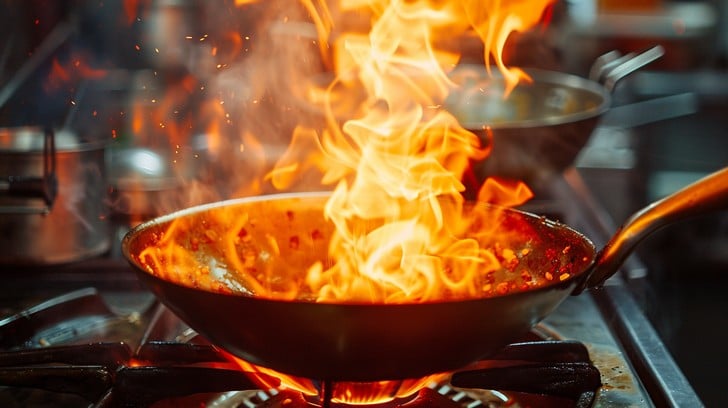
29. Flambé
Explanation: Flambé is a cooking technique where alcohol (such as brandy or rum) is added to a hot pan to create a burst of flames. The flame burns off the raw alcohol content while leaving behind a subtle, caramelized flavor and providing a dramatic table-side presentation.
Example: Steaks are often flambéed with cognac to create a rich and sophisticated peppercorn sauce.
Context: Flambéing requires caution and precise timing to avoid overcooking the food or causing safety hazards.
30. Emulsify
Explanation: Emulsification is the process of combining two liquids that do not naturally mix—such as oil and vinegar—into a stable, uniform mixture. This is typically achieved by adding an emulsifier (like mustard or egg yolk) and whisking or blending vigorously.
Example: To make a stable vinaigrette, you must slowly whisk the oil into the vinegar until the mixture is fully emulsified.
Context: Many foundational sauces, including mayonnaise and hollandaise, are based on the principle of emulsification.