Generated with Monsha
The Science and Math of What You Like
Anything · Year 8 · English
The Science and Math of What You Like
Introduction
Ever wondered why your favorite hobbies feel so satisfying? Whether you're dropping into a half-pipe, building a base in Minecraft, or editing a video for TikTok, there is a world of science and mathematics working behind the scenes. This guide explores the Year 8 curriculum through the lens of things you actually enjoy.
1. Skateboarding: The Physics of the Half-Pipe
When you stand at the top of a ramp, you aren't just looking down at a drop—you are holding onto a massive amount of energy. In Year 8 Physics, we study how energy is never created or destroyed; it just changes form.
- Gravitational Potential Energy (GPE): At the highest point of the ramp, you have your maximum GPE. This is the energy stored due to your height above the ground.
- Kinetic Energy (KE): As you drop in, your GPE transforms into KE, which is the energy of motion. The faster you go, the more kinetic energy you have.
- Friction and Heat: You might notice your wheels feel warm after a long session. This is because some energy is "lost" (transformed) into heat and sound through friction.

2. Axolotls: Masters of Regeneration
Axolotls have become social media stars and Minecraft icons, but they are also biological marvels. They exhibit a trait called neoteny, meaning they keep their "baby" features (like external gills) even as adults.
In Biological Sciences, we look at how cells divide and specialize. The axolotl is famous for its ability to regrow entire limbs, parts of its heart, and even sections of its brain without any scarring. Scientists study axolotls to understand if we can trigger similar regenerative abilities in human cells using the same biological pathways.

3. Gaming: Navigating in 3D Space
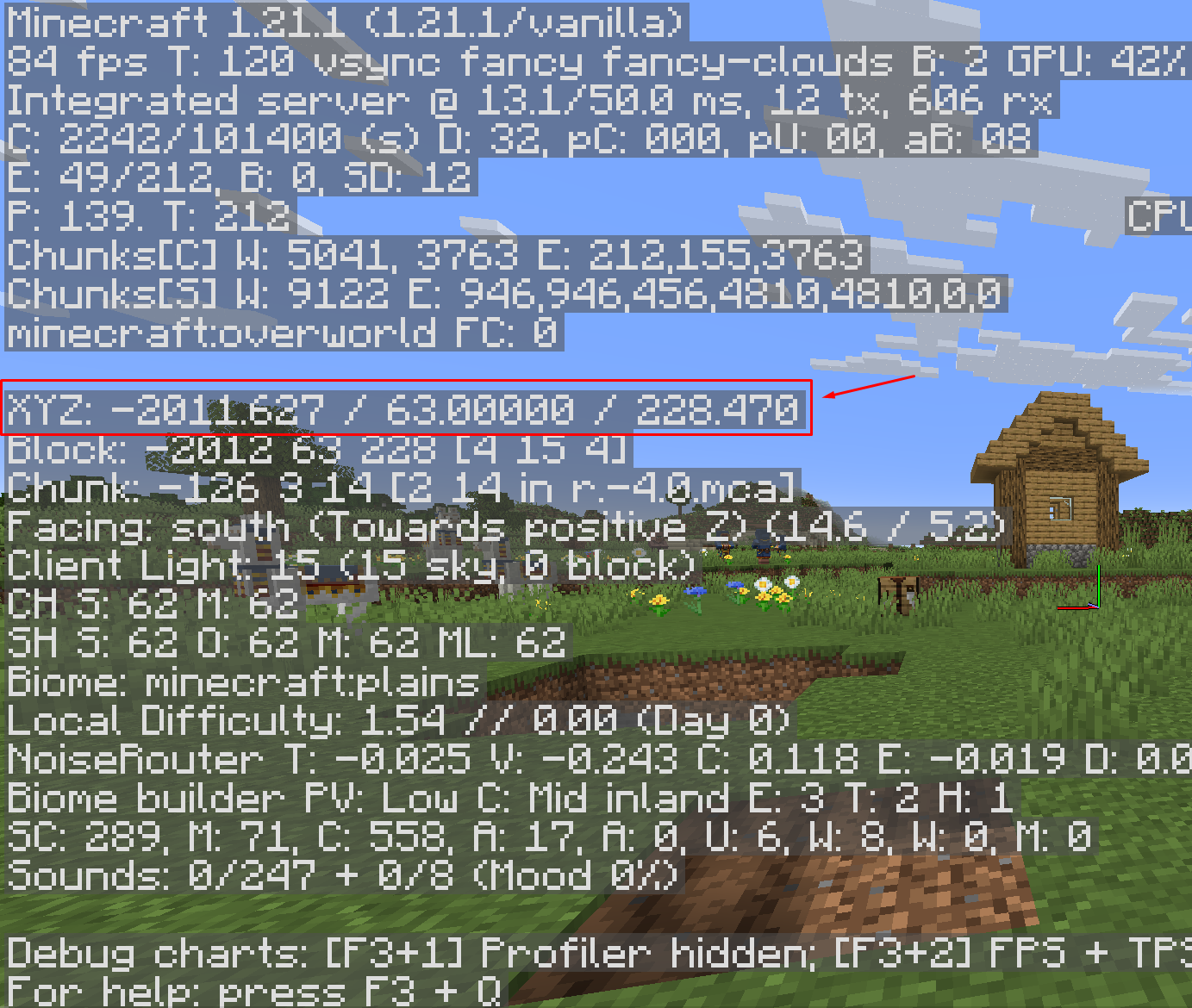
If you've ever used a
/tp (teleport) command in Minecraft or tried to find your home base, you’ve been using 3D Cartesian Coordinates. While we often work with 2D grids (X and Y) in school, gaming adds the dimension of depth or height.- X-coordinate: North/South position.
- Z-coordinate: East/West position.
- Y-coordinate: Elevation (how high up or deep down you are).
Understanding these coordinates is essential for geometry and data representation. In Minecraft, the Y-level is crucial for finding diamonds (usually found below Y = -59 since the 1.18 update).
4. Sports: Your Body’s Internal Response
Whether you’re playing Netball, AFL, or Soccer, your body is a complex machine working to maintain homeostasis—a stable internal environment.
During a match, your muscle cells require more oxygen and glucose to produce energy. To meet this demand:
- The Circulatory System: Your heart rate increases (often jumping from 70 BPM to over 180 BPM) to pump blood faster.
- The Respiratory System: Your breathing rate increases to get more oxygen into your lungs and remove carbon dioxide.
- The Excretory System: You sweat to release heat and keep your internal temperature around .

5. Music and Video Editing: The Math of Sound
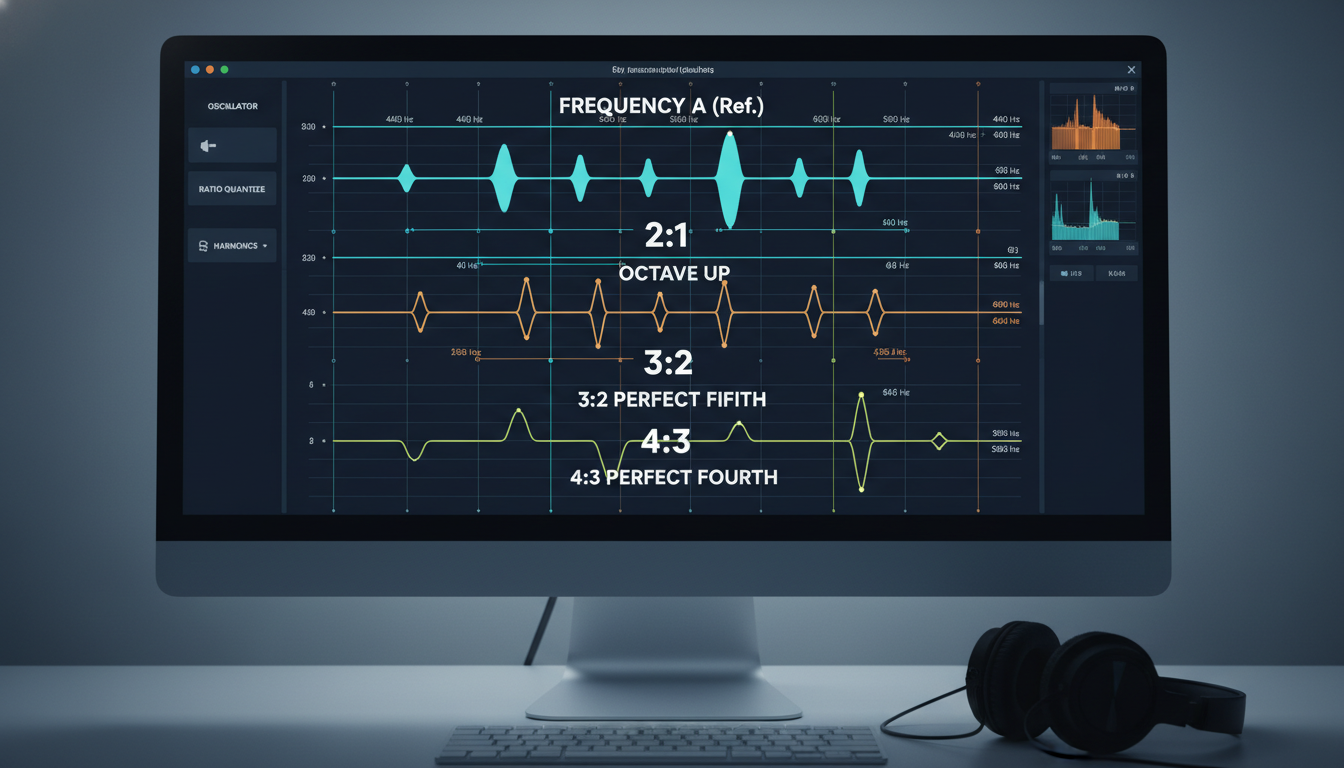
Digital content creation isn't just about creativity; it's about ratios. Sound is a vibration that travels through the air at specific frequencies. When you hear a harmony that sounds "good" or "consonant," it’s because the frequencies of the notes have a simple mathematical relationship.
- Octaves: If you play a middle C and a high C, the high C vibrates at exactly a ratio compared to the middle C.
- Perfect Fifths: This popular chord interval has a frequency ratio of .
When you use digital editing software to "pitch shift" a sound, the computer uses mathematical algorithms to multiply these frequencies while keeping the timing of the track consistent.