Generated with Monsha
Exploring Biodiversity
Anything · Grade 8 · English
Exploring Biodiversity
Exploring Biodiversity: The Web of Life
Biodiversity is the variety of life found on Earth. It includes every living thing, from the smallest bacteria to the giant blue whale, and the ecosystems they call home.
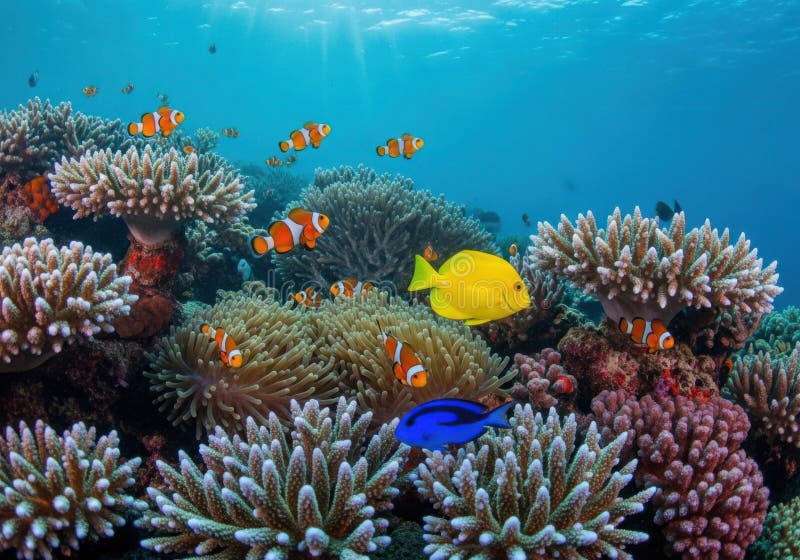
The Three Levels of Biodiversity
Scientists usually look at biodiversity on three different levels:
- Genetic Diversity: This is the variety of genes within a single species. For example, think about all the different breeds of dogs. They are all the same species, but their genetic differences make them look and behave differently. High genetic diversity helps a species survive changes in the environment.
- Species Diversity: This refers to the number of different species in a particular area. A tropical rainforest has high species diversity because it contains thousands of different types of plants, animals, and insects.
- Ecosystem Diversity: This is the variety of different habitats, such as deserts, forests, wetlands, and oceans. Each ecosystem provides a unique home for different groups of organisms.
Why Does Biodiversity Matter?
Biodiversity isn't just about having lots of cool animals to look at; it is essential for human survival. Healthy ecosystems provide "ecosystem services" that we often take for granted:
- Oxygen Production: Plants and algae produce the oxygen we breathe.
- Pollination: Bees, birds, and bats pollinate crops, which allows us to grow food.
- Water Purification: Wetlands and forests filter pollutants out of our water.
- Medicine: Many of our medicines, like aspirin and some cancer treatments, come from plants and fungi found in nature.
- Resilience: Biodiverse ecosystems are more resilient, meaning they can recover faster from disasters like floods or fires.
Threats to Biodiversity: HIPPCO
Biodiversity is currently decreasing at an alarming rate. Scientists use the acronym HIPPCO to remember the main human-caused threats:
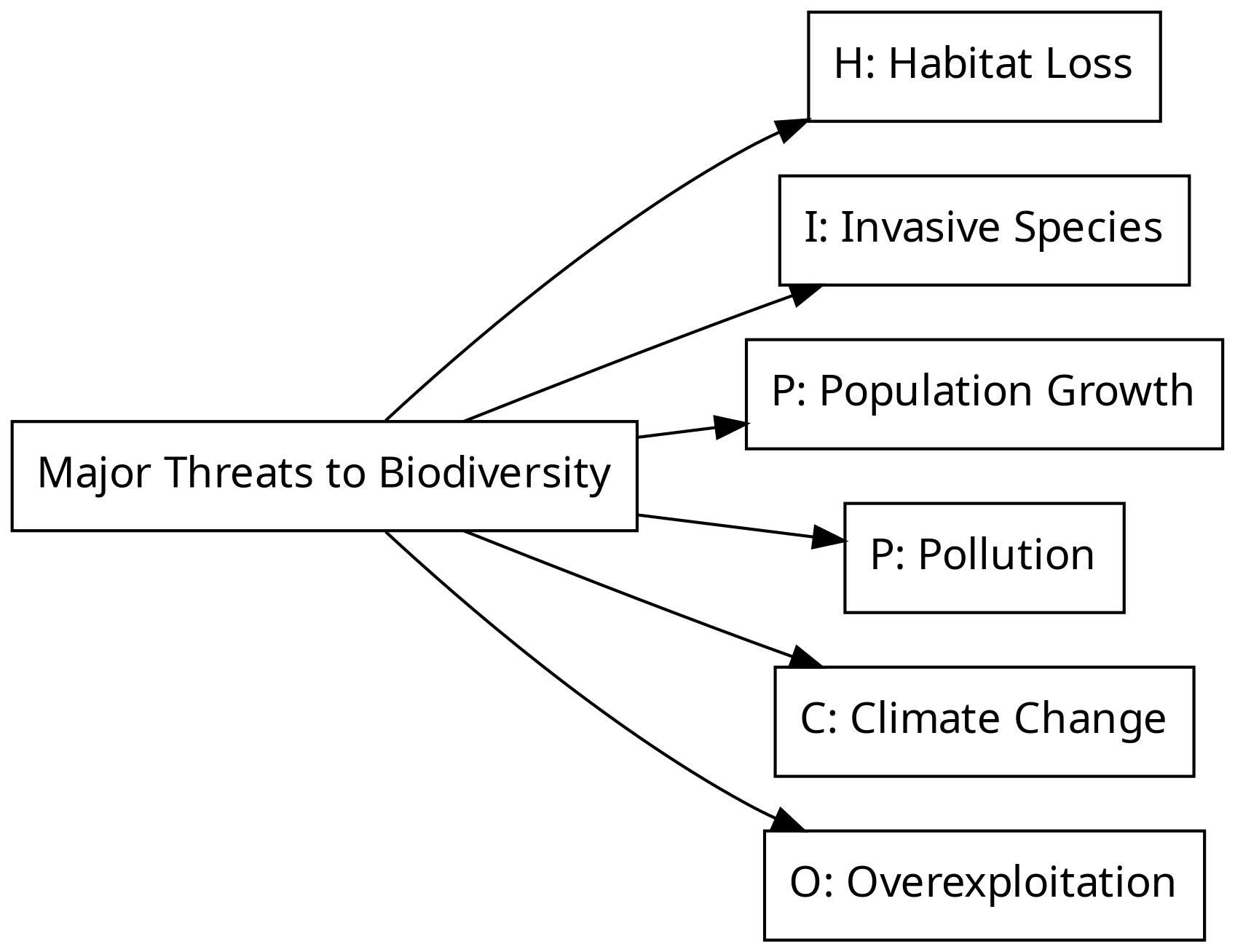
- H - Habitat Loss: The #1 threat. When we cut down forests for farms or cities, animals lose their homes.
- I - Invasive Species: Non-native species (like the Burmese python in Florida) can take over an area and push out native species.
- P - Population Growth: As the human population grows, we use more resources and take up more space.
- P - Pollution: Chemicals, plastics, and oil spills harm plants and animals.
- C - Climate Change: Rapid changes in temperature and weather patterns make it hard for species to adapt.
- O - Overexploitation: Hunting or fishing more than a population can replace (like overfishing tuna).
Protecting Our Planet
Conservation is the practice of protecting biodiversity. This can happen through:
- Protected Areas: Creating national parks and wildlife refuges.
- Laws: Acts like the Endangered Species Act help protect animals at risk of extinction.
- Restoration: Planting native trees and cleaning up polluted waterways.
Check Your Understanding
1. Which level of biodiversity refers to the variety of genes within a single species?
A. Ecosystem Diversity
B. Species Diversity
C. Genetic Diversity
D. Habitat Diversity
2. What is considered the single greatest threat to biodiversity today?
A. Overexploitation
B. Invasive Species
C. Habitat Loss
D. Pollution
3. Which of the following is an example of an ecosystem service?
A. Bees pollinating apple trees
B. Hunting deer for food
C. Building a new shopping mall
D. Hiking in a state park
4. Explain how a loss of biodiversity could affect human health.
5. Choose one letter from the HIPPCO acronym and describe how it impacts a specific animal you know.