Generated with Monsha
A Good Deed Comes Round & The Ant and the Cricket: English Worksheet
Anything · CBSE , India , 13 , grade 8 · English (UK)
A Good Deed Comes Round & The Ant and the Cricket: English Worksheet
Section 1: Reading Comprehension
A Good Deed Comes Round
Story Overview:
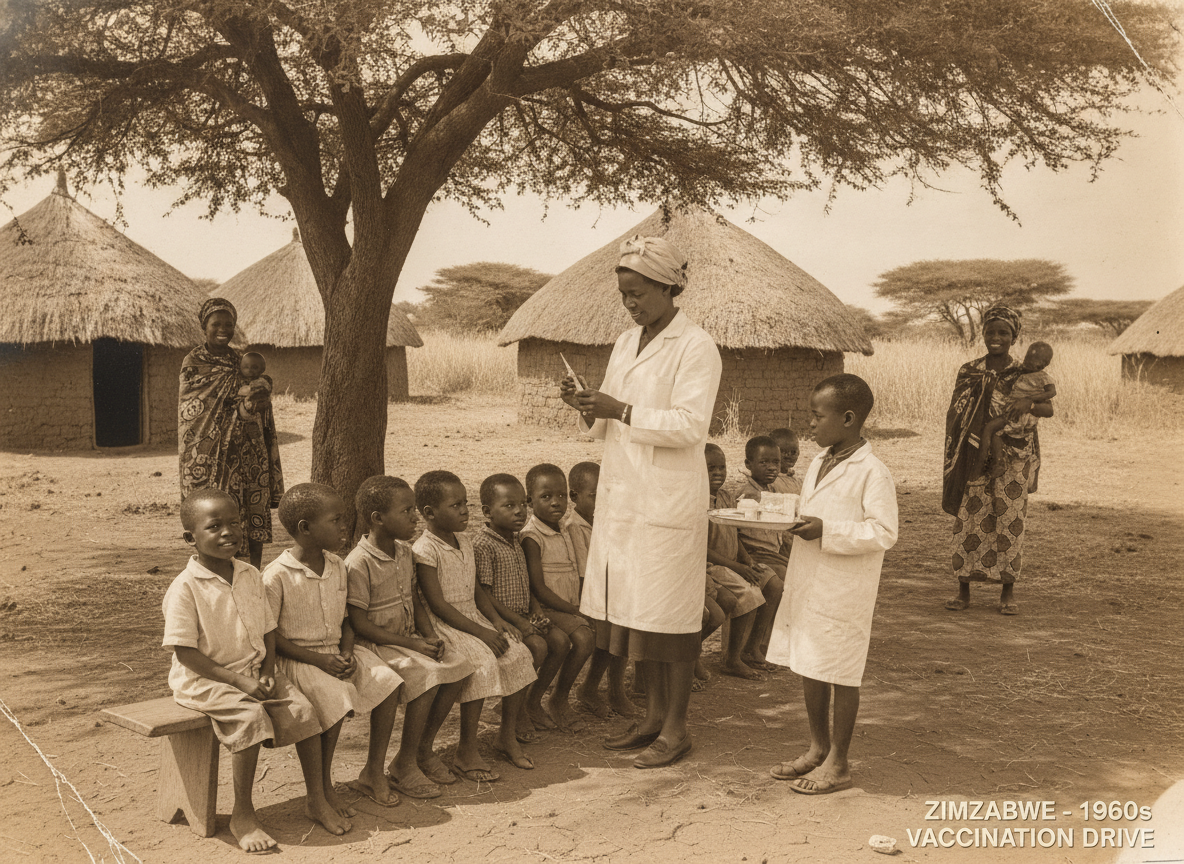
This moving story, written by Peter Godwin, is a memoir of his childhood in what was then Southern Rhodesia (now Zimbabwe). The narrator’s mother was a dedicated doctor who travelled through remote regions to vaccinate children against deadly diseases like polio and smallpox. Years later, as a journalist, the narrator is captured by rebels in Mozambique. In a remarkable twist of fate, the rebel Commander recognises the narrator's name. It is revealed that the Commander was one of the children the narrator and his mother had vaccinated years ago. This 'good deed' from the past saves the narrator's life, proving that kindness eventually comes full circle.
A. Multiple Choice Questions
- The Chimanimani mountains bordered the most remote and unexplored part of: A. Asia B. South Africa C. Rhodesia D. Europe
- In the context of the story, what does the word 'remote' mean? A. Very far B. Isolated C. Very small D. Electronic device
- How did the narrator assist his mother during the vaccination drives? A. He gave sugar lumps to the children. B. He mixed the vaccines. C. He wrote the medical reports. D. He drove the car.
B. Short Answer Questions
Answer the following questions in the spaces provided.
1. Why did the narrator's mother vaccinate the Mozambicans, even though she wasn't technically supposed to?
2. Describe the narrator’s experience when he was first captured by the rebels.
3. How did the Camp Commander verify that the narrator was indeed the son of the 'doctor on that side'?
Section 2: Poetry Appreciation
The Ant and the Cricket (Aesop’s Fables)
Poem Summary:
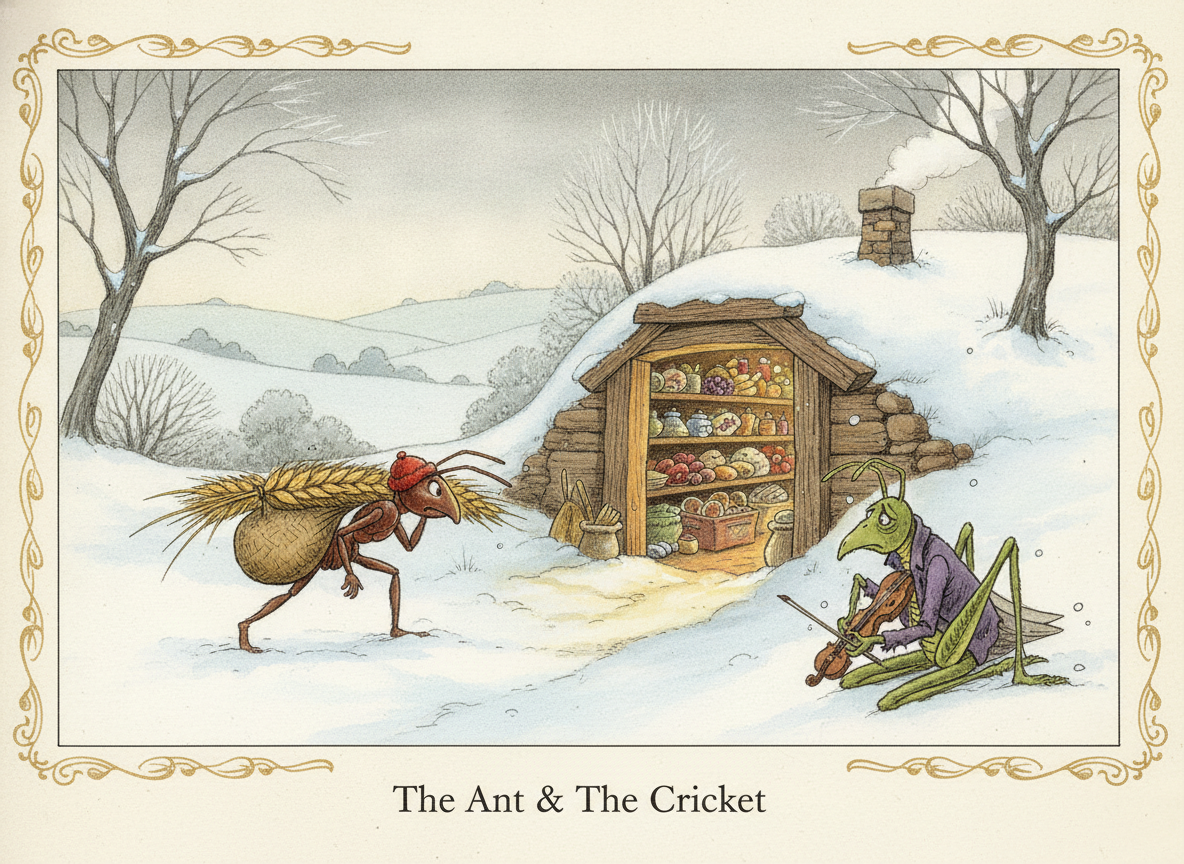
This fable tells the story of a silly young cricket who spent the warm, sunny months of summer singing and playing, while the hardworking ant spent his time gathering food and preparing for winter. When the cold winter arrived, the cricket found himself starving and went to the ant to beg for help. The ant, following the principle 'we ants never borrow; we ants never lend', refused to help the cricket, pointing out that those who do not work in the good times must suffer in the bad. The poem serves as a moral lesson on the importance of hard work and foresight.
Short Answer Questions
1. What was the cricket's complaint when winter arrived?
2. What did the ant mean by the line, 'we ants never borrow; we ants never lend'?
3. What is the moral of the poem?
Section 3: Grammar Practice
I. Subject and Predicate
Divide the following sentences into Subject and Predicate.
- The brave journalist returned to Mozambique.
- My mother’s vaccination programme was a lifesaver.
- The six men were swathed in bandoleers of ammunition.
- A silly young cricket complained of the cold.
- The hardworking ant stored grain for the winter.
II. Direct and Indirect Objects
Identify the Direct Object (DO) and the Indirect Object (IO) in the following sentences.
- The narrator gave the children sugar lumps. IO: ____________________ DO: ____________________
- The Commander showed the journalist his vaccination scar. IO: ____________________ DO: ____________________
- My mother bought me a medical chest. IO: ____________________ DO: ____________________
- The rebel escort handed the prisoner his confiscated items. IO: ____________________ DO: ____________________
- The ant refused the cricket any food. IO: ____________________ DO: ____________________
III. Types of Sentences
Identify the type of each sentence (Declarative/Affirmative, Interrogative, Imperative, or Exclamatory).
- Please hand back the items you confiscated. Type: ____________________
- Where did you learn to speak Chindau? Type: ____________________
- What a remarkable coincidence it was! Type: ____________________
- The sun was shining brightly in the sky. Type: ____________________
- Do not waste your time during the summer. Type: ____________________
IV. Identifying Phrases
Identify whether the highlighted part of the sentence is a Noun Phrase, an Adjective Phrase, or an Adverb Phrase.
- The man with the furry aviator’s hat led the patrol. Phrase Type: ____________________
- They trudged through the thick scrub. Phrase Type: ____________________
- To travel across the border was dangerous. Phrase Type: ____________________
- The doctor worked in a very dedicated manner. Phrase Type: ____________________
- The mountains, glittering with granite peaks, looked beautiful. Phrase Type: ____________________