Generated with Monsha
IGCSE Geography Note-Taking Worksheet: Changing Towns and Cities
Anything · IGCSE Year 1 · English
IGCSE Geography Note-Taking Worksheet: Changing Towns and Cities
Chapter 7: Changing Towns and Cities
Learning Objectives:
- Understand how towns and cities around the world have grown rapidly.
- Examine why a greater percentage of people live in urban areas.
- Identify the opportunities and challenges found in growing cities.
- Explore how urban growth can be managed.
Section 1: Where People Live
Key Definitions
- Urbanisation: __________________________________________________________________
- Conurbation: __________________________________________________________________
- Megacity: A city with a population of over ____________ million.
Historical Context & Trends
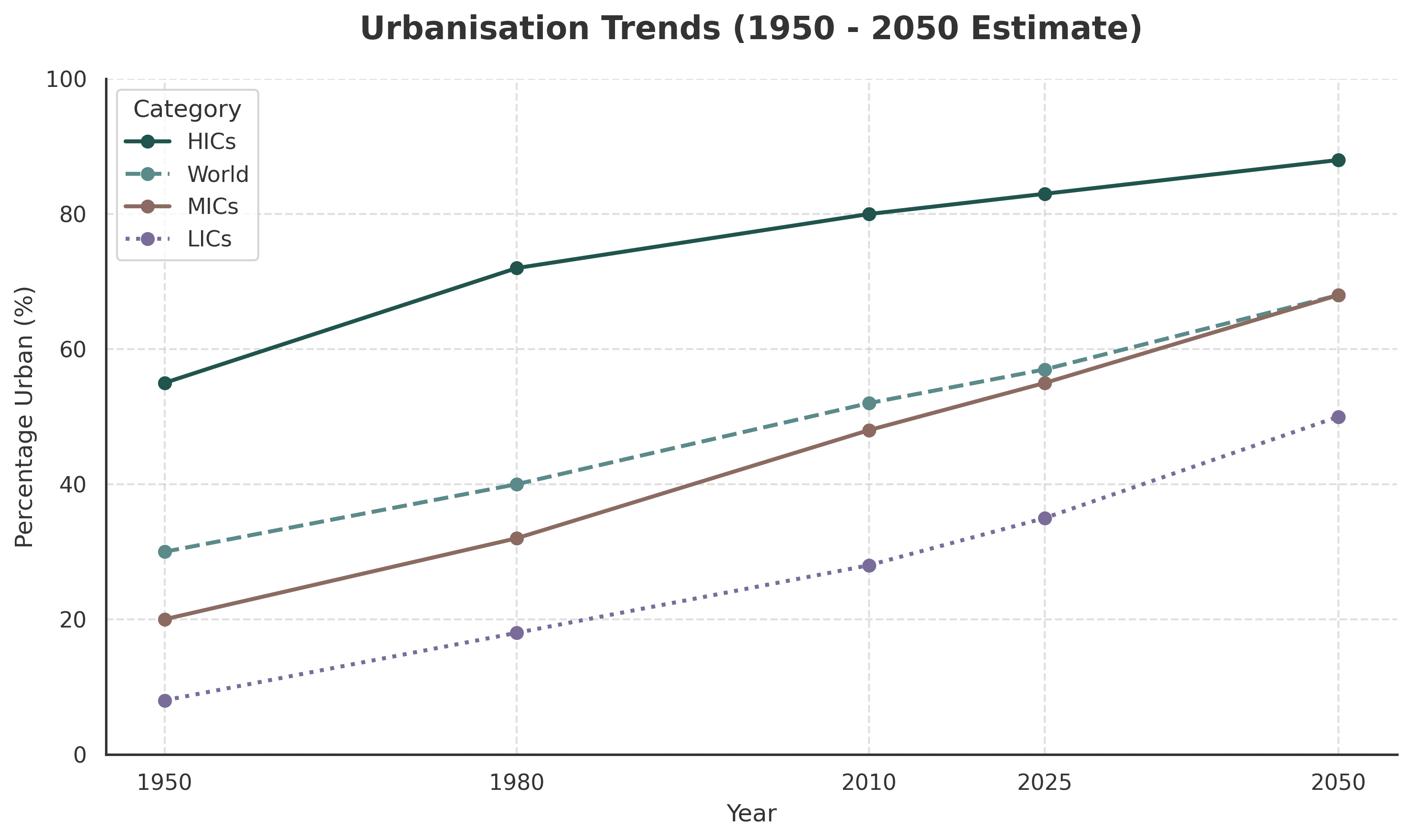
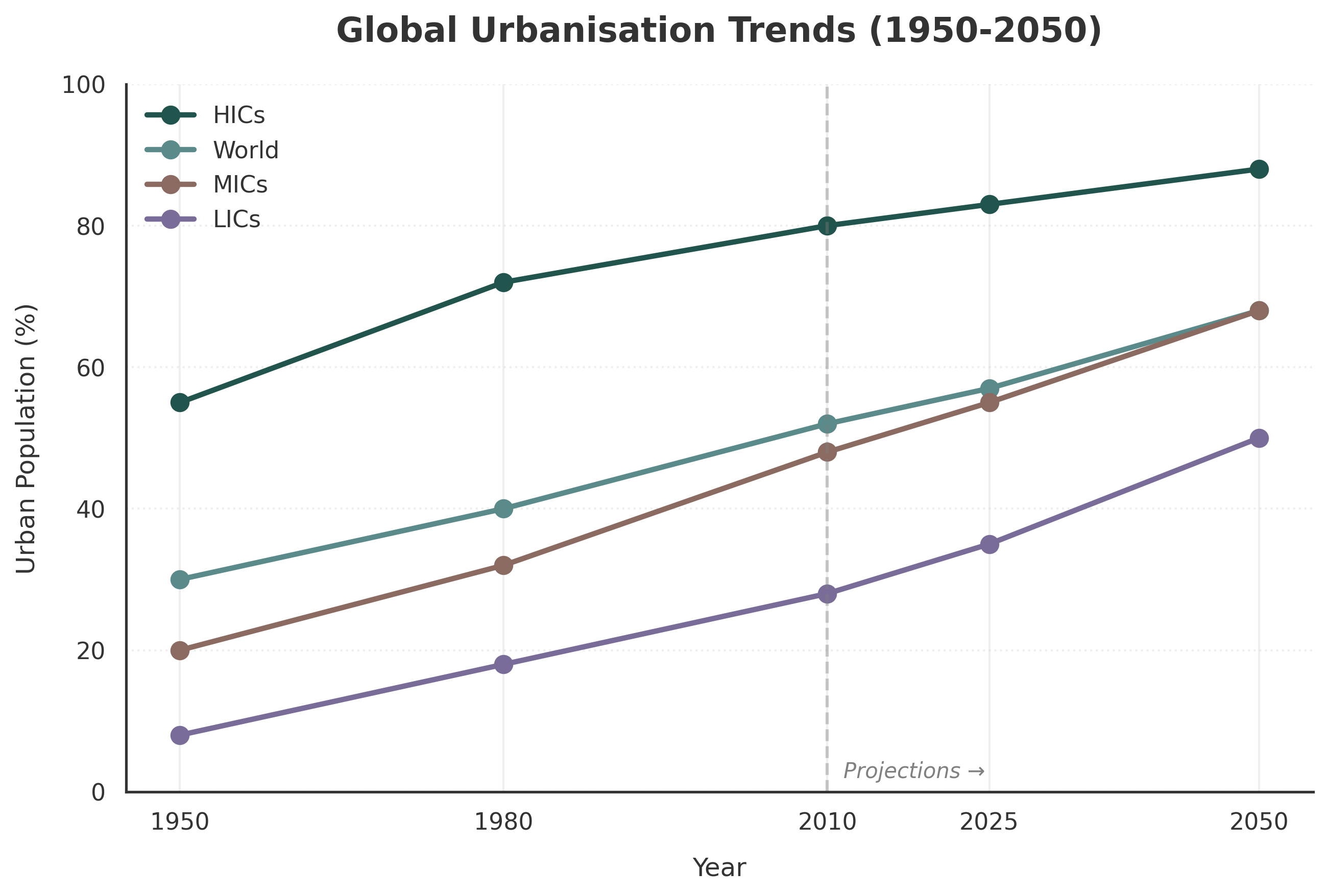
- 2007 Milestone: For the first time in history, more people lived in __________ and __________ than in villages and the countryside.
- Industrial Revolution: Urbanisation started over 200 years ago in High-Income Countries (HICs) like those in Europe and North America. People migrated to work in __________.
- Current Trends:
- In HICs, urbanisation is now __________ or has stopped completely.
- In Low-Income Countries (LICs) and South-east Asia, urbanisation has increased rapidly since __________.
Section 2: Why do Global Urban Growth Rates Vary?
Declining Rates in HICs
Many HICs are experiencing counter-urbanisation. This is the movement of people from urban areas back to __________ areas.
- Reasons for counter-urbanisation:
- Desire for peace and quiet.
- High __________ costs in cities.
- Ability to commute from further away.
Rapid Growth in LICs
Cities in South and East Asia are growing most rapidly.
- Natural Increase: The overall increase in population (births exceeding deaths) is a major factor. For example, in 2024, the growth rate in Chad was and DR Congo was.
Section 3: Why do People Move to Towns and Cities in LICs?
Migration is driven by Push and Pull factors.
- Push Factors: Factors that drive people away from rural areas.
- Pull Factors: Factors that attract people to urban areas.
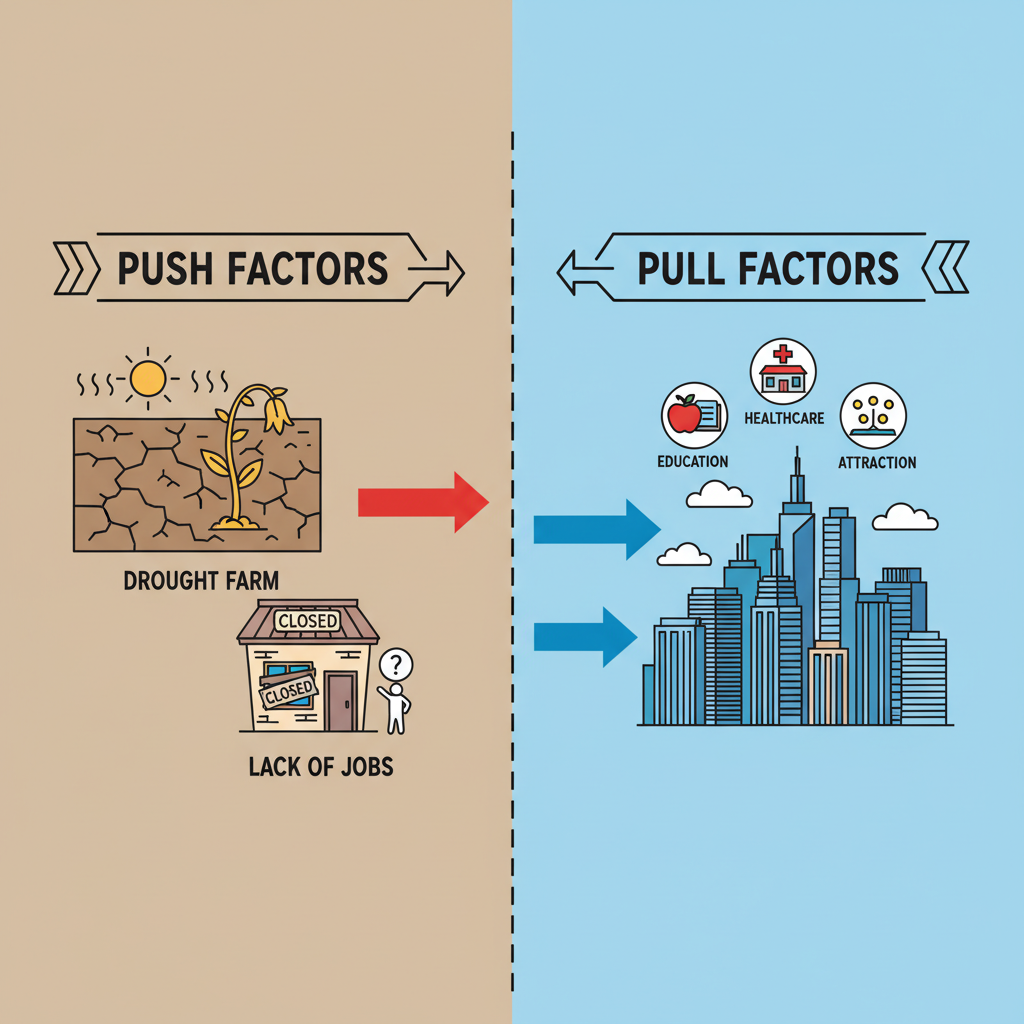
Factor Type | Push Factors (Rural) | Pull Factors (Urban) |
|---|---|---|
Social | Poor education/healthcare | Better lifestyle, cultural attractions |
Economic | Low wages, hard farm work | Jobs in secondary/tertiary industries |
Environmental | Drought, crop failure, famine | More reliable resources |
Political | Civil war, lawlessness | Safety, political stability |
Section 4: Living in Towns and Cities
Urban Housing Types
- High-density housing: Small dwellings with little open space, often in older city centers.
- Apartments: Multi-storey buildings; can range from luxury to low-income units.
- Low-density housing: Fewer dwellings per square kilometer; common in suburbs with gardens.
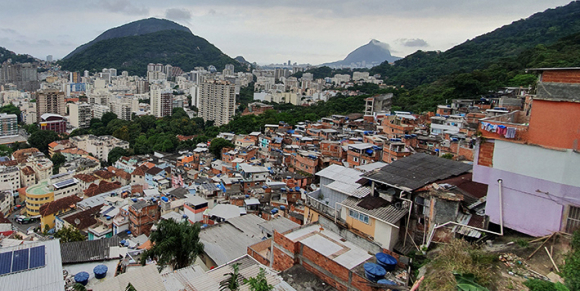
- Unplanned (Informal) settlements: Also known as favelas or bustees. These are built from makeshift materials (plastic, metal, cardboard) and often lack basic services like __________ and __________.
Urban Opportunities
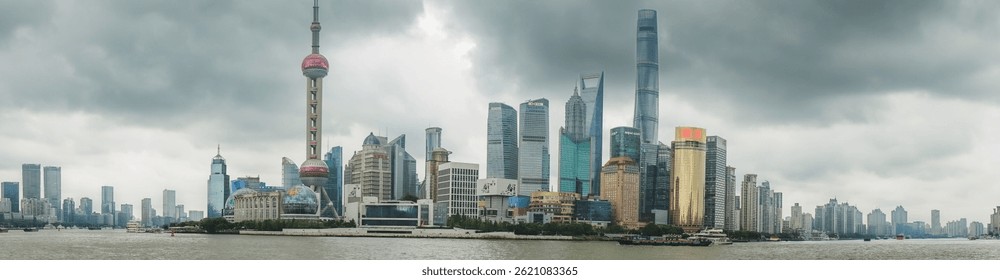
- Leisure: Access to sports stadiums, theaters, and cinemas.
- Economic Development: Cities produce over of the world's GDP.
- Multiculturalism: Cities like London and New York have diverse populations with hundreds of languages spoken.
Section 5: What are the Challenges of Rapid Urban Growth?
Housing and Service Shortages
Rapid growth leads to shortages in housing, education, and healthcare. Residents in informal settlements face:
- Lack of legal rights (risk of eviction).
- Disease outbreaks (e.g., cholera) due to poor __________.
- Extreme overcrowding and poverty.
Transport and Pollution
- Traffic Congestion: Common in all large cities; made worse by rapid population growth.
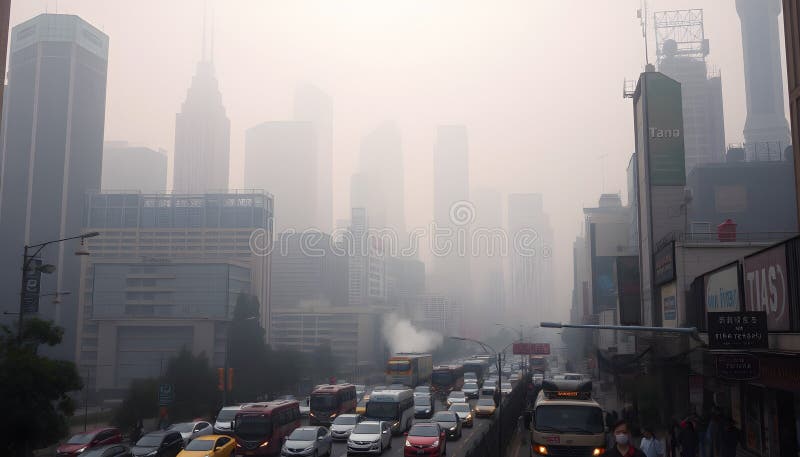
- Air Pollution: Sources include vehicles, industry, and open fires. In 2024, Unicef reported an average of __________ children under five die every day from health impacts linked to air pollution.
- Waste Management: Cities like Nairobi produce thousands of tonnes of garbage daily, much of which ends up in illegal dumps or rivers.
Review Questions
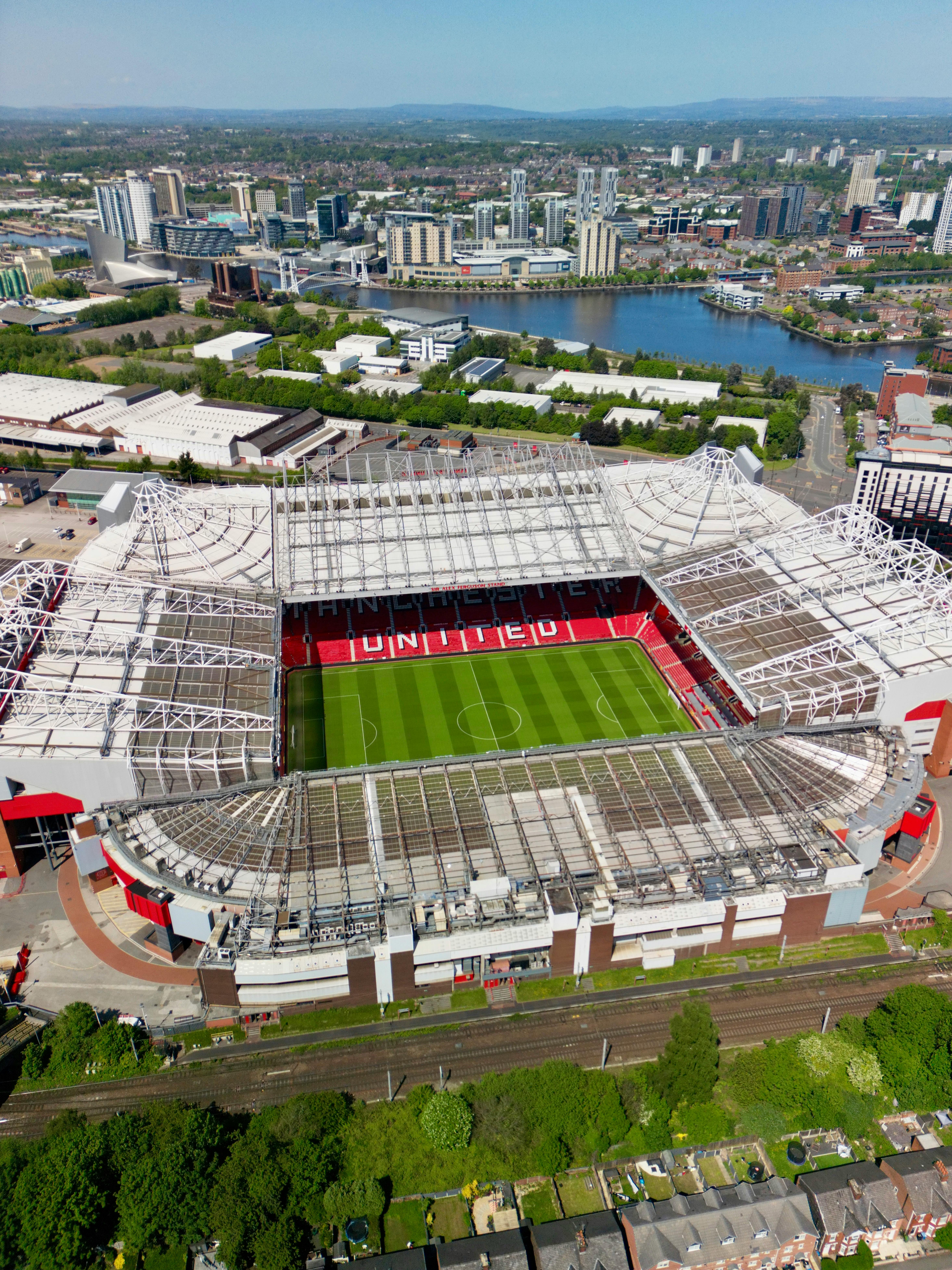
- Map Analysis: Study Fig. 7.3 (in your textbook) which shows the locations of the ten largest urban areas in 1975 and 2025. How has the distribution changed?
- LIC Urbanisation: Look at the following list of LICs and their current percentages of urban population (2025). Group them by continent. (e.g., Afghanistan, Burundi, Chad, Gambia, Malawi, Mali, Yemen).
- Africa: _________________________________________________________
- Asia: __________________________________________________________
- Migration: Complete a table to describe the different push and pull factors affecting migration (Social, Economic, Environmental, Political).
- Key Terms: Define the following terms in your own words:
- a. Unplanned/informal settlement: __________________________________
- b. Conurbation: ___________________________________________________
- c. Productivity: ____________________________________________________
- d. Underemployment: ______________________________________________
- e. Multiculturalism: ______________________________________________"
IGCSE Note-Taking Worksheet: Changing Towns and Cities
Chapter 7: Changing Towns and Cities
Section 1: Where People Live
Urbanisation is defined as the increase in the percentage of the population living in ___________ and ___________. In the year ___________, a major milestone was reached when more people lived in urban areas than in the countryside.
Historical Trends
- In 1900, only ___________ and ___________ had populations over one million (millionaire cities). Today, there are over ___________.
- Urbanisation in HICs (High-Income Countries) began over 200 years ago during the ___________ ___________.
- Currently, ___________ per cent of people in HICs live in towns and cities, but growth here is now ___________ or has stopped completely.
- In contrast, urbanisation in ___________ (Low-Income Countries) has increased rapidly since 1950.
Conurbations
As cities grow ___________, they may merge with other towns to create conurbations. An example is Tokyo-Yokohama.
Section 2: Why do Global Urban Growth Rates Vary?
Declining Rates in HICs
In many HICs, there is a movement of people from urban areas back to rural areas called -.
- Reasons: High housing costs, desire for ___________ and ___________, and the ability to ___________ from rural homes to urban jobs.
Rapid Growth in LICs
Urban growth in LICs is driven by natural increase, where the ___________ rate is much higher than the ___________ rate. For example, in Chad, the population could double in approximately ___________ years.
Section 3: Why do People Move? (Push and Pull Factors)
Migration is often described using Push factors (reasons to leave) and Pull factors (attractions of the city).
Category | Push Factors (Rural) | Pull Factors (Urban) |
|---|---|---|
Social | Poor secondary schools | Better ___________ facilities |
Economic | Low ___________ and hard labor | Jobs in ___________ industries |
Environmental | ___________ and crop failure | Reliable resources |
Political | Civil war and lawlessness | Greater ___________ and safety |
Section 4: Living in Towns and Cities
Urban Housing Types
Housing Type | Description | Visual Example |
|---|---|---|
High-density | Small dwellings, little open space, usually near city ___________ | 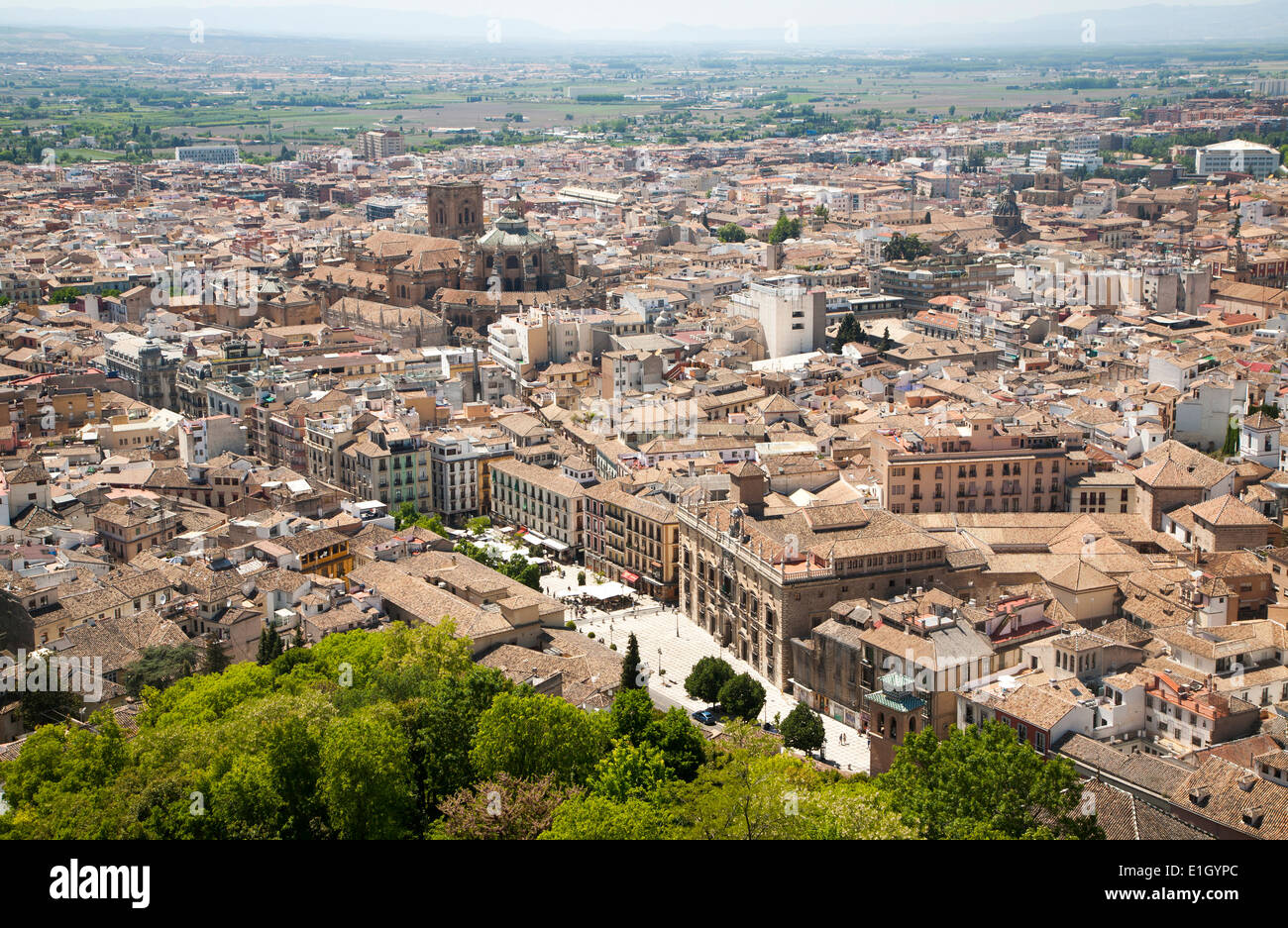 |
Apartments | Multi-storey buildings; can be high quality or for ___________ incomes | 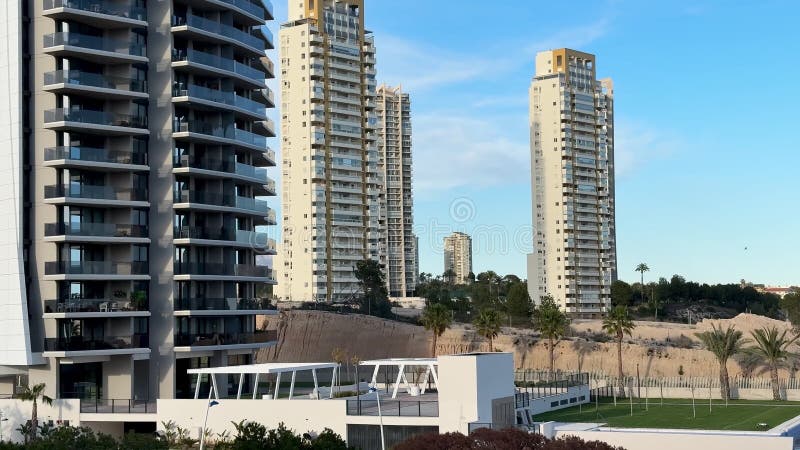 |
Low-density | Fewer dwellings per km², often with gardens in the ___________ |  |
Unplanned | Also called ___________ settlements; built from metal, plastic, or cardboard | 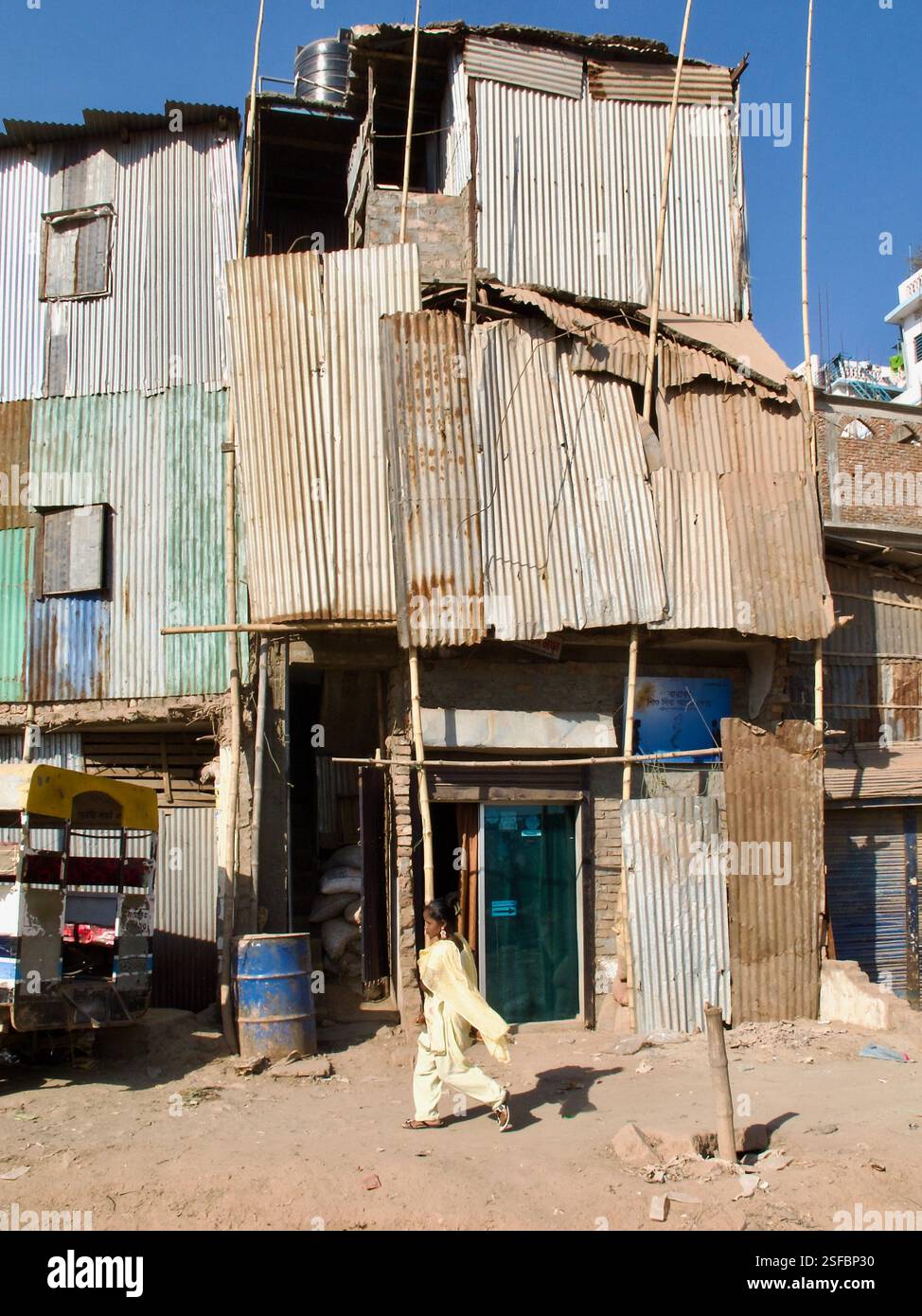 |
Section 5: Challenges of Rapid Urban Growth
- Housing Shortages: Caused by immigration, rural-urban migration, and ___________ growth.
- Traffic Congestion: Suburbs may be isolated due to a lack of ___________ transport.
- Pollution:
- Air Pollution: Sources include motor vehicles and ___________ emissions.
- Water Pollution: Contamination of rivers from industrial and domestic waste.
- Noise Pollution: Caused by traffic, aircraft, and large ___________.
Worksheet Questions
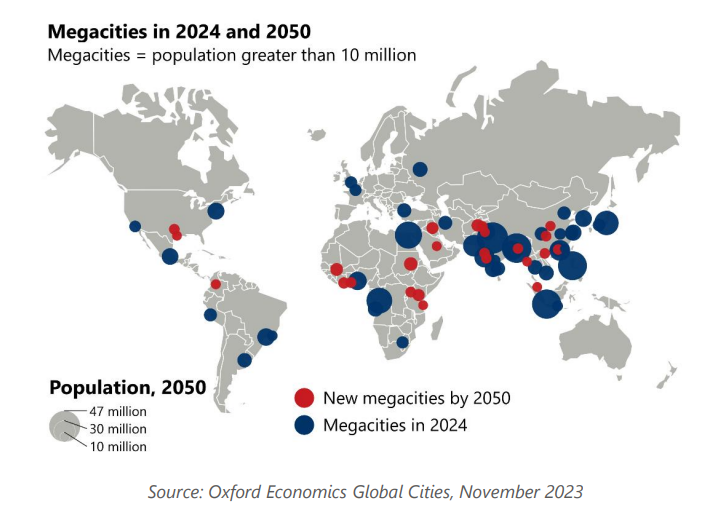
Question 1: Map Analysis [4 Marks]
Study Figure 7 above. Describe the change in the distribution of the world's ten largest urban areas between 1975 and 2025. Mention specific continents in your answer.
Question 2: Data Interpretation [3 Marks]
Using Table 7.2 from your textbook, identify which continent has the highest number of Low-Income Countries (LICs) with an urban population percentage below
.
Question 3: Migration Factors [4 Marks]
List two Environmental push factors and two Social pull factors that contribute to rapid urbanisation in LICs.
- Push (Environmental): 1. ___________ 2. ___________
- Pull (Social): 1. ___________ 2. ___________
Question 4: Definitions [5 Marks]
Provide a brief definition for each of the following terms:
a. Megacity: __________________________________________________
b. Counter-urbanisation: _________________________________________
c. Informal settlement: __________________________________________
d. Productivity: ________________________________________________
e. Gini co-efficient: ____________________________________________