Generated with Monsha
Save this resource to edit, expand, or export it, or create more resources for free.
Key Vocabulary: Cultural Anthropology and Global Festivals
Key Vocab Words
Undergraduate Year 1
English
Key Vocabulary: Cultural Anthropology and Global Festivals
Key Vocabulary: Global Festivals and Cultural Celebrations
This vocabulary collection examines the foundational ethnographic concepts, ritual traditions, and cultural terminology associated with prominent global festivals, including New Orleans Mardi Gras, Rio Carnival, Holi, Lunar New Year, Munich Oktoberfest, La Tomatina, and Día de los Muertos.
1. Carnivalesque
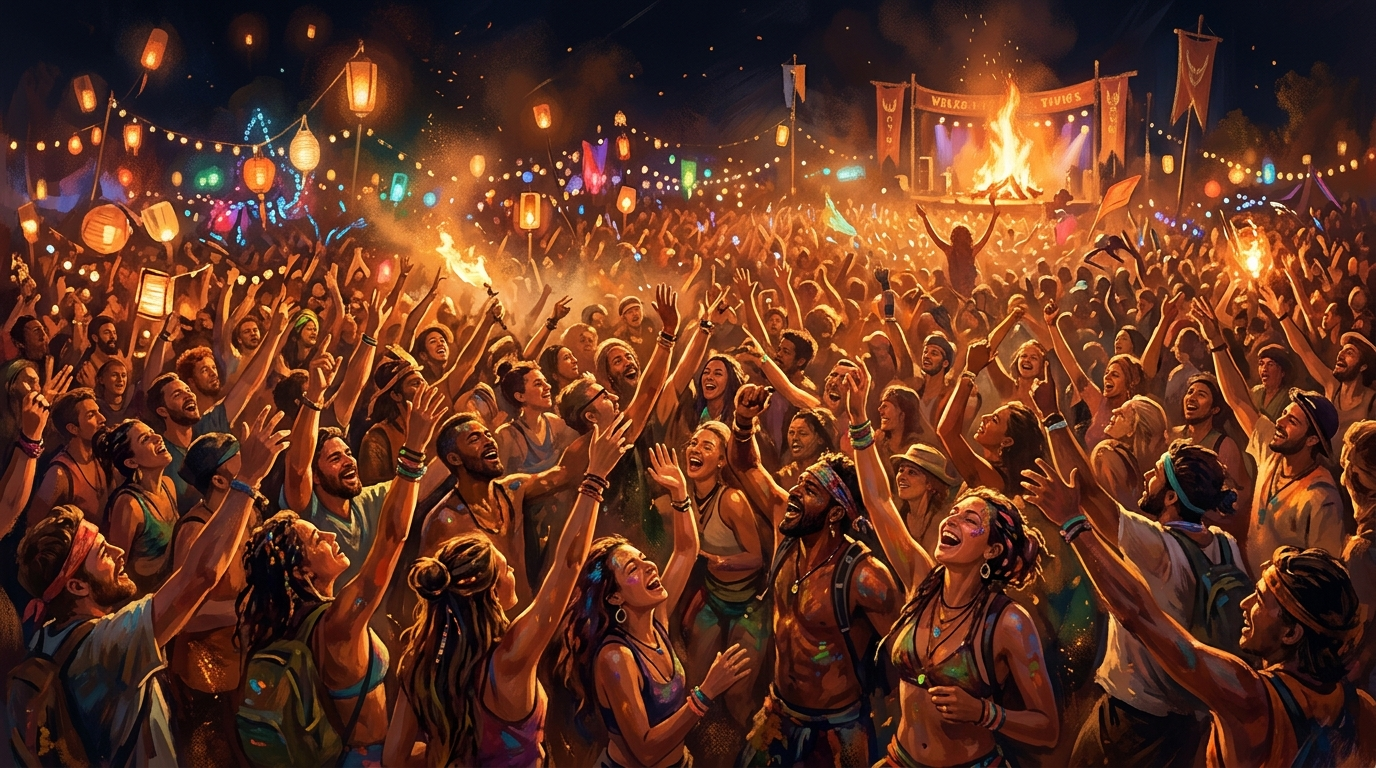
- Explanation: Developed by literary theorist Mikhail Bakhtin, the carnivalesque describes a socio-cultural phenomenon wherein everyday social hierarchies, behavioral decorum, and structural prohibitions are temporarily suspended in favor of playful subversion, grotesque humor, and sanctioned public chaos. In these spaces, the rigid boundaries separating spectators from performers dissolve, fostering a world turned upside down where the profane and the sacred collide.
- Practical Example: During New Orleans Mardi Gras or Rio Carnival, satirical parade floats and cross-dressing masquerades allow citizens to lampoon political leaders and subvert conventional social ranks without fear of retribution.
- Educational Context: In anthropology and cultural studies, the carnivalesque illustrates how public rituals act as institutional "safety valves," releasing social friction while paradoxically reinforcing cultural boundaries once everyday order resumes.
2. Communitas
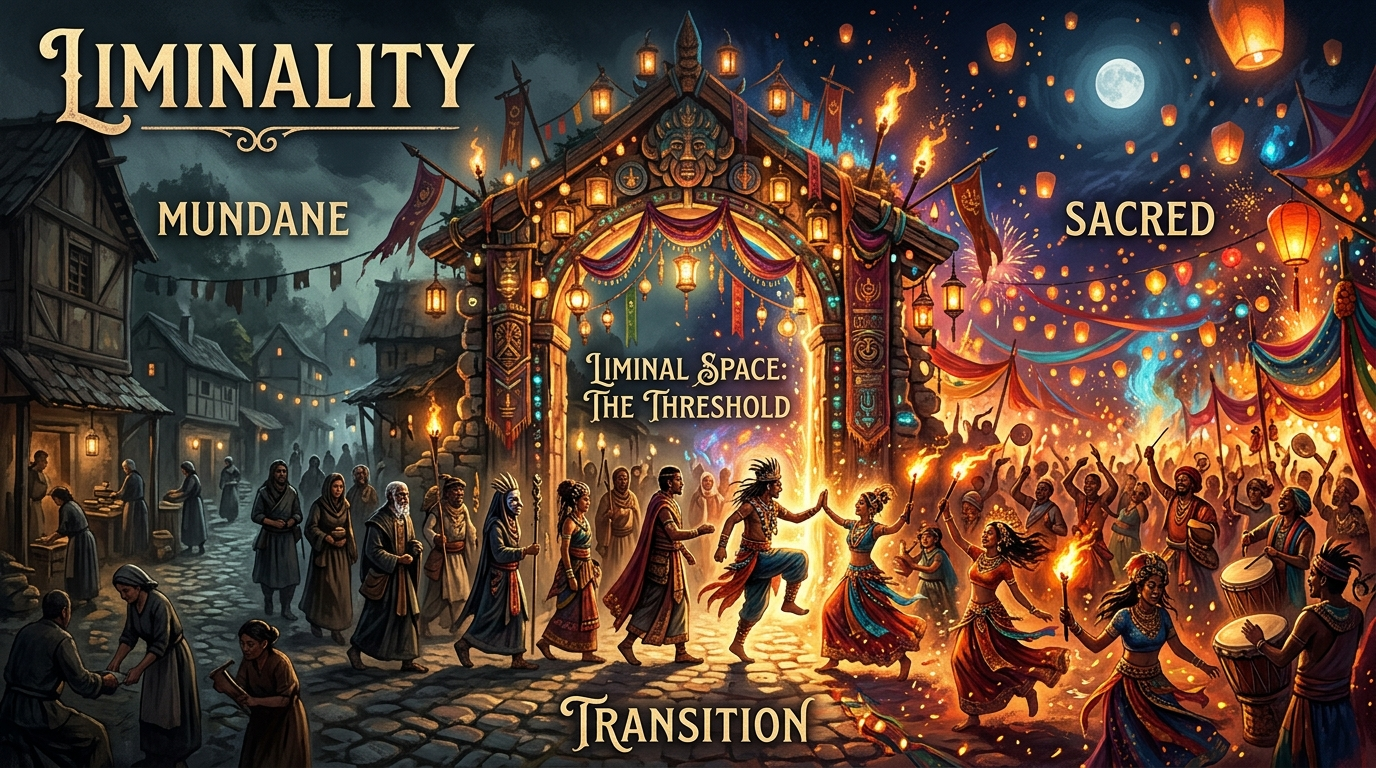
- Explanation: Conceptualized by cultural anthropologist Victor Turner, communitas refers to an intense state of unmediated social camaraderie, egalitarian bonding, and profound collective unity experienced by participants during rituals and festivals. This emotional solidarity emerges precisely because conventional social distinctions—such as wealth, class, and social status—are rendered meaningless within the shared festive space.
- Practical Example: Revelers throwing vibrant powders at one another during Holi or singing together in the Munich Oktoberfest beer tents experience communitas as strangers embrace as equal members of a singular collective.
- Educational Context: Turner positioned communitas as an essential phase of ritual performance that momentarily transcends social stratification and revitalizes collective conscience.
3. Liminality
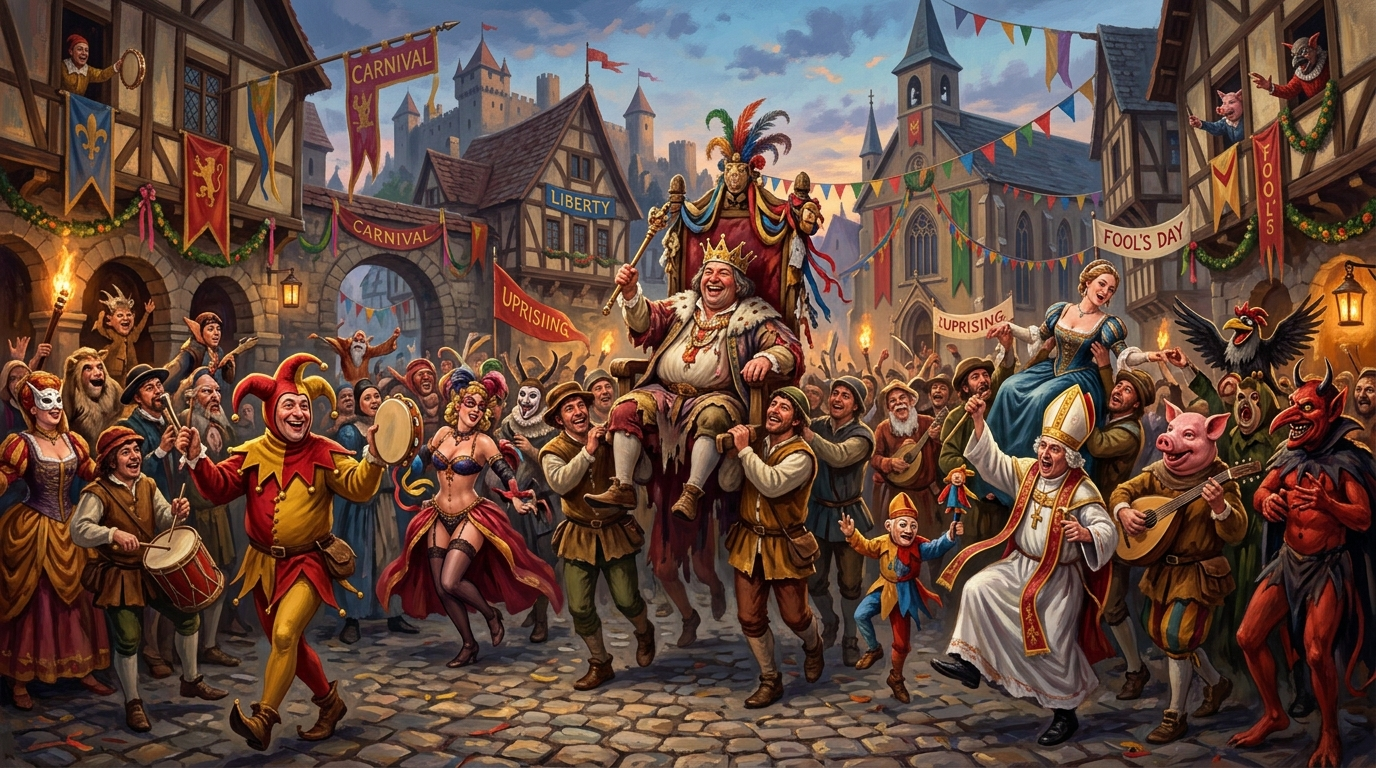
- Explanation: Originally identified by Arnold van Gennep and expanded by Victor Turner, liminality denotes the intermediate, "in-between" threshold state during a ritual or festival where participants are stripped of their normal societal status and roles. Existing outside regular secular time, individuals in a liminal state navigate an ambiguous social environment characterized by heightened freedom, role reversals, and communal reinvention.
- Practical Example: The period spanning the opening ceremony to the final ashes of Carnival represents a liminal interval in which standard civic schedules, dietary self-restraint, and professional obligations are wholly postponed.
- Educational Context: Liminality provides undergraduate researchers with an analytical framework for interpreting how festivals create sacred or ritualized temporal bubbles within modern urban landscapes.
4. Krewe
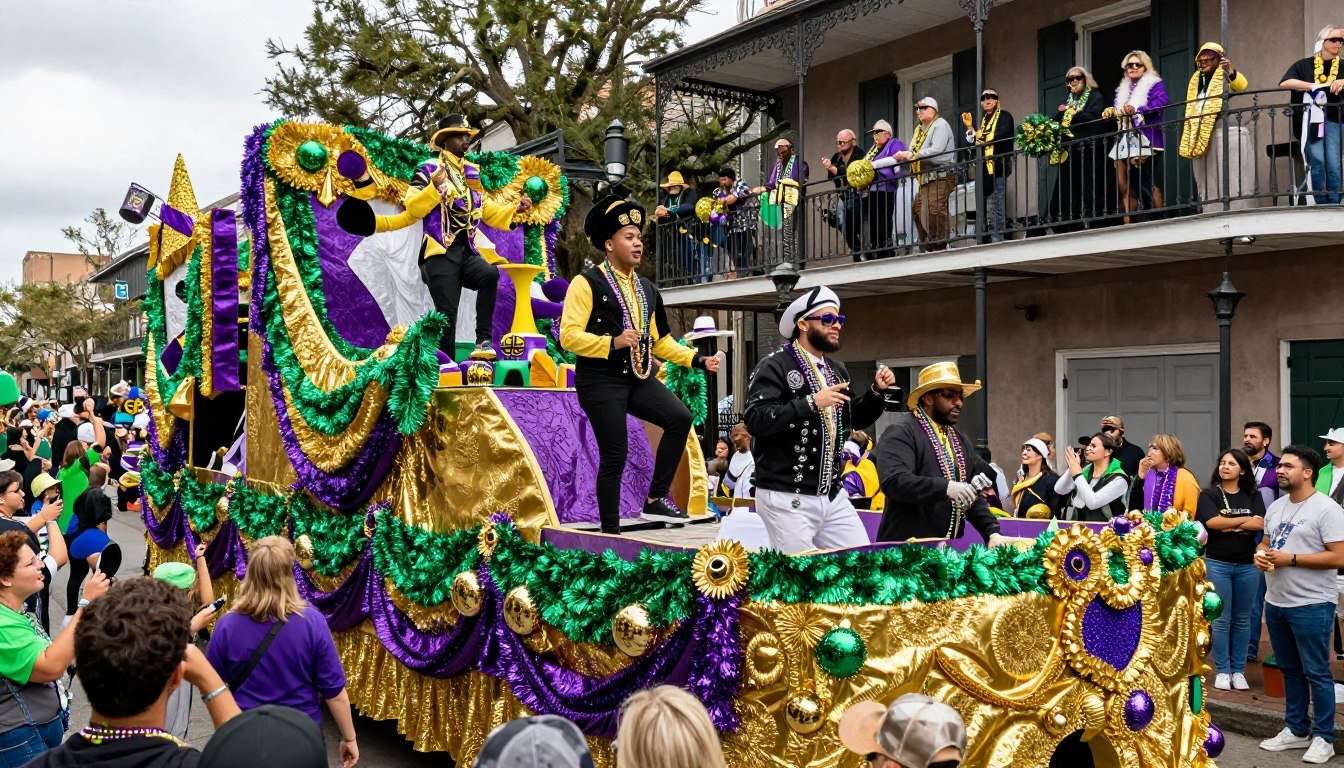
- Explanation: A krewe is an exclusive civic or social organization responsible for staging parades, funding intricate floats, commissioning commemorative "throws," and hosting formal masquerade balls during the Carnival season in the Gulf Coast region of the United States. Historically reflecting local class structures and fraternal organizations, krewes range from historic, aristocratic societies to contemporary satirical or neighborhood-based walking groups.
- Practical Example: Krewes such as Rex, Bacchus, or the satirical Krewe du Vieux organize hundreds of riders who toss bead necklaces, doubloons, and hand-painted cups into crowds lining the streets of New Orleans.
- Educational Context: Analyzing krewes enables scholars to trace the historical shifts in urban civic participation, from exclusionary elite enclaves to more pluralistic, democratic expressions of civic identity.
5. Mardi Gras Indians
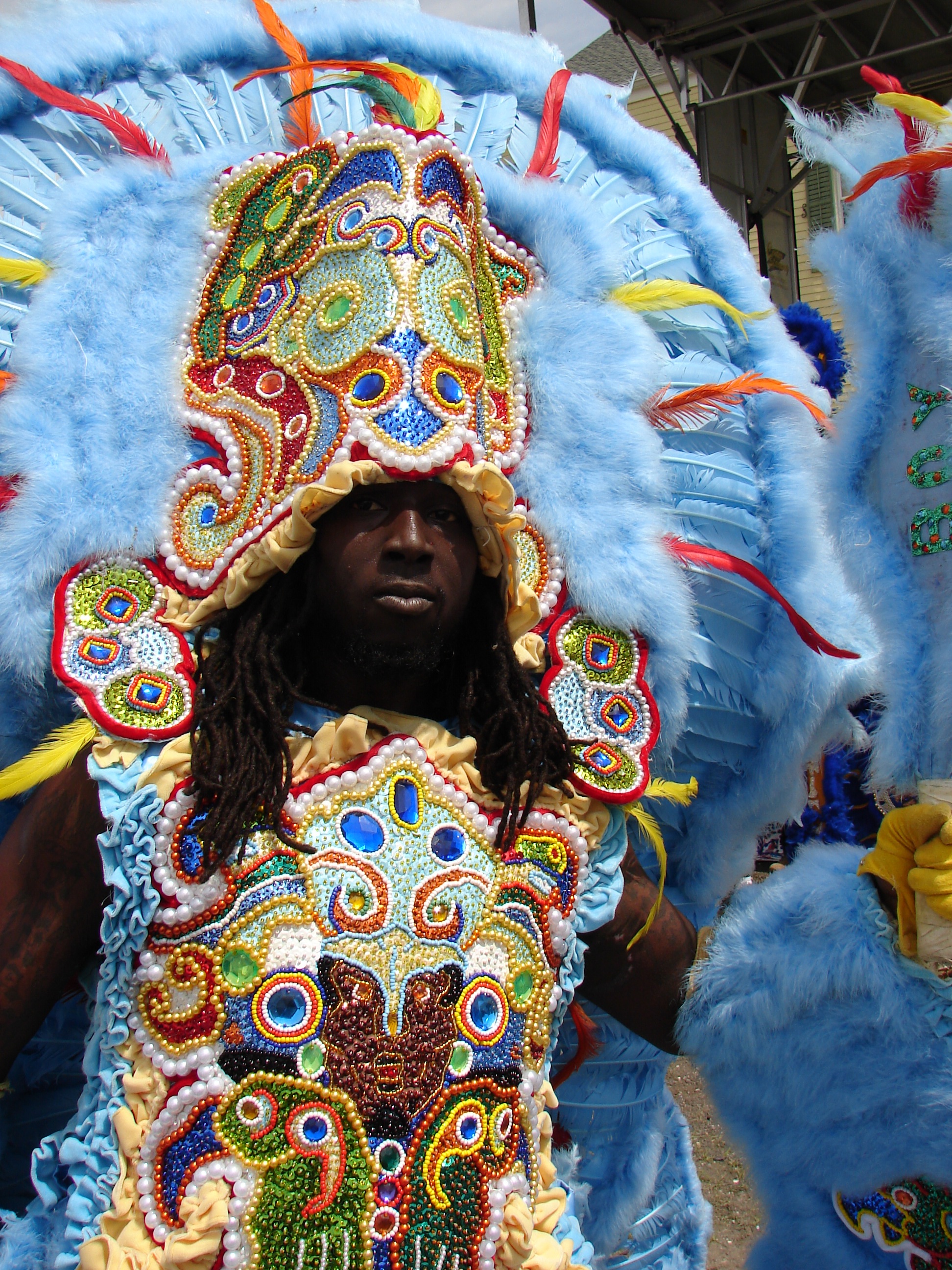
- Explanation: Mardi Gras Indians (also referred to as Black Masking Indians) are members of African American cultural organizations in New Orleans who design, sew, and parade in monumental suits adorned with intricate beadwork, rhinestones, and vibrant plumage. Rooted in resistance against racial segregation, this centuries-old tradition pays homage to Native Americans who sheltered enslaved individuals escaping Louisiana plantations.
- Practical Example: On Mardi Gras day and St. Joseph's Night, rival "tribes" meet on backstreet intersections to engage in ceremonial confrontations evaluated through call-and-response song, drumming, and aesthetic superiority rather than physical violence.
- Educational Context: The tradition constitutes a vital subject in African diaspora studies, demonstrating how marginalized communities maintain oral histories and subvert institutional oppression through ritual craft and competitive pageantry.
6. Sambadrome (Sambódromo)
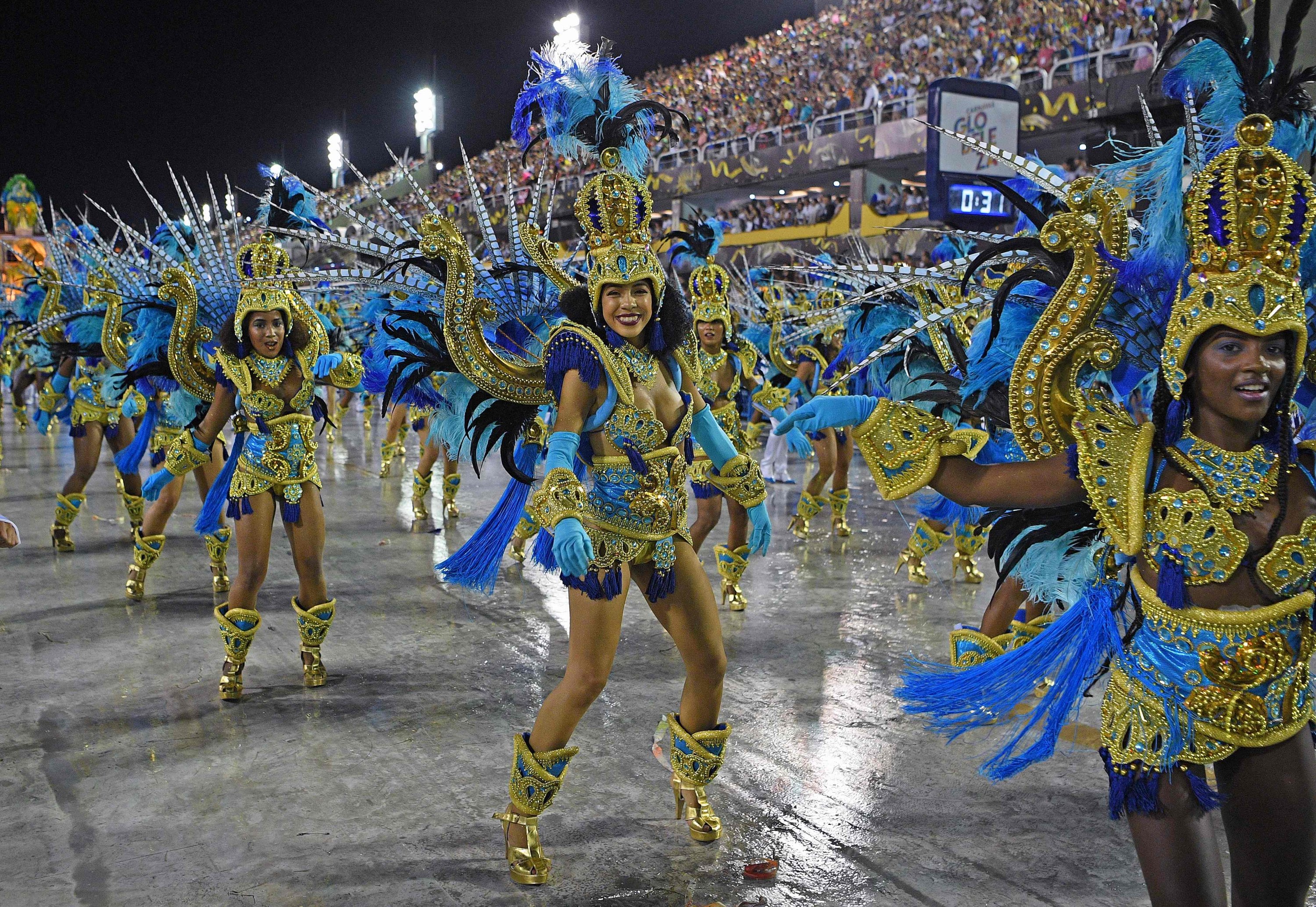
- Explanation: The Sambadrome (officially the Sambódromo Marquês de Sapucaí) is an architecturally designed stadium exhibition avenue in Rio de Janeiro, Brazil, designed by Oscar Niemeyer specifically to host the annual competitive parades of the top-tier samba schools (escolas de samba). Stretching approximately 700 meters, it centralizes and professionalizes Carnival into a high-stakes, nationally broadcast artistic tournament.
- Practical Example: Each samba school is allocated precisely 80 minutes to navigate the Sambadrome with thousands of costumed dancers, drummers, and monumental mechanical floats while being scored across rigorous criteria by official judges.
- Educational Context: The construction and operation of the Sambadrome represents the institutionalization and commodification of Afro-Brazilian folk culture, contrasting heavily with organic street celebrations.
7. Bloco
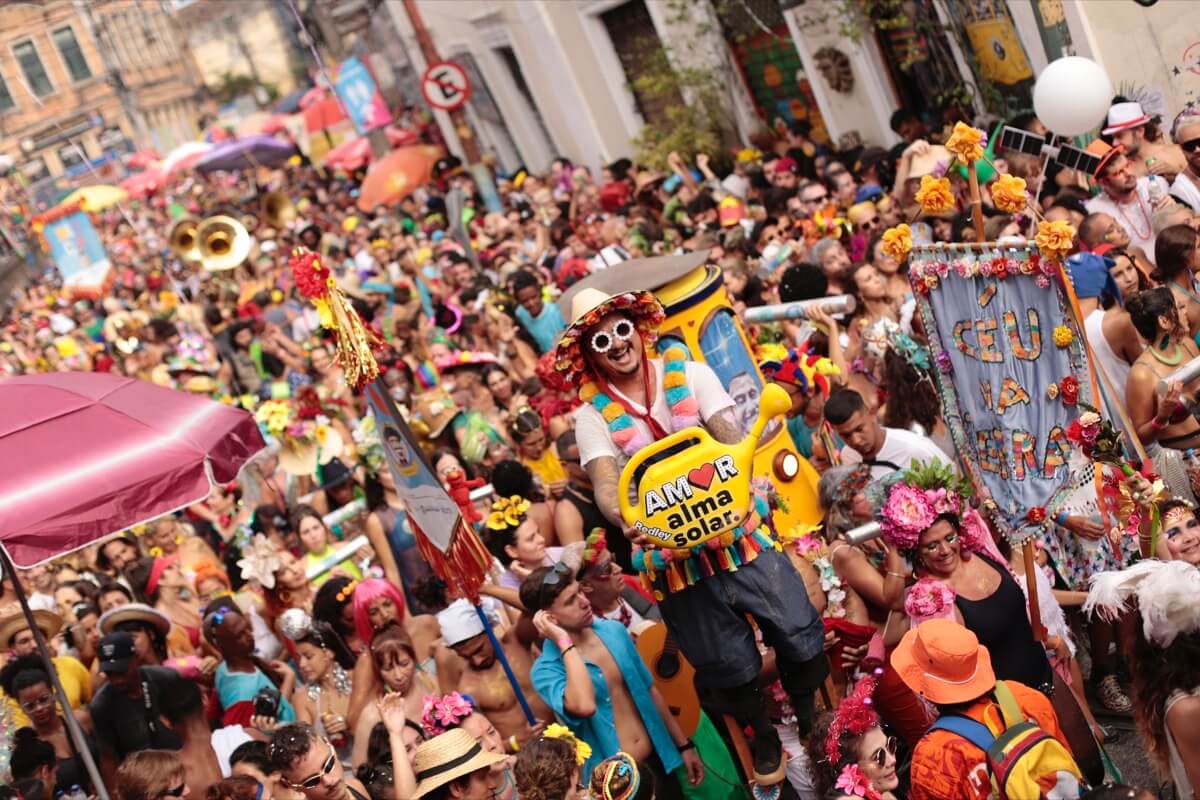
- Explanation: A bloco is an informal, participatory neighborhood street party and musical band that mobilizes public spaces across Brazil during the Carnival season. Unlike the ticketed and regulated spectacles of the Sambadrome, blocos are free, decentralized, and deeply embedded in neighborhood identities, featuring percussion bands playing brass and samba rhythms as massive crowds follow behind.
- Practical Example: Historic blocos such as Cordão do Bola Preta in downtown Rio or dawn gatherings like Céu na Terra in Santa Teresa attract hundreds of thousands of costumed revelers singing localized anthems.
- Educational Context: In urban sociology, blocos illustrate the reclaiming of public commons by municipal residents, highlighting democratic cultural expression against commercialized festival spectacles.
8. Lathmar Holi
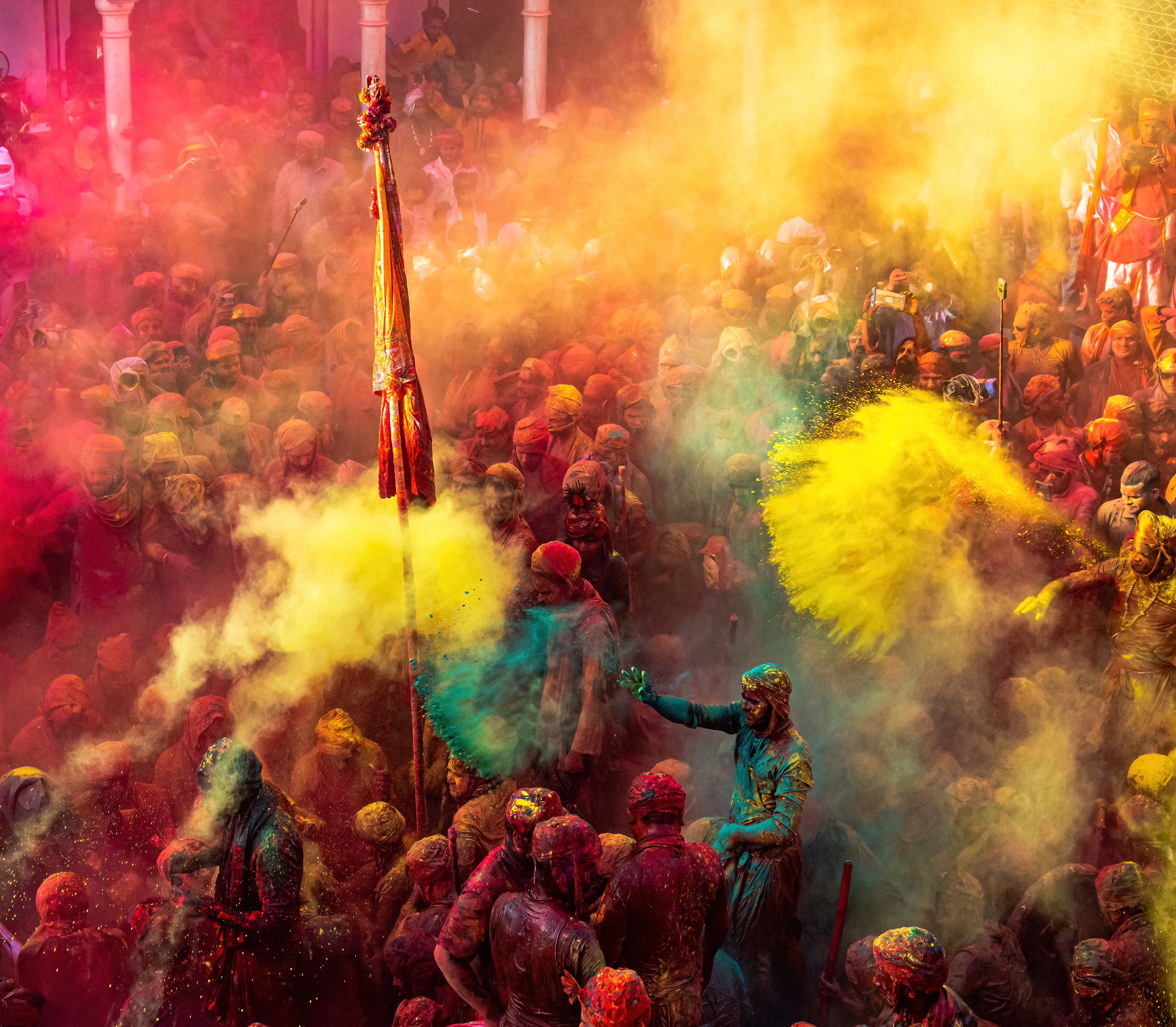
- Explanation: Lathmar Holi is a regional variant of the Hindu spring festival celebrated in the Braj region of Uttar Pradesh, India (primarily Barsana and Nandgaon), recreating the mythological folklore of Lord Krishna and Radha. The ritual centers on a formalized, playful role reversal in which local women strike the wooden or leather shields held by men with long wooden sticks (lathis) amid singing and colored powder throwing.
- Practical Example: Men visiting from Nandgaon must defend themselves with heavy shields while singing provocative folk songs as women from Barsana vigorously beat their shields to symbolically repel their advances.
- Educational Context: This celebration offers a clear ethnographic case study of ritualized gender inversion, where patriarchal authority is momentarily transformed and renegotiated within traditional community parameters.
9. Chunyun (Spring Festival Travel Rush)

- Explanation: Chunyun refers to the approximately 40-day travel period surrounding the Lunar New Year (Spring Festival) in China, recognized as the largest recurring annual human migration on Earth. Encompassing billions of passenger journeys via high-speed rail, air, and highway networks, it is driven by the cultural imperative of familial reunion and ancestral veneration.
- Practical Example: Migrant workers and university students across major urban centers like Beijing and Shenzhen mobilize weeks in advance to secure train tickets home for the traditional Lunar New Year's Eve reunion dinner (Nianye Fan).
- Educational Context: Chunyun provides human geographers and sociologists with insights into modern urbanization patterns, rural-to-urban labor dynamics, and the enduring resilience of kinship structures in contemporary globalized economies.
10. Temple Fair (Miaohui)
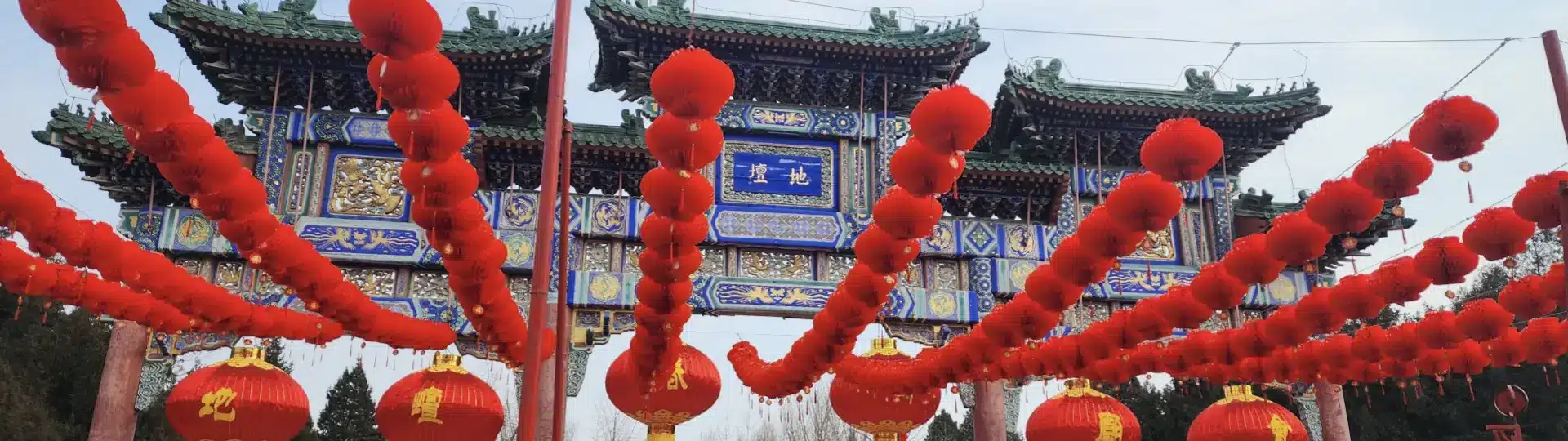
- Explanation: A Temple Fair (Miaohui) is a traditional Chinese communal gathering held adjacent to Taoist or Buddhist temples during the Spring Festival, combining religious devotion with civic entertainment and marketplace commerce. Featuring traditional folk arts—such as dragon and lion dances, acrobatic displays, shadow puppetry, and regional street gastronomy—these fairs serve as primary public social hubs.
- Practical Example: Families attending Beijing's Ditan Park Temple Fair purchase traditional crafts and tanghulu (candied hawthorn skewers) while watching theatrical performances commemorating the turn of the agricultural calendar.
- Educational Context: Temple fairs reflect the historical integration of religious devotion, local market economies, and folk heritage preservation within Chinese civic life.
11. Theresienwiese (The "Wiesn")
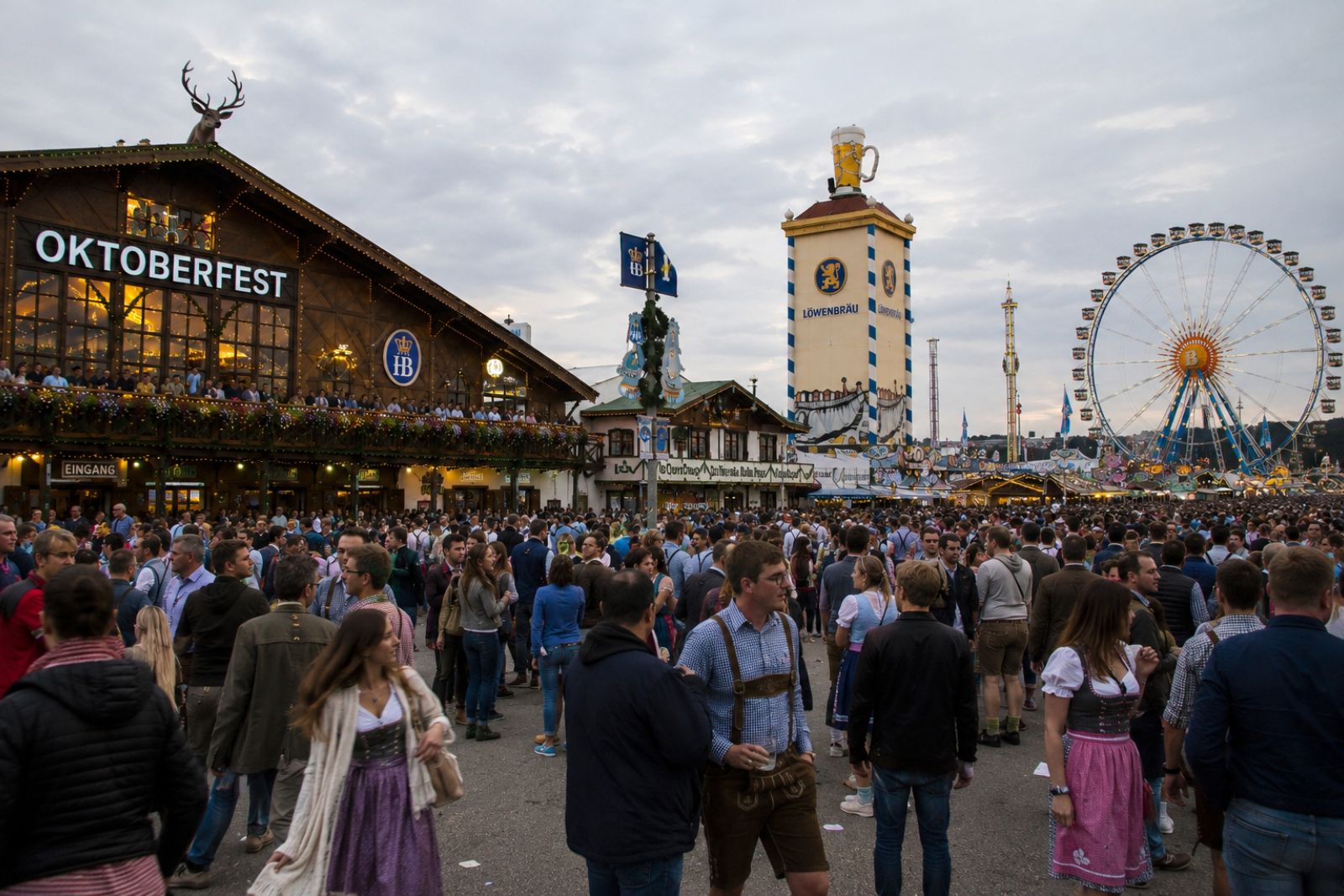
- Explanation: The Theresienwiese (locally abbreviated as the Wiesn) is the 42-hectare public open space in Munich, Germany, that serves as the official fairground for Oktoberfest, originating from the 1810 royal wedding celebrations of Crown Prince Ludwig and Princess Therese. It hosts massive temporary beer halls operated by historic Munich breweries, folk fairgrounds, and brass band orchestras that draw millions of international visitors.
- Practical Example: The festival officially commences on the Wiesn when Munich's mayor taps the inaugural beer keg with the ceremonial exclamation "O'zapft is!" ("It is tapped!") inside the Schottenhamel tent.
- Educational Context: The Wiesn provides a model for studying European civic ritual, the invention of national/regional tradition, and the logistical scaling of mass cultural tourism.
12. Palo Jabón
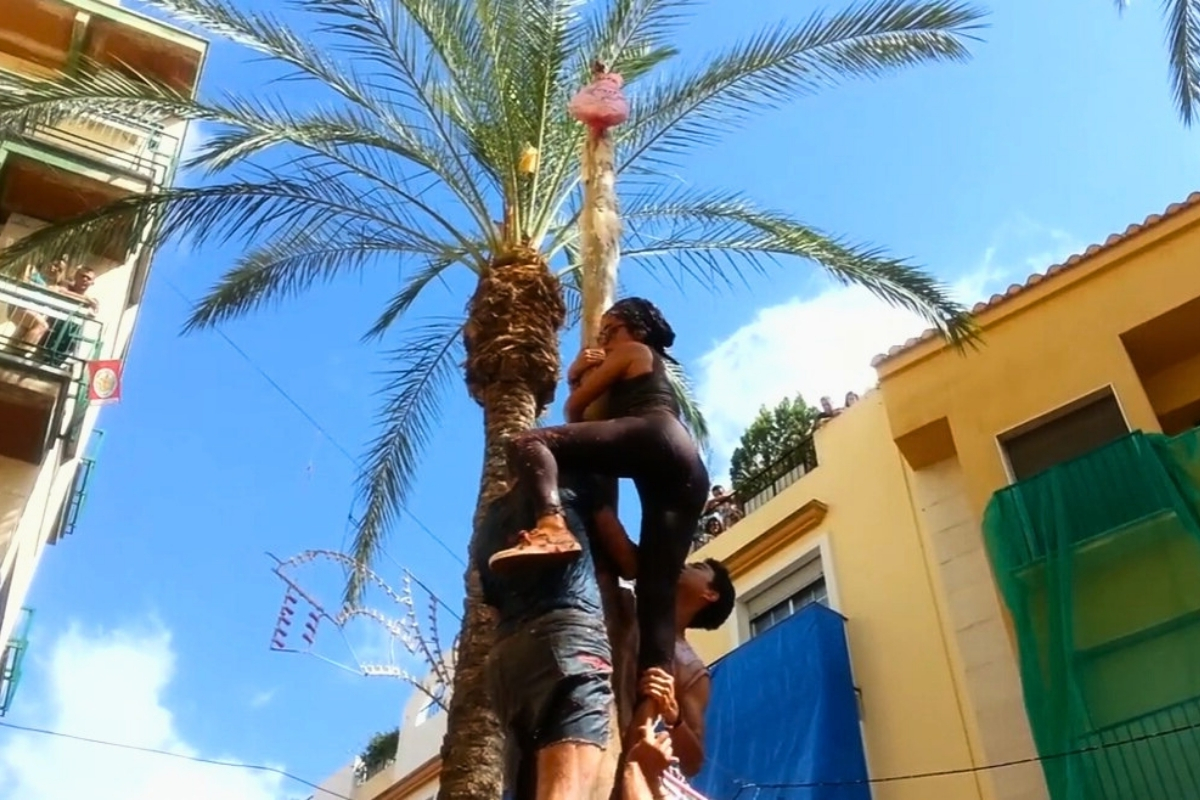
- Explanation: The Palo Jabón is a traditional folk contest involving a tall wooden pole slathered in animal fat or soap, with a cured Spanish ham (jamón) secured at its apex, serving as the official prelude to the La Tomatina tomato fight in Buñol, Spain. Revelers must climb over one another in a chaotic human pyramid to retrieve the prize, an endeavor that marks the opening signal for tomato-laden trucks to enter the plaza.
- Practical Example: Crowds gather in Buñol's Plaza del Pueblo at 10 a.m. cheering on competitors struggling against the slick grease until someone reaches the ham, triggering the start cannon.
- Educational Context: As a vestige of Mediterranean folk games and agrarian harvest celebrations, the Palo Jabón illustrates how physically demanding communal games inaugurate modern civic spectacles.
13. Ofrenda
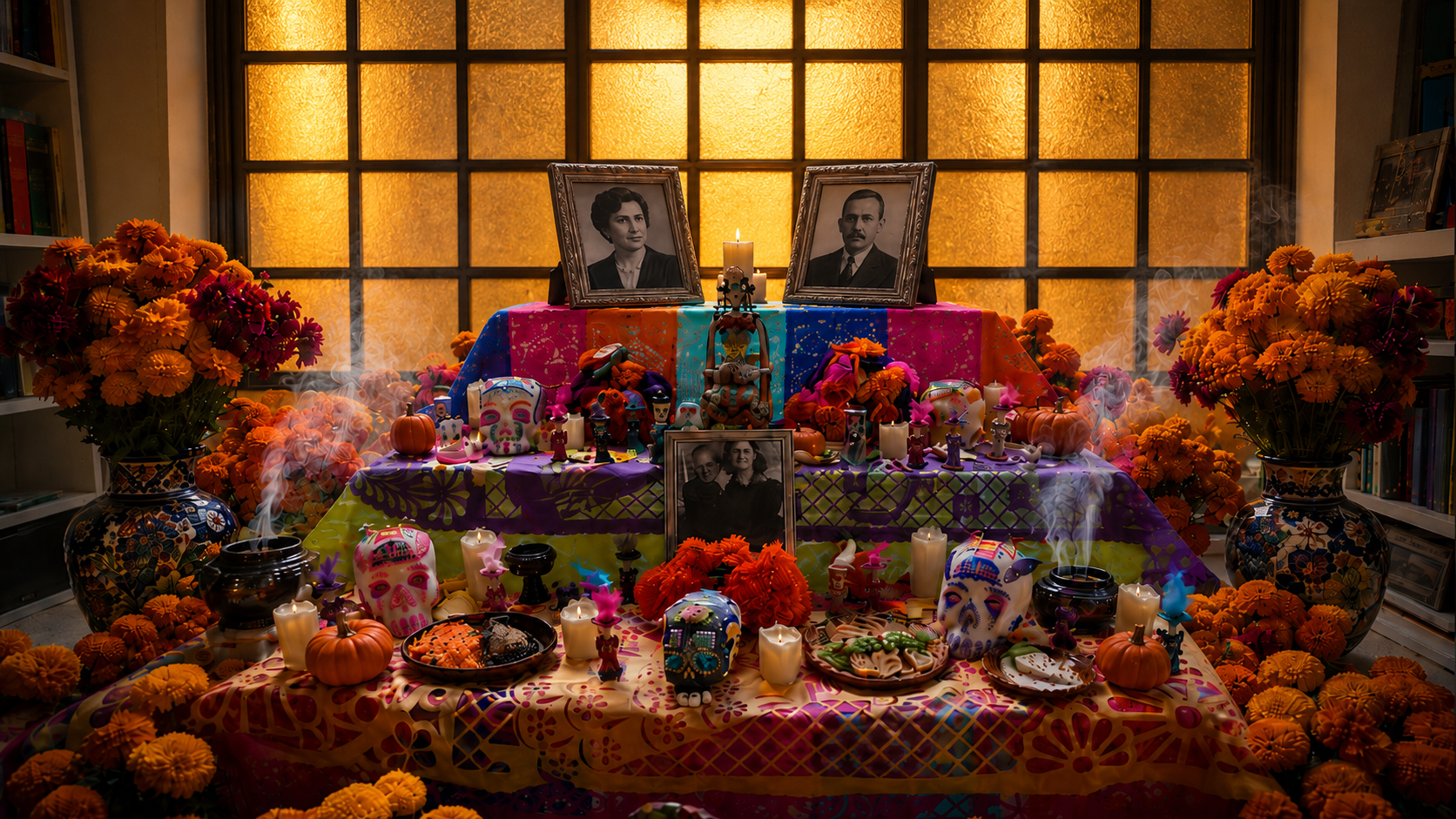
- Explanation: An ofrenda is an elaborate, multi-tiered memorial altar constructed in homes, public squares, and cemeteries across Mexico during Día de los Muertos to honor and welcome the spirits of deceased relatives. Built upon indigenous and Catholic ritual cosmologies, an ofrenda incorporates specific symbolic items representing the four elements: water to quench the soul's thirst, papel picado for wind, candles for fire, and earth represented by food and yellow marigolds (cempasúchil).
- Practical Example: In Oaxaca, families place framed photographs of their departed ancestors alongside their favorite dishes, such as mole negro, mezcal, sweet bread (pan de muerto), and sugar calaveras.
- Educational Context: The ofrenda demonstrates how material culture serves as an active medium for collective memory, kinship continuity, and non-Western epistemologies of death.
14. La Catrina

- Explanation: La Catrina (originally La Calavera Garbancera) is an iconic visual symbol of Mexican identity and Día de los Muertos, originating from an early 20th-century zinc etching by political lithographer José Guadalupe Posada and popularized by muralist Diego Rivera. Depicting an elegant skeleton wearing an extravagant European aristocratic hat, the figure was created as a satire of indigenous Mexicans who sought to deny their heritage by mimicking European bourgeois fashions.
- Practical Example: During contemporary Day of the Dead processions in Mexico City, thousands of participants paint their faces in intricate calavera designs and don formal vintage dresses to embody La Catrina.
- Educational Context: In visual anthropology, La Catrina exemplifies how political satire and memento mori motifs can evolve into foundational symbols of national cultural identity.
15. Cultural Syncretism
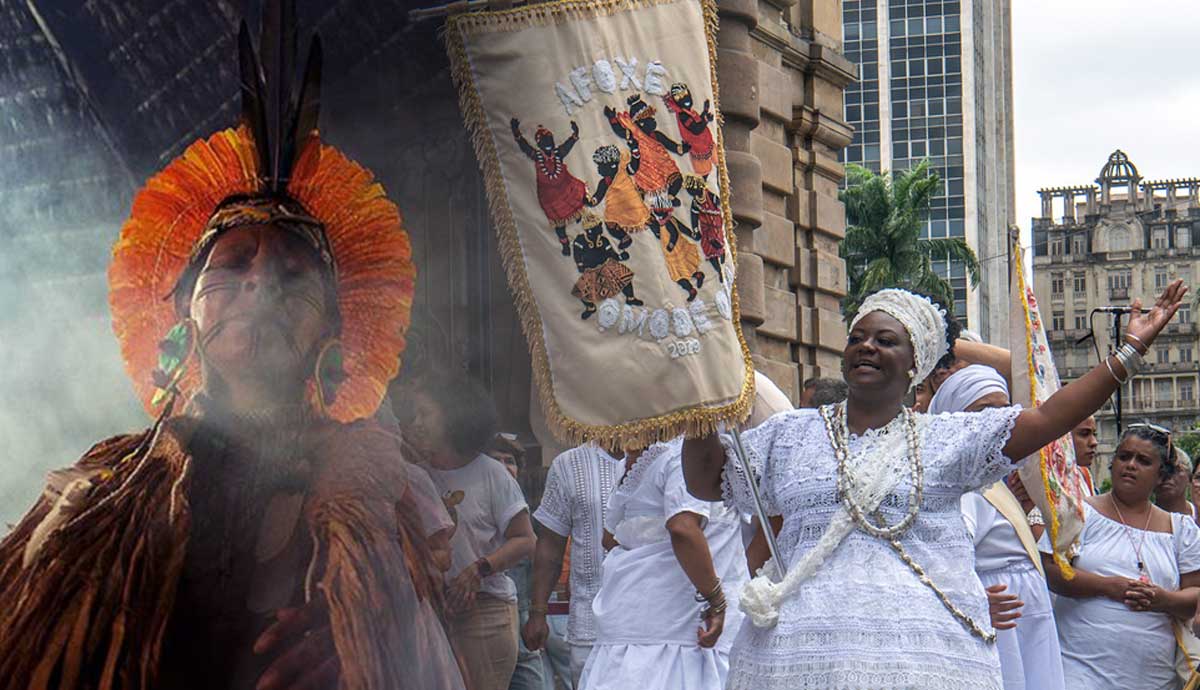
- Explanation: Cultural syncretism refers to the amalgamation or hybridization of disparate religious doctrines, artistic practices, and mythological systems into entirely novel cultural expressions. In festival studies, it explains how colonized or subjugated peoples harmonized pre-colonial spiritualities with the institutional dogmas imposed by colonizers, often cloaking indigenous deities beneath Christian feast days.
- Practical Example: Día de los Muertos synthesizes pre-Hispanic Nahua rituals celebrating the goddess Mictecacihuatl with the Roman Catholic liturgical calendar of All Saints' Day and All Souls' Day.
- Educational Context: Syncretism is a core theoretical construct in undergraduate postcolonial and religious studies, challenging essentialist narratives of cultural purity by emphasizing historical adaptation and creative survival.