Generated with Monsha
Ratifying the 19th Amendment: A Primary Source Investigation
Anything · Grade 4 · English
Ratifying the 19th Amendment: A Primary Source Investigation
Introduction: The Final Battle for the Vote
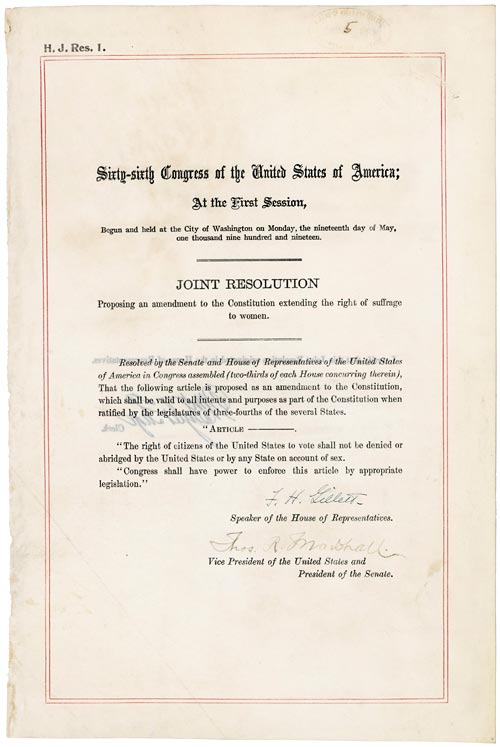
In 1920, the United States stood at a crossroads. For over 70 years, women had been fighting for the right to vote—a struggle known as the Suffrage Movement. To change the Constitution, thirty-six states had to "ratify" (approve) the 19th Amendment. By August, thirty-five states had said yes. Everything came down to one final state: Tennessee.
Task 1: Analyzing the Strategies of Suffrage
The movement was led by two incredible women with very different ideas on how to win. Read their quotes and the description of their methods below.
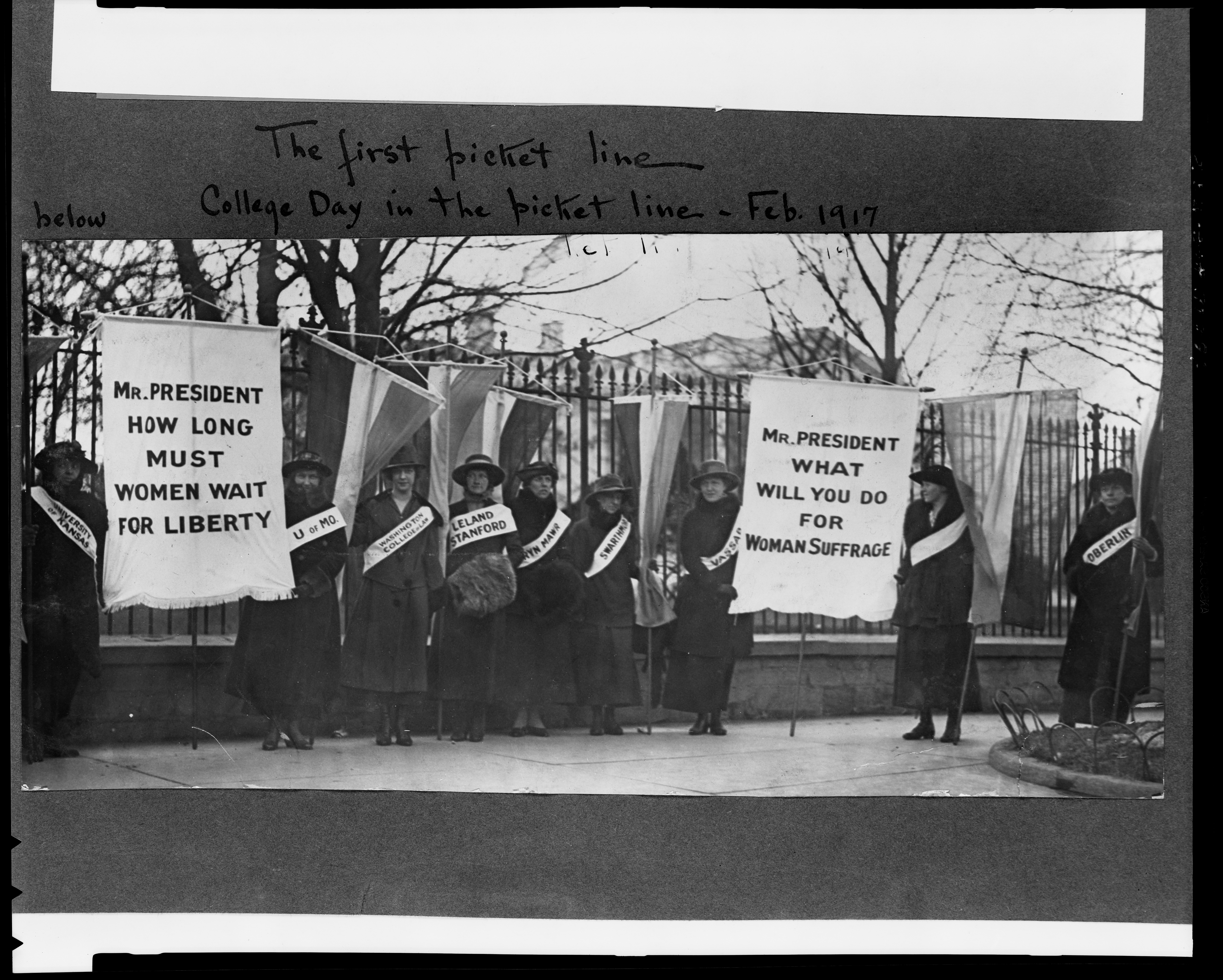
- Alice Paul (The Militant): Alice Paul believed in direct action. She organized the "Silent Sentinels," a group of women who stood outside the White House every day, even in the freezing cold and rain, holding signs to protest.
- Her Words: "I never doubted that equal rights was the right direction. Most reforms, most problems are complicated. But to me there is nothing complicated about ordinary equality."
- Carrie Chapman Catt (The Strategist): Carrie Chapman Catt believed in diplomacy. She spent her time meeting with politicians, writing letters, and building a massive organization to pressure the government from the inside.
- Her Words: "To the wrongs that need resistance, to the right that needs assistance... the march is on!"
Open-Ended Critical Thinking Question:
Compare the two strategies. Which leader do you think faced more personal risk, and why? Based on their quotes, how did each woman view the "difficulty" of the suffrage movement? Provide evidence from the text to support your inference.
Task 2: The "War of the Roses" and the Deciding Vote
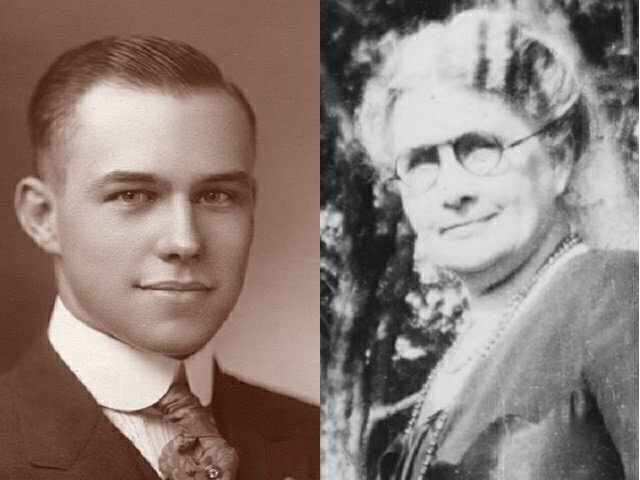
In the Tennessee legislature, the atmosphere was tense. Supporters of the vote wore yellow roses, while those who opposed it wore red roses. Harry Burn was a 24-year-old representative who walked into the room wearing a red rose. It looked like the amendment would fail.
However, Harry had a letter in his pocket from his mother, Febb Burn. It said:
"Hurrah and vote for suffrage and don't keep them in doubt... Don't forget to be a good boy and help Mrs. Catt put the 'Rat' in Ratification."
When the roll was called, Harry Burn shocked everyone. He voted "Aye" (Yes). The next day, he explained his choice:
"I knew that a mother's advice is always safest for a boy to follow... I appreciated the fact that an opportunity such as seldom comes to a mortal man to free seventeen million women from political slavery was mine."
Inference and Evidence Task:
- Analyze the Tone: Why do you think Febb Burn used the phrase "don't keep them in doubt" and "be a good boy"? What does this suggest about her relationship with her son and her view of the political situation?
- Evaluate Motivation: In his explanation, Harry Burn mentions both his mother’s advice and the idea of "freeing seventeen million women from political slavery." Which reason do you think was more powerful for him? Use his specific words to justify your conclusion.
Task 3: The Argument of the "Antis"
Not everyone wanted women to vote. "Anti-suffragists" published pamphlets to convince the public that the amendment was a bad idea. One pamphlet stated:
"Housewives! You do not need a ballot to clean out your sink spout. A woman’s place is in the home."
Synthesizing Perspectives:
If Alice Paul were to read this pamphlet, how might she respond? Use her quote from Task 1 to construct a short rebuttal (argument) that she might have used to convince a housewife that the vote was about more than just household chores.
Task 4: The Legacy of a Single Vote
Imagine you are a reporter in Nashville on August 18, 1920. Write a short editorial explaining how the ratification of the 19th Amendment changed the meaning of democracy in America. Your editorial must include:
- An explanation of why the 19th Amendment was necessary.
- An inference about how the United States might be different today if Harry Burn had followed his "red rose" instead of his mother's letter.
- A reference to one of the primary sources provided in this lesson.