Generated with Monsha
Mathematics Worksheet: Class 6 (Chapters 1-3)
Worksheet · Class 6 · English
Mathematics Worksheet: Class 6 (Chapters 1-3)
Concept Overview: First Three Chapters
Before starting the activities, review the main concepts covered in the first part of your textbook.
<MindMap data='{"label":"Class 6 Math (Ch. 1-3)","fontSize":35,"fontWeight":"bold","type":"visual","children":[{"label":"Knowing Our Numbers","color":"#3b82f6","children":[{"label":"Numeration Systems","image":"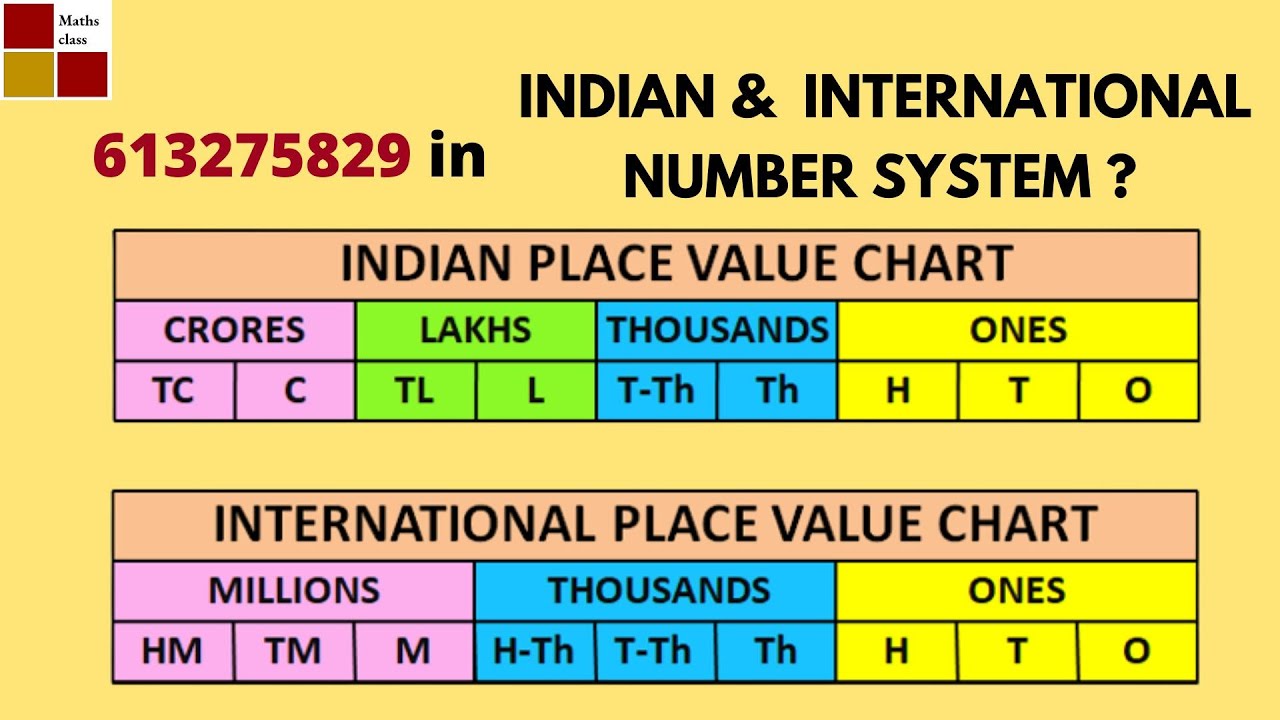","children":[{"label":"Indian System"},{"label":"International System"}]},{"label":"Estimation","children":[{"label":"Rounding to Tens"},{"label":"Rounding to Hundreds"},{"label":"Rounding to Thousands"}]},{"label":"Roman Numerals","children":[{"label":"I, V, X, L, C, D, M"},{"label":"Expansion of Brackets"}]}]},{"label":"Whole Numbers","color":"#22c55e","children":[{"label":"Number Line","image":"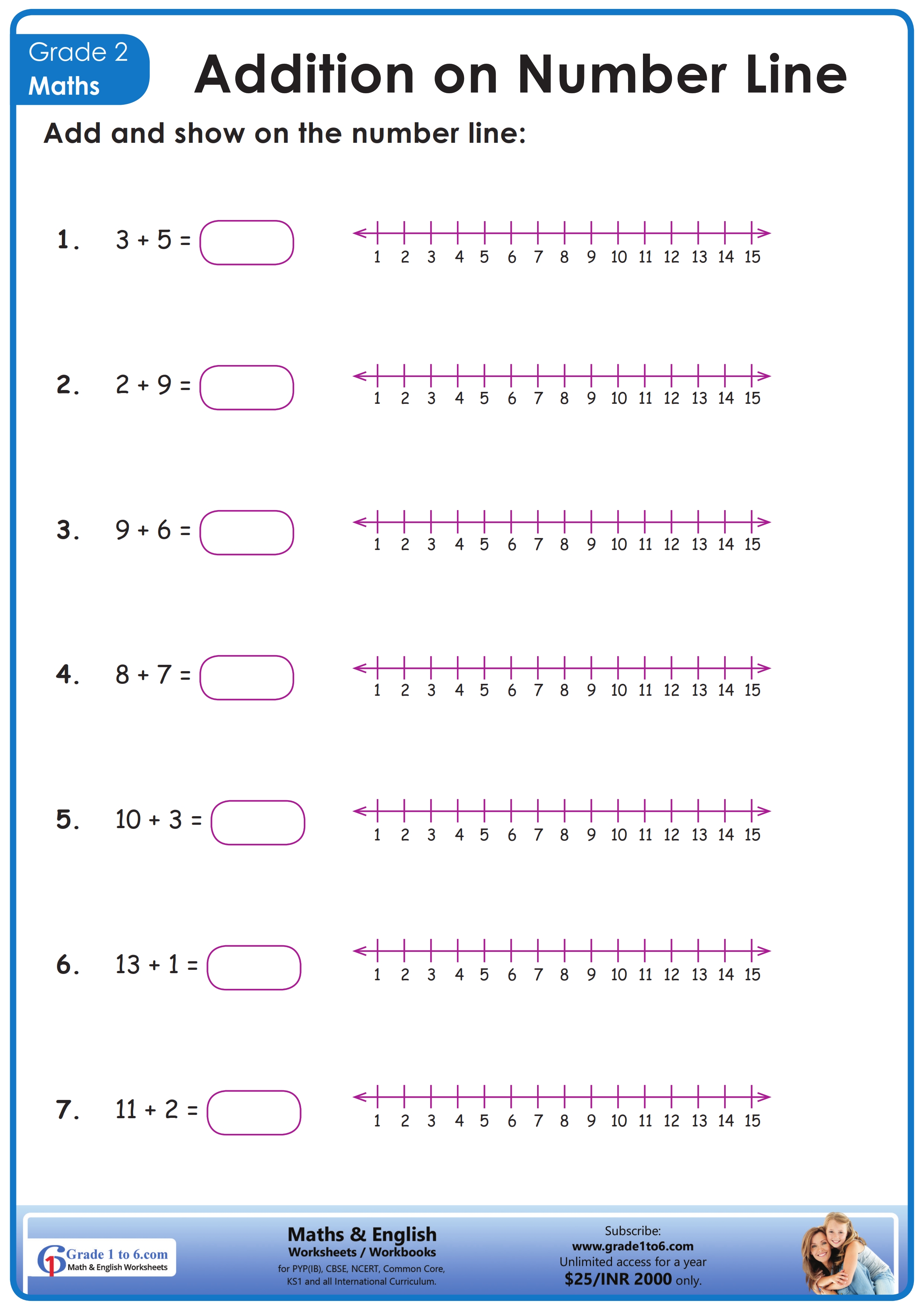","children":[{"label":"Addition"},{"label":"Subtraction"},{"label":"Multiplication"}]},{"label":"Arithmetic Properties","children":[{"label":"Closure"},{"label":"Commutativity"},{"label":"Associativity"},{"label":"Distributivity"}]},{"label":"Identities","children":[{"label":"Additive: 0"},{"label":"Multiplicative: 1"},{"label":"Division by Zero: Undefined"}]}]},{"label":"Playing with Numbers","color":"#f97316","children":[{"label":"Factors & Multiples","children":[{"label":"Prime & Composite"},{"label":"Perfect Numbers"},{"label":"Co-prime Numbers"}]},{"label":"Divisibility Tests","children":[{"label":"Rules for 2, 5, 10"},{"label":"Rules for 3, 6, 9"},{"label":"Rules for 4, 8, 11"}]},{"label":"HCF & LCM","image":"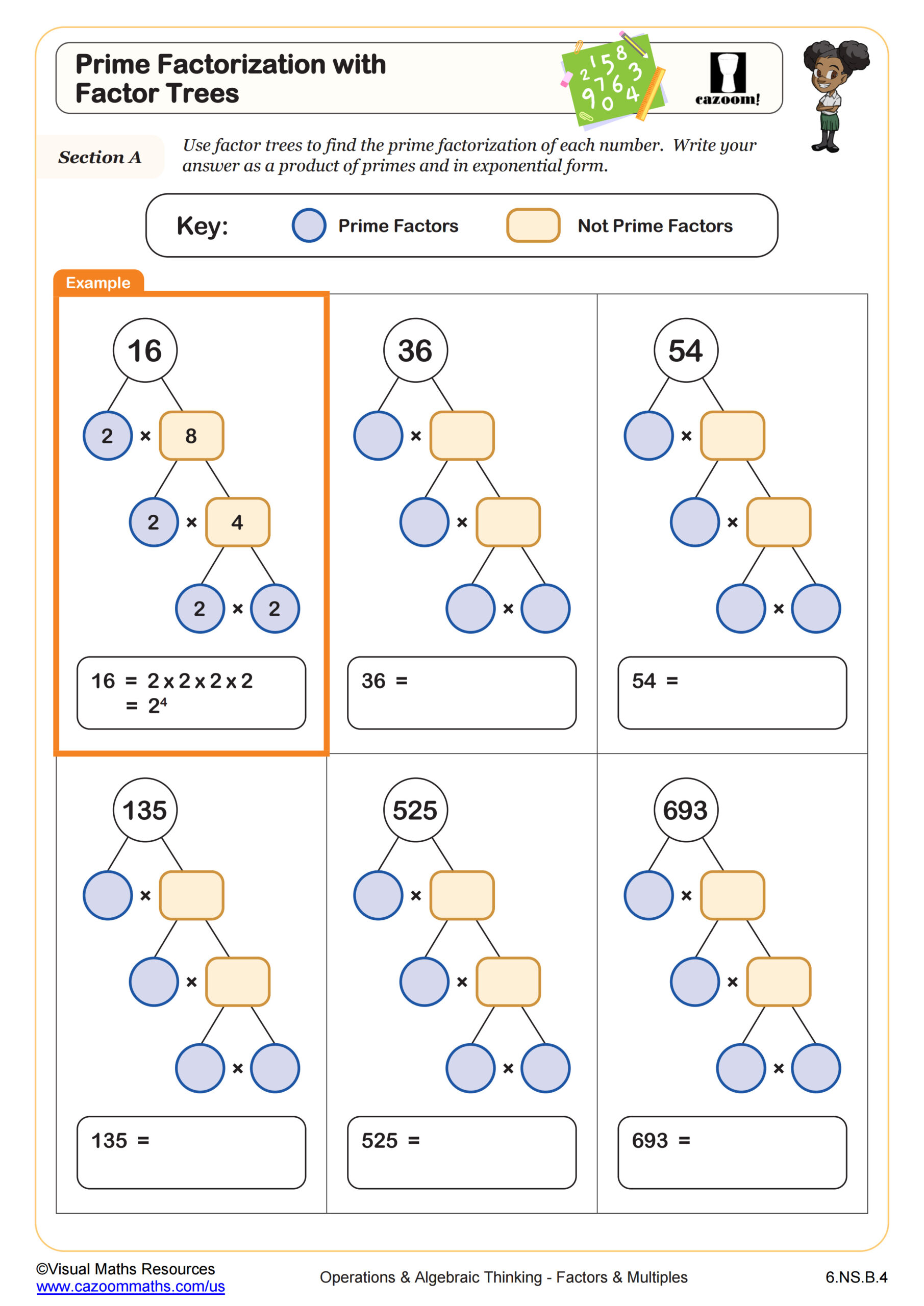","children":[{"label":"Prime Factorisation"},{"label":"Highest Common Factor"},{"label":"Lowest Common Multiple"}]}]}]}'/>
Section 1: Fill in the Gaps
Fill in the blanks with the correct mathematical terms or values.
- The smallest whole number is ________________.
- In the Roman numeral system, the symbol for the number is ________________.
- A number which has more than two factors is called a ________________ number.
- Rounding off the number to the nearest tens gives ________________.
Section 2: Multiple Choice Questions
Choose the correct option for each question.
- Which of the following is the predecessor of the number ? A)B)C)D)
- The Highest Common Factor (HCF) of andis: A)B)C)D)
- How many lakhs make million in the International system? A)B)C)D)
Section 3: True or False
Write 'T' for True and 'F' for False in the boxes provided.
- Zero is the smallest natural number. [ ]
- Every prime number except is odd. [ ]
- The sum of any two whole numbers is always a whole number (Closure Property). [ ]
- The number is neither a prime nor a composite number. [ ]
Section 4: Problem Solving and Exercises
Show your work in the spaces provided below each task.
- Making Numbers: Use the digits andwithout repetition to make:
- The greatest 4-digit number: ________________
- The smallest 4-digit number: ________________
- Indian System of Numeration: Insert commas suitably and write the number name for .
- Numeral with commas: ________________
- Number name: ____________________________________________________________________
- Estimation: Round off the number to the nearest:
- Hundreds: ________________
- Thousands: ________________
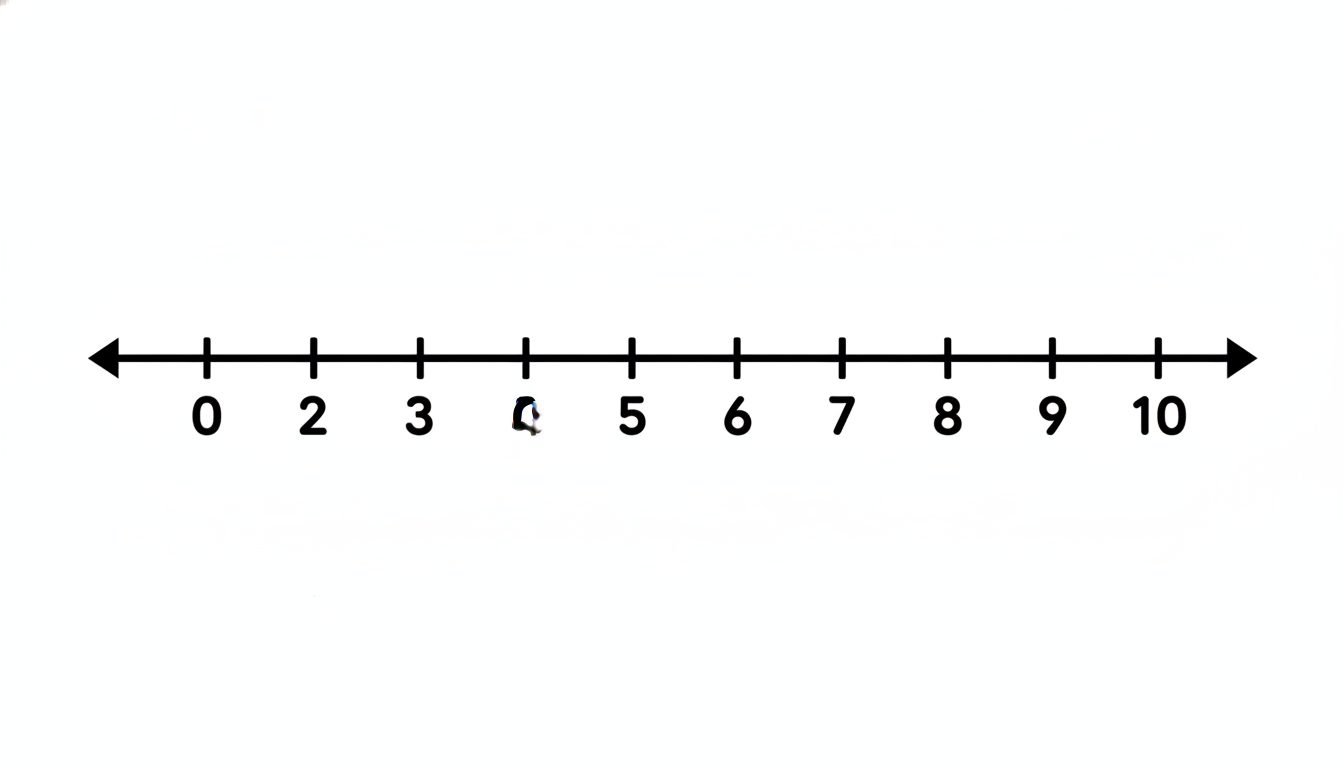
- Number Line Addition: Use the provided number line to find the sum of . Draw the jumps on the diagram.
- Distributive Property: Simplify the following expression using the distributive property: .
- Patterns in Dots: Draw a rectangular pattern using dots to represent the number .
| __________________________________________ |
| |
| |
| (Draw here) |
| |
| |
| __________________________________________ |
- Factor Tree: Complete the factor tree for the number below.
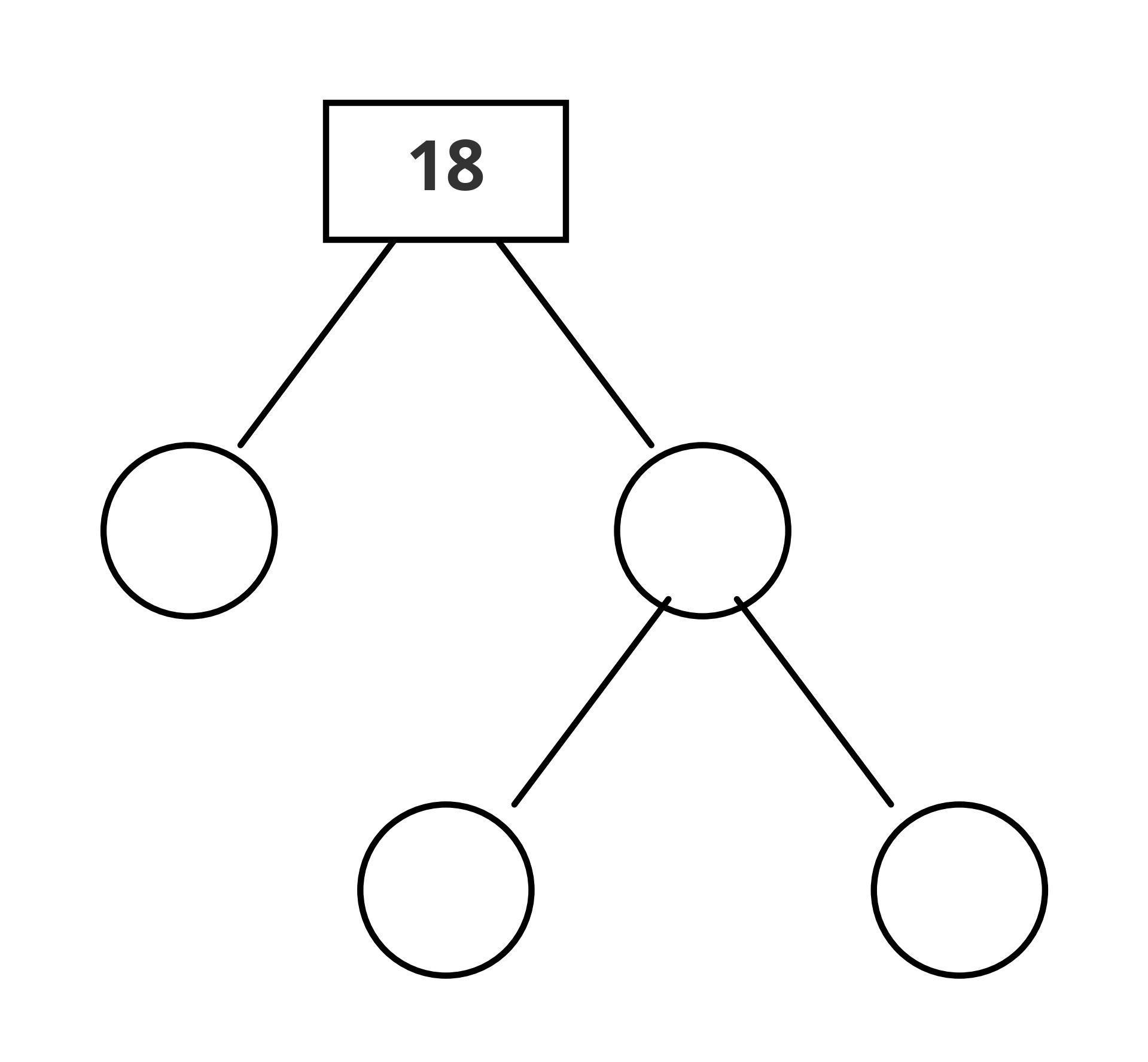
- HCF Calculation: Find the HCF of andusing the prime factorisation method.
- LCM Exercise: Find the Lowest Common Multiple (LCM) of and.