Generated with Monsha
Cooking and Recipe Vocabulary: A Guide for ESL Students
Anything · Grade 8 · English
Cooking and Recipe Vocabulary: A Guide for ESL Students
Introduction
Learning to read and write recipes is a fantastic way to improve your English vocabulary. Whether you are following instructions to bake a cake or writing down your favorite family meal, you will need to know specific verbs (action words), utensils (tools), and measurements.
This guide will help you master the most common words used in the kitchen.
1. Essential Cooking Verbs
Cooking verbs describe the actions you take to prepare food. Here are some of the most important ones:
Preparing Ingredients
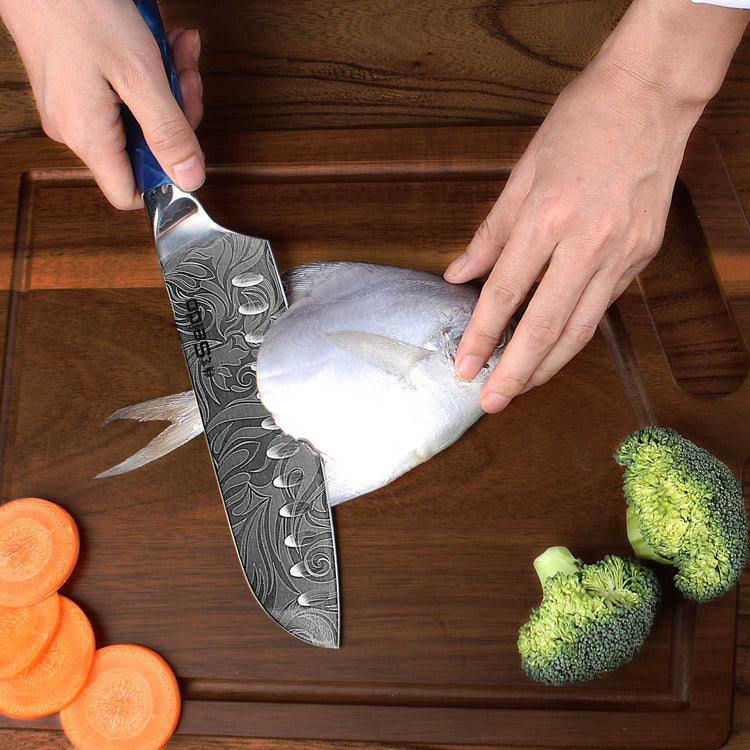
- Chop: To cut food into small, irregular pieces using a knife.
- Dice: To cut food into small, even squares (cubes).
- Peel: To remove the outer skin of a fruit or vegetable, like an apple or a potato.
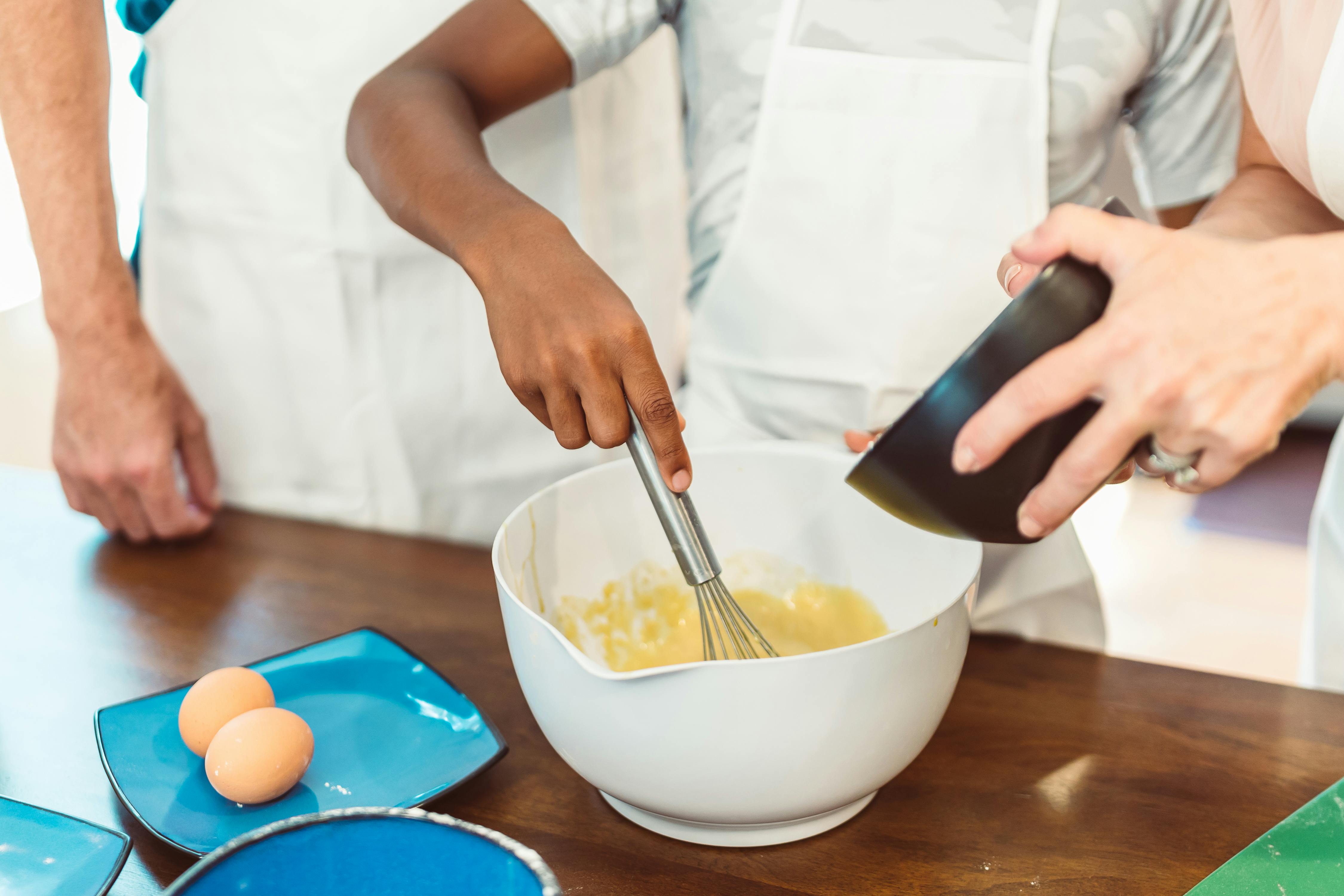
- Whisk: To mix ingredients quickly using a wire tool to incorporate air or blend them smoothly.
Heat and Cooking
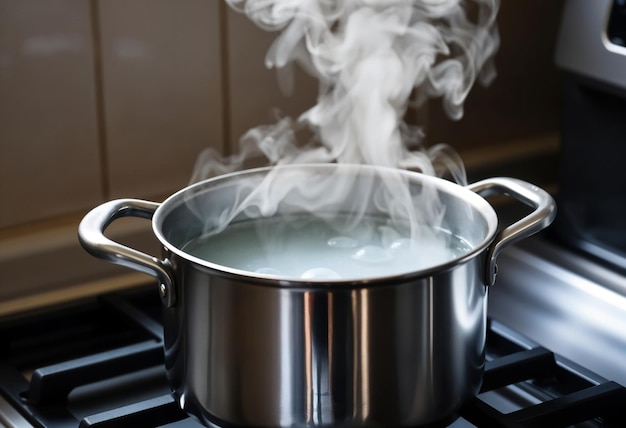
- Boil: To cook food in water that is very hot and bubbling. Water boils at ().
- Simmer: To cook food in liquid just below the boiling point. The bubbles should be small and slow.
- Fry: To cook food in hot oil or fat in a pan.
- Bake: To cook food inside an oven using dry heat (usually for bread, cakes, or cookies).
2. Kitchen Utensils and Tools
To cook well, you need the right tools. Each utensil has a specific job.
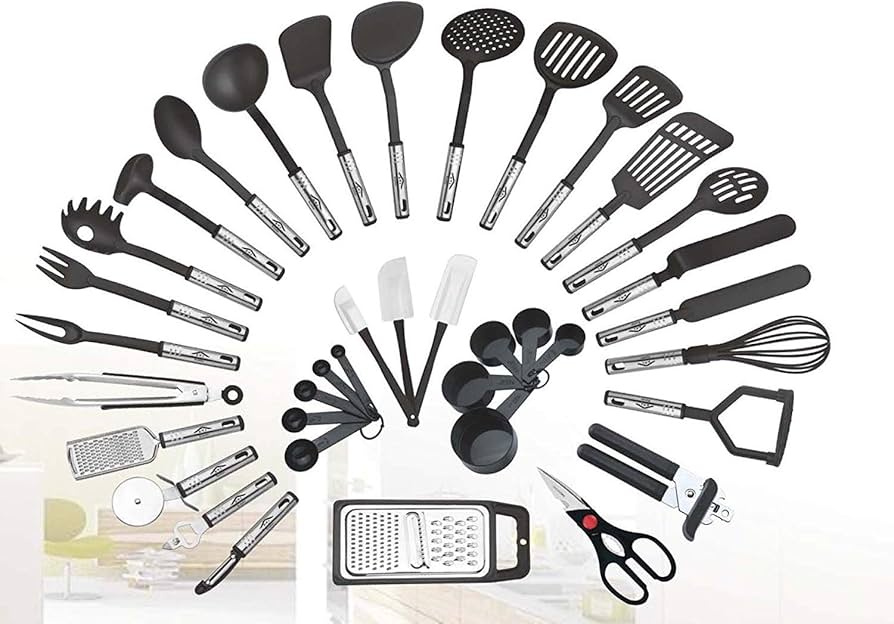
Tool | Purpose |
|---|---|
Spatula | Used for flipping food in a pan or scraping bowls. |
Whisk | Used for beating eggs or mixing light liquids. |
Peeler | A tool with a sharp blade for removing skins from vegetables. |
Grater | A metal tool with holes used to shred food like cheese or carrots. |
Saucepan | A deep metal pot with a handle used for boiling or simmering liquids. |
Frying Pan | A flat-bottomed pan used for frying or searing food. |
3. Cooking Measurements
Recipes use specific abbreviations for measurements. It is important to know the difference between a small amount and a large amount!
- tsp (Teaspoon): A small spoon used for spices or baking powder.
- tbsp (Tablespoon): A larger spoon (usually 3 teaspoons).
- oz (Ounce): A unit of weight (mass).
- lb (Pound): A larger unit of weight (16 ounces).
- ml (Milliliter): A metric unit for measuring liquids.
4. Reading a Recipe: The Basic Omelette
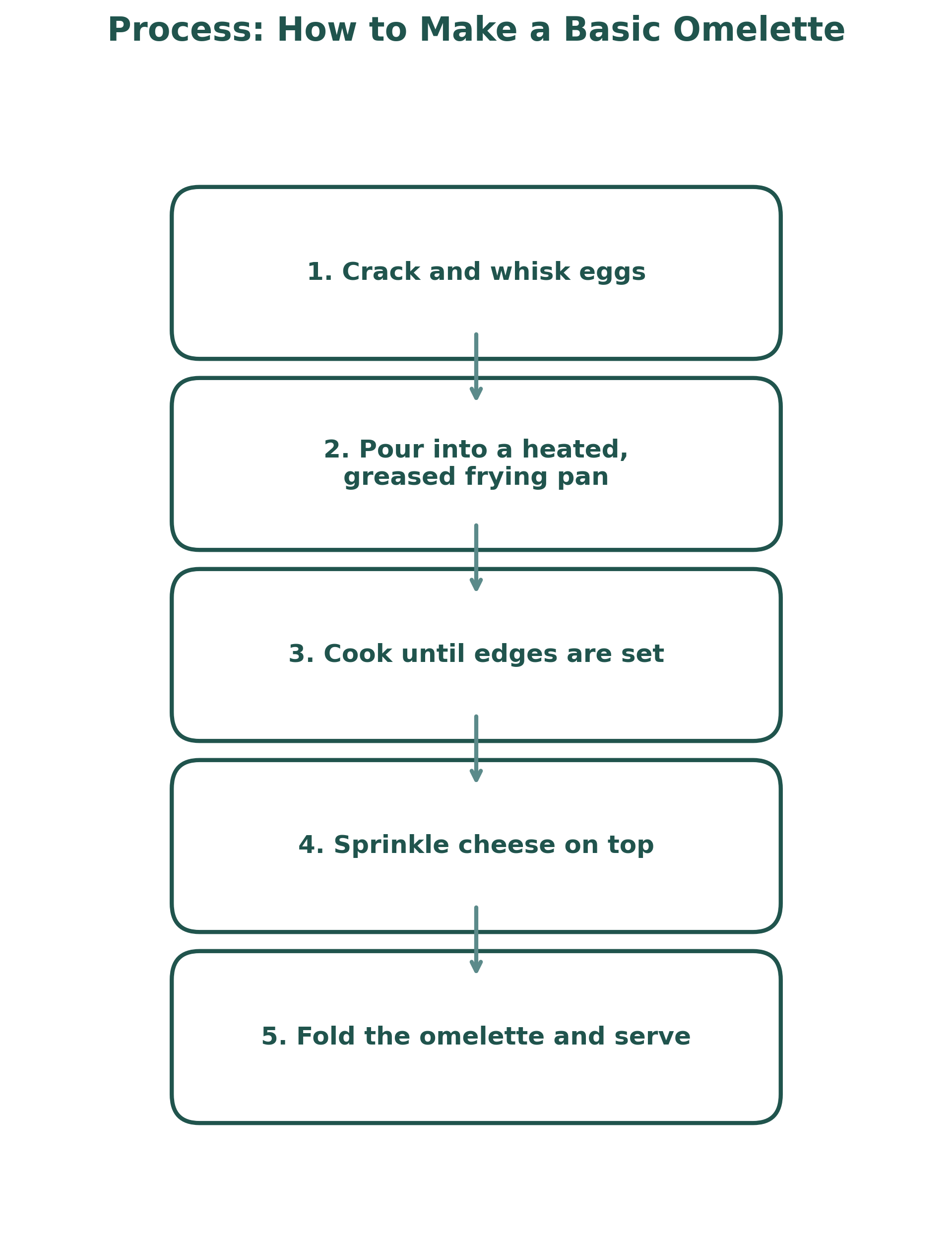
A recipe usually has two parts: the Ingredients list and the Instructions (or Directions). Below is a visual guide to the steps required to make a simple cheese omelette.
Vocabulary Practice Exercise
A. Matching: Match the cooking verb on the left with its correct definition on the right.
- Chop ___
- Whisk ___
- Peel ___
- Boil ___
- Simmer ___
Definitions:
a. To cook something in water that is very hot and bubbling.
b. To remove the outer skin of a fruit or vegetable.
c. To cut something into small pieces with a knife.
d. To mix ingredients quickly using a wire tool.
e. To cook something just below the boiling point.
B. Fill in the Blanks: Use the correct word from the box below to complete the sentences.
Recipe, Ingredients, Preheat, Grater, Whisk
- Before you start baking, you should always __________ the oven to the correct temperature.
- You will need a __________ to shred the cheddar cheese for your pizza.
- Check the list of __________ to make sure you have enough flour and sugar.
- I found a delicious __________ for chocolate chip cookies in this magazine.
- Use a __________ to beat the eggs until they are light and fluffy.
Cooking and Recipe Vocabulary: Expanded ESL Lesson
Introduction
Mastering kitchen vocabulary is essential for following recipes and describing cooking processes in English. This guide covers the verbs, tools, and measurements you need to become a confident cook and communicator.
1. Essential Cooking Verbs
Cooking verbs describe specific actions. Using the correct verb ensures the food is prepared properly.
Preparing Ingredients
- Chop: To cut food into small, irregular pieces.
- Dice: To cut food into small, uniform squares.
- Peel: To remove the skin of fruits or vegetables.
- Whisk: To mix quickly with a wire tool to add air.
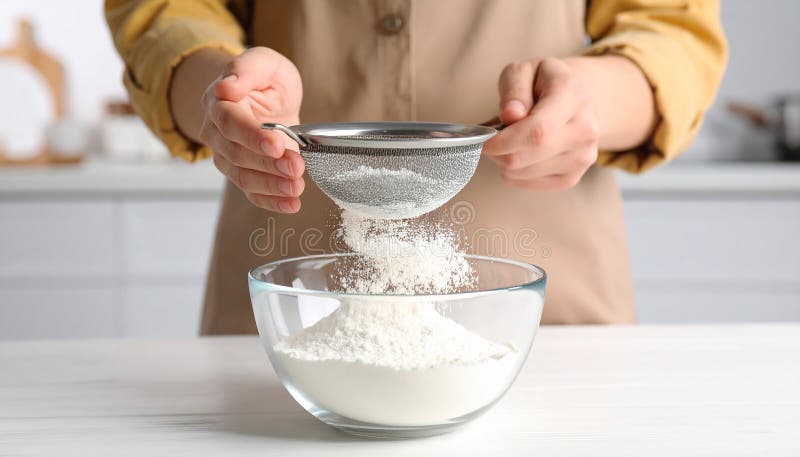
- Sift: To put flour or sugar through a sieve to remove lumps.
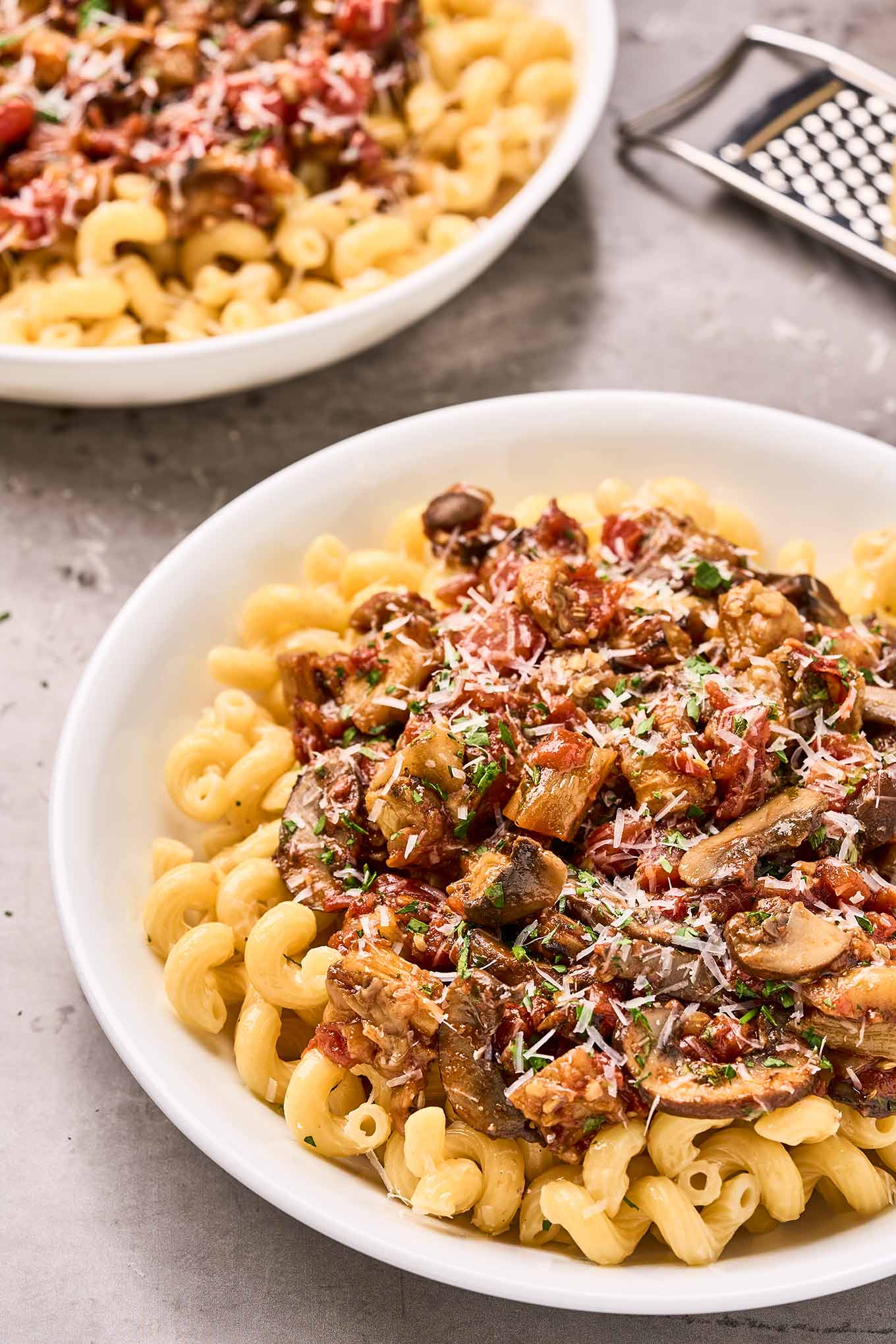
- Grate: To rub food against a metal tool with sharp holes to shred it.
Heat and Cooking
- Boil: To cook in bubbling liquid at ().
- Simmer: To cook in liquid just below the boiling point.
- Fry: To cook in hot oil in a shallow pan.
- Bake: To cook with dry heat in an oven.
2. Kitchen Utensils and Tools
Tool | Purpose |
|---|---|
Spatula | For flipping food or scraping bowls. |
Whisk | For beating eggs or liquids. |
Peeler | For removing vegetable skins. |
Grater | For shredding cheese or vegetables. |
Sieve/Sifter | For removing lumps from dry ingredients. |
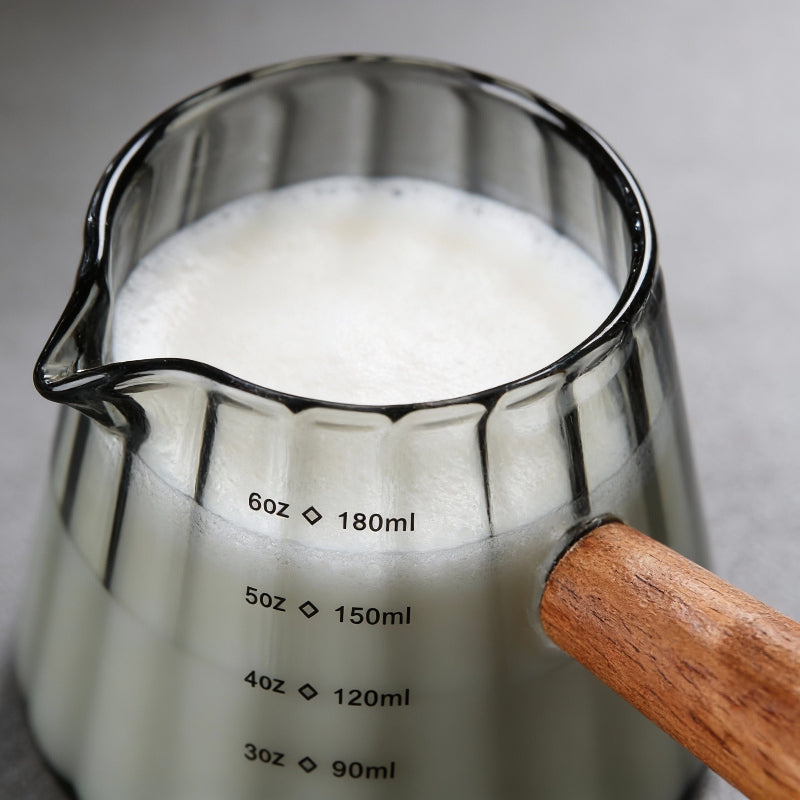
Measuring Cup | For measuring the volume of liquids accurately. |
3. Reading a Recipe: Process Flow
When following a recipe, the order of steps is crucial. Here is the process for making a basic omelette:
Vocabulary Practice Exercises
Exercise A: Matching Definitions
Match the cooking verb to its definition.
- Chop ___
- Whisk ___
- Peel ___
- Boil ___
- Simmer ___
Definitions:
a. To cook in water that is very hot and bubbling.
b. To remove the outer skin of a fruit or vegetable.
c. To cut into small pieces with a knife.
d. To mix quickly using a wire tool.
e. To cook just below the boiling point.
Exercise B: Fill in the Blanks
Complete the sentences using the words in the box below.
Recipe, Ingredients, Preheat, Grater, Whisk, Sieve, Measure
- Before you start baking, you should always __________ the oven to the correct temperature.
- You will need a __________ to shred the cheddar cheese for your pizza.
- Check the list of __________ to make sure you have enough flour and sugar.
- I found a delicious __________ for chocolate chip cookies in this magazine.
- Use a __________ to beat the eggs until they are light and fluffy.
- You should use a __________ to remove lumps from the flour.
- Always __________ the liquids accurately using a glass cup.
Exercise C: Match the Picture
Look at the images below and write the correct cooking action (verb) next to each letter.
Set 1
Image A | Image B |
|---|---|
 |  |
Action A: ________ | Action B: ________ |
Set 2
Image C | Image D |
|---|---|
 | 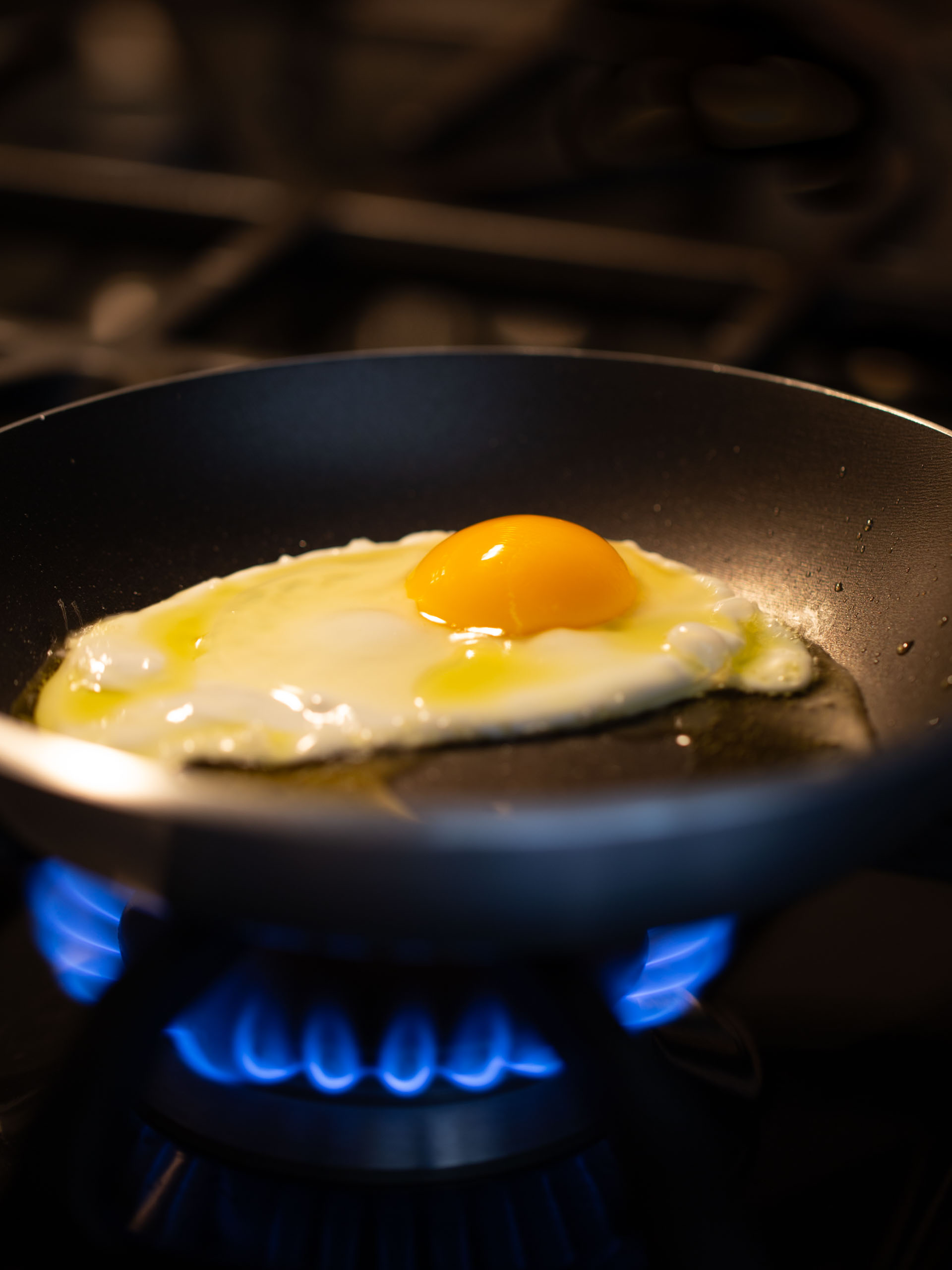 |
Action C: ________ | Action D: ________ |