Generated with Monsha
Weekly Reading Skill Quick Checks: Main Idea, Inference, Text Structure, and Theme
Questions · Grade 5 · English
Grade 5 Weekly Reading Skill Quick Checks: Main Idea, Inference, Text Structure, and Theme
Reading Skill Quick Checks: Grade 5
Week 1: Main Idea (RI.4.2)
Score: __/5
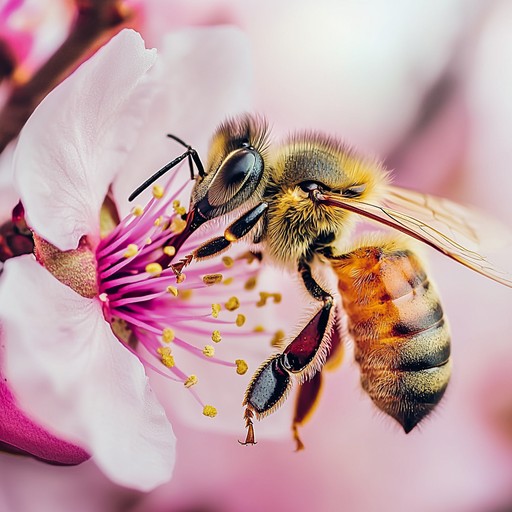
The Busy Life of Honeybees
Honeybees are some of the hardest workers in the natural world. While most people know they make honey, their most important job is pollination. As they fly from flower to flower searching for sweet nectar, tiny grains of pollen stick to their fuzzy bodies. When they land on the next flower, some of that pollen falls off. This process allows plants to create seeds and grow new fruit. Without honeybees, many of the foods we eat, like apples, berries, and almonds, would disappear. Honeybees live in large colonies with one queen and thousands of worker bees. Every member of the hive has a specific role to play in keeping the community healthy. By working together, they ensure that the ecosystem remains balanced. Protecting honeybee populations is vital for our environment and our food supply because these small insects have a massive impact on the planet.
- What is the main idea of the passage? A. Apples and berries are the most popular fruits in the world. B. Worker bees are more important than the queen bee. C. Honeybees make delicious honey for humans to eat. D. Honeybees play a vital role in the environment through pollination.
- Which detail from the text supports the idea that bees help plants grow? A. Pollen sticks to the bees' fuzzy bodies. B. Honeybees are very hard workers. C. The queen bee stays in the hive. D. Bees live in large colonies.
- According to the text, what would be a direct consequence of honeybees disappearing? A. Worker bees would find new jobs. B. The environment would become cleaner. C. Many types of fruit would no longer grow. D. Flowers would stop producing nectar.
- What is the purpose of the different roles within a bee colony? A. To help the bees fly faster from flower to flower. B. To compete with other hives for nectar. C. To ensure the hive stays healthy and balanced. D. To make sure the queen bee does all the work.
5. Short Answer: Based on the passage, explain how the bees' physical features help them perform their most important job.
___________________________________________________
Week 2: Inference (RL.4.1)
Score: __/5
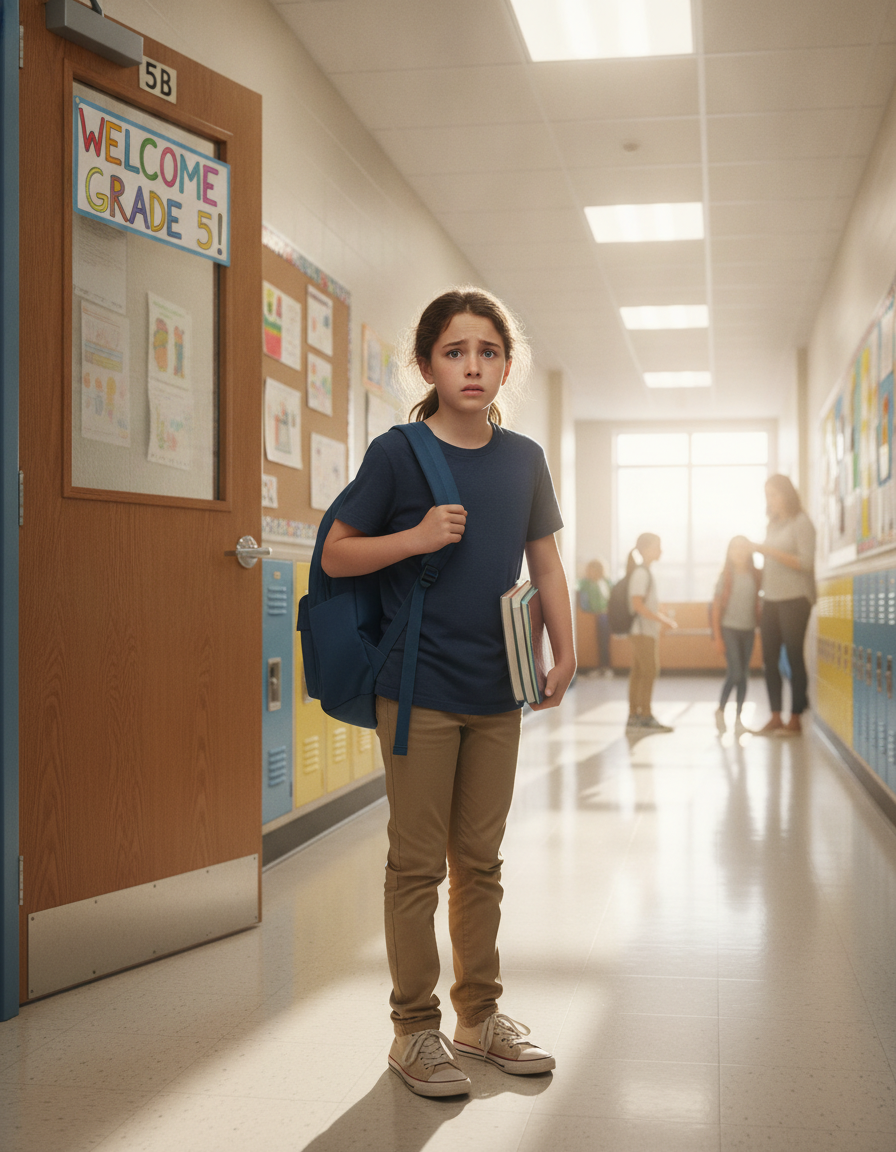
The New Hallway
Leo stood in front of Room 204, his fingers tightly gripping the straps of his backpack. He looked down at his new sneakers, which were perfectly white and scuff-free. The hallway was a blur of noise and movement, but Leo felt like he was standing still in the middle of a rushing river. He took a deep breath, trying to remember the map his mom had printed for him. A group of students laughed loudly as they walked past, and Leo quickly checked his schedule again to make sure he was in the right place. He reached out to pull the heavy door open, but his hand hesitated on the handle. Just then, a teacher with a kind smile walked up and asked if he needed help finding his seat. Leo nodded slowly, his shoulders relaxing just a tiny bit as he finally stepped into the room.
- How is Leo feeling at the beginning of the story? A. Angry and frustrated. B. Bored and uninterested. C. Excited and ready to learn. D. Nervous and overwhelmed.
- Why did Leo check his schedule again? A. He wanted to show off his map to other students. B. He was making sure he was at the correct classroom. C. He wanted to see what was for lunch. D. He forgot his teacher's name.
- What can you infer about Leo based on the description of his sneakers? A. He doesn't like to play outside. B. He is a fast runner. C. It is likely his first day at a new school. D. He forgot to wear his old shoes.
- What happened to Leo when the teacher spoke to him? A. He became more frightened. B. He decided to leave the school. C. He realized he was in the wrong building. D. He felt a little more comfortable.
5. Short Answer: Use evidence from the text to explain how the author shows that Leo feels out of place in the hallway.
___________________________________________________
Week 3: Text Structure (RI.4.5)
Score: __/5
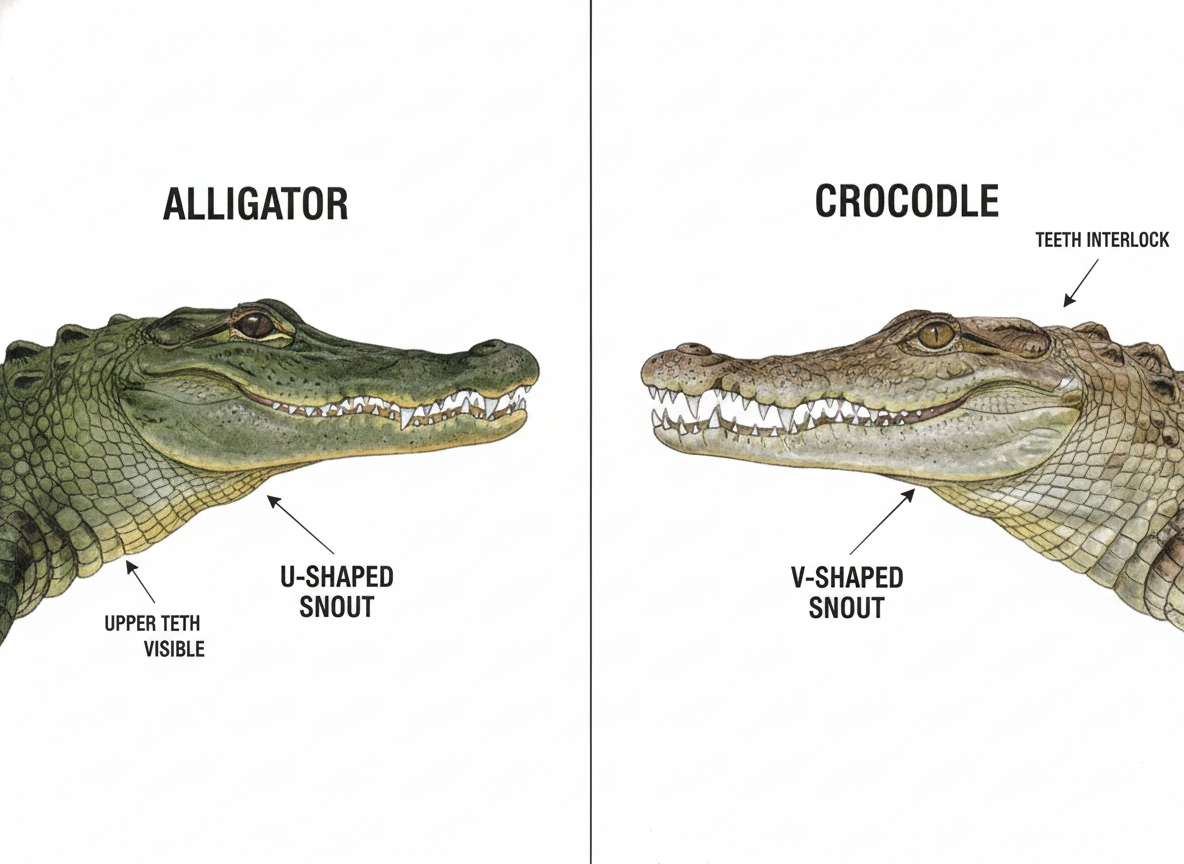
Snouts and Teeth
At first glance, alligators and crocodiles might look exactly the same, but they have several key differences. One of the easiest ways to tell them apart is by looking at the shape of their snouts. Alligators have a wide, U-shaped snout that is perfect for crushing shells. In contrast, crocodiles have a longer, more pointed V-shaped snout. Another difference is visible when their mouths are closed. When an alligator shuts its jaw, you usually only see its upper teeth. However, when a crocodile closes its mouth, its large fourth tooth on the bottom jaw sticks out over the upper lip. Their habitats are different too; alligators prefer freshwater environments like swamps and lakes, whereas crocodiles are often found in saltwater or brackish water. Despite these physical and environmental differences, both reptiles are powerful predators that have survived for millions of years.
- What is the primary text structure used in this passage? A. Compare and contrast B. Cause and effect C. Problem and solution D. Chronological order
- Which word from the text signals that the author is showing a difference? A. In contrast B. Always C. Instead D. Same
- Based on the text, which animal is more likely to be found in a freshwater lake? A. Both are equally likely B. Crocodile C. Alligator D. Neither animal lives in lakes
- What physical feature is mentioned to help the reader identify a crocodile when its mouth is closed? A. Small ears on the side of the head B. Only upper teeth being visible C. A tooth sticking out over the upper lip D. A wide U-shaped snout
5. Short Answer: How does the author organize the information about the snouts of alligators and crocodiles?
___________________________________________________
Week 4: Theme (RL.4.2)
Score: __/5
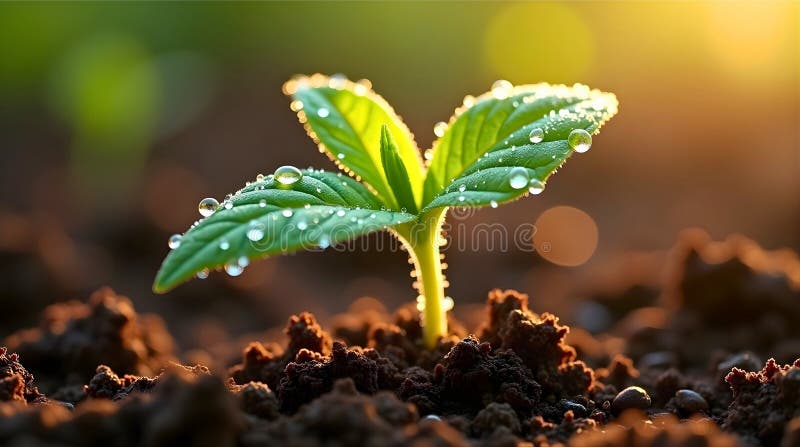
The Patient Gardener
Maya wanted to grow the tallest sunflowers in the neighborhood. She planted her seeds in the sunniest corner of the yard and watered them every single morning. For the first two weeks, nothing happened. Maya stared at the bare brown dirt, feeling frustrated. "Why aren't they growing?" she asked her grandfather. He smiled and told her that some of the best things in life take time to develop. "You can't rush nature, Maya," he said. Maya continued to care for the patch of soil, even when her friends were busy playing soccer. One morning, she saw a tiny speck of green pushing through the earth. Week by week, the sprout grew stronger and taller. By late summer, a giant yellow flower towered over Maya's head. She realized that her hard work had paid off, but more importantly, she learned that waiting for something special makes the reward even sweeter in the end.
- What is the main theme of the story? A. It is important to listen to your grandfather. B. Sunflowers are the best plants to grow. C. Playing soccer is more fun than gardening. D. Patience and persistence lead to rewarding results.
- Which sentence from the story best supports the theme? A. She planted her seeds in the sunniest corner. B. Waiting for something special makes the reward even sweeter. C. Maya continued to care for the patch of soil. D. She asked her grandfather why they weren't growing.
- How did Maya feel during the first two weeks after planting the seeds? A. Sleepy B. Frustrated C. Bored D. Confident
- What action shows that Maya was persistent? A. She watched her friends play soccer. B. She chose the sunniest corner of the yard. C. She continued to water the dirt even when nothing was visible. D. She asked her grandfather for help.
5. Short Answer: How does the conversation with her grandfather help Maya achieve her goal?
___________________________________________________