Generated with Monsha
Making 10 with Number Bonds
Lesson Plan · Kindergarten · English
Making 10 with Number Bonds
Lesson Overview
Grade Level: Kindergarten
Subject: Mathematics
Topic: Number Bonds for 10
Duration: 45 minutes
Learning Objective
Students will be able to find the missing part that makes 10 when given a number from 1 to 9, using ten-frames and number bonds to represent the relationship.
Standards Alignment
- CCSS K.OA.A.4: For any number from 1 to 9, find the number that makes 10 when added to the given number, e.g., by using objects or drawings, and record the answer with a drawing or equation.
- TEKS K.2(I): Compose and decompose numbers up to 10 with objects and pictures.
- SOL K.4(a): The student will recognize and describe with fluency part-whole relationships for numbers up to 10.
EL Vocabulary Scaffold
Use the following visual and verbal cues to support English Learners:
- Whole: The total number (in this lesson, it is always 10).
- Part: One of the smaller groups that combine to make the whole.
- Bond: A connection between the parts and the whole.
- Ten: The number 10, represented by a full ten-frame.
Materials
- Blank Ten-frames (one per student)
- Two-colored counters (10 per student)
- Number Bond mats (one per student or dry-erase)
- "Making 10" Practice Worksheet
- Pencils and crayons
Lesson Procedure
1. Hook (10 Minutes)
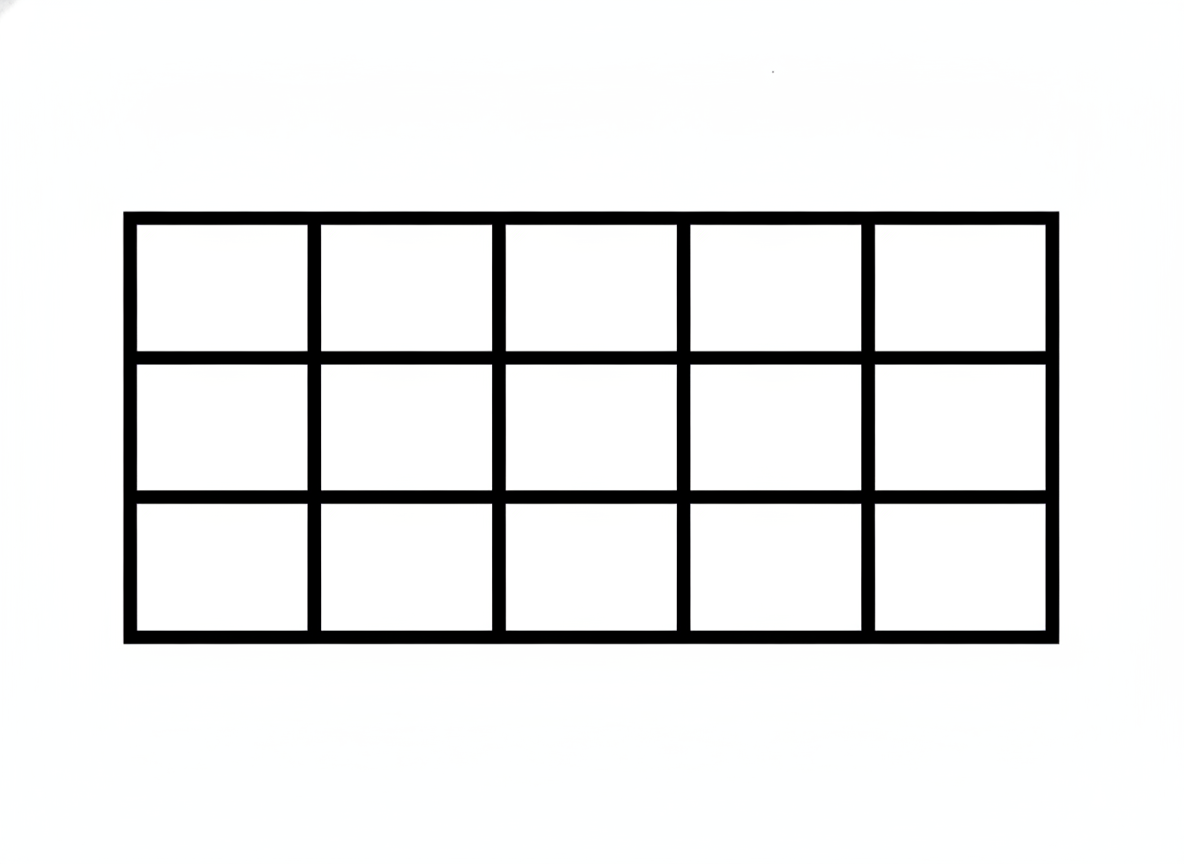
- Gather students on the rug. Show a large ten-frame on the board.
- Place 6 red counters on the frame.
- Ask: "I have 6 counters. How many empty squares are left?"
- Invite a student to fill the empty squares with yellow counters.
- Explain: "When we fill every box, we have 10! We just found out that 6 and 4 make 10."
2. I-Do: Modeling (8 Minutes)
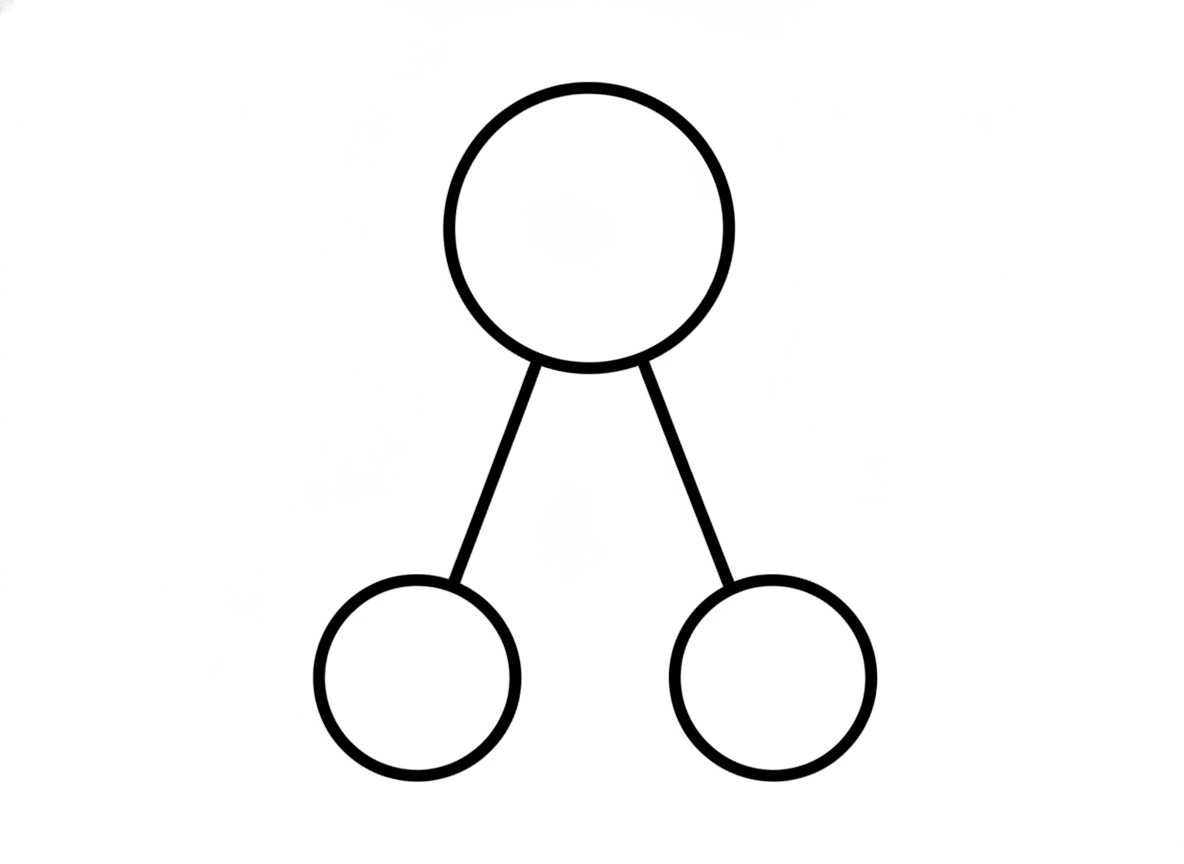
- Introduce the Number Bond. Show how the "Whole" (10) sits at the top and connects to two "Parts" below.
- Model: "If my whole is 10, and one part is 7, I can use my ten-frame to find the other part."
- Demonstrate placing 7 counters, then counting the remaining 3 empty spots.
- Write '10' in the whole circle, '7' in one part, and '3' in the other.
3. We-Do: Guided Practice (10 Minutes)
- Distribute ten-frames and counters to each student.
- Prompt: "Everyone put 5 counters on your ten-frame. How many more do we need to make 10?"
- Guide students to fill the rest and count (5).
- Together, draw a number bond on the board/mats: Whole = 10, Part 1 = 5, Part 2 = 5.
- Repeat with the number 8.
4. You-Do: Independent Practice (12 Minutes)
Students will complete the Making 10 Worksheet (embedded below). They may use their ten-frames and counters to help solve the problems.
5. Differentiation
- Beginning: Provide ten-frames with the first part already colored in. Students only need to count the empty squares.
- Intermediate: Students use blank ten-frames and counters to find the missing part for numbers 1-9.
- Advanced: Ask students to write an addition equation (e.g., ) underneath each number bond they complete.
Assessment
Exit Ticket
Ask students to draw or write the answer to these three questions on a sticky note or small paper:
- If I have 9, how many more do I need to make 10?
- If I have 2, how many more do I need to make 10?
- Draw a number bond where 10 is the whole and 5 is one part. What is the other part?
Practice Worksheet
Name:
Date:
Making 10: Number Bonds
Find the missing part to make 10!
10
8
?
10
4
?
10
1
?
10
7
?
Challenge:
Choose your own number to make 10:
10