Generated with Monsha
Vector Resolution Worksheet
Worksheet · Grade 12 · English
Vector Resolution Worksheet
Diagram Labelling
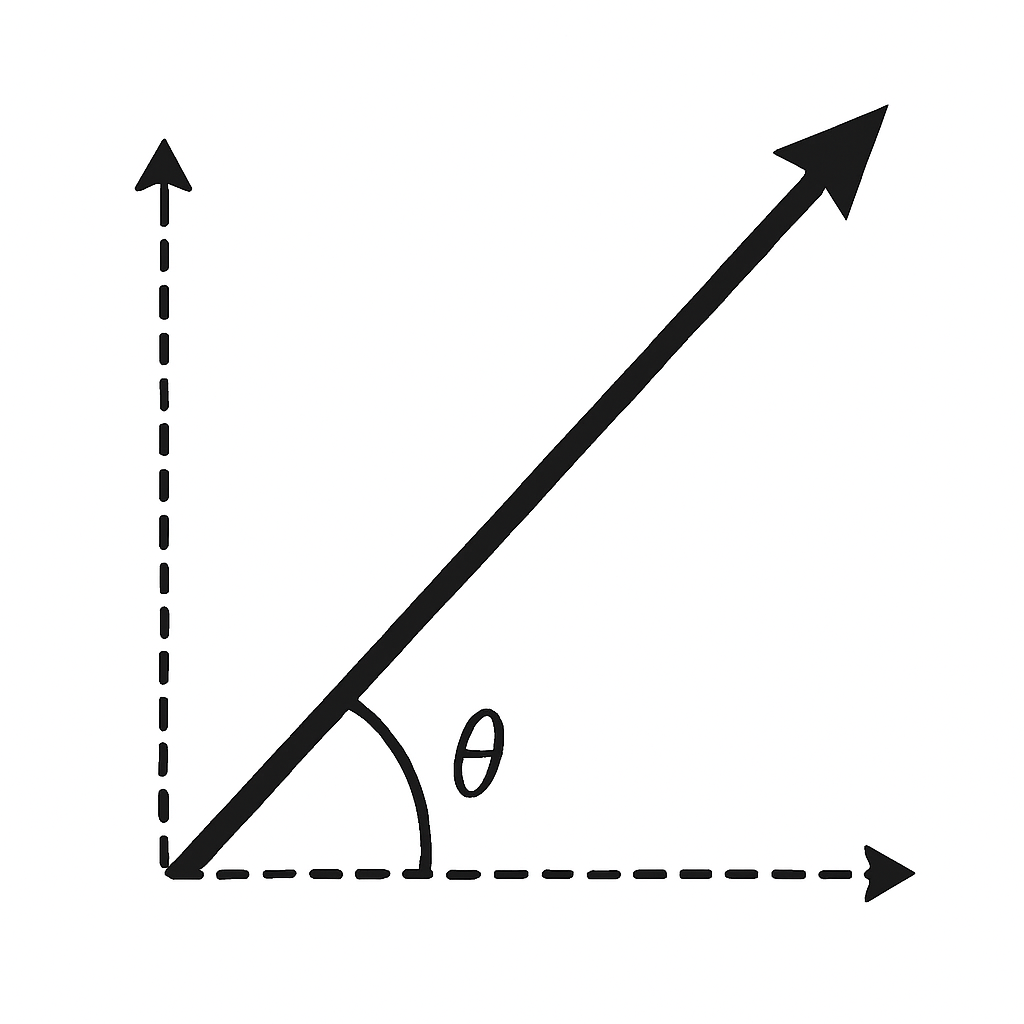
- [Image: A vector at an angle θ to the horizontal, with its horizontal (adjacent) and vertical (opposite) components shown as arrows, and the angle θ marked at the base]
Label the following on the diagram:
- The original vector ()
- The horizontal component ()
- The vertical component ()
- The angle
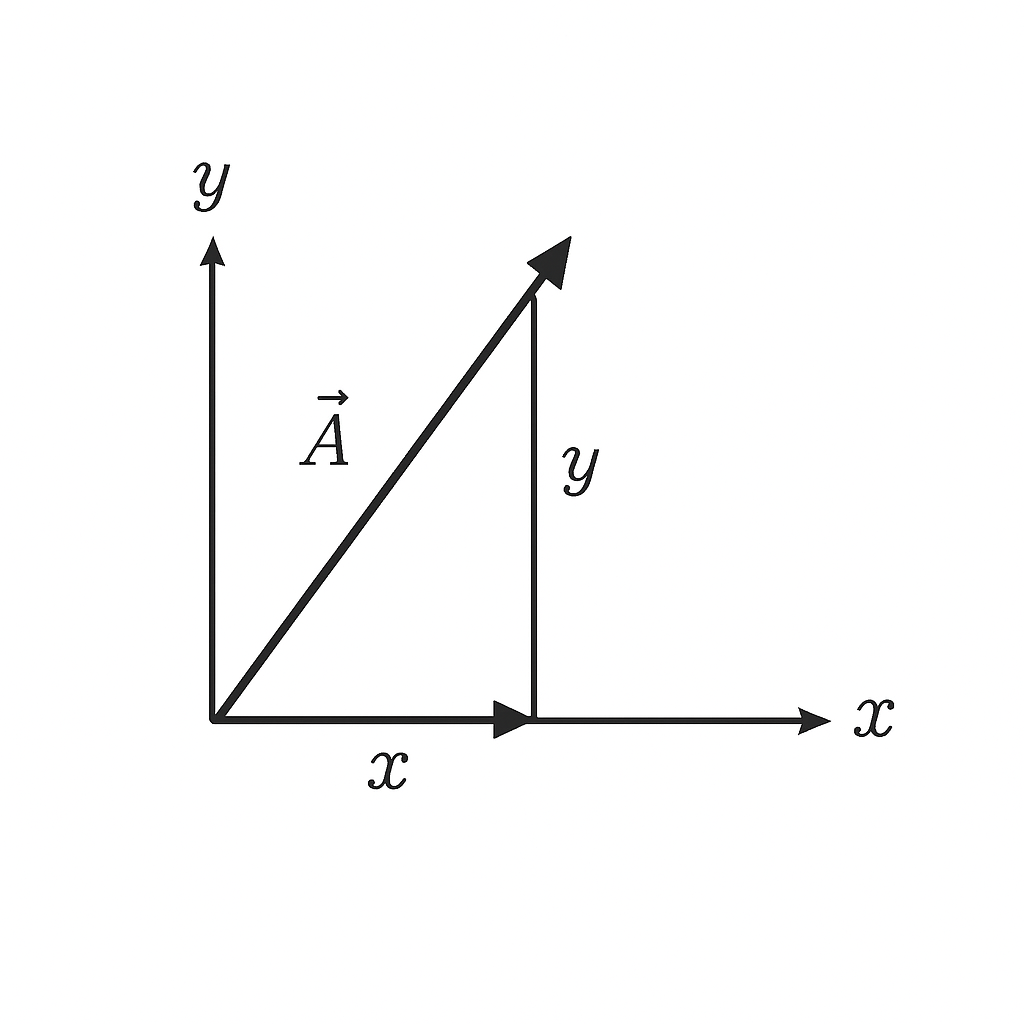
- [Image: Two vectors shown: one resolved into components along the x-axis and y-axis, with the axes labelled]
Label the following:
- x-axis
- y-axis
- The resolved component along the x-axis
- The resolved component along the y-axis
Matching Questions
Match each term to its correct definition. Write the letter of the definition next to the correct term.
Terms:
A. Resultant Vector
B. Component
C. Resolution of a Vector
D. Equilibrant
Definitions:
- _____ The process of breaking a single vector into two or more vectors along specified directions.
- _____ A vector that has the same magnitude as the resultant but acts in the opposite direction.
- _____ The sum of two or more vectors.
- _____ A part of a vector that acts in a particular direction, such as horizontal or vertical.
Fill-in-the-Gaps
[Word Bank: magnitude, direction, trigonometry, perpendicular, resultant, sine, cosine, adjacent, opposite]
- The process of vector resolution involves splitting a vector into two _______ components.
- The horizontal component of a vector can be found using the _______ of the angle.
- The vertical component of a vector is calculated using the _______ of the angle.
- To resolve a vector, you need to know its _______ and _______.
- The _______ of a vector is the single vector that has the same effect as the original vectors combined.
- Vector components are always _______ to each other.