Generated with Monsha
Save this resource to edit, expand, or export it, or create more resources for free.
Physical Science Semester Map Pacing Guide — 8th Grade Physical Science (NGSS Aligned)
Anything
Grade 8
English
Physical Science Semester Map Pacing Guide — 8th Grade Physical Science (NGSS Aligned)
Semester Overview: Grade 8 Physical Science
This 18-week curriculum map is designed to provide a comprehensive exploration of physical science principles, fully aligned with the Next Generation Science Standards (NGSS) for Middle School. The course is structured into five thematic units that build from the microscopic structure of matter to the macroscopic laws of motion and energy transfer.
Unit 1: Matter and Its Interactions (Weeks 1–4)
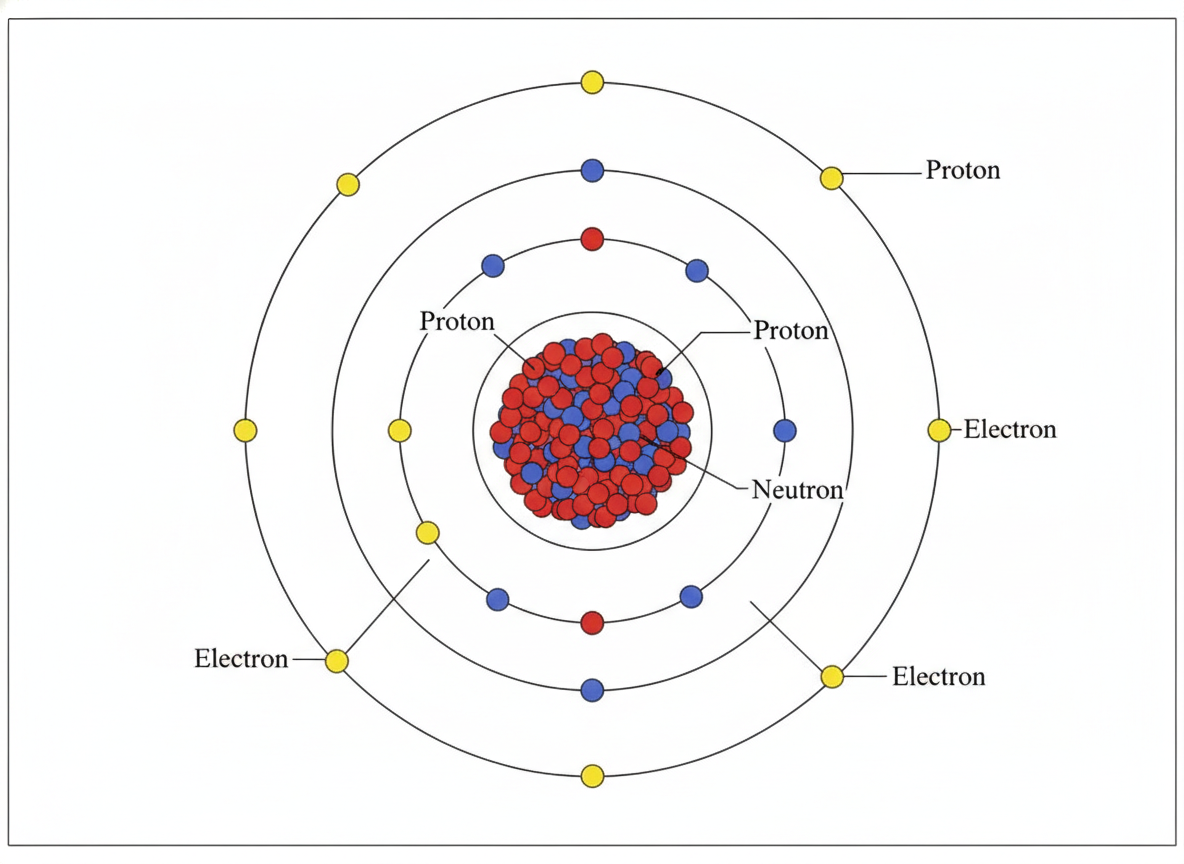
Standards: MS-PS1-1, MS-PS1-2
Objectives:
- Develop a model to describe the atomic composition of simple molecules and extended structures.
- Analyze and interpret data on the properties of substances before and after they interact.
Weekly Schedule
- Week 1: The Building Blocks: Atoms and Molecules (MS-PS1-1)
- Week 2: States of Matter and Molecular Motion
- Week 3: Hands-on Investigation: Mystery Substance Density Lab
- Week 4: Engineering Task: Designing Molecular Models (MS-PS1-1) & Unit 1 Assessment
Unit 2: Chemical Reactions (Weeks 5–8)

Standards: MS-PS1-2, MS-PS1-5, MS-PS1-6
Objectives:
- Provide evidence that a chemical reaction has occurred.
- Mathematically model the law of conservation of mass.
- Design a project to track thermal energy changes in chemical reactions.
Weekly Schedule
- Week 5: Evidence of Chemical Change (MS-PS1-2)
- Week 6: Conservation of Mass in Closed Systems (MS-PS1-5)
- Week 7: Hands-on Investigation: Temperature Changes in Exothermic vs. Endothermic Reactions
- Week 8: Lab/Engineering Task: Designing a Chemical Cold Pack (MS-PS1-6) & Unit 2 Assessment
Unit 3: Forces and Motion (Weeks 9–12)
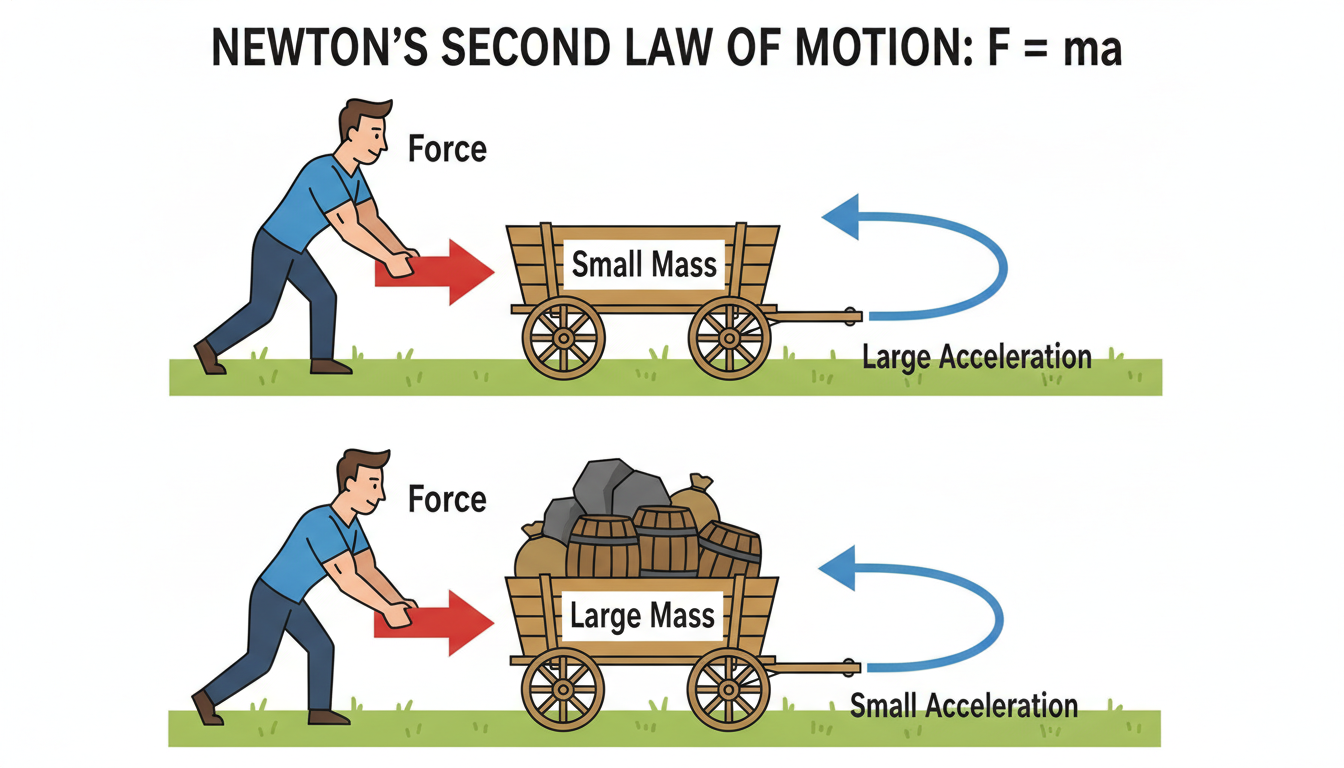
Standards: MS-PS2-1, MS-PS2-2
Objectives:
- Apply Newton’s Third Law to design a solution to a problem involving the motion of two colliding objects.
- Plan an investigation to provide evidence that the change in an object’s motion depends on the sum of the forces on the object and the mass of the object.
Weekly Schedule
- Week 9: Newton’s Third Law: Action and Reaction (MS-PS2-1)
- Week 10: Newton’s First and Second Laws (MS-PS2-2)
- Week 11: Hands-on Investigation: Friction and Surface Area Lab
- Week 12: Lab/Engineering Task: Collision Protection: The Egg Drop Challenge & Unit 3 Assessment
Unit 4: Energy (Weeks 13–15)
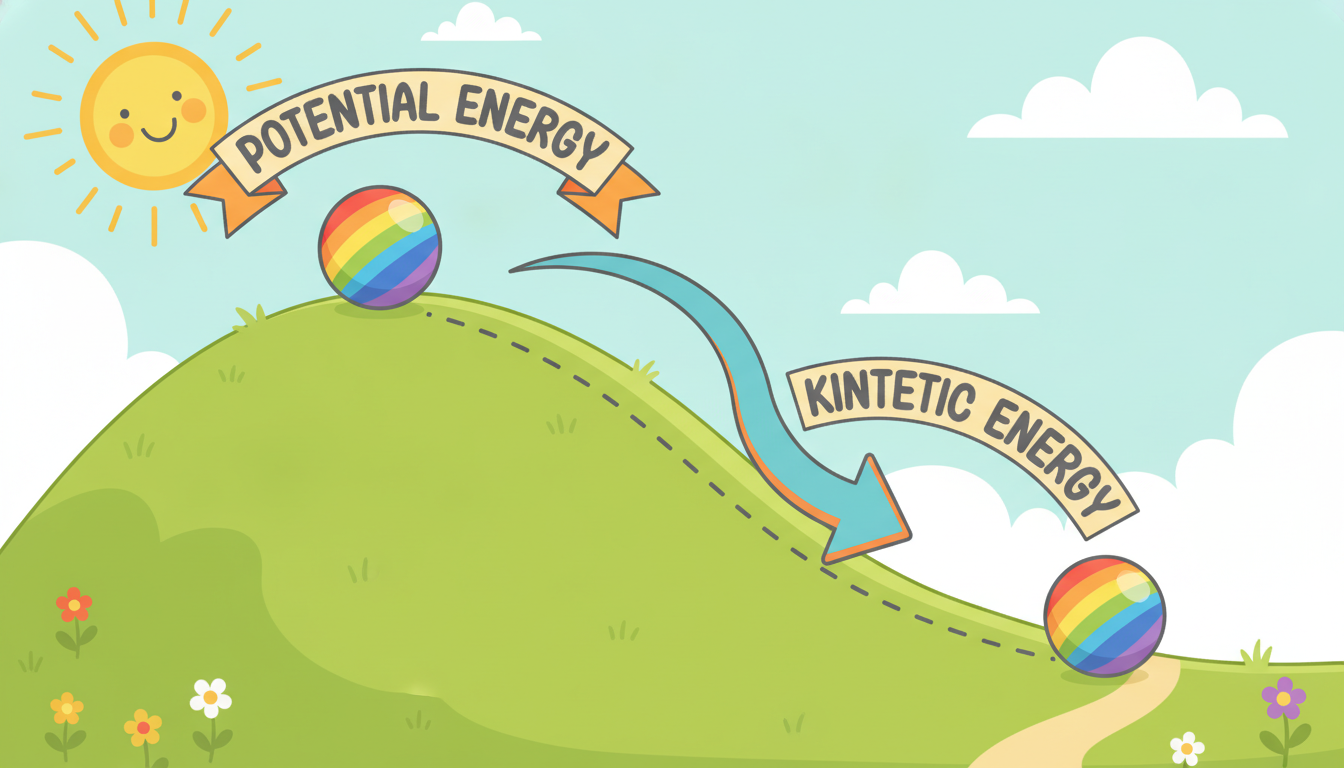
Standards: MS-PS3-1, MS-PS3-2, MS-PS3-3, MS-PS3-4, MS-PS3-5
Objectives:
- Construct and interpret graphical displays of data to describe the relationships of kinetic energy to the mass and speed of an object.
- Apply scientific principles to design, construct, and test a device that either minimizes or maximizes thermal energy transfer.
Weekly Schedule
- Week 13: Kinetic and Potential Energy Relationships (MS-PS3-1, MS-PS3-2)
- Week 14: Hands-on Investigation: Thermal Energy Transfer via Conduction and Convection (MS-PS3-4)
- Week 15: Lab/Engineering Task: Designing a High-Efficiency Insulated Container (MS-PS3-3) & Unit 4 Assessment
Unit 5: Waves (Weeks 16–18)
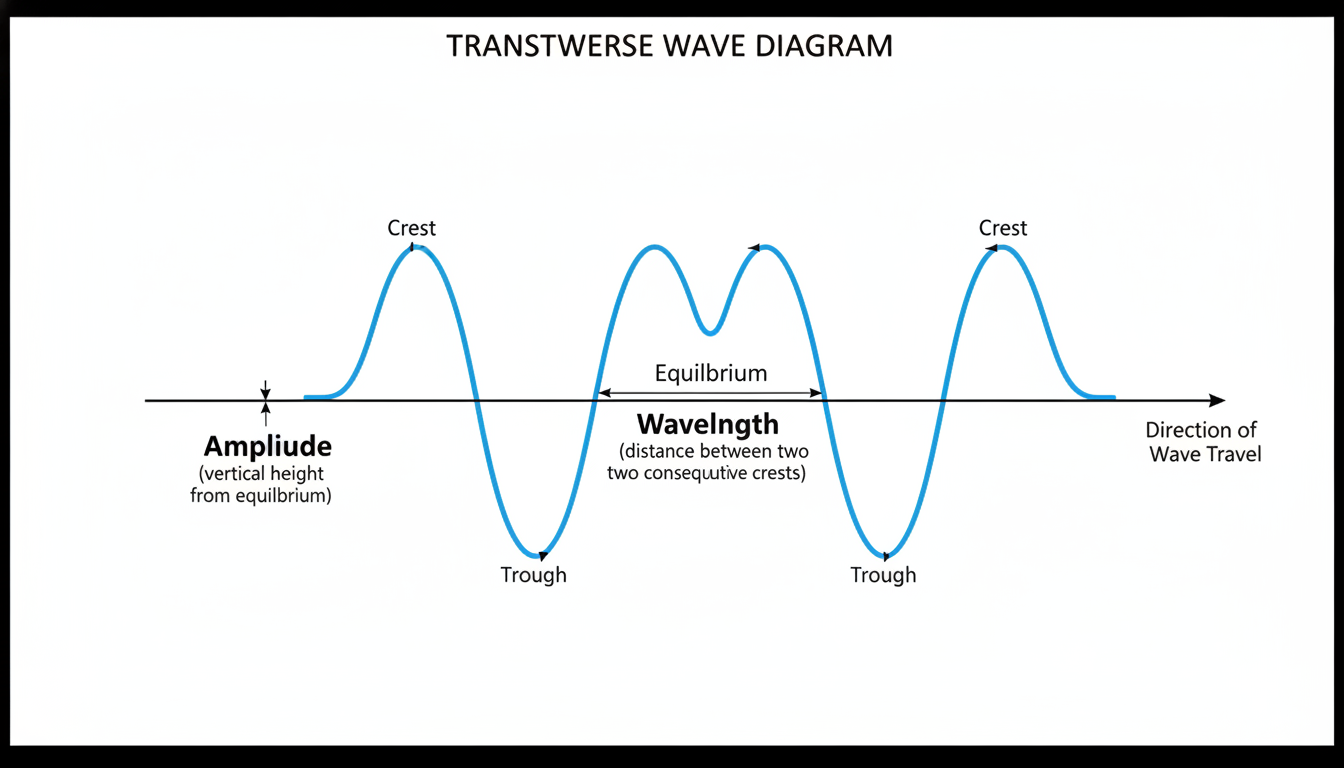
Standards: MS-PS4-1, MS-PS4-2, MS-PS4-3
Objectives:
- Use mathematical representations to describe a simple model for waves that includes how the amplitude of a wave is related to the energy in a wave.
- Integrate qualitative scientific and technical information to support the claim that digitized signals are a more reliable way to encode and transmit information than analog signals.
Weekly Schedule
- Week 16: Properties of Waves: Amplitude, Frequency, and Wavelength (MS-PS4-1)
- Week 17: Hands-on Investigation: Light Reflection, Refraction, and Absorption (MS-PS4-2)
- Week 18: Lab/Engineering Task: Building an Analog to Digital String Phone (MS-PS4-3) & Unit 5 Assessment
Supplementary Learning Materials
Use these external resources to enhance classroom instruction or provide students with additional support for specific standards.
Recommended Videos & Articles
- Matter, Flight, and Chemical Reactions | Hands-On Science
- Standard Alignment: MS-PS1
- Intro to Conservation Of Mass (NGSS MS-PS1-5)
- Standard Alignment: MS-PS1-5
- Newton's 3 Laws of Motion! Science For Kids
- Standard Alignment: MS-PS2-1, MS-PS2-2
- Conduction: Heat Transfer | PBS NC Science
- Standard Alignment: MS-PS3-4
- Waves: Amplitude, Frequency, and Wavelength
- Standard Alignment: MS-PS4-1