Generated with Monsha
Year 12 English: Analyzing Problem-Solution Frameworks in Literary Themes
Worksheet · Year 12 · English
Year 12 English: Analyzing Problem-Solution Frameworks in Literary Themes
Introduction to Problem-Solution Analysis
In Year 12 English, analyzing complex themes like domestic violence requires moving beyond simple plot points to understand the broader socio-cultural frameworks authors employ. Authors often present violence as a Problem stemming from specific Causes (such as patriarchal structures or intergenerational trauma), leading to profound Effects, and suggesting potential Solutions (such as reclaiming agency or communal healing). Use this worksheet to apply these analytical lenses to your studied text (e.g., The Color Purple, The Yield, Past the Shallows, or The Drover’s Wife).
Activity 1: Sequencing the Cycle of Violence
Instructions: In many literary texts, domestic violence is not a static state but a recurring cycle that creates narrative tension. Below are the four stages of the 'Cycle of Violence' framework, presented in a randomized order. Sequence them from 1 to 4 to represent the typical escalation and de-escalation of conflict within a domestic setting.
Order (1-4) | Stage Description |
|---|---|
| Making-Up / Reconciliation: The abuser may apologize, give gifts, blame the victim for the incident, or claim it wasn't as bad as it seemed. |
| The Incident: The actual outburst of physical, sexual, or emotional abuse occurs. This is the 'Core Problem' of the narrative arc. |
| The Calm: The situation appears to have stabilized. The victim may hope the violence has finally ended, but the underlying 'Causes' remain unaddressed. |
| Tension Building: Communication breaks down; the victim often describes feeling like they are 'walking on eggshells' as the pressure increases. |
Activity 2: Fill-in-the-Gaps – Socio-Cultural Contexts
Instructions: Fill in the blanks in the paragraph below using the word bank provided. The terms are randomized. This paragraph explores how Year 12 texts analyze the roots and impacts of domestic volatility.
Word Bank:
- systemic
- hyper-vigilance
- agency
- intergenerational
- isolation
- patriarchal
In senior literature, domestic violence is rarely portrayed as an isolated act. Instead, it is often framed as a (1)
____________________ issue, where (2) ____________________ power dynamics allow one character to exert control over another. Authors like Alice Walker or Tara June Winch explore how trauma can be (3) ____________________, passing from parent to child through a cycle of learned behavior. The immediate effect on the victim is often a state of (4) ____________________, where they are constantly alert to potential threats. Furthermore, geographical or social (5) ____________________ acts as a catalyst that prevents characters from seeking help. Ultimately, the narrative 'solution' usually involves the protagonist reclaiming their (6) ____________________ through language, culture, or community connection.
Activity 3: Open-Ended Analysis Questions
Instructions: Respond to the following questions with detailed analytical paragraphs. Refer to specific literary techniques (metaphor, symbolism, narrative perspective) used in your studied text.
- Spatial Symbolism: How does the author use the physical setting (e.g., the home, a remote town, or a specific landscape) to symbolize the 'trap' of the domestic problem?
- Psychological Realism: Evaluate the 'Effect' of domestic violence on a secondary character in your text (e.g., a child witness or a sibling). How does their perspective help the reader understand the long-term impact of the problem?
Activity 4: Label the Problem-Solution Diagram
Instructions: The flowchart below represents the high-level structure of a thematic analysis. Match the components from the word bank to the correct numbered boxes (1-4) in the diagram based on the logical flow of a 'Problem-Solution' argument.
Word Bank:
- Potential Solutions
- Immediate and Long-term Effects
- Underlying Causes
- Core Problem (The Incident)
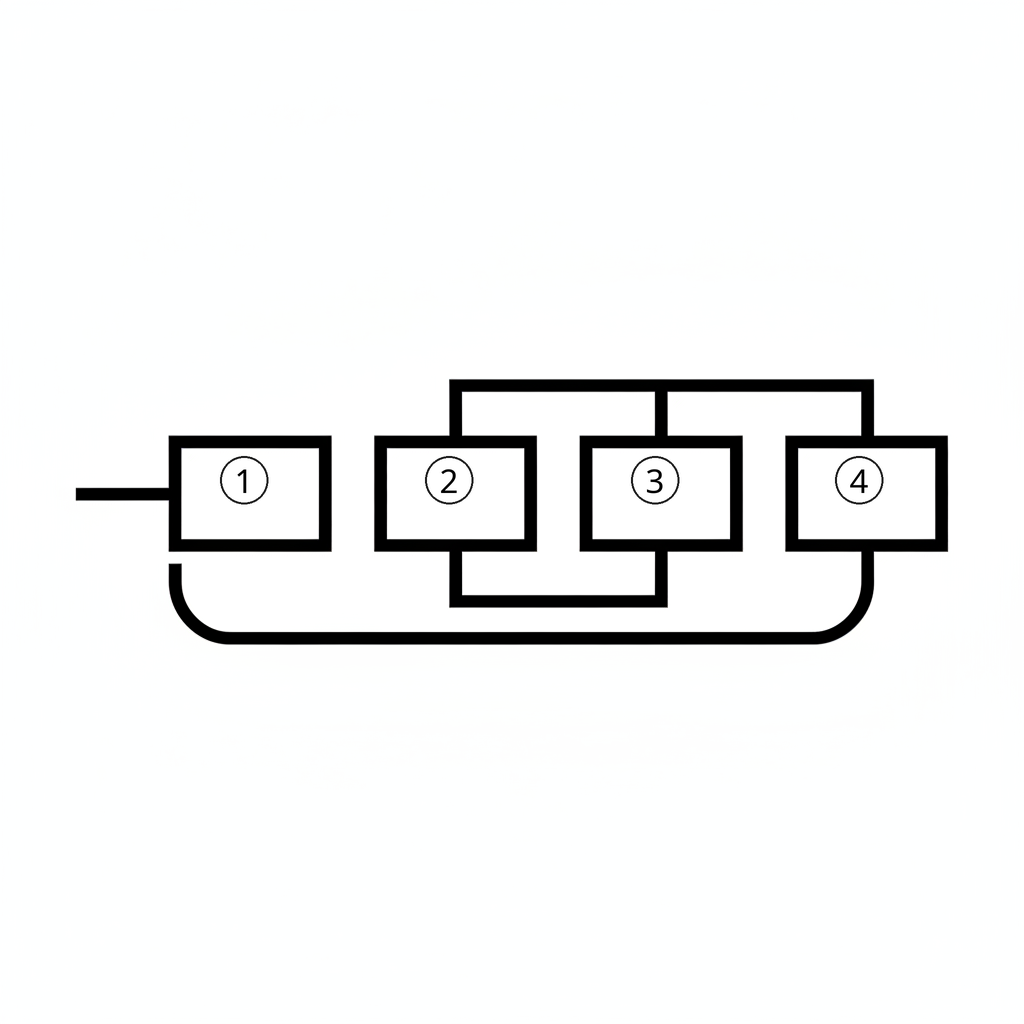
Labels:
-
-
-
-
Activity 5: Writing Prompt – The Power of Language
Instructions: Compose a formal analytical response (approx. 300-400 words) to the prompt below. Ensure you use the problem-cause-solution vocabulary practiced in this worksheet.
Prompt: "In literary representations of domestic violence, the silence is often the 'Cause' of the problem's endurance, while the reclamation of language is the 'Solution'."
Task: Discuss this statement with reference to your studied text. How does the author portray the transition from silence to storytelling as a means of resolving the effects of abuse?