Generated with Monsha
Lesson Plan Component: 21st Century Skills for Mitosis
Lesson Plan · Class 2 · English
Lesson Plan Component: 21st Century Skills for Mitosis
21st Century Skills & College and Career Readiness
This section outlines how the 90-minute lesson on mitosis (simplified as "The Cell Copy Machine") fosters essential skills for Class 2 students, preparing them for future scientific inquiry and collaborative environments.
1. Collaboration (The "Human Cell" Teamwork)
- Skill Focus: Working effectively in diverse teams and taking shared responsibility for a task.
- Activity: Students participate in the "Human Mitosis Dance." Working in groups of eight, they must coordinate their movements to act out a cell splitting. Two students (the "Instructions/DNA") must wait for two more to join them before the outer ring of students (the "Cell Wall") carefully guides them to opposite sides of the room to form two new, separate circles.
- Classroom Application: Students learn that just like a real cell, their "team" only succeeds if everyone moves in sync and supports one another.
2. Critical Thinking & Problem Solving
- Skill Focus: Analyzing how parts of a whole interact and making simple predictions based on observations.
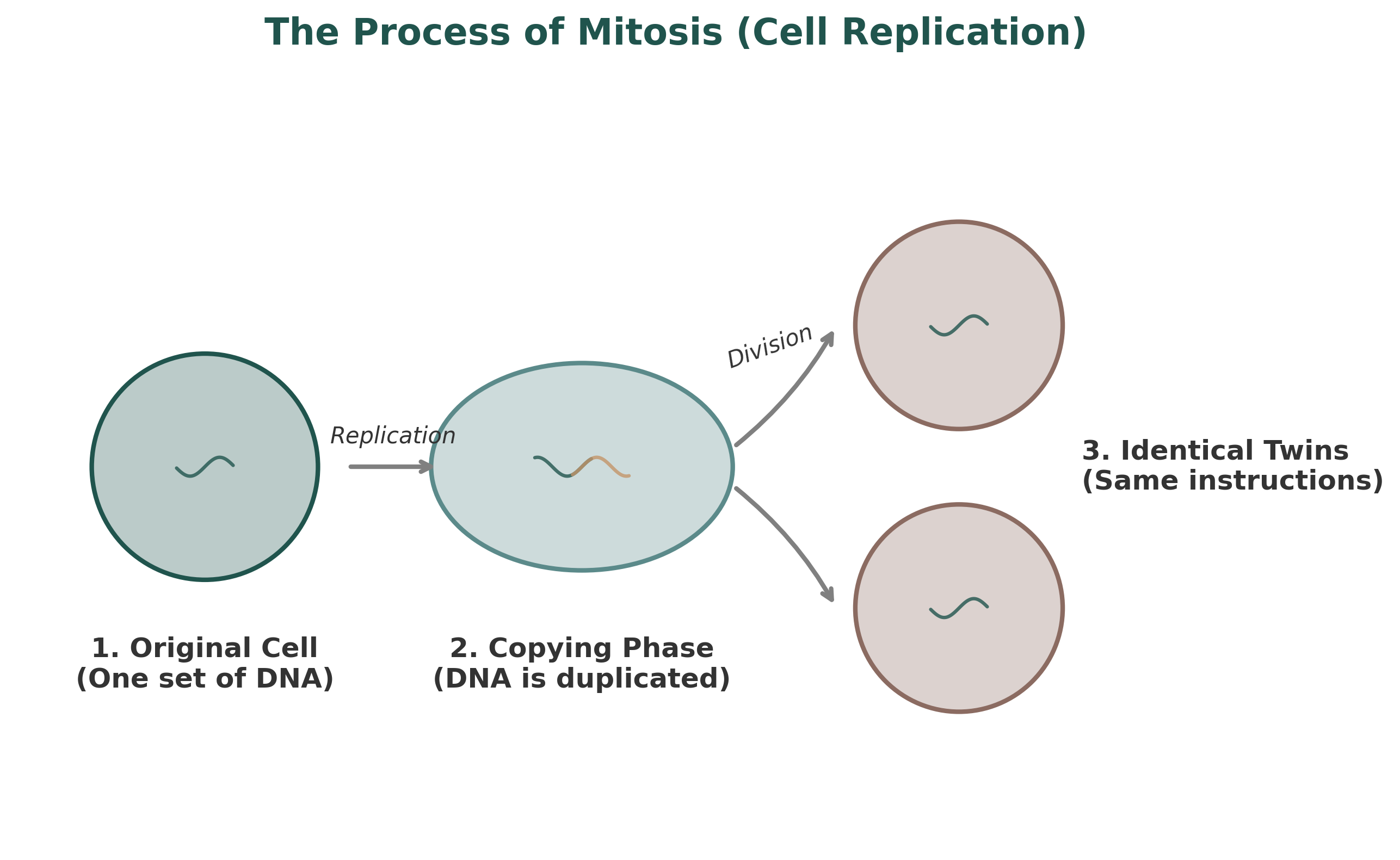
- Activity: Using the "Oreo Cell Model," students use sprinkles to represent the cell's instructions. They are presented with a problem: "What happens if one cell takes all the sprinkles and the other gets none?"
- Goal: Students must evaluate the importance of "equal copying" (mitosis) for growth and healing. They use the following visual to understand the goal of the process:
3. Communication
- Skill Focus: Articulating thoughts and ideas effectively using oral, written, and nonverbal communication skills.
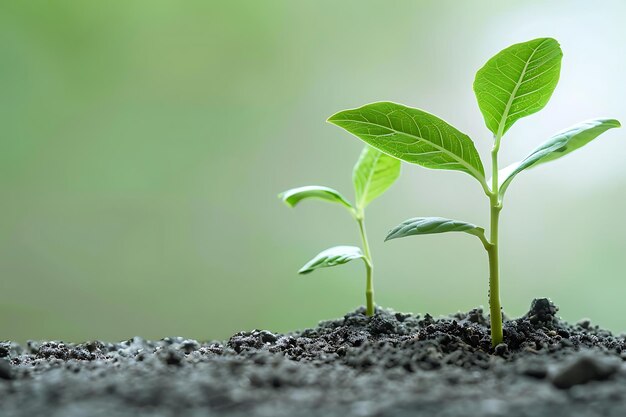
- Activity: "The Growth Diary." After observing how they have grown (using height charts) or looking at how a plant sprouts, students must explain the process to a partner using the "Copy Machine" analogy.
- Visual Aid for Discussion: Teachers will use the image below to prompt discussion on how cells are working hard every day to help us get taller.
4. Creativity and Innovation
- Skill Focus: Using a wide range of idea-creation techniques (such as brainstorming) to create new and worthwhile ideas.
- Activity: "Super-Cell Design." Students are challenged to design a 3D model of a "Specialized Cell" using recycled materials (e.g., bottle caps, yarn, bubble wrap). They must decide what their cell's "special job" is—such as healing a scraped knee or growing a new leaf—and demonstrate how it looks right before it makes a copy of itself.
Career Readiness Connection
- Early Science Careers: By observing growth and documenting changes, students are introduced to the foundational work of Biologists and Doctors. They learn that "scientific observation" is a key skill used by professionals to solve mysteries about the human body and the natural world.