Generated with Monsha
Beyond the Bento: A Visual Guide to Modern Japanese Ingredients
Adaptive Reading Passage · Grade 12 · English
Beyond the Bento: A Visual Guide to Modern Japanese Ingredients
Modern Japanese culinary culture represents a sophisticated synthesis of centuries-old tradition and contemporary innovation. In upscale restaurants and lifestyle cafes, the focus has shifted from simple sustenance to a multi-sensory exploration of flavor, texture, and visual aesthetics. Central to this evolution is a select group of premium ingredients that define the modern Japanese plate.
The 'Umami Bomb': Wagyu and Uni
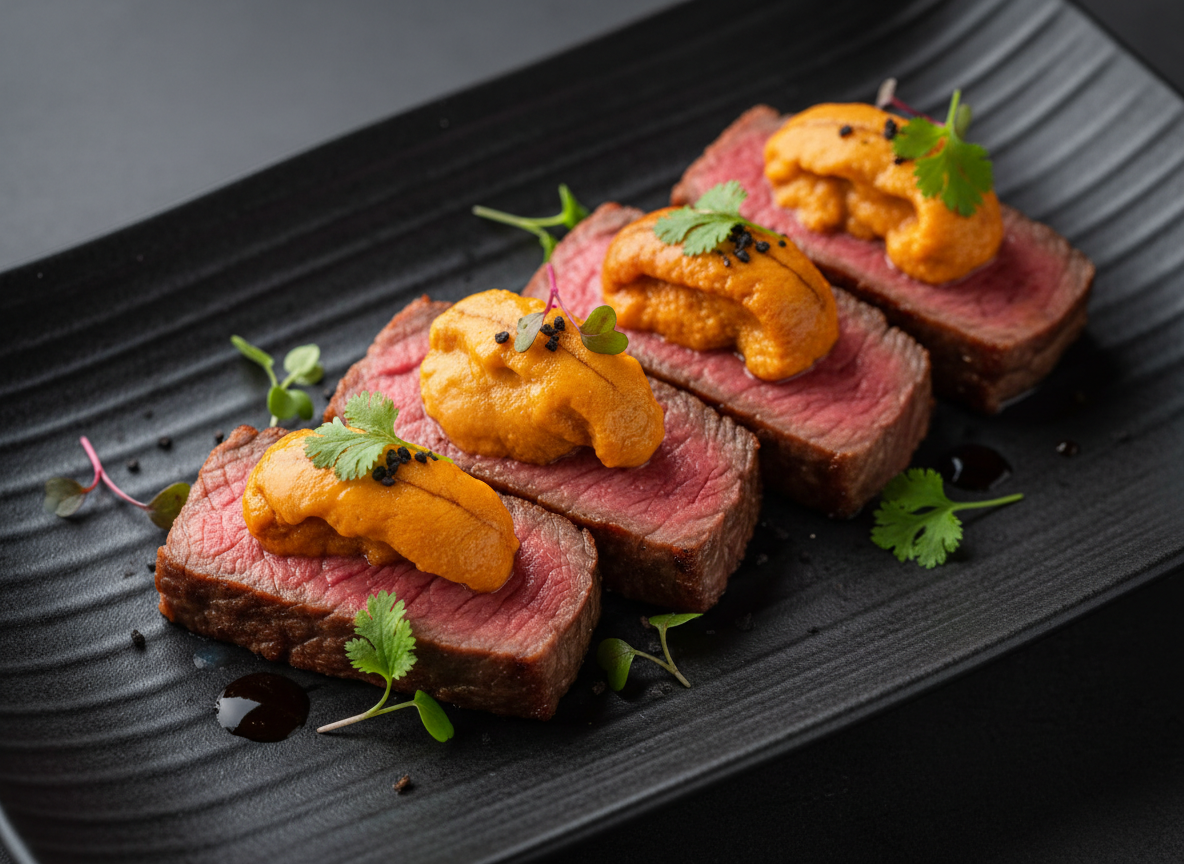
Perhaps the most iconic pairing in contemporary fusion is the combination of high-grade Wagyu beef and Uni (sea urchin). Wagyu is celebrated for its intricate marbling and high concentration of oleic acid, which results in a buttery, melt-in-the-mouth texture. When lightly seared and topped with the creamy, mineral-rich sweetness of fresh Uni, it creates what chefs call an "umami bomb." This duo often appears in modern omakase as a signature hand roll or a luxurious pasta garnish.
The Versatility of Matcha
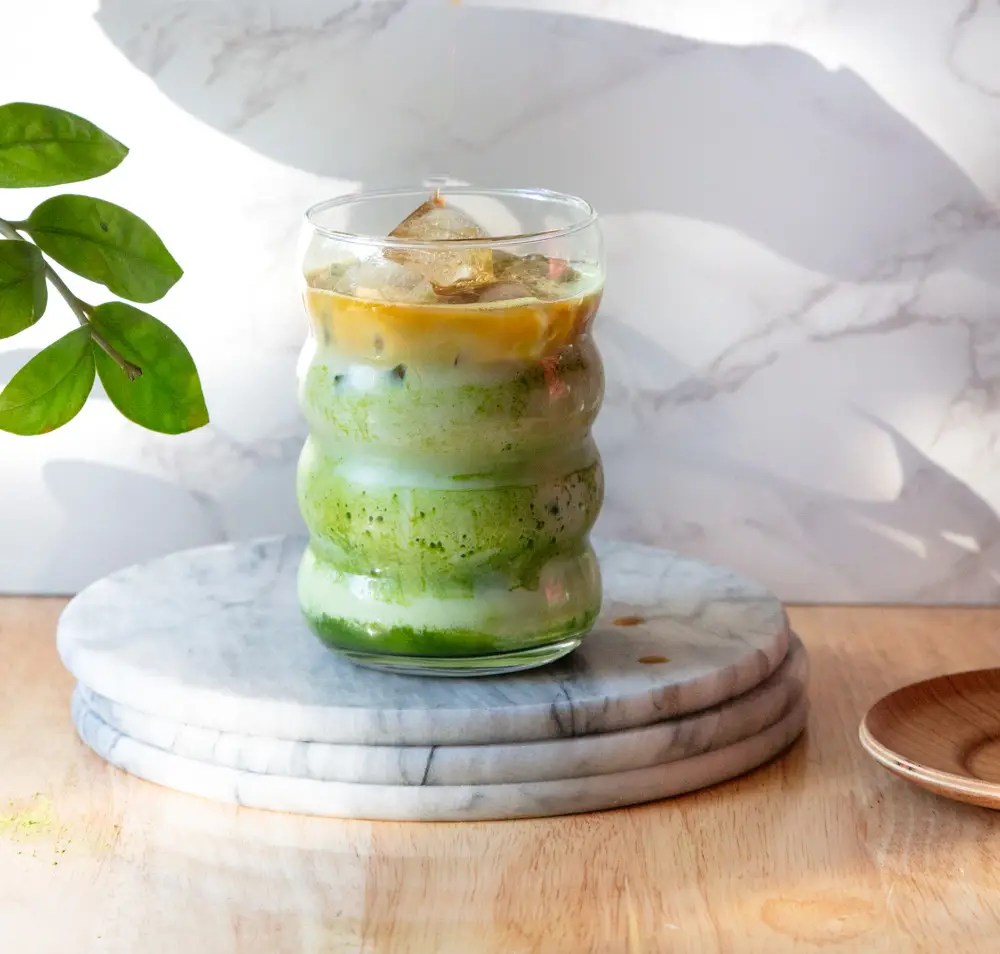
While Matcha has its roots in the formal tea ceremony, modern cafe culture has embraced its versatility. Ceremonial-grade Matcha, harvested during the first flush (ichiban-cha), is stone-ground into a vibrant green powder with a high L-theanine content, offering a sweet, grassy profile. Conversely, culinary-grade Matcha is more robust and astringent, making it ideal for the "Dirty Matcha Lattes" or "Matcha Affogatos" found in urban cafes.
Floral Acidity: Yuzu and Yuzu Kosho
Unlike common lemons, the Yuzu citrus offers a complex floral aroma reminiscent of honeysuckle and grapefruit. In modern kitchens, it is frequently used as Yuzu Kosho—a fermented paste of yuzu peel, chili, and salt. This condiment provides a sharp, spicy kick that cuts through the richness of grilled meats or adds depth to contemporary vinaigrettes and sparkling sodas.
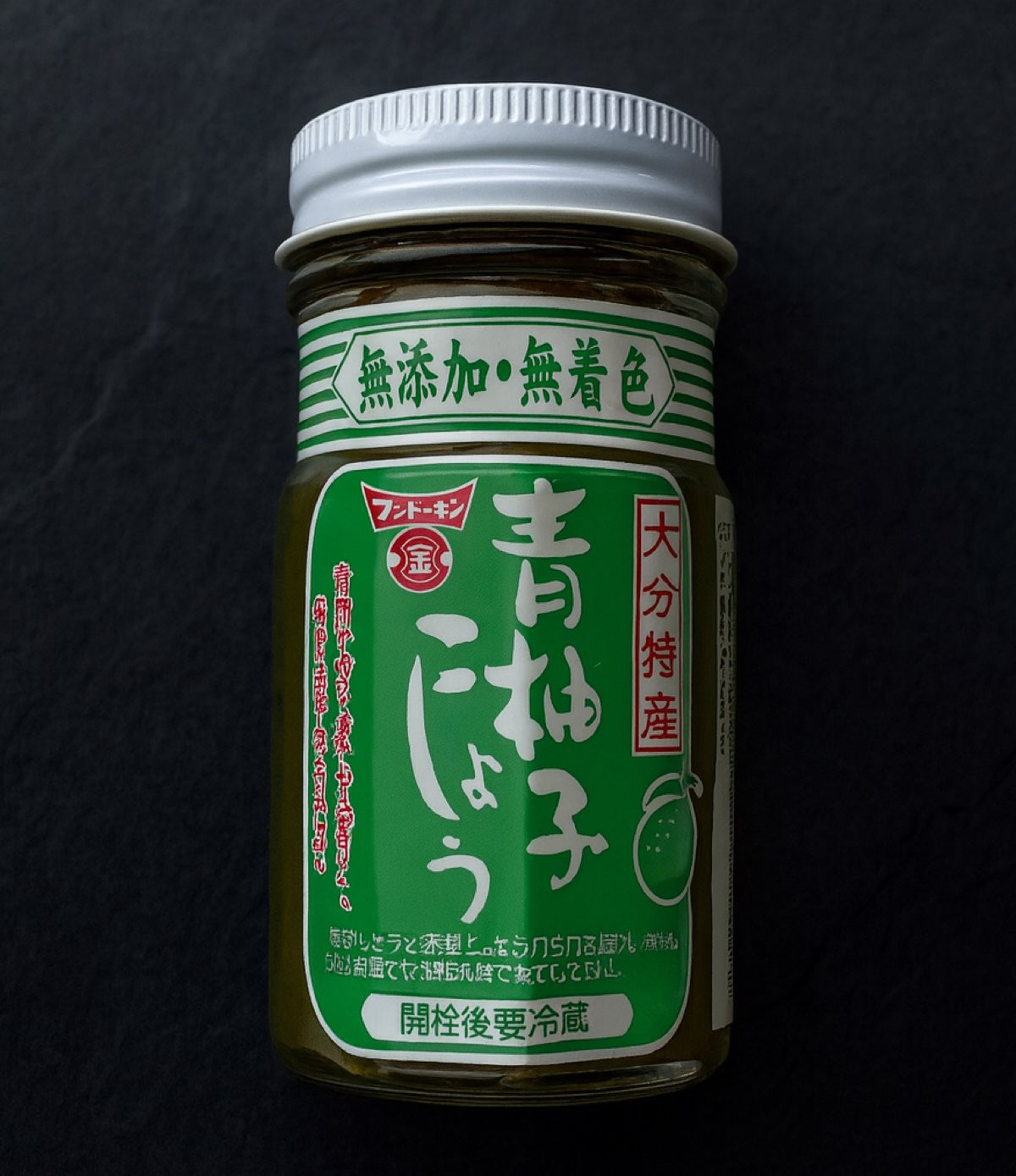
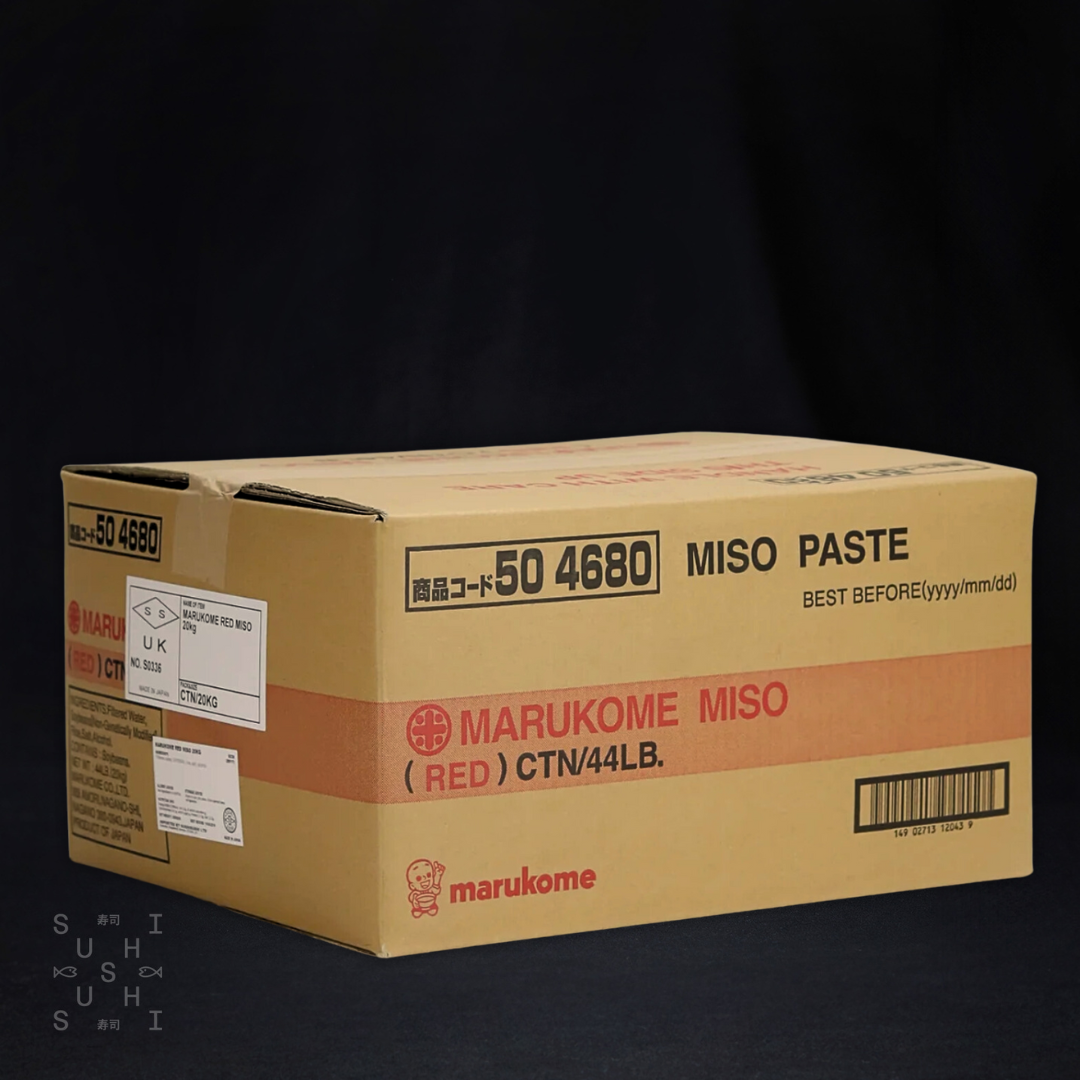
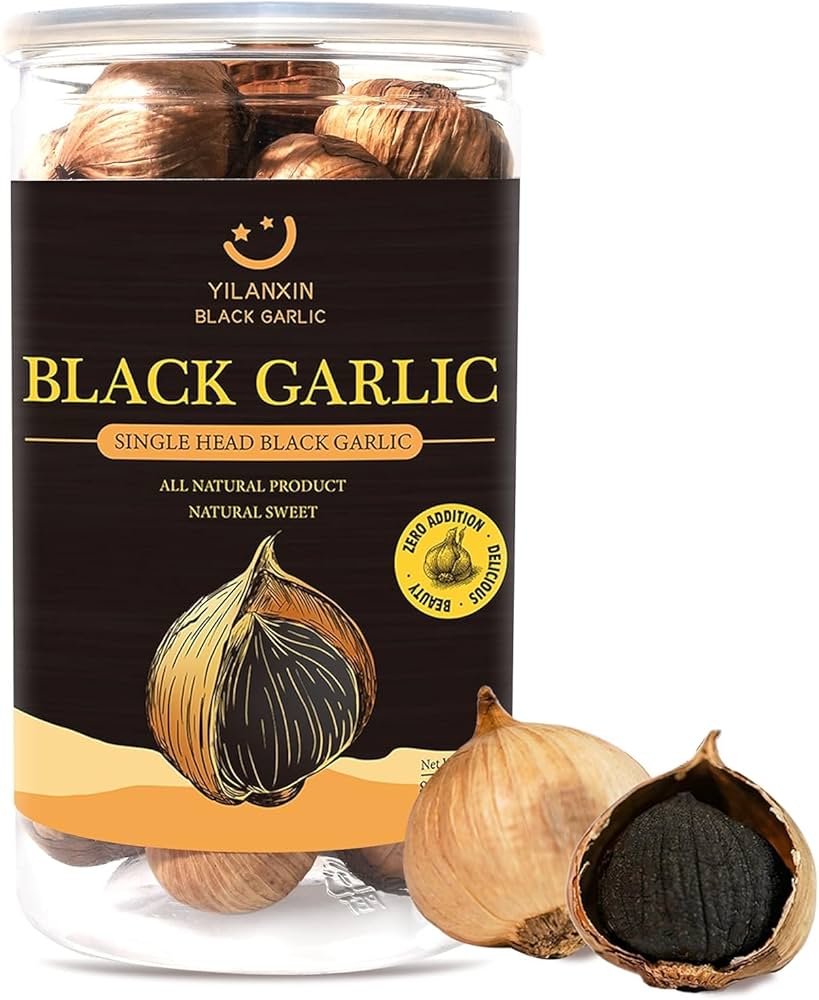
Fermented Depth: Miso and Black Garlic
Miso has moved far beyond the soup bowl. Contemporary chefs utilize Shiro (White) Miso for its mild, sweet creaminess in desserts like miso caramel, while pungent Aka (Red) Miso provides a savory backbone for hearty marinades. Similarly, Black Garlic—aged under heat and humidity—undergoes a Maillard reaction that transforms its harsh bite into a balsamic-like sweetness with notes of molasses, often used in dramatic black purees.