Generated with Monsha
Honeybees and Nonfiction Text Features: Grade 3 Reading Comprehension Worksheet
Reading Comprehension Questions · Grade 3 · English
Honeybees and Nonfiction Text Features: Grade 3 Reading Comprehension Worksheet
The Busy Life of Honeybees
A Busy Hive
Did you know that honeybees are some of the hardest workers in nature? Every bee in a hive has a special job to do. Most of the bees you see flying around are worker bees. They fly from flower to flower to collect pollen. This tiny dust sticks to their fuzzy legs. They also look for nectar, which is a sweet liquid that flowers make.
From Nectar to Honey
When a worker bee finds a good flower, it uses its long tongue like a straw to drink the nectar. The bee carries the nectar back to its hive in a special stomach. Back at the hive, other bees help turn that nectar into the sweet honey we love to eat. Honey is stored in small shapes called honeycombs. Bees make enough honey to feed the whole hive during the cold winter months.
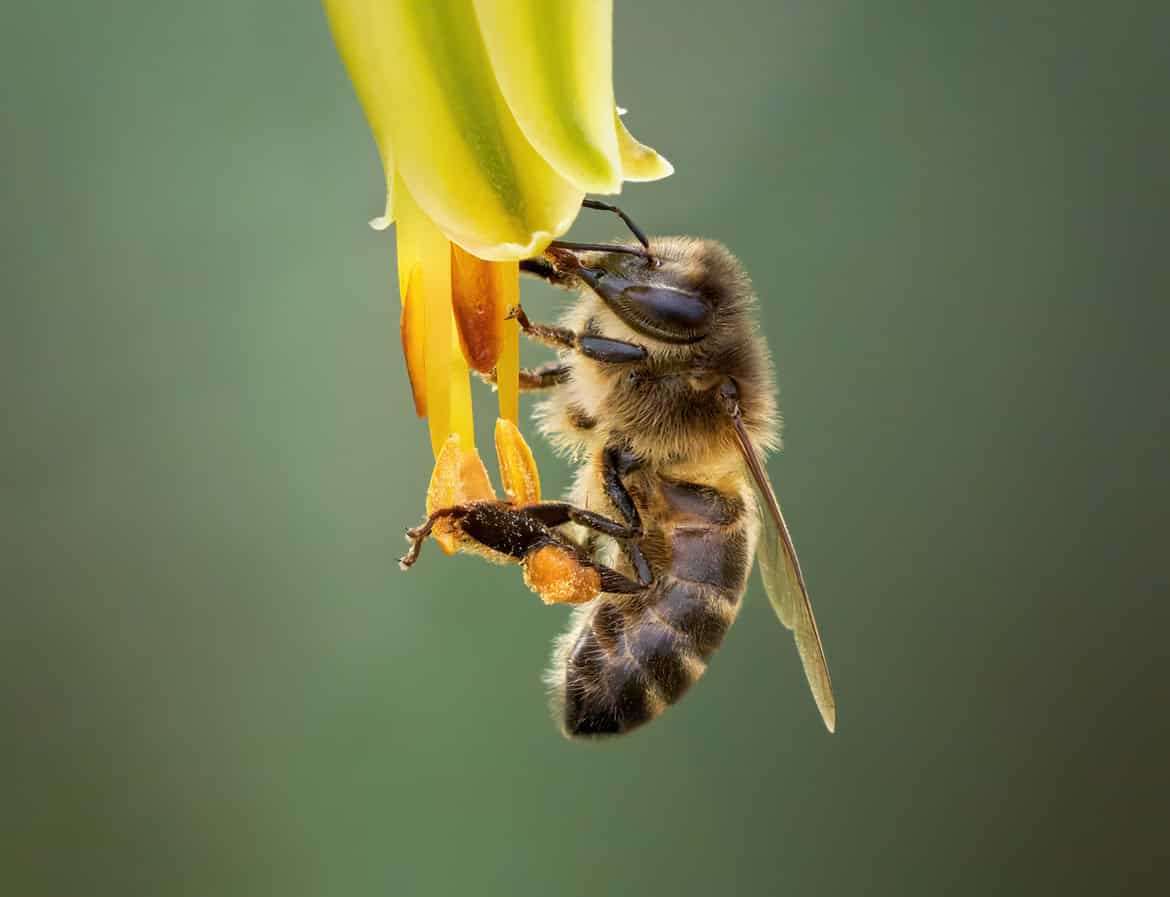
Glossary:
- Pollen: A fine powder made by flowers that helps plants grow.
- Nectar: A sweet liquid found inside flowers that bees use to make honey.
Fun Bee Facts!
- Honeybees can fly up to 15 miles per hour.
- A single hive can have over 50,000 bees living in it.
- Bees communicate by doing a special "waggle dance."
Reading Comprehension: Text Features
Instructions: Use the article "The Busy Life of Honeybees" to answer the following questions.
- What is the title of the article you just read?
- Which heading should you look under to learn about how bees collect food from flowers?
- Look at the picture in the article. Based on the caption (Figure 1), what is the bee doing?
- Look at the "Fun Bee Facts" box on the side of the page. Name one fact found in that sidebar.
- How does the heading "From Nectar to Honey" help you as a reader?
- How does the glossary at the bottom of the article help you understand the text better?