Generated with Monsha
World War II Cinema and Historical Memory Quiz
Questions · Grade 12 · English
World War II Cinema and Historical Memory Quiz
World War II Cinema and Historical Memory Assessment
Grade 12 History Quiz: Cinema and the Construction of Memory
Instructions: Select the best answer for each of the following questions based on the relationship between film and historical record.
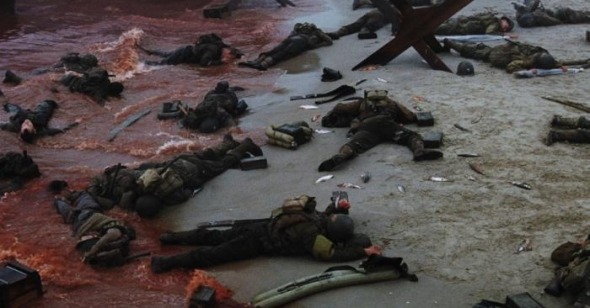
- Which term best describes the immersive cinematic technique shown in Figure 1, used to foster historical empathy by making the past feel immediate? A) Narrative sanitization B) Visceral realism C) Hollywoodization D) Affective history
- How does "affective history" primarily function when modern audiences watch World War II films? A) It establishes an emotional connection between current viewers and historical figures. B) It prioritizes the rigorous citation of primary source documents. C) It focuses on the logistical complexities of industrial-scale warfare. D) It replaces historical facts with entirely fictionalized timelines.
- What is a significant risk associated with the "Hollywoodization" of historical events? A) It makes historical events too complex for general audiences to follow. B) It overemphasizes the scale of the Eastern Front over the Western Front. C) It simplifies multifaceted causes into satisfying narratives of individual heroism. D) It leads to an increase in the critical consumption of academic texts.
- The historical omission of millions of Indian soldiers from mainstream British military films is a documented example of: A) Visceral realism B) Affective history C) Binary narratives D) Whitewashing

- Based on the geographic scale shown in Figure 2, what is a common criticism regarding the "Western-Centric Bias" in World War II cinema? A) Western films over-represent the causalities suffered by the Soviet Union. B) Western media frequently ignores the fact that the majority of German casualties occurred on the Eastern Front. C) Cinema accurately reflects the equal distribution of combat across all fronts. D) The Eastern Front is typically portrayed as the primary site of American heroism.
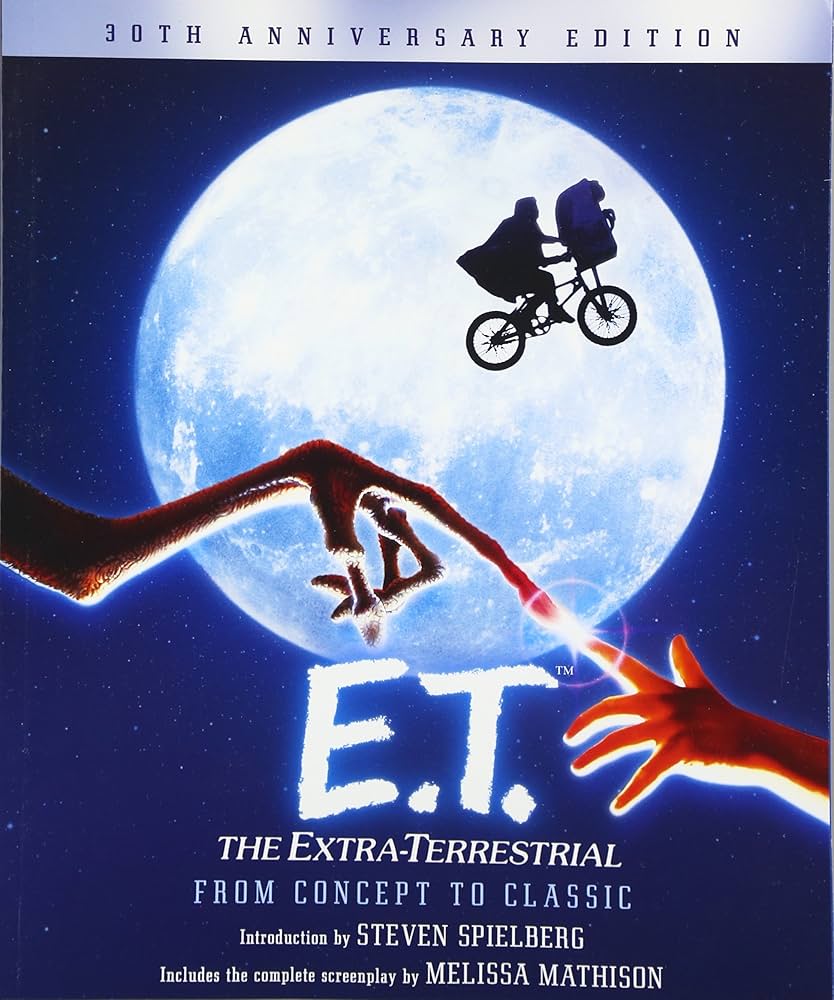
- According to the research, how can survival narratives like the one shown in Figure 3 inadvertently "sanitize" the memory of the Holocaust? A) By focusing on redemption and survival rather than the inescapable tragedy for the vast majority. B) By utilizing black-and-white cinematography to detach the viewer from the reality. C) By depicting the Holocaust as a purely political event rather than a moral one. D) By omitting the roles of non-German participants in the conflict.
- What essential distinction must Grade 12 students make when evaluating the pedagogical value of historical cinema? A) The difference between black-and-white and color-graded footage. B) The difference between individual character arcs and military strategy. C) The difference between cinematic "emotional truth" and rigorous "historical fact." D) The difference between films produced in Hollywood and those produced in Europe.
- In what way does cinema serve as a "bridge" for younger generations according to the provided material? A) It connects military history with political science curricula. B) It links the Eastern Front directly to the Pacific Theater. C) It bridges the gap between primary sources and secondary interpretations. D) It connects distant historical events to modern-day emotional relevance.
- What is the typical consequence of presenting history through binary "good versus evil" narratives in film? A) It promotes a deeper understanding of the socio-economic causes of war. B) It distorts public understanding of complex, multifaceted historical causes. C) It highlights the contributions of diverse ethnic groups in military history. D) It encourages students to perform independent research in primary archives.
- Why is "critical consumption" of historical films a necessary skill for history students? A) To avoid accepting narrative-driven distortions as absolute historical truth. B) To ensure that they only watch films that are 100% historically accurate. ) To help them appreciate the artistic value of cinematography over historical facts. D) To enable them to identify the specific filming locations used in war movies.
World War II Cinema and Historical Memory Assessment
Grade 12 History Quiz: Cinema and the Construction of Memory
Instructions: Select the most appropriate answer for each question based on the concepts of historical representation and collective memory in film.
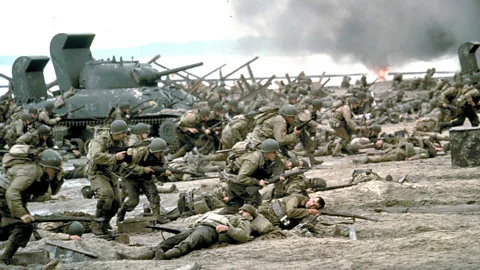
- Which term best describes the immersive cinematic technique shown in Figure 1, used to foster historical empathy by making the past feel immediate and physically intense? A) Affective history B) Visceral realism C) Narrative sanitization D) Hollywoodization
- How does "affective history" primarily function when modern audiences watch World War II films? A) It creates an emotional connection between the audience and historical figures. B) It prioritizes the rigorous citation of primary source documents over narrative. C) It focuses on the logistical complexities of industrial-scale warfare. D) It replaces historical facts with entirely fictionalized timelines for entertainment.
- What is a significant risk associated with the "Hollywoodization" of historical events? A) It makes historical events too complex for younger generations to follow. B) It overemphasizes the scale of the Eastern Front over the Western Front. C) It leads to an increase in the critical consumption of academic texts. D) It prioritizes narrative satisfaction and individual heroism over nuanced social realities.
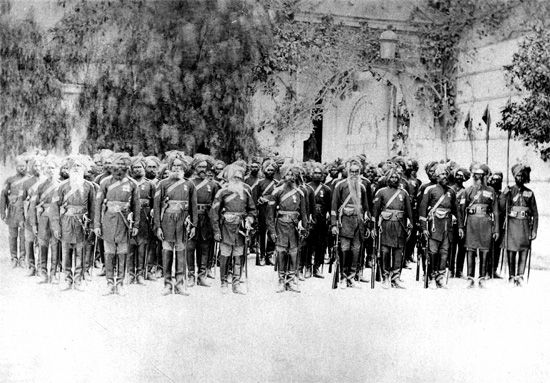
- The historical omission of soldiers like those shown in Figure 2 from mainstream British and American military films is a documented example of: A) Visceral realism B) Binary narratives C) Whitewashing D) Affective history
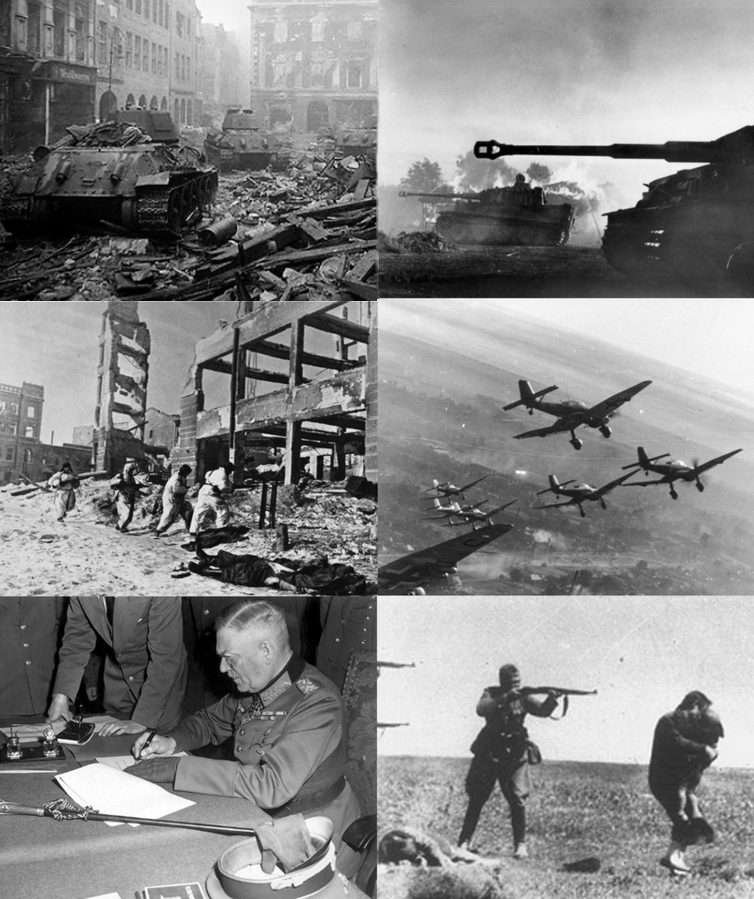
- Based on the geographic scale shown in Figure 3, what is a common criticism regarding the "Western-Centric Bias" in World War II cinema? A) Western films often ignore the fact that the majority of German casualties occurred on the Eastern Front. B) Western media over-represents the industrial-scale casualties suffered by the Soviet Union. C) Cinema accurately reflects the equal distribution of global combat across all fronts. D) The Eastern Front is typically portrayed as the primary site of American and British heroism.
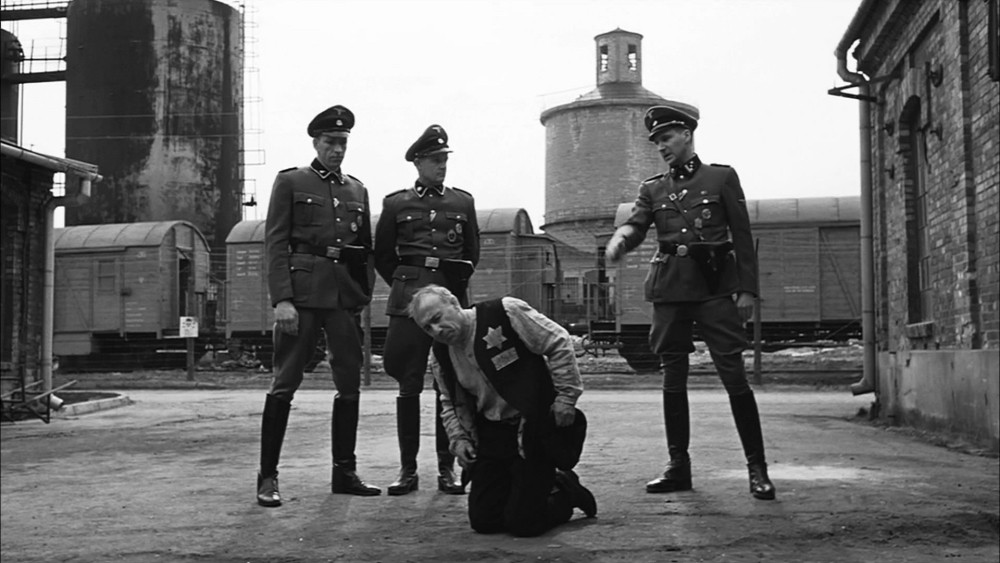
- According to the research, how can survival narratives like the one shown in Figure 4 inadvertently "sanitize" the memory of the Holocaust? A) By depicting the Holocaust as a purely political event rather than a moral struggle. B) By focusing on stories of redemption and survival rather than the inescapable tragedy for the vast majority of victims. C) By utilizing black-and-white cinematography to detach the viewer from the reality of the events. D) By omitting the roles of non-German participants and collaborators in the conflict.
- What essential distinction must Grade 12 students make when evaluating the pedagogical value of historical cinema? A) The difference between black-and-white and modern color-graded footage. B) The difference between individual character arcs and overarching military strategy. C) The difference between films produced in Hollywood and those produced in European studios. D) The difference between cinematic "emotional truth" and rigorous "historical fact."
- In what way does cinema serve as a "bridge" for younger generations according to the provided material? A) It connects military history with political science curricula in a formal setting. B) It links the Eastern Front directly to the Pacific Theater through narrative sequels. C) It connects distant historical events to modern-day emotional relevance. D) It bridges the gap between primary archival sources and secondary scholarly interpretations.
- What is a typical consequence of presenting history through binary "good versus evil" narratives in film? A) It promotes a deeper understanding of the socio-economic causes of international war. B) It highlights the contributions of diverse ethnic groups in global military history. C) It encourages students to perform independent research in primary archives. D) It distorts public understanding of complex, multifaceted historical causes.
- Why is "critical consumption" of historical films a necessary skill for history students? A) To help them avoid accepting narrative-driven distortions as absolute historical truth. B) To ensure that they only watch films that are 100% historically accurate and verified. C) To help them appreciate the artistic value of cinematography over historical data. D) To enable them to identify the specific filming locations used in historical war movies.