Generated with Monsha
Save this resource to edit, expand, or export it, or create more resources for free.
Native American Communities: Roles, Traditions, and Technology
Anything
Grade 4
English
Native American Communities: Roles, Traditions, and Technology
Native American Communities: Roles, Traditions, and Technology
Long before modern cities were built, diverse groups of Native Americans lived across North America. Each community was unique, but they all shared a deep connection to the land and a strong sense of community. To survive and thrive, they developed complex social roles, rich traditions, and clever technologies.
Traditions, Beliefs, and Values
Native American culture is rooted in a deep respect for nature and the environment. Many tribes believed that every living thing—animals, plants, and even rocks—had a spirit. This belief led to a value of taking only what was needed and giving thanks for the earth's gifts.
Traditions were a vital part of daily life. One of the most important traditions was storytelling. Since many tribes did not have a written language, elders used stories to pass down history, religious beliefs, and life lessons to the younger generation. These stories often featured animals or nature to explain how the world began or why certain things happen.

Roles in the Community
In Native American communities, everyone had a role that helped the group survive.
- Men: Usually, men were the hunters and protectors. They tracked large animals like buffalo, deer, or whales to provide food and materials for clothing and shelter. They also served as leaders and warriors.
- Women: Women played a crucial role in managing the home and community. They were often the farmers, growing crops like corn, beans, and squash (known as the "Three Sisters"). They also gathered wild berries, prepared food, made clothing from animal hides, and were responsible for building or maintaining homes like tipis or longhouses.
- Children: Children learned by watching and helping their parents. Boys practiced hunting and tool-making, while girls learned how to farm, cook, and weave. Play was also a way of learning; games often improved their strength, speed, and accuracy.
Transportation and Technology
Native Americans were expert engineers who used the materials around them to create amazing technology.
Technology included tools made from stone, bone, and wood. For example, tribes in the Southwest developed irrigation systems to bring water to their crops in the desert. In the North, people made warm, waterproof clothing from seal or caribou skins.
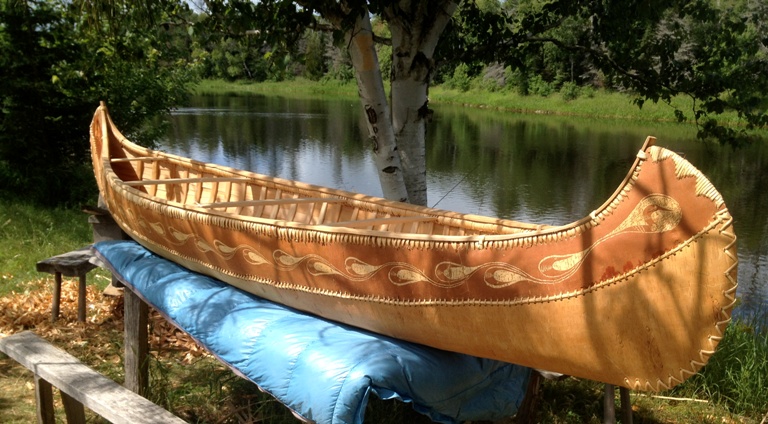
Transportation varied depending on where a tribe lived. Tribes near water used canoes made from hollowed-out logs or birchbark. In the Great Plains, tribes used a travois—two long poles attached to a dog (and later a horse) to pull heavy loads. After horses were introduced by Europeans, they became a major form of transportation for many tribes, changing how they hunted and moved.
Worksheet: Exploring Native American Life
Name: Date:
Task 1: Comprehension Check
Circle the correct answer for each question.
- What was the primary purpose of storytelling in Native American communities? A) To provide entertainment during the winter months B) To pass down history, beliefs, and lessons to children C) To help hunters track animals in the forest D) To communicate with tribes that lived far away
- Which group of people was primarily responsible for farming crops like the "Three Sisters"? A) The Elders B) The Children C) The Men D) The Women
- What type of technology did tribes in the Southwest use to grow food in the dry desert? A) Birchbark canoes B) Irrigation systems C) Travois pulled by dogs D) Bone needles for sewing
Task 2: Matching Roles
Draw a line to match the person to their primary role in the community.
Person | Primary Role |
|---|---|
Men | Farming, preparing food, and building shelters |
Women | Learning through play and helping parents |
Children | Hunting, protecting the tribe, and leading |
Task 3: Deep Thinking
Native Americans believed that everything in nature had a spirit. How do you think this belief affected the way they treated the land and animals? Write 2–3 sentences below.
Task 4: Technology Spotlight
Choose one piece of technology mentioned in the text (e.g., irrigation, bone tools, canoes). Describe what it was made of and how it helped the tribe survive.
Technology:
How it helped:
Task 5: Vocabulary Fill-in-the-Blank
Complete the sentences using the words from the word bank.
Word Bank: Travois | Birchbark | Irrigation | Tipi
- A canoe was lightweight and perfect for traveling on rivers.
- Before horses, many tribes used a pulled by dogs to move their belongings.
- To bring water to dry fields, farmers built systems.