Generated with Monsha
Salem and the Leadership of M. K. Stalin
Anything · Undergraduate Year 3 · English
Salem and the Leadership of M. K. Stalin
The Industrial Heart: Salem, Tamil Nadu
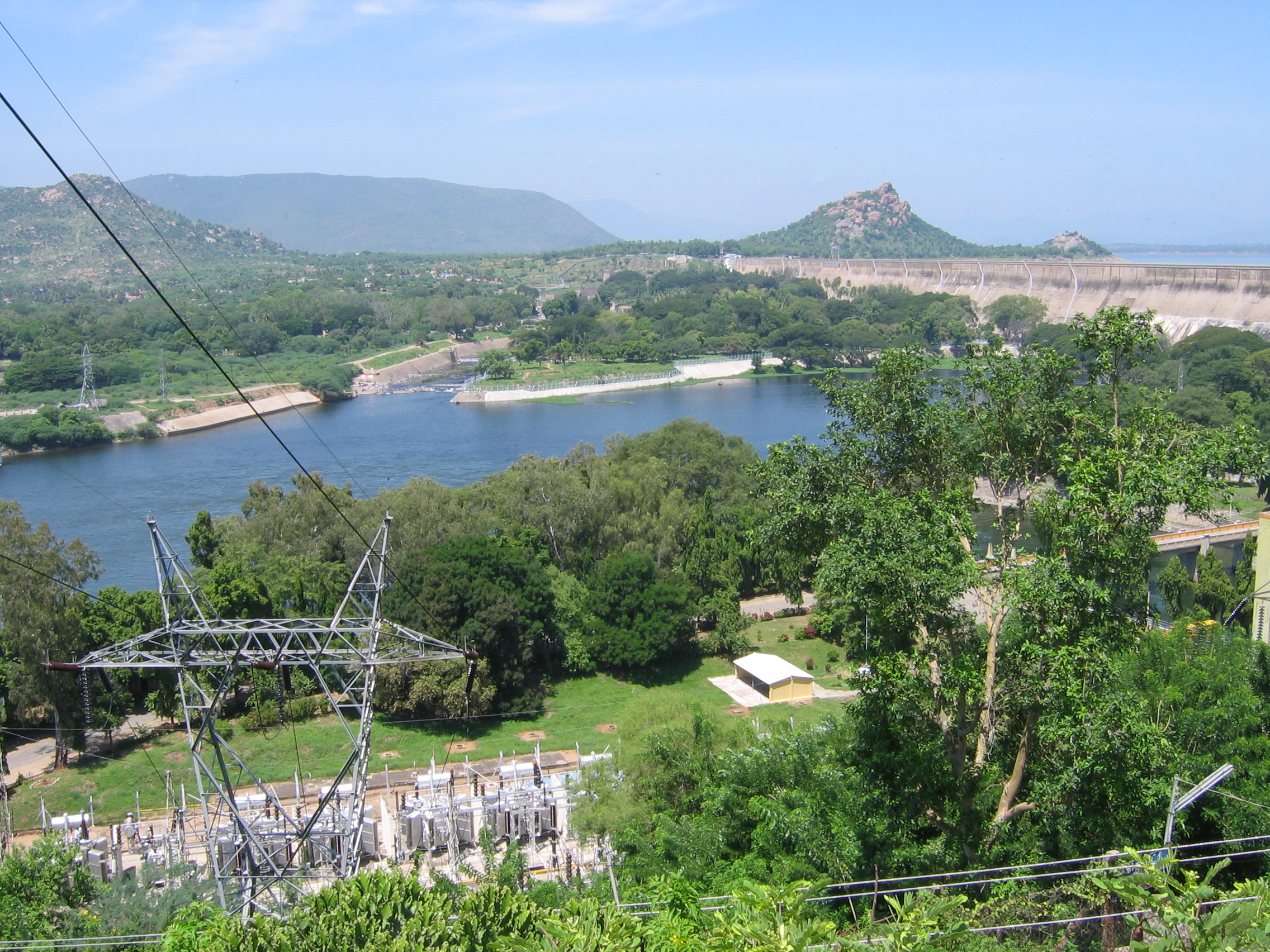
Salem, often referred to as the "Steel City" and the "Mango City" of Tamil Nadu, serves as a vital economic hub nestled in the foothills of the Yercaud hills. For an undergraduate perspective, Salem represents a unique intersection of industrial prowess and natural beauty. Historically known as the "Geologist's Paradise," the district is famous for its vast mineral deposits, the iconic Salem Steel Plant, and the massive Mettur Dam, which serves as the lifeline for the state's agriculture. Beyond the steel and stone, the city pulses with the scent of Malgova mangoes and the rhythmic clatter of handlooms, reflecting a rich cultural heritage that has evolved alongside its modern infrastructure.
Governance and the Dravidian Model
In the political landscape, Tamil Nadu is currently steered by Chief Minister M. K. Stalin, who assumed office in May 2021. His administration is characterized by the "Dravidian Model" of governance—a philosophy that balances aggressive industrial growth with deep-rooted social justice. For a state known for its high literacy and industrial output, Stalin’s focus on the "Naan Mudhalvan" (I am the first) scheme—aimed at upskilling youth—and women's empowerment initiatives have resonated deeply across the state.
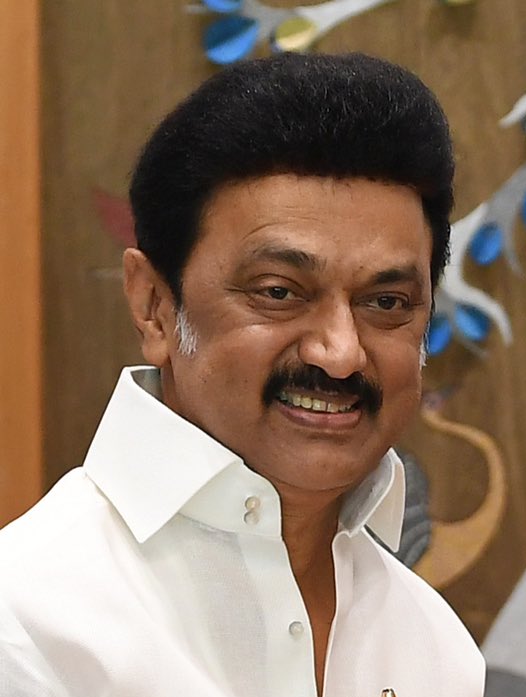
His leadership style, often described as pragmatic and accessible, seeks to position Tamil Nadu as a trillion-dollar economy. By prioritizing infrastructure in tier-II cities like Salem while maintaining robust welfare programs, the current government aims to ensure that the benefits of development reach the grassroots, effectively bridging the gap between urban centers and the rural heartland.