Generated with Monsha
Photosynthesis Key Vocabulary: Frayer Model
Key Vocab Words · Grade 7 · English
Photosynthesis Key Vocabulary: Frayer Model
1. Photosynthesis
Definition:
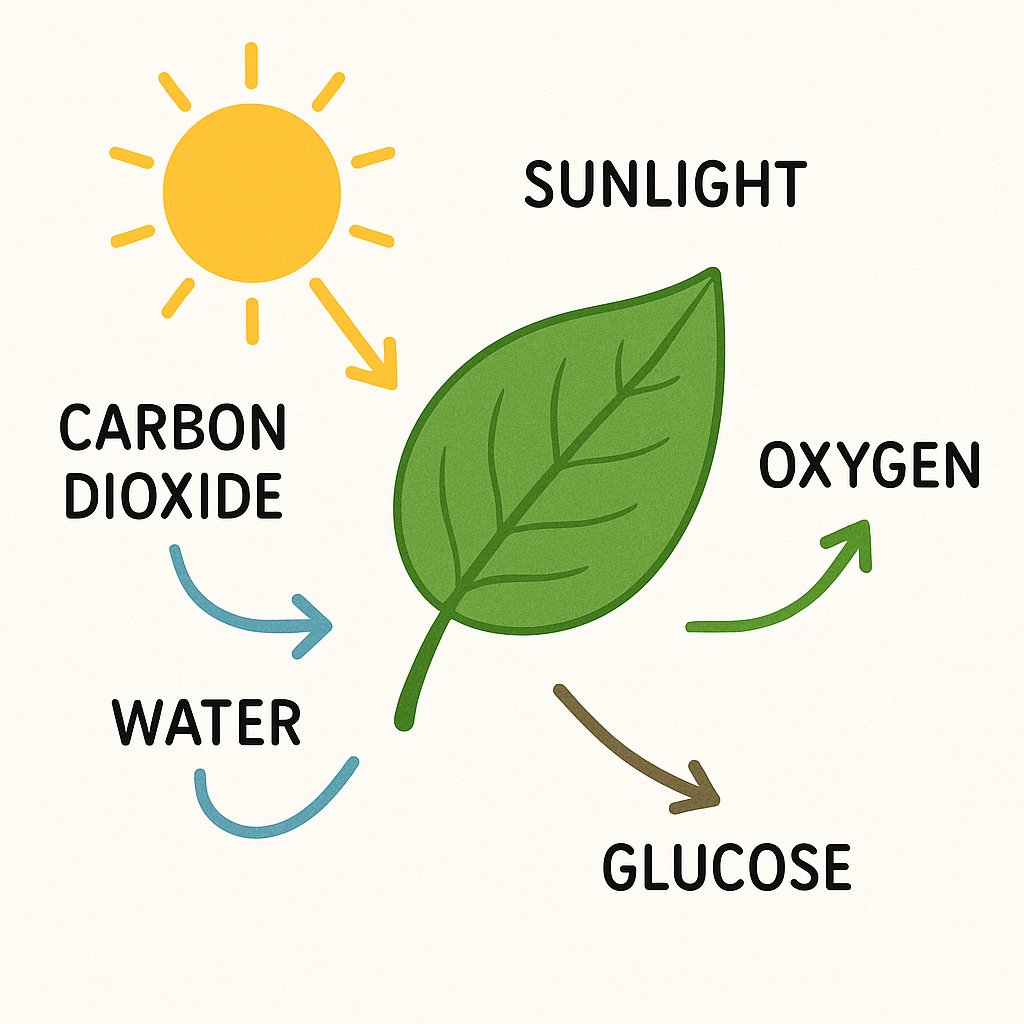
Photosynthesis is the process by which green plants use sunlight to make their own food from carbon dioxide and water.
Characteristics:
- Occurs in the chloroplasts of plant cells
- Requires sunlight, water, and carbon dioxide
- Produces glucose (sugar) and oxygen
Examples:
- Leaves of a tree converting sunlight to food
- Algae in a pond making sugar
Non-examples:
- Animals eating food for energy
- Fungi absorbing nutrients from decaying matter
2. Chlorophyll
Definition:
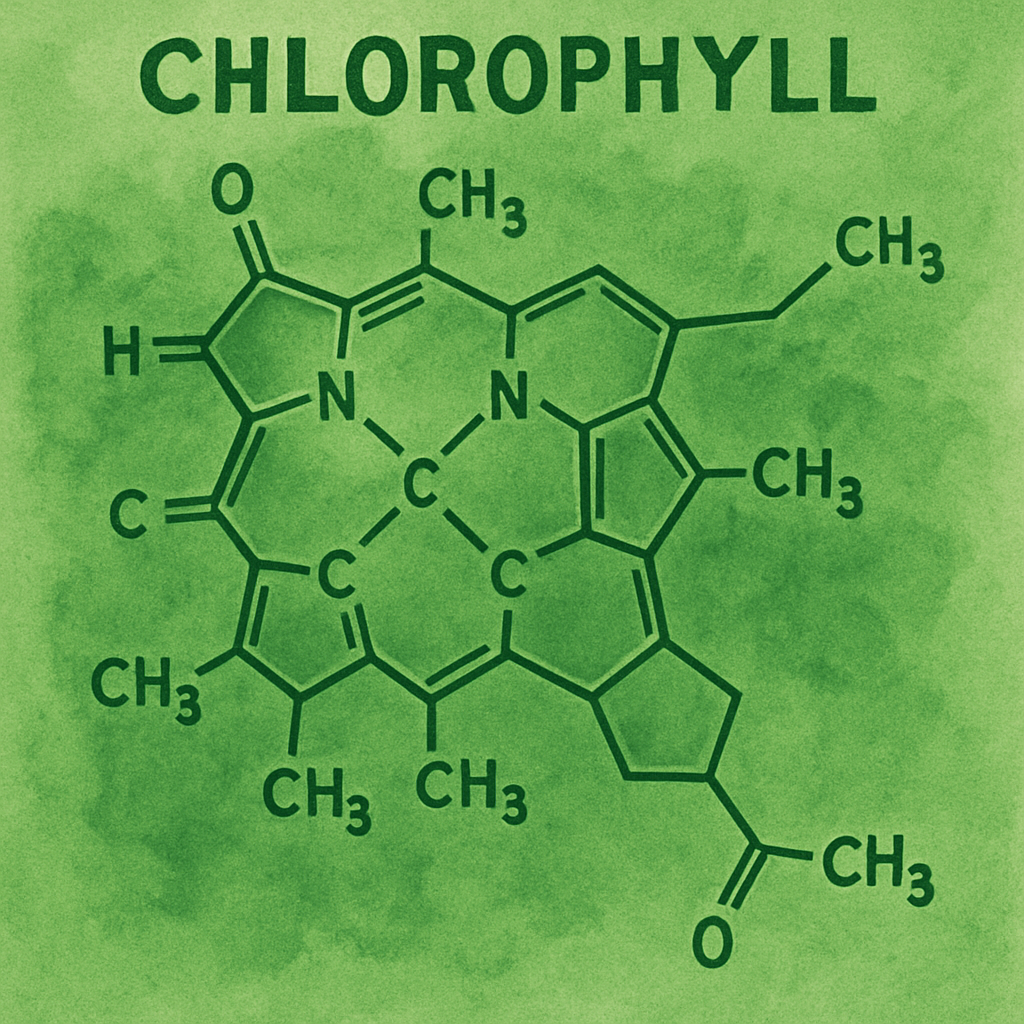
Chlorophyll is the green pigment in plants that captures energy from sunlight for photosynthesis.
Characteristics:
- Gives plants their green color
- Found inside chloroplasts
- Absorbs light energy, especially from the sun
Examples:
- The green color of grass
- The pigment in spinach leaves
Non-examples:
- Hemoglobin in animal blood
- The color white in flower petals
3. Glucose
Definition:
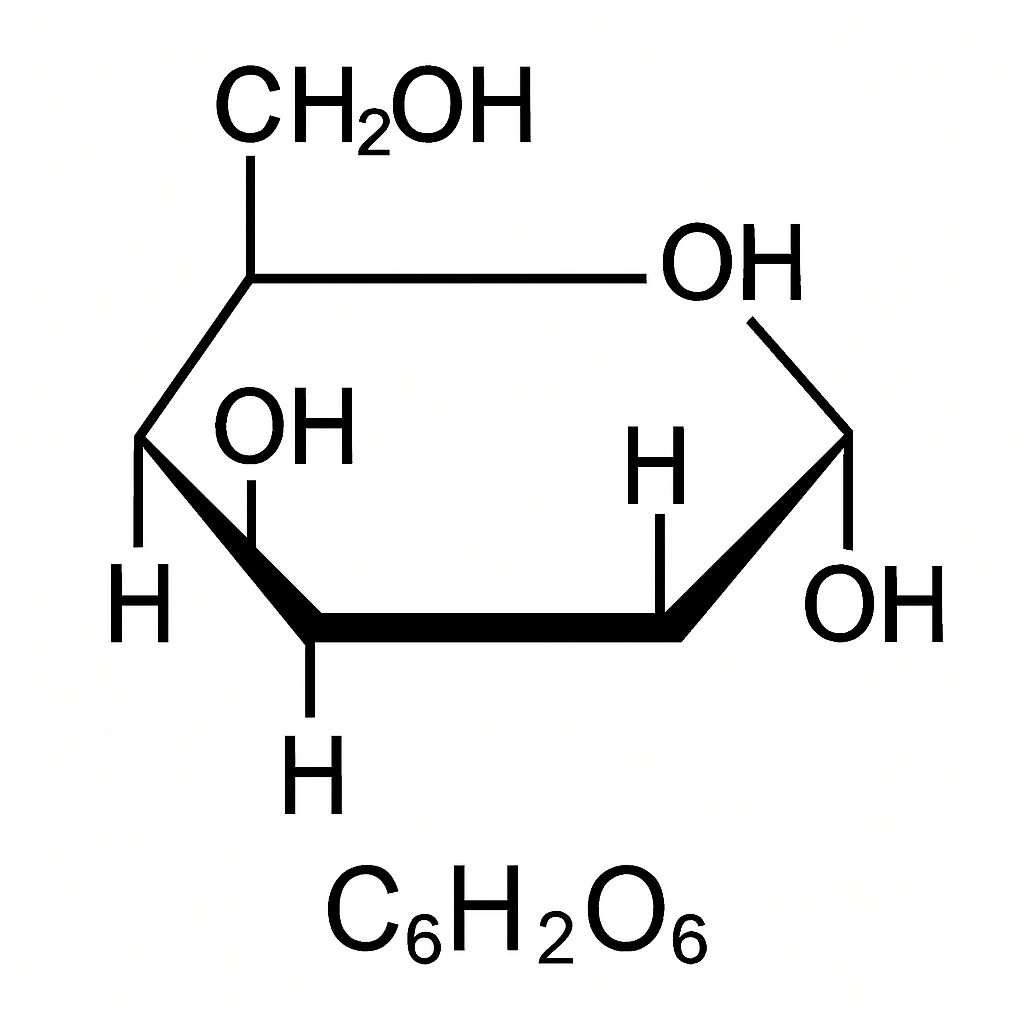
Glucose is a simple sugar made by plants during photosynthesis, used as an energy source.
Characteristics:
- Chemical formula is C6H12O6
- Provides energy for growth and activities
- Stored as starch in plants
Examples:
- Sugar found in fruits
- The energy source for plant cells
Non-examples:
- Proteins in meat
- Fats/oils in seeds
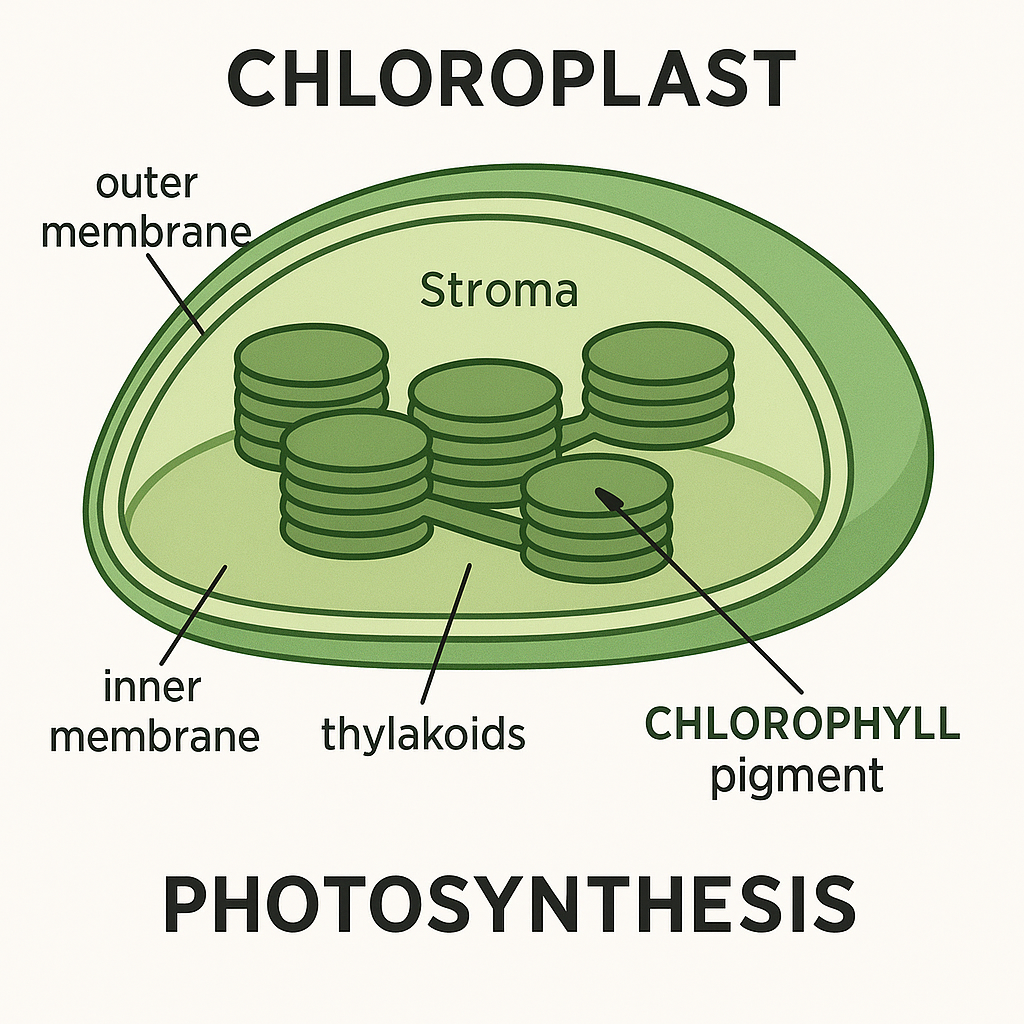
4. Chloroplast
Definition:
A chloroplast is an organelle in plant cells where photosynthesis takes place.
Characteristics:
- Contains chlorophyll
- Found mainly in leaf cells
- Converts sunlight into chemical energy
Examples:
- The small green structures in a plant cell diagram
- Where glucose is made in leaves
Non-examples:
- Mitochondria (another organelle)
- Nucleus of the cell
5. Stomata
Definition:
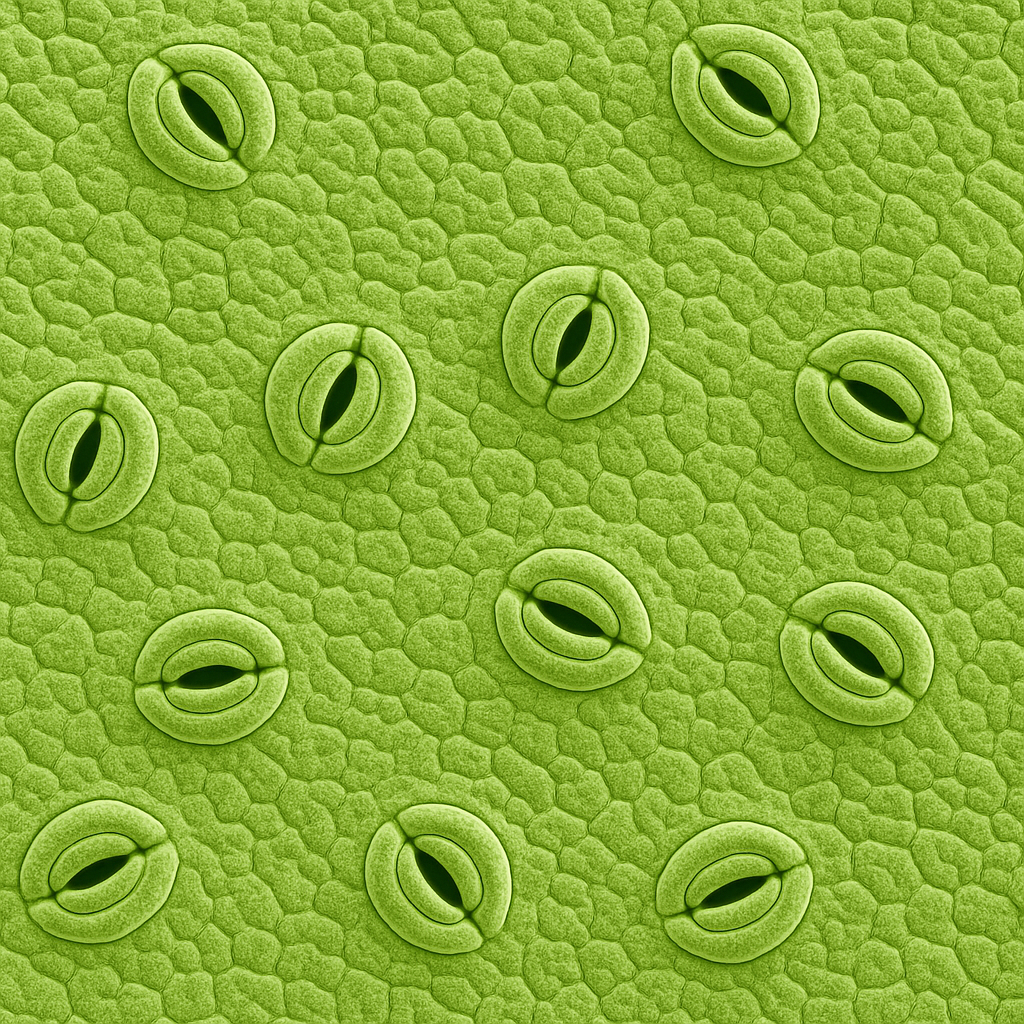
Stomata are tiny openings on the undersides of leaves that let gases like carbon dioxide and oxygen move in and out.
Characteristics:
- Usually found on the lower surface of the leaf
- Open and close to control gas exchange
- Help prevent water loss
Examples:
- Pores visible under a microscope on a leaf
- Pathways for carbon dioxide to enter a plant
Non-examples:
- Plant roots (take in water, not air)
- Veins in leaves (which transport water and nutrients)