Generated with Monsha
Describing Personality: A Guide to Key Adjectives
Anything · Grade 8 · English
Describing Personality: A Guide to Key Adjectives
Introduction
Understanding how to describe people's personalities accurately is a vital skill in English. Whether you are reading a novel, writing a character sketch, or just talking about your friends and family, having a wide range of vocabulary helps you express exactly what you mean. This guide covers 22 essential personality adjectives frequently used to describe people's character traits.
1. Positive Traits
These words describe qualities that are generally seen as strengths or good characteristics in a person.
- Affectionate: Showing feelings of liking or love through touch or words (e.g., "She is very affectionate with her younger siblings.").
- Ambitious: Having a strong desire for success, power, or wealth.
- Charming: Very pleasant or attractive; having a personality that people like.
- Honest: Always telling the truth and never stealing or cheating.
- Imaginative: Having a lot of original and creative ideas.
- Independent: Able to do things and make decisions on your own without needing help from others.
- Mature: Behaving like an adult; showing a sense of responsibility.
- Patient: Able to stay calm and not get angry when something takes a long time or is difficult.
- Reliable: Someone you can trust or depend on to do what they say they will do.
- Self-confident: Feeling sure about your own abilities and qualities.
- Sensible: Having good judgment and being practical (not to be confused with sensitive!).
- Sociable: Enjoying the company of others and being friendly.




2. Negative Traits
These adjectives describe behaviors or attitudes that are often seen as difficult or unkind.
- Bossy: Always telling other people what to do.
- Insecure: Lacking confidence and worrying about what other people think of you.
- Moody: Having moods that change quickly and often (usually becoming unhappy or angry without reason).
- Rebellious: Deliberately disobeying rules or authority figures.
- Selfish: Caring only about yourself and not thinking about others.
- Spoilt: (Usually used for children) Behaving badly because they are given everything they want.
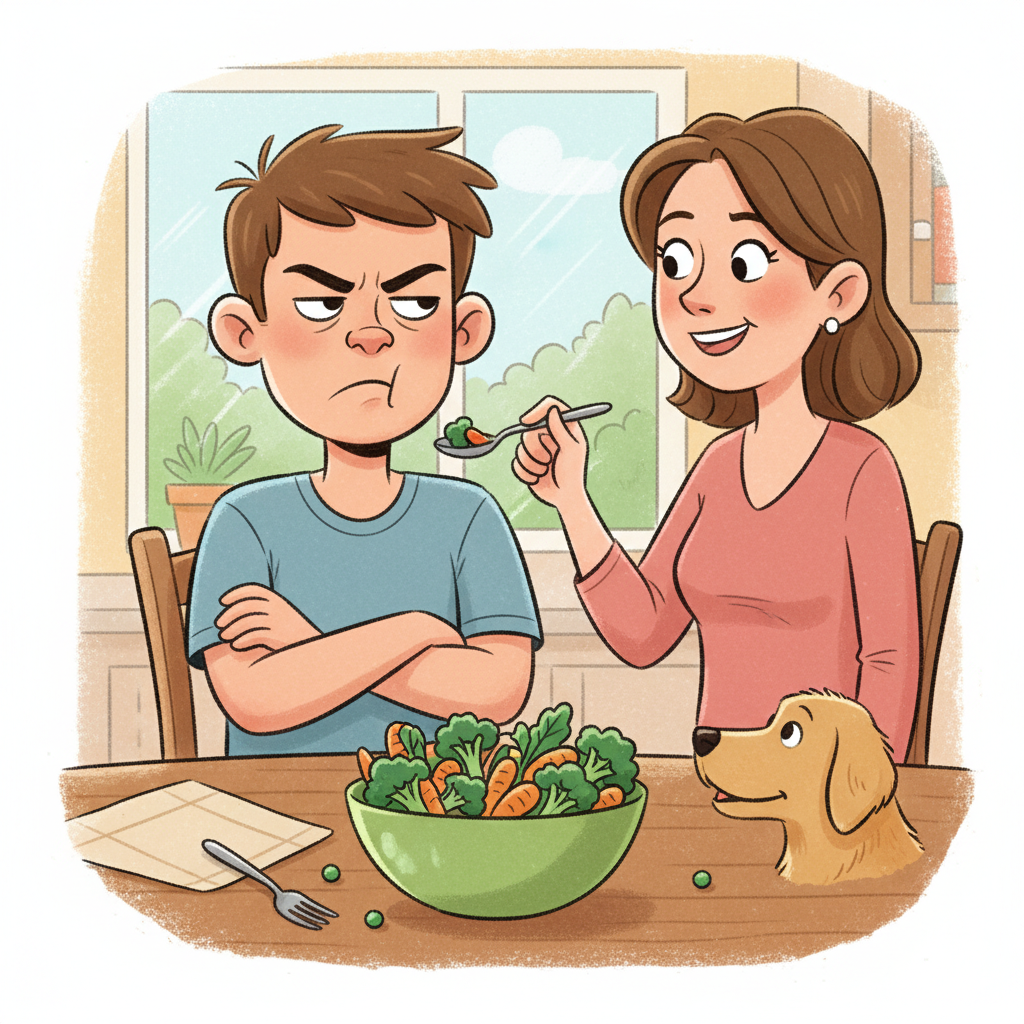
- Stubborn: Refusing to change your mind or do what people want you to do.


3. Complex or Neutral Traits
Some traits are neither purely positive nor negative; they depend on the situation.
- Anxious: Feeling worried, nervous, or uneasy about something with an uncertain outcome.
- Competitive: Wanting to be more successful than others; always trying to win.
- Sensitive: (1) Easily hurt or upset; (2) Able to understand other people's feelings well.
Tip: Sensible vs. Sensitive These two words are often confused!
Video Resources
Watch these videos to hear the adjectives used in context and see more examples of each personality trait:
- English File Intermediate - Personality Vocabulary Bank : A direct guide covering all 22 words in this list.
- 7ESL: Personality Adjectives with Illustrations : Excellent for visual learners who want to see synonyms and antonyms.
- Learn English with TV Series : See characters from movies like Inside Out and Friends demonstrate traits like being anxious, competitive, or charming.
- AMES 824: Intermediate Describing Personality : Focuses on nuances like the difference between sensible and sensitive.
- English with Lucy: 50 Adjectives for Personality : Explains traits like affectionate and rebellious using real-life examples.
Vocabulary Quiz
Test your knowledge with these 10 multiple-choice questions!
1. Sarah has big plans for her future; she wants to be the CEO of a major company one day. Sarah is very...
A. Ambitious
B. Sensitive
C. Patient
D. Spoilt
2. If you tell Mark to meet you at 5:00 PM, he is always there exactly on time. You can count on him because he is...
A. Bossy
B. Reliable
C. Imaginative
D. Anxious
3. Leo often gets his feelings hurt easily and is very good at understanding how his friends feel. Leo is a very ________ person.
A. Independent
B. Self-confident
C. Sensitive
D. Mature
4. Even when his parents explained why he couldn't go to the party, Jake refused to change his mind and kept insisting he should go. He is being very...
A. Honest
B. Charming
C. Affectionate
D. Stubborn
5. Maria loves going to parties, talking to new people, and spending time in large groups. She is very...
A. Sociable
B. Moody
C. Insecure
D. Rebellious
6. Instead of buying expensive shoes she didn't need, Maya decided to save her money for her future education. This shows she is very...
A. Selfish
B. Sensible
C. Competitive
D. Spoilt
7. Kevin often worries that he isn't good enough at sports and constantly seeks approval from his teammates because he lacks confidence. He feels quite...
A. Honest
B. Ambitious
C. Insecure
D. Independent
8. The teacher was not bothered by the loud noise in the hallway and calmly waited for the students to finish their work without getting angry. The teacher was very...
A. Charming
B. Bossy
C. Mature
D. Patient
9. Lily can always think of amazing stories and unique ways to solve problems in her art and writing classes. She is very...
A. Imaginative
B. Reliable
C. Sensible
D. Self-confident
10. Thomas often breaks the school rules and dislikes being told what to do by people in authority. He has a ________ personality.
A. Moody
B. Rebellious
C. Honest
D. Affectionate