Generated with Monsha
Save this resource to edit, expand, or export it, or create more resources for free.
Solar System Science Quiz
Anything
Age 12–13
English
Solar System Science Quiz
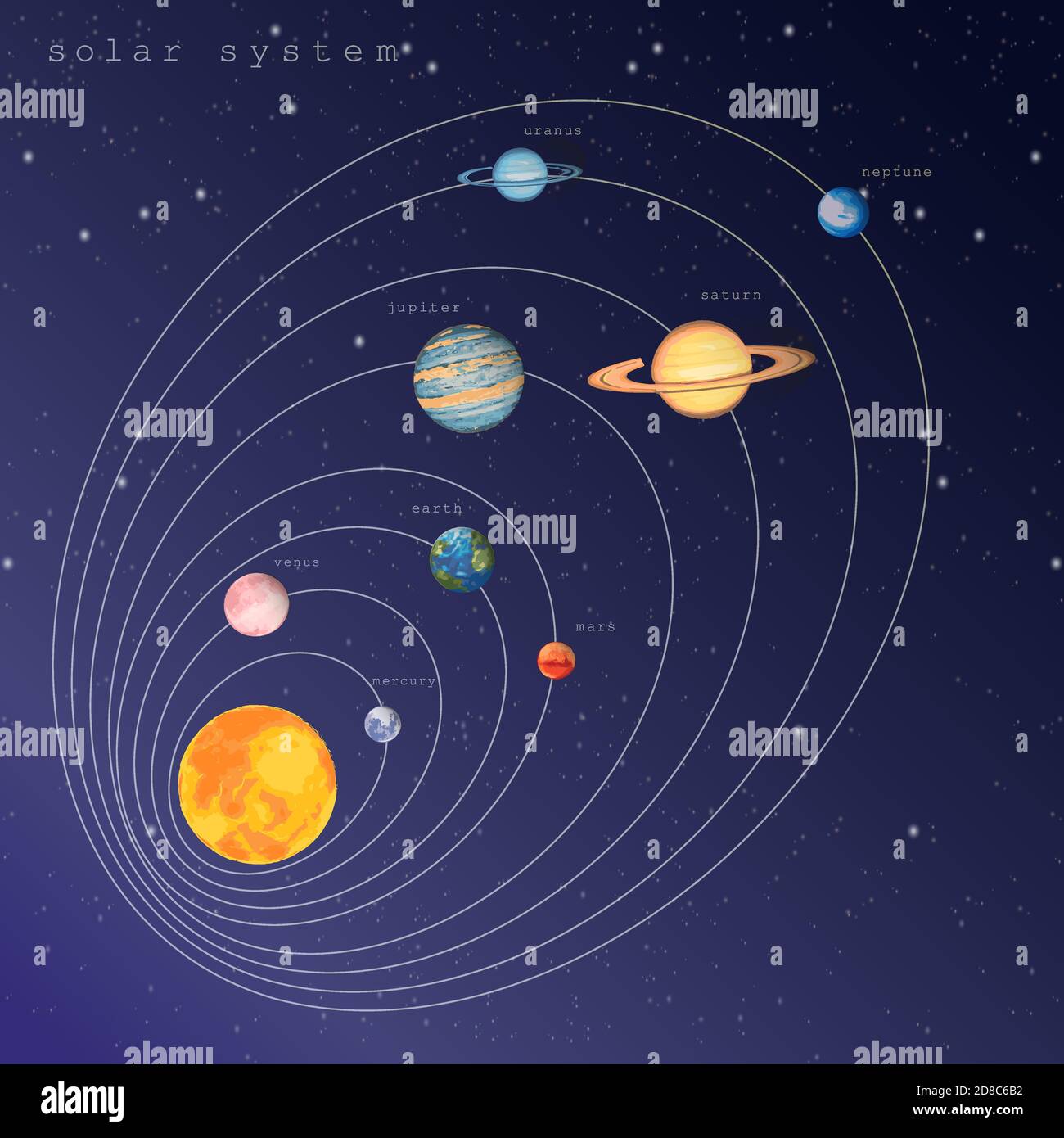
Section 1: Multiple Choice
Choose the best answer for each question.
- Which planet is the hottest in our solar system due to its thick atmosphere? A) Mercury B) Mars C) Venus D) Jupiter
- Which of these is the largest planet in the solar system? A) Earth B) Neptune C) Jupiter D) Saturn
- Which planet is most famous for its large, beautiful rings made of ice and rock? A) Jupiter B) Uranus C) Neptune D) Saturn
- Which planet is known as the "Red Planet" because of iron oxide on its surface? A) Venus B) Mercury C) Jupiter D) Mars
- What is the name of the model that places the Sun at the center of the solar system? A) Geocentric B) Heliocentric C) Galactocentric D) Eccentric
- What is the primary force that keeps the planets in their orbits around the Sun? A) Gravity B) Magnetism C) Friction D) Inertia
- What is the name of the galaxy that contains our solar system? A) Milky Way B) Andromeda C) Sombrero D) Whirlpool
- The Sun is primarily composed of which two gases? A) Nitrogen and Oxygen B) Hydrogen and Helium C) Carbon Dioxide and Methane D) Iron and Nickel
- Which gas giant is known for the "Great Red Spot," a massive storm larger than Earth? A) Mars B) Jupiter C) Saturn D) Neptune
- Which planet is currently considered the furthest planet from the Sun? A) Uranus B) Saturn C) Pluto D) Neptune
Section 2: True or False
Write 'True' if the statement is correct and 'False' if it is incorrect.
- The Moon produces its own light, which is why it shines at night. ________
- Jupiter is classified as a terrestrial planet because it has a solid surface. ________
- Venus rotates in the opposite direction (retrograde) compared to most other planets. ________
- The asteroid belt is located in the region between the orbits of Mars and Jupiter. ________
- A year on Mercury is longer than a year on Earth because it moves slower. ________
Section 3: Fill in the Blanks
Complete each sentence with the correct term.
- The Sun is classified as a medium-sized ________.
- The imaginary line that passes through the center of a planet, around which it rotates, is called its ________.
- ________ is the only planet in our solar system known to support life.
- Small, rocky bodies that orbit the Sun, found mostly between Mars and Jupiter, are called ________.
- A ________ is often described as a "dirty snowball" made of ice, dust, and rock.
- The specific path that a planet follows as it travels around the Sun is called an ________.
- In 2006, ________ was reclassified from a planet to a dwarf planet.
- The planet that is physically closest to the Sun is ________.
- A space rock that survives its passage through the atmosphere and hits the ground is called a ________.
- The spinning of a planet on its internal axis is known as ________.
Section 4: Short Answer Questions
Provide a brief but complete answer for each question.
- Briefly explain the main difference between a terrestrial planet and a gas giant.
- Why does the Moon have many visible craters while Earth has very few?
- Describe the difference between rotation and revolution.
- What is the main cause of the changing seasons on Earth?
- What are Saturn's rings primarily made of?
- What is the Kuiper Belt, and where is it located?
- How does the Sun's mass affect the orbits of the planets?
- Why is Venus hotter than Mercury, even though Mercury is much closer to the Sun?
- What does the term "light-year" measure?
- Identify two characteristics that all four outer planets (gas giants) share.