Generated with Monsha
Save this resource to edit, expand, or export it, or create more resources for free.
Generated with Monsha
Save this resource to edit, expand, or export it, or create more resources for free.
Key Ingredients in Modern Belarusian Dining
Key Vocab Words
Grade 5
English
Key Ingredients in Modern Belarusian Dining
This list explores the essential ingredients that define modern Belarusian cuisine. From traditional staples like potatoes and rye bread to modern additions like matcha and avocado, these components create a unique blend of local heritage and global flavors.
- Potatoes
- Explanation: Potatoes are the most important vegetable in Belarusian cooking and are often called the "second bread." They are the main ingredient in the national dish, draniki, which are crispy, pan-fried potato pancakes.
- Example: The chef used a large bag of local potatoes to make enough draniki for the busy breakfast crowd.
- Context: Potatoes are so foundational to the culture that they appear in both traditional family recipes and high-end restaurant menus.
- Cottage Cheese
- Explanation: This is a soft, white dairy product made from milk curds that has a mild, tangy taste. It is used to make syrniki, which are thick, sweet pancakes that are a favorite breakfast treat in Belarus.
- Example: We mixed the fresh cottage cheese with a little sugar and flour to prepare the pancake batter.
- Context: Using high-quality dairy like cottage cheese is a traditional way to start the day in Eastern Europe.
- Salted Caramel
- Explanation: Salted caramel is a sweet sauce made by melting sugar and adding cream, butter, and a tiny bit of salt. It is used as a modern topping to add a rich, sweet-and-salty flavor to desserts and breakfast dishes.
- Example: The waiter poured a thick ribbon of golden salted caramel over the warm cottage cheese pancakes.
- Context: This ingredient shows how modern Belarusian cafes are adding international flavors to their traditional dishes.
- Matcha
- Explanation: Matcha is a vibrant green powder made from ground green tea leaves. In Minsk cafes, it is used to create colorful creams and sauces that add an earthy flavor to modern desserts.
- Example: The bright green matcha cream made the plate look very artistic and unique.
- Context: The use of matcha reflects the growing "pan-Asian" influence on the modern dining scene in Belarus.
- White Chocolate
- Explanation: This is a sweet confection made from cocoa butter, sugar, and milk. It is often whipped into a light, airy mousse to serve as a fancy topping for pancakes or cakes.
- Example: The white chocolate mousse was so light that it melted the moment it touched the warm syrniki.
- Context: Modern chefs use refined ingredients like white chocolate to make traditional meals feel more sophisticated.
- Passion Fruit
- Explanation: Passion fruit is a tropical fruit with a tough skin and a center filled with tart, juicy seeds. Its strong, fruity taste is used to add a refreshing "zing" to sweet Belarusian breakfasts.
- Example: The chef added fresh passion fruit seeds to the plate to give the dish a bright, tropical flavor.
- Context: Seeing tropical fruits in Belarus is a sign of how global trade has expanded the local palette.
- Smoked Salmon
- Explanation: This is salmon fish that has been cured with salt and then flavored with smoke. It is a popular savory topping for eggs and toast because of its rich, salty taste.
- Example: We enjoyed slices of smoked salmon on our breakfast croissants during our trip to Minsk.
- Context: High-quality fish is a key part of the "New Nordic" cooking style that is currently popular in Belarusian cafes.
- Avocado
- Explanation: An avocado is a green fruit with a large pit and a very creamy texture. It is full of healthy fats and is often served mashed on toasted bread with seeds and greens on top.
- Example: I ordered avocado toast with a poached egg for a healthy and filling breakfast.
- Context: The popularity of avocado reflects the global trend toward healthy eating that has become very common in Belarus.
- Prosciutto
- Explanation: This is a type of Italian ham that is seasoned, salt-cured, and sliced very thin. It adds a delicate, salty flavor to savory dishes like Eggs Benedict.
- Example: A thin slice of salty prosciutto was placed carefully on top of the poached eggs.
- Context: Using European ingredients like prosciutto is part of the "European fusion" trend in modern Belarusian dining.
- Microgreens
- Explanation: Microgreens are very young vegetable plants that are harvested shortly after they sprout. They are used as a garnish to add a fresh crunch and a beautiful look to any dish.
- Example: A small handful of microgreens made the avocado toast look like it came from a professional photo shoot.
- Context: These tiny plants represent the "local and seasonal" focus that modern chefs prioritize.
- Pumpkin Seeds
- Explanation: These are the flat, green seeds found inside pumpkins. They are often toasted to make them crunchy and are used to add texture to soups and salads.
- Example: The crunchy pumpkin seeds were the perfect topping for the smooth and creamy soup.
- Context: Using seeds and nuts for texture is a common practice in both traditional and modern Belarusian cooking.
- Chicken Liver
- Explanation: Chicken liver is a soft meat with a very rich and deep flavor. In modern cafes, it is often cooked with sweet fruits and served in a warm salad.
- Example: The warm salad with chicken liver and pears is one of the most popular starters in Minsk.
- Context: While chicken liver is a traditional ingredient, modern chefs have found new ways to serve it that appeal to younger diners.
- Pears
- Explanation: Pears are sweet, juicy fruits with a slightly grainy texture. In many Belarusian dishes, they are "caramelized" by cooking them with sugar to balance out salty meats.
- Example: The sweet caramelized pears were a delicious contrast to the savory chicken liver in the salad.
- Context: Mixing sweet and savory flavors is a hallmark of modern fusion cooking in Belarus.
- Raspberry
- Explanation: A raspberry is a small, red berry that is both sweet and tart. It is frequently used to make sauces, called "glazes," that add a burst of color and flavor to salads and desserts.
- Example: The red raspberry glaze made a beautiful pattern on the white plate.
- Context: Berries are a natural resource in Belarusian forests and are a major part of the local food identity.
- Balsamic Glaze
- Explanation: This is a thick, dark sauce made from balsamic vinegar that has been boiled down. It has a strong, sweet-and-sour taste that is used to decorate and flavor appetizers.
- Example: The chef drizzled balsamic glaze over the tomatoes and cheese for a tangy finish.
- Context: This Italian-inspired sauce is a favorite for adding a professional touch to simple dishes.
- Beef
- Explanation: Beef is meat from a cow and is a staple in many hearty Belarusian meals. Modern restaurants use high-quality, local beef for gourmet burgers and fresh tartare.
- Example: The gourmet burger was made with a thick, juicy patty of premium Belarusian beef.
- Context: Local agriculture provides chefs with fresh beef, allowing them to create high-quality "farm-to-table" meals.
- Salmon
- Explanation: Salmon is a large, fatty fish known for its pink color. It is used in many modern dishes, from fresh raw tartare to grilled main courses.
- Example: We shared a starter of salmon tartare served with crispy pieces of rye bread.
- Context: Salmon is often used to bring a touch of international luxury to Belarusian menus.
- Rye Bread
- Explanation: This is a dark, dense bread made from rye flour, which gives it a strong and slightly sour taste. "Borodinsky" bread is a famous variety that is often served with fish and appetizers.
- Example: The spicy and sour flavor of the rye bread went perfectly with the fresh salmon.
- Context: Rye bread has been a central part of the Belarusian diet for hundreds of years.
- Gherkins
- Explanation: Gherkins are small, crunchy cucumbers that have been pickled in a mixture of vinegar and spices. They are used to add a salty, sour "pop" to sandwiches and starters.
- Example: I ate a crunchy gherkin along with my roast beef appetizer for extra flavor.
- Context: Pickling vegetables is a traditional Belarusian skill used to preserve food throughout the long winter months.
- Stracciatella
- Explanation: This is a very creamy Italian cheese made from shreds of mozzarella soaked in heavy cream. It is often served on top of toasted bread with fresh vegetables.
- Example: The creamy stracciatella cheese tasted wonderful with the fresh, ripe tomatoes on the toast.
- Context: The availability of specialized cheeses like this highlights the European influence on local dining.
- Tomatoes
- Explanation: Tomatoes are juicy, red fruits often used as vegetables in salads and toppings. They are especially popular when they are fresh and in season during the summer.
- Example: The bright red tomatoes were sliced thin and served with fresh herbs and olive oil.
- Context: Using simple, high-quality vegetables like tomatoes is a key part of the modern focus on fresh ingredients.
- Pumpkin
- Explanation: A pumpkin is a large orange vegetable with a sweet, earthy flesh. In autumn, it is blended into a smooth and creamy soup that is a favorite in many restaurants.
- Example: The warm pumpkin soup was served with a swirl of cream and a sprinkle of seeds.
- Context: Pumpkin is a traditional garden crop that has been elevated into a gourmet dish by modern chefs.
- Goat Cheese
- Explanation: This is a white, creamy cheese made from goat's milk that has a strong, tangy flavor. It is often crumbled over soups or salads to add a sharp and delicious taste.
- Example: The tangy goat cheese melted slightly into the hot pumpkin soup.
- Context: Local farms now produce many types of artisanal cheeses, including fresh goat cheese.
- Porcini Mushrooms
- Explanation: Porcini are highly valued wild mushrooms known for their thick stems and strong, earthy flavor. They are often used to make rich, flavorful cream soups in the fall.
- Example: The mushroom soup had a deep, woody flavor thanks to the fresh porcini mushrooms.
- Context: Foraging for wild mushrooms in the forest is a very popular activity for many families in Belarus.
- Chanterelles
- Explanation: These are bright orange, trumpet-shaped mushrooms that grow in the wild. They are a prized seasonal ingredient used in pasta, pizza, and even desserts during the summer.
- Example: The chef added plenty of orange chanterelles to the creamy pasta dish.
- Context: Chanterelles are a star ingredient during the "Gastrofest" event, where chefs showcase their most creative recipes.
- Cranberry
- Explanation: A cranberry is a small, tart red berry that grows in bogs and forests. It is often made into a sweet and sour jam to be served with savory meats like burgers or duck.
- Example: The tart cranberry jam added a delicious kick to the gourmet beef burger.
- Context: Using wild forest berries adds a uniquely Belarusian touch to international dishes.
- Pasta
- Explanation: Pasta is an Italian food made from flour and water that comes in many shapes. In modern Belarusian dining, it is frequently paired with local ingredients like forest mushrooms.
- Example: I enjoyed a large bowl of pasta tossed with fresh chanterelles and garlic.
- Context: Pasta has become a staple dish in Minsk, often featuring a "local twist" with Belarusian ingredients.
- Duck
- Explanation: Duck is a type of poultry with rich, dark meat. A popular dish is "duck leg confit," where the meat is slow-cooked in its own fat until it is incredibly tender.
- Example: The duck leg was served with a sweet berry sauce that balanced the rich meat perfectly.
- Context: French culinary techniques like "confit" are used by modern chefs to improve traditional ingredients.
- Honey
- Explanation: Honey is a sweet, golden liquid made by bees. It is the most important ingredient in the famous Medovik cake, which is made of many thin, honey-flavored layers.
- Example: The baker used local honey to make the Medovik cake taste sweet and smell like flowers.
- Context: Honey has been a traditional sweetener in Belarus for hundreds of years and remains a beloved ingredient.
- Sea Buckthorn Berries
- Explanation: These are tiny, bright orange berries that are very healthy and have a unique, tart flavor. They are used to make a popular orange tea that is famous for its bright color and health benefits.
- Example: The sea buckthorn tea was served in a glass teapot so we could see its vibrant orange color.
- Context: This "superfood" berry is a trendy choice for people looking for a healthy, non-alcoholic drink in Belarus.
Modern Dining Concepts: Vocabulary for ESL Learners
This list focuses on the concepts, descriptions, and culinary terms used to discuss the modern food scene in Belarus. These words will help you describe restaurants, food trends, and cultural changes.
- Contemporary
- Explanation: This word describes things that are happening right now or belong to the present time. In the food world, it refers to modern styles that are different from old-fashioned ways.
- Example: The city has many contemporary cafes that serve breakfast all day long.
- Context: It is often used as a synonym for "modern" when talking about art, music, or cooking.
- Traditional
- Explanation: This refers to customs, beliefs, or methods that have been passed down through generations for a long time. It describes the "old ways" of doing things that people still value.
- Example: My grandmother still cooks traditional Belarusian potato pancakes every Sunday.
- Context: In dining, traditional food is often the "foundation" that modern chefs build upon.
- Foundational
- Explanation: This describes something that acts as the base or the most important starting point for something else. Without these elements, the whole system or culture would be different.
- Example: Potatoes are a foundational part of Belarusian culture and history.
- Context: Use this word when you want to highlight the most basic and essential parts of a topic.
- Vibrant
- Explanation: When something is vibrant, it is full of energy, life, and excitement. It can also describe colors that are very bright and strong.
- Example: The cafe scene in Minsk is vibrant and full of creative young people.
- Context: This is a great adjective to describe a lively atmosphere or a busy city street.
- Evolution
- Explanation: This is the process of gradual change and development over time. It describes how something simple grows into something more complex or modern.
- Example: The evolution of Belarusian dining shows how local recipes have changed to include global influences.
- Context: In history and science, this word explains how things adapt to survive and improve.
- Sophisticated
- Explanation: This describes something that is complex, elegant, and shows a high level of skill or knowledge. It is the opposite of simple or basic.
- Example: The restaurant offers a sophisticated menu inspired by the New Nordic style of cooking.
- Context: Use this to describe things that feel high-quality, professional, or "fancy."
- Seasonal
- Explanation: This refers to things that happen during or are available only at specific times of the year. For food, it means using ingredients when they are naturally ripe and fresh.
- Example: The chef changes the menu every three months to offer seasonal dishes like pumpkin soup in the autumn.
- Context: Seasonal eating is a popular modern trend because it is better for the environment and tastes fresher.
- Local
- Explanation: This describes things that come from the area nearby rather than from a far-away place. It focuses on supporting the community and reducing travel distance.
- Example: Modern restaurants prefer to buy local vegetables from farmers living near the city.
- Context: "Eating local" is a major part of the sustainable food movement worldwide.
- Culinary
- Explanation: This is a formal adjective that means "related to cooking or the kitchen." It is used to describe the skills and tools used by chefs.
- Example: Students go to school to learn professional culinary techniques and food safety.
- Context: You will often see this in phrases like "culinary arts" or "culinary traditions."
- Technique
- Explanation: A technique is a specific way of doing a task that requires skill. In cooking, it refers to how a chef cuts, heats, or prepares food.
- Example: The chef used a French technique to make the mushroom soup very smooth and creamy.
- Context: Improving your technique is the best way to become a better cook or artist.
- Creative
- Explanation: This describes a person or a place that uses original ideas to make something new. It involves thinking "outside the box" to solve problems or create art.
- Example: Oktyabrskaya Street is known as a creative district because of its art galleries and unique cafes.
- Context: Creative thinking is highly valued in modern industries like technology and gastronomy.
- District
- Explanation: A district is a specific area of a city or a country that has a particular character or purpose. For example, a city might have a "business district" or a "historic district."
- Example: We spent the afternoon exploring the shopping district in the center of Minsk.
- Context: Districts help organize large cities into smaller, manageable neighborhoods.
- Reimagined
- Explanation: When something is reimagined, it is thought about or created in a completely new and different way. It takes an old idea and gives it a modern twist.
- Example: The traditional syrniki were reimagined with salted caramel and matcha cream.
- Context: This word is very popular in the arts, movies, and food to describe "remakes."
- Artisanal
- Explanation: This describes food or products that are made in small batches by hand using traditional methods. It implies high quality and a personal touch.
- Example: The eggs were served on artisanal brioche bread that was baked fresh that morning.
- Context: Artisanal products are often more expensive because they take more time and care to make.
-
- Ubiquitous
- Explanation: If something is ubiquitous, it seems to be everywhere at the same time. It describes something that is very common and easy to find.
- Example: Avocado toast has become ubiquitous in modern cafes all over the world.
- Context: This is a more formal and academic way to say "very common" or "popular."
- Contrast
- Explanation: A contrast is a clear difference between two things when they are compared. In food, it often refers to different textures (crunchy vs. soft) or flavors (sweet vs. salty).
- Example: The crispy rye bread provided a nice contrast to the soft salmon tartare.
- Context: Using contrast is a key secret for chefs to make their dishes more interesting to eat.
- Specialized
- Explanation: This describes a person, business, or tool that focuses on one specific area or skill. They become experts in that one thing rather than doing everything.
- Example: We visited a specialized Asian restaurant that only serves spicy soups.
- Context: Specialization allows people and businesses to offer higher quality in their specific field.
- Refined
- Explanation: Something that is refined has been improved to be more elegant, pure, or sophisticated. It often means removing the parts that are not needed to make it perfect.
- Example: The chef created a refined version of the honey cake that was light and airy.
- Context: In cooking, this word can describe both a person's taste and the way a dish is presented.
- Thrive
- Explanation: To thrive means to grow, develop, and be very successful. It is a stronger word than just "living" or "surviving."
- Example: The burger scene in Belarus is thriving, with new restaurants opening every month.
- Context: You can use this to describe plants in a garden, children in a school, or businesses in a city.
- Innovative
- Explanation: This describes an idea or a product that is new, original, and advanced. It involves using new methods to improve the way things are done.
- Example: The restaurant used innovative technology to keep their ingredients fresh for a longer time.
- Context: Innovation is the key to progress in science, business, and even cooking.
- Foraging
- Explanation: Foraging is the act of searching for and gathering wild food, such as mushrooms, berries, or herbs, from nature. It is a very old way of finding food.
- Example: Many Belarusians enjoy foraging for chanterelles in the forest during the summer.
- Context: Modern "foraged" food is very popular in expensive restaurants because it connects people to nature.
- Gastronomy
- Explanation: This is the study of the relationship between food and culture. It also refers to the art of choosing, cooking, and eating good food.
- Example: The city's modern gastronomy blends traditional recipes with international influences.
- Context: A "gourmet" person is someone who is very interested in the details of gastronomy.
- Phenomenon
- Explanation: A phenomenon is a fact or event that is interesting, unusual, or very popular. It is often something that people talk about a lot because it is impressive.
- Example: The Gastrofest event has become a local phenomenon that attracts thousands of hungry visitors.
- Context: This word can describe natural events (like a solar eclipse) or social trends.
- Identity
- Explanation: Identity is what makes a person, a group, or a place different from others. For a country, it includes their language, history, and food.
- Example: Adding local mushrooms to Italian pasta helps give the dish a Belarusian identity.
- Context: Food is one of the most important ways that people express their cultural identity.
- Authentic
- Explanation: This describes something that is real, true, and not a copy. In food, it means the dish is made exactly as it would be in its original home or culture.
- Example: If you want to taste authentic Belarusian food, you must try the traditional potato pancakes.
- Context: Travelers often look for "authentic" experiences to learn the real truth about a new place.
- Atmosphere
- Explanation: In a restaurant, atmosphere refers to the feeling or mood of the place. It is created by the lighting, music, decorations, and the people who are there.
- Example: The cafe had a very cozy and welcoming atmosphere with soft music and warm lights.
- Context: Atmosphere is often just as important as the food when choosing where to eat.
- Appetizer
- Explanation: An appetizer (also called a "starter") is a small dish of food served before the main part of the meal. Its purpose is to make you feel hungry for the next courses.
- Example: We shared a few appetizers, including bruschettas and a warm salad, before our main course arrived.
- Context: Appetizers are usually light so that you still have room for your "entrée" or main meal.
- Main Course
- Explanation: This is the largest and most important part of a meal. It usually follows the appetizers and is often the heaviest dish, containing meat, fish, or a large vegetarian portion.
- Example: For my main course, I ordered the grilled duck leg with pureed root vegetables.
- Context: In the United States, this part of the meal is sometimes called the "entrée."
- Affordable
- Explanation: If something is affordable, it has a price that is not too expensive for most people to pay. It means it fits within a reasonable budget.
- Example: Gastrofest is popular because it offers high-quality meals at an affordable, fixed price.
- Context: Making good food affordable is a great way for restaurants to attract more customers.
- Fusion
- Explanation: Fusion is the act of joining two or more things together to form a single entity. In cooking, it means mixing ingredients or styles from different cultures into one dish.
- Example: The restaurant serves European fusion, mixing French cooking methods with local Belarusian ingredients.
- Context: Fusion cooking became very popular in the 1990s and continues to influence modern chefs today.
Essential Ingredients in Modern Belarusian Cuisine: B1 Vocabulary
This vocabulary list is designed for B1 level English students to learn the common food ingredients mentioned in the text about modern dining in Belarus. These words are essential for describing recipes and ordering food in a restaurant.
- Potato
- Explanation: A potato is a round, hard vegetable that grows under the ground. It is the most important ingredient in Belarus and is used to make crispy pancakes called draniki.
- Example: My favorite breakfast in Minsk is fried potatoes with a side of sour cream.
- Context: In Belarusian culture, potatoes are a staple food and appear in almost every traditional meal.
- Cottage cheese
- Explanation: This is a soft, white cheese made from the solid parts of milk. It has a mild taste and is the main ingredient in sweet pancakes called syrniki.
- Example: You should mix the cottage cheese with a little sugar before you fry the pancakes.
- Context: Local dairy products like cottage cheese are very fresh and popular for healthy breakfasts.
- Salmon
- Explanation: Salmon is a large fish with pink meat that lives in the sea and rivers. In modern cafes, it is often served raw in a dish called tartare or smoked on top of bread.
- Example: I ordered a slice of toasted bread with fresh salmon and cream cheese.
- Context: Using high-quality fish is part of the modern "New Nordic" dining trend in Belarusian cities.
- Beef
- Explanation: Beef is the meat that comes from a cow. It is used in Belarus to make high-quality gourmet burgers and traditional meat stews.
- Example: The restaurant serves a burger made with 100% local beef and a special sauce.
- Context: Modern restaurants prioritize using premium beef from local farms to ensure the best flavor.
- Avocado
- Explanation: An avocado is a green, pear-shaped fruit with a very creamy inside and a large seed. It is very popular in modern breakfast dishes because it is healthy and tastes good with eggs.
- Example: I love to spread mashed avocado on my toast in the morning.
- Context: Avocado is a global ingredient that has become a "must-have" item on cafe menus in Minsk.
- Egg
- Explanation: An egg is produced by a bird, usually a chicken, and is used in many different ways in cooking. You can boil it, fry it, or poach it for dishes like Eggs Benedict.
- Example: The chef placed a perfectly poached egg on top of my avocado toast.
- Context: Eggs are the foundation of the "all-day breakfast" culture that is currently very trendy.
- Mushroom
- Explanation: A mushroom is a type of fungus that grows in the wild or on farms. Belarusians love to pick wild mushrooms like chanterelles and use them in soups and pasta.
- Example: We found many orange mushrooms in the forest and used them to make a creamy sauce.
- Context: Foraging for wild mushrooms is a deep-rooted tradition that modern chefs still celebrate today.
- Honey
- Explanation: Honey is a sweet, sticky liquid made by bees from the nectar of flowers. It is the star ingredient in the famous multi-layered Medovik cake.
- Example: The baker uses fresh honey to make the cake layers sweet and soft.
- Context: Honey is a traditional natural sweetener that has been used in Eastern Europe for centuries.
- Berry
- Explanation: A berry is a small, juicy fruit that usually grows on a bush, such as a raspberry or blueberry. They are used as colorful toppings for desserts and pancakes.
- Example: The dessert was decorated with fresh red berries and a dusting of white sugar.
- Context: Wild berries from the forest are a common and delicious part of the Belarusian landscape.
- Pumpkin
- Explanation: A pumpkin is a large, round, orange vegetable with a thick skin. It is often used in the autumn to make warm, creamy soups.
- Example: In October, many restaurants serve a thick soup made from roasted pumpkin.
- Context: Using seasonal vegetables like pumpkin is a key part of the modern focus on fresh ingredients.
- Liver
- Explanation: Liver is an organ from an animal that is eaten as meat. Chicken liver is very common in Minsk cafes and is often served warm in salads.
- Example: The warm salad with chicken liver and sweet pears is very tasty.
- Context: While it is an old-fashioned ingredient, modern chefs have made it popular again by pairing it with fruit.
- Pear
- Explanation: A pear is a sweet, juicy fruit that is narrow at the top and wider at the bottom. It can be eaten fresh or cooked with sugar to make it even sweeter.
- Example: The chef added caramelized pears to the salad to give it a sweet flavor.
- Context: Pears are often used in Belarusian cooking to provide a contrast to salty or savory meats.
- Tomato
- Explanation: A tomato is a soft, red, juicy fruit that is used as a vegetable in salads and sauces. It is a very common ingredient in appetizers like bruschetta.
- Example: These red tomatoes are very sweet because they were grown in the sun.
- Context: Simple, high-quality vegetables like tomatoes are essential for modern, ingredient-focused dishes.
- Gherkin
- Explanation: A gherkin is a small cucumber that has been preserved in vinegar or salt water. They are crunchy and have a very strong, sour taste.
- Example: I like to eat a crunchy gherkin with my roast beef sandwich.
- Context: Pickled vegetables are a traditional way of preserving food in Belarus during the winter.
- Duck
- Explanation: A duck is a water bird that is used for its rich, dark meat. In fine dining restaurants, duck leg is often cooked slowly until it is very tender.
- Example: For our main course, we had roasted duck with a sweet berry sauce.
- Context: Duck is considered a more sophisticated meat than chicken and is often served on special occasions.
- Root vegetables
- Explanation: These are vegetables that grow under the ground, such as carrots, beets, and potatoes. They are often pureed or roasted to serve with meat.
- Example: The duck was served with a smooth puree made from several different root vegetables.
- Context: Root vegetables are very hardy and are a traditional part of the diet in Northern and Eastern Europe.
- Goat cheese
- Explanation: This is a type of cheese made from the milk of goats. It has a very white color and a sharp, tangy flavor that goes well with pumpkin.
- Example: The pumpkin soup was topped with small pieces of creamy goat cheese.
- Context: Artisanal cheeses from local farms are becoming more common in modern Belarusian cooking.
- Seeds
- Explanation: Seeds are the small parts of a plant from which a new plant can grow. Pumpkin seeds and sunflower seeds are often toasted and used as a crunchy topping.
- Example: Sprinkle some toasted seeds over your salad to add some extra crunch.
- Context: Adding seeds is a simple way to make a dish look more professional and healthy.
- Brioche
- Explanation: Brioche is a type of French bread that is very soft and light because it contains a lot of butter and eggs. It is often used for fancy breakfast sandwiches.
- Example: The eggs were served on a toasted piece of brioche bread.
- Context: The use of international bread styles like brioche shows the European influence on local cafes.
- Cream
- Explanation: Cream is the thick, fatty part of milk that rises to the top. It is used to make soups smooth or whipped to put on top of cakes.
- Example: I added a spoonful of fresh cream to my mushroom soup.
- Context: Rich dairy products like cream and butter are very important in traditional Slavic recipes.
- Vinegar
- Explanation: Vinegar is a sour liquid used to flavor food or preserve vegetables. Balsamic vinegar is a dark, sweet type of vinegar from Italy often used in glazes.
- Example: The salad was dressed with a mixture of oil and balsamic vinegar.
- Context: Modern chefs use different types of vinegar to add "acidity" and balance the flavors of a dish.
- Cranberry
- Explanation: A cranberry is a small, sour, red berry that grows in wet areas. In Belarus, it is often made into a jam to be served with meat or burgers.
- Example: The tart flavor of the cranberry jam was perfect with the salty beef burger.
- Context: Cranberries are one of the most famous wild fruits found in the Belarusian forests.
- Sea buckthorn
- Explanation: This is a small orange berry that grows on a thorny bush. It is very healthy and is used to make a bright orange tea that is very popular in winter.
- Example: We drank sea buckthorn tea to stay healthy during the cold weather.
- Context: This berry is known as a "superfood" because it has a lot of vitamins.
- Herbs
- Explanation: Herbs are plants with soft stems that are used in small amounts to add flavor or smell to food, such as parsley or dill. Fresh herbs make a dish look and taste better.
- Example: The chef added some fresh herbs to the top of the salad.
- Context: Using fresh herbs instead of dried ones is a sign of a high-quality modern restaurant.
- Matcha
- Explanation: Matcha is a bright green powder made from ground green tea leaves. It is a modern ingredient used to give a unique color and flavor to desserts.
- Example: The syrniki were served with a beautiful green matcha cream.
- Context: The popularity of matcha reflects the influence of Asian food trends in modern Belarus.
- Lavender
- Explanation: Lavender is a plant with small purple flowers that has a very strong and pleasant smell. In modern cooking, it is sometimes used to add a floral flavor to honey cake.
- Example: The honey mousse had a very light and delicate smell of lavender.
- Context: Using flowers in cooking is a creative way to make traditional desserts feel new.
- Passion fruit
- Explanation: This is a tropical fruit with a hard skin and many small, sour seeds inside. It is used in modern cafes to add a bright, exotic flavor to sweet dishes.
- Example: The pancakes were topped with fresh passion fruit for a tropical twist.
- Context: Seeing tropical fruits on a menu shows how connected Belarus is to global food markets.
- Rye
- Explanation: Rye is a type of grain used to make a dark, strong-tasting bread. In Belarus, rye bread is very traditional and is often served with appetizers.
- Example: We ate our salmon tartare with small, crispy pieces of rye bread.
- Context: Dark rye bread is a symbol of Belarusian hospitality and history.
- Toffee
- Explanation: Toffee is a hard, sweet candy made by boiling sugar and butter together. Small pieces of toffee are sometimes used to decorate modern cakes.
- Example: The honey cake was topped with crunchy bits of honeycomb toffee.
- Context: Adding different textures like crunchy toffee makes a soft cake more interesting to eat.
- Prosciutto
- Explanation: This is a type of Italian ham that is cured with salt and sliced very thin. It is used as a salty topping for breakfast dishes like Eggs Benedict.
- Example: A thin slice of prosciutto was placed on top of my breakfast croissant.
- Context: The inclusion of premium European meats like prosciutto is a hallmark of the international fusion style in Minsk.
Intermediate Culinary Vocabulary: Modern Belarusian Ingredients
This vocabulary list is tailored for B1 level ESL students. It focuses on specific culinary terms, specialized ingredients, and modern food preparations found in the contemporary Belarusian dining scene.
- Chanterelles
- Explanation: These are wild, trumpet-shaped mushrooms known for their vibrant orange color and peppery taste. They are highly prized by chefs and are typically harvested from forests during the summer and autumn.
- Example: The chef prepared a creamy pasta dish featuring fresh chanterelles and garlic.
- Context: Foraging for these mushrooms is a traditional Belarusian activity that bridges the gap between old customs and modern gastronomy.
- Porcini
- Explanation: Also known as king boletes, these are high-quality wild mushrooms with a thick stem and a rich, earthy flavor. They are often used in fine dining to create sophisticated soups and sauces.
- Example: We enjoyed a bowl of mushroom soup made with local porcini and refined French techniques.
- Context: Using wild-harvested porcini is a hallmark of the "New Nordic" style, which emphasizes seasonal and local ingredients.
- Sea Buckthorn
- Explanation: These are small, bright orange berries that grow on thorny shrubs and are famous for their high vitamin content and tart flavor. In Belarus, they are most commonly used to make a vibrant, healthy tea.
- Example: After a long walk in the cold, a glass of hot sea buckthorn tea was very refreshing.
- Context: This ingredient is often referred to as a "superfood" in modern Belarusian health and wellness circles.
- Cowberry
- Explanation: A cowberry is a small, red, wild fruit similar to a cranberry but with a slightly more bitter and acidic taste. It is frequently processed into sauces or reductions to accompany meat dishes.
- Example: The duck was served with a sweet and tart cowberry reduction that balanced the rich meat.
- Context: These berries are a staple of Northern European and Slavic forests, often used to preserve food for the winter.
- Cranberry Jam
- Explanation: This is a thick, sweet, and tart spread made by boiling cranberries with sugar. It is used in modern Belarusian cuisine as a condiment for savory items like gourmet burgers.
- Example: I was surprised by how well the cranberry jam complemented the salty beef patty.
- Context: Combining fruit jams with savory meats is a popular fusion technique in contemporary cafes.
- Borodinsky Rye
- Explanation: This is a specific variety of dark, dense bread flavored with molasses and coriander seeds. It has a very distinct spicy and sweet aroma that is characteristic of traditional Belarusian baking.
- Example: The salmon tartare was served with thin, crispy slices of toasted Borodinsky rye.
- Context: This bread is a cultural icon in Eastern Europe and provides a deep flavor profile to modern appetizers.
- Artisanal Brioche
- Explanation: Brioche is a rich, buttery bread of French origin that has a soft and airy texture. "Artisanal" means it is handmade by skilled bakers using high-quality ingredients rather than being mass-produced.
- Example: My Eggs Benedict was served on a thick slice of toasted artisanal brioche.
- Context: The presence of brioche on Minsk menus highlights the strong influence of European fusion in the city.
- Prosciutto
- Explanation: This is an Italian dry-cured ham that is usually thinly sliced and served raw. It has a delicate, salty flavor that pairs perfectly with eggs and artisanal breads.
- Example: The waiter brought a plate of Eggs Royal topped with a delicate ribbon of prosciutto.
- Context: Using premium imported meats like prosciutto allows Belarusian chefs to create international-style brunch menus.
- Smoked Salmon
- Explanation: This is salmon that has been cured and then flavored with smoke, resulting in a smooth texture and a rich, salty taste. It is a staple ingredient for sophisticated breakfast dishes.
- Example: I chose the bagel with smoked salmon, cream cheese, and fresh dill.
- Context: High-quality fish is essential for the "New Nordic" dining trend, which focuses on clean and natural flavors.
- Beef Tartare
- Explanation: Tartare is a dish made from finely chopped raw meat mixed with seasonings like onions, capers, and herbs. It is a popular contemporary starter that showcases the quality of the beef.
- Example: The beef tartare was seasoned perfectly and served with local rye bread crisps.
- Context: Serving raw meat requires the highest standards of food safety and ingredient freshness.
- Stracciatella
- Explanation: This is a soft, creamy Italian cheese made from shreds of mozzarella mixed with heavy cream. It is often served as a topping for bruschettas or in light, ingredient-focused salads.
- Example: The bruschetta featured fresh tomatoes and a dollop of creamy stracciatella cheese.
- Context: This cheese is a favorite in modern cafes for its luxurious texture and mild, milky flavor.
- Goat Cheese
- Explanation: A tangy, creamy cheese made from goat's milk that can range from soft and spreadable to hard and aged. It is often used to add a sharp flavor contrast to sweet vegetables like pumpkin or beets.
- Example: The autumn salad was topped with crumbled goat cheese and toasted walnuts.
- Context: The rise of local goat farms has made this artisanal cheese a common sight on modern menus.
- Gherkins
- Explanation: These are small, crunchy cucumbers that have been pickled in vinegar and spices. They are used to add a sharp, acidic "pop" to sandwiches and appetizers.
- Example: The roast beef starter was served with a side of sliced gherkins and mustard.
- Context: Pickling is a foundational part of Belarusian food culture, traditionally used to preserve the summer harvest.
- Microgreens
- Explanation: These are the very first leaves of vegetable plants, harvested when they are only an inch or two tall. They are used both for their intense nutrition and as a delicate decorative garnish.
- Example: The avocado toast was beautifully decorated with a handful of fresh microgreens.
- Context: Microgreens reflect the modern "farm-to-table" movement, where chefs prioritize fresh, living ingredients.
- Pumpkin Seeds
- Explanation: These are flat, green seeds that come from pumpkins and are usually roasted to enhance their nutty flavor. They add a pleasant crunch to creamy soups and healthy breakfast bowls.
- Example: I sprinkled some toasted pumpkin seeds over my cream soup for extra texture.
- Context: Using seeds and nuts is a popular way to add healthy fats and interesting textures to vegetarian dishes.
- Caramelized Pears
- Explanation: These are pears that have been cooked slowly with sugar until they become soft, brown, and sweet. They are frequently used in salads to provide a sweet contrast to savory meats like chicken liver.
- Example: The warm salad featured a delicious combination of savory liver and caramelized pears.
- Context: Caramelization is a culinary technique used to intensify the natural sugars in fruits and vegetables.
- Mixed Greens
- Explanation: This refers to a combination of different types of young salad leaves, such as arugula, spinach, and lettuce. They are used as a fresh base for modern, ingredient-focused salads.
- Example: The waiter served a large bowl of mixed greens with a light balsamic dressing.
- Context: Moving away from heavy mayonnaise-based salads toward fresh mixed greens is a major trend in Minsk.
- Raspberry Balsamic Glaze
- Explanation: This is a thick, syrupy sauce made by reducing balsamic vinegar with raspberries. It has a complex sweet-and-sour flavor that is used to decorate and season contemporary starters.
- Example: A drizzle of raspberry balsamic glaze added a touch of elegance to the chicken liver salad.
- Context: Glazes are used by chefs to add concentrated flavor and visual appeal to a plate.
- Berry Reduction
- Explanation: A reduction is a liquid that has been boiled until it thickens and the flavor becomes concentrated. A berry reduction is often made from cherries or cowberries to accompany poultry or desserts.
- Example: The duck confit was served with a rich, dark cherry reduction.
- Context: This French technique is used to create intense sauces that highlight local fruit varieties.
- Pureed Root Vegetables
- Explanation: This refers to vegetables like carrots, parsnips, or potatoes that have been cooked and blended into a completely smooth, creamy texture. It is often served as a base for main meat courses.
- Example: The roasted meat sat on a bed of silky pureed root vegetables.
- Context: Root vegetables are hardy local staples that are reimagined with sophisticated textures in modern cooking.
- Duck Leg Confit
- Explanation: Confit is a French cooking method where meat is slow-cooked in its own fat at a low temperature. This results in meat that is incredibly tender and full of flavor.
- Example: For the main course, I ordered the duck leg confit with a side of root vegetables.
- Context: Many Belarusian chefs use French techniques to elevate traditional local ingredients like duck and goose.
- Matcha Cream
- Explanation: This is a sweet cream or sauce flavored with matcha, a finely ground powder made from specially grown and processed green tea leaves. It has a unique, slightly bitter flavor and a vibrant green color.
- Example: The syrniki were beautifully presented with a swirl of bright green matcha cream.
- Context: Matcha is a key ingredient in the "pan-Asian" fusion trend that is popular in modern city cafes.
- White Chocolate Mousse
- Explanation: A mousse is a light, airy dessert or topping made by folding whipped cream or egg whites into a flavored base. White chocolate mousse adds a delicate sweetness to modern breakfast dishes.
- Example: The cottage cheese pancakes were topped with a cloud of white chocolate mousse.
- Context: Texture is very important in modern dining, and a mousse provides a light contrast to heavier items.
- Salted Caramel
- Explanation: This is a sweet caramel sauce that has a small amount of sea salt added to it. The salt enhances the sweetness and creates a more complex and addictive flavor.
- Example: I love the way the salted caramel flows over the warm breakfast pancakes.
- Context: Salted caramel has become a ubiquitous international flavor found in everything from coffee to high-end desserts.
- Honeycomb Toffee
- Explanation: This is a crunchy, porous toffee made by boiling sugar and adding baking soda to create bubbles. It is used as a textural topping for cakes and mousses.
- Example: The modern medovik was decorated with small pieces of golden honeycomb toffee.
- Context: This ingredient adds a playful and modern element to traditional honey-based desserts.
- Lavender
- Explanation: Lavender is a floral plant often used in small amounts to add a delicate, herbal fragrance to food. In modern desserts, it is often infused into honey or cream.
- Example: The honey cake had a subtle aroma of lavender that made it feel very sophisticated.
- Context: Using edible flowers and herbs in desserts is a trend that emphasizes nature and elegance.
- Passion Fruit
- Explanation: A tropical fruit with a tough outer shell and a center filled with juicy, tart seeds. It is used in Belarus to add a bright, exotic acidity to sweet breakfast plates.
- Example: The tartness of the passion fruit was the perfect balance for the sweet white chocolate.
- Context: The availability of exotic fruits like passion fruit shows the international nature of the modern Belarusian cafe scene.
- Poached Egg
- Explanation: An egg that has been cooked outside the shell in simmering water. When prepared correctly, the white is firm but the yolk remains liquid and creamy.
- Example: When I cut into the poached egg, the golden yolk ran over the avocado toast.
- Context: The poached egg is the center-piece of the "all-day breakfast" trend worldwide.
- Croissant
- Explanation: A flaky, crescent-shaped pastry made from many layers of buttered dough. In modern cafes, they are often used as a base for savory sandwiches with salmon or prosciutto.
- Example: I ordered a savory croissant filled with smoked salmon and cream cheese.
- Context: The croissant is a symbol of the European cafe culture that has been adopted and adapted in Minsk.
- Cottage Cheese
- Explanation: Also known as tvorog, this is a fresh dairy product made from milk curds. It has a mild, slightly tangy taste and is the essential foundation for traditional Belarusian syrniki.
- Example: You must use very fresh cottage cheese if you want your pancakes to be soft and fluffy.
- Context: While humble, high-quality cottage cheese is a foundational ingredient that modern chefs treat with great respect.
Exploring Belarusian Cuisine with Kids
This list explores some fun and tasty foods that people in Belarus like to eat. Let's learn about these foods and see how they can be both traditional and modern!
- Potatoes
- Explanation: Potatoes are super important in Belarusian cooking. People love to make potato pancakes called draniki, which are crispy and yummy.
- Example: Imagine using a big bag of potatoes to make pancakes for breakfast!
- Context: Potatoes are so loved in Belarus that you can find them in many family meals.
- Cottage Cheese
- Explanation: Cottage cheese is a soft, white cheese that is used to make syrniki, sweet pancakes that are fun to eat for breakfast.
- Example: Mixing cottage cheese with a little sugar makes delicious pancake batter!
- Context: Starting the day with cottage cheese is a yummy tradition in Eastern Europe.
- Salted Caramel
- Explanation: Salted caramel is a sweet sauce that makes desserts taste even better. It's like adding a sweet hug to your food.
- Example: Imagine pouring caramel over pancakes to make them extra tasty!
- Context: Belarusian cafes use caramel to make their dishes feel special.
- Matcha
- Explanation: Matcha is a green tea powder that makes desserts look colorful and taste interesting.
- Example: A bright green cream on your dessert can make it look like art!
- Context: Using matcha shows how Belarus is trying new flavors from other countries.
- White Chocolate
- Explanation: White chocolate is a sweet treat that can be whipped to make fluffy mousse.
- Example: The mousse is so light; it melts on warm pancakes!
- Context: Chefs use white chocolate to make meals feel fancy.
- Passion Fruit
- Explanation: Passion fruit is a tropical fruit with a yummy, tangy taste.
- Example: Adding passion fruit seeds gives a dish a fun, fruity flavor!
- Context: Seeing tropical fruits in Belarus is exciting because they come from far away.
- Smoked Salmon
- Explanation: Smoked salmon is fish that has a rich, smoky flavor and tastes great with eggs and toast.
- Example: Imagine eating salmon slices on a breakfast croissant!
- Context: Fish like salmon are part of a popular style of cooking in Belarus.
- Avocado
- Explanation: Avocado is a creamy fruit that's healthy and tastes great on toast.
- Example: Avocado toast with an egg is a healthy breakfast!
- Context: Avocados are popular because they are part of a healthy diet trend.
- Prosciutto
- Explanation: Prosciutto is a thinly sliced ham from Italy that adds a nice salty taste.
- Example: A slice of prosciutto on eggs is fancy!
- Context: Using ingredients like prosciutto shows how Belarus combines flavors from Europe.
- Microgreens
- Explanation: Microgreens are tiny plants that make food look pretty and add a little crunch.
- Example: A sprinkle of microgreens makes toast look really cool.
- Context: These little plants show that chefs like to use fresh, local foods.
- Pumpkin Seeds
- Explanation: Pumpkin seeds are crunchy and are used to add texture to food.
- Example: Toasted pumpkin seeds are yummy on soup!
- Context: Using seeds for crunch is common in Belarusian cooking.
- Chicken Liver
- Explanation: Chicken liver has a deep flavor and is often served with fruits in salads.
- Example: A salad with chicken liver and pears is popular in Minsk.
- Context: Chefs in Belarus find new ways to make traditional chicken liver appealing.
- Pears
- Explanation: Pears are sweet fruits that are sometimes cooked with sugar to make them even sweeter.
- Example: Caramelized pears taste amazing with chicken liver.
- Context: Mixing sweet and savory flavors is popular in Belarus.
- Raspberry
- Explanation: Raspberries are small, sweet berries used to make colorful sauces.
- Example: Raspberry glaze makes a dish look and taste great!
- Context: Berries are part of Belarus's natural food heritage.
- Balsamic Glaze
- Explanation: Balsamic glaze is a sweet-and-sour sauce that decorates food nicely.
- Example: Drizzling glaze over tomatoes and cheese is delicious!
- Context: Balsamic glaze adds a fancy touch to simple dishes.
- Beef
- Explanation: Beef is meat used in many hearty meals, like burgers.
- Example: A juicy burger with local beef is tasty!
- Context: Belarusian chefs use local beef to make delicious meals.
- Salmon
- Explanation: Salmon is a pink fish used in many dishes.
- Example: Salmon tartare with rye bread is a tasty starter.
- Context: Salmon brings a touch of luxury to menus.
- Rye Bread
- Explanation: Rye bread is dark and has a strong taste. It's often served with fish.
- Example: Rye bread tastes great with salmon.
- Context: Rye bread is a traditional Belarusian food.
- Gherkins
- Explanation: Gherkins are small pickles that add a crunchy, sour taste.
- Example: Eating gherkins with beef is extra flavorful.
- Context: Pickling is a traditional way to preserve food in Belarus.
- Stracciatella
- Explanation: Stracciatella is a creamy cheese from Italy, served on bread.
- Example: Stracciatella cheese with tomatoes is yummy!
- Context: Using cheeses like this shows European influence.
- Tomatoes
- Explanation: Tomatoes are juicy fruits used in salads and toppings.
- Example: Fresh tomatoes with herbs are delicious.
- Context: Using fresh vegetables is key in modern cooking.
- Pumpkin
- Explanation: Pumpkin is a sweet vegetable used in creamy soups.
- Example: Pumpkin soup with cream is a fall favorite.
- Context: Pumpkin is a traditional garden vegetable in Belarus.
- Goat Cheese
- Explanation: Goat cheese is creamy and tangy, great on soups and salads.
- Example: Goat cheese melts into hot soup deliciously.
- Context: Local farms make many types of cheese, including goat cheese.
- Porcini Mushrooms
- Explanation: Porcini mushrooms are wild and have an earthy flavor, perfect for soups.
- Example: Porcini mushrooms make soup taste deep and woody.
- Context: Finding wild mushrooms is a popular activity in Belarus.
- Chanterelles
- Explanation: Chanterelles are orange mushrooms used in many dishes.
- Example: Chanterelles make pasta dishes extra special.
- Context: Chanterelles are a highlight during food festivals in Belarus.
- Cranberry
- Explanation: Cranberries are tart berries used to make jams for meats.
- Example: Cranberry jam adds a tasty kick to beef burgers.
- Context: Using wild berries adds a Belarusian touch to dishes.
- Pasta
- Explanation: Pasta is food made from flour, often paired with mushrooms.
- Example: Pasta with chanterelles and garlic is delicious.
- Context: Pasta is a popular food with a Belarusian twist.
- Duck
- Explanation: Duck is a bird with tasty, dark meat often cooked slowly.
- Example: Duck with berry sauce is a perfect match.
- Context: Cooking duck slowly is a French technique popular in Belarus.
- Honey
- Explanation: Honey is a sweet syrup made by bees, used in cakes.
- Example: Honey makes cake taste sweet and floral.
- Context: Honey has been used in Belarus for a long time.
- Sea Buckthorn Berries
- Explanation: Sea buckthorn berries are bright and healthy, used in tea.
- Example: Sea buckthorn tea is bright orange and healthy.
- Context: This berry is a trendy choice for healthy drinks in Belarus.
Visual Guide to Modern Belarusian Ingredients: Intermediate ESL
This illustrated vocabulary list is designed for B1 level ESL students to explore the diverse and sophisticated ingredients found in modern Belarusian cuisine. Each entry includes a clear definition, practical usage, and an image to help you visualize these culinary items.
1. Chanterelles
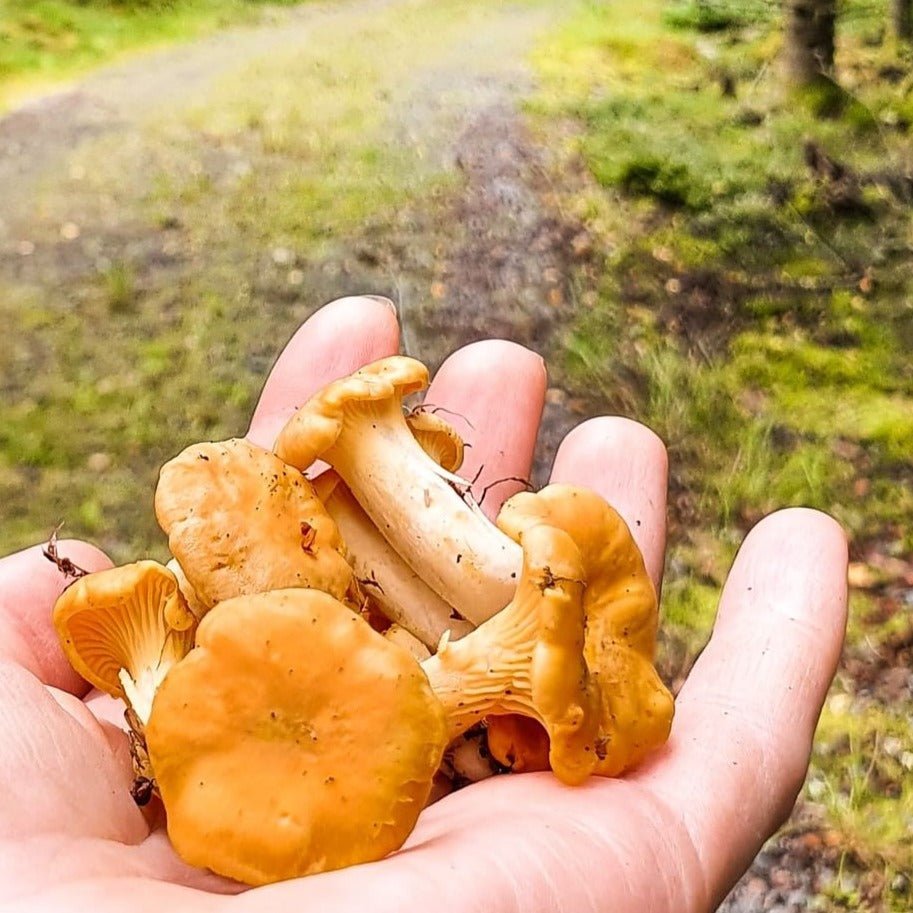
- Explanation: These are wild, trumpet-shaped mushrooms known for their vibrant orange color and peppery taste. They are highly prized by chefs and are typically harvested from forests during the summer and autumn.
- Example: The chef prepared a creamy pasta dish featuring fresh chanterelles and garlic.
- Context: Foraging for these mushrooms is a traditional Belarusian activity that bridges the gap between old customs and modern gastronomy.
2. Porcini
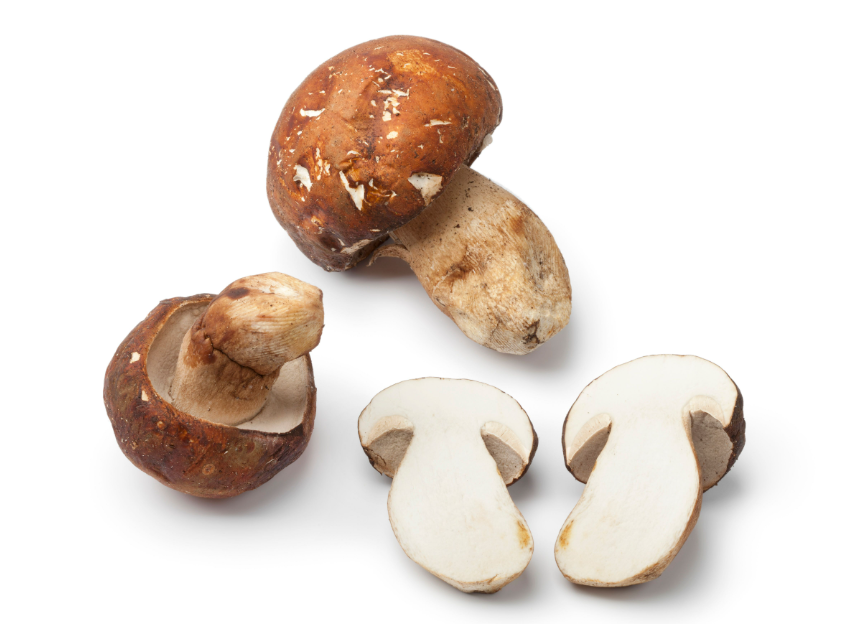
- Explanation: Also known as king boletes, these are high-quality wild mushrooms with a thick stem and a rich, earthy flavor. They are often used in fine dining to create sophisticated soups and sauces.
- Example: We enjoyed a bowl of mushroom soup made with local porcini and refined French techniques.
- Context: Using wild-harvested porcini is a hallmark of the "New Nordic" style, which emphasizes seasonal and local ingredients.
3. Sea Buckthorn
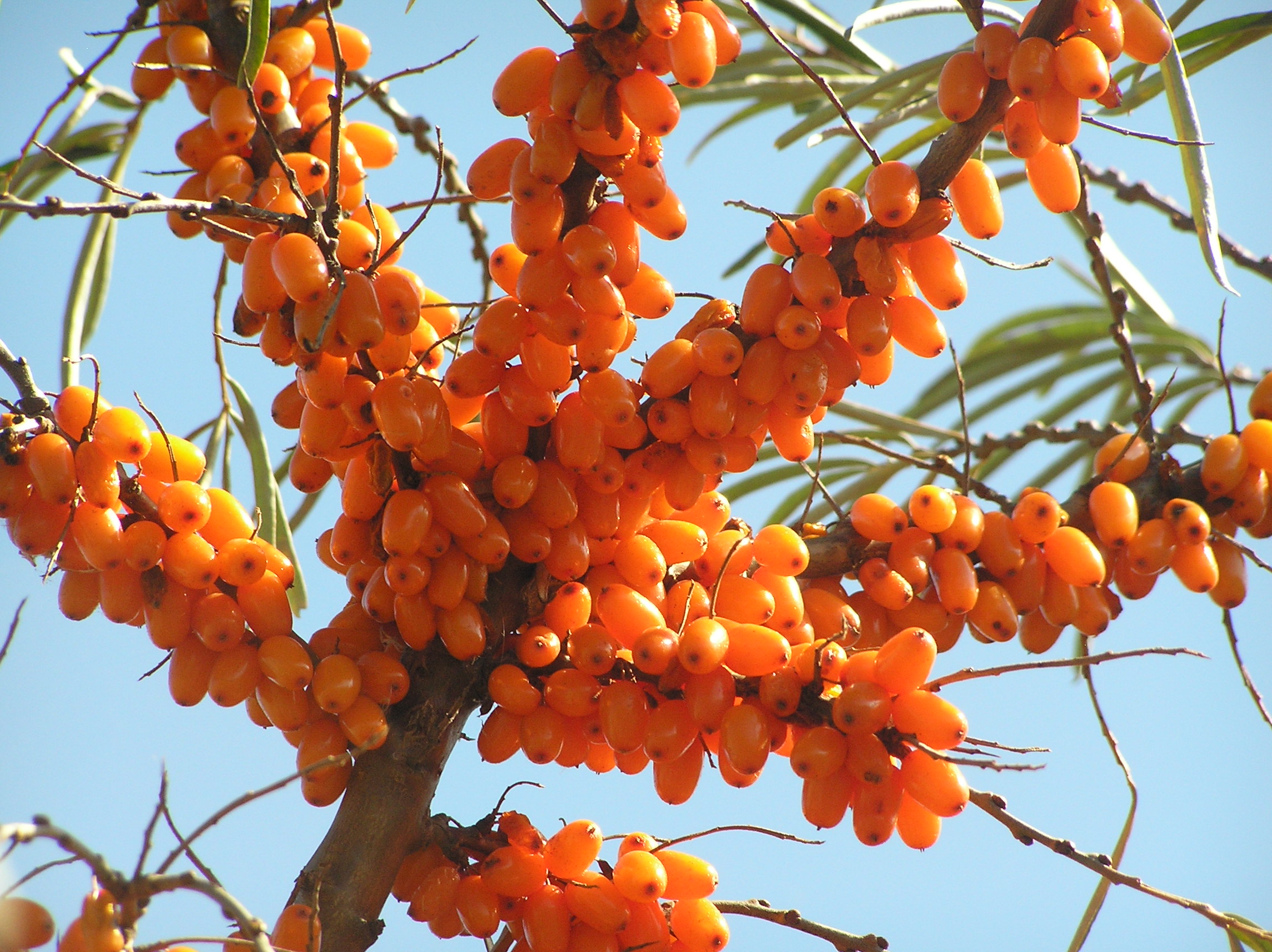
- Explanation: These are small, bright orange berries that grow on thorny shrubs and are famous for their high vitamin content and tart flavor. In Belarus, they are most commonly used to make a vibrant, healthy tea.
- Example: After a long walk in the cold, a glass of hot sea buckthorn tea was very refreshing.
- Context: This ingredient is often referred to as a "superfood" in modern Belarusian health and wellness circles.
4. Cowberry
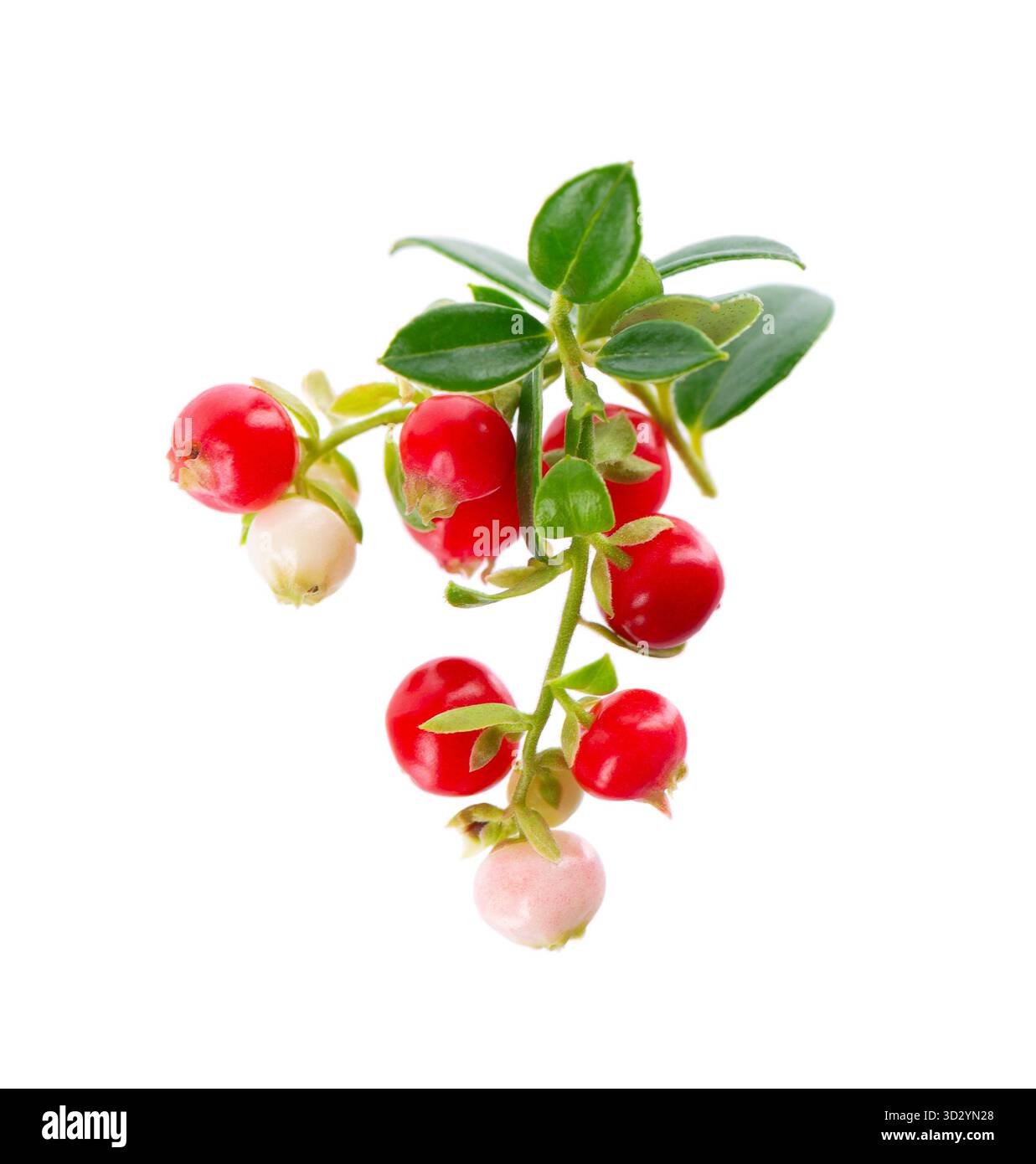
- Explanation: A cowberry is a small, red, wild fruit similar to a cranberry but with a slightly more bitter and acidic taste. It is frequently processed into sauces or reductions to accompany meat dishes.
- Example: The duck was served with a sweet and tart cowberry reduction that balanced the rich meat.
- Context: These berries are a staple of Northern European and Slavic forests, often used to preserve food for the winter.
5. Cranberry Jam
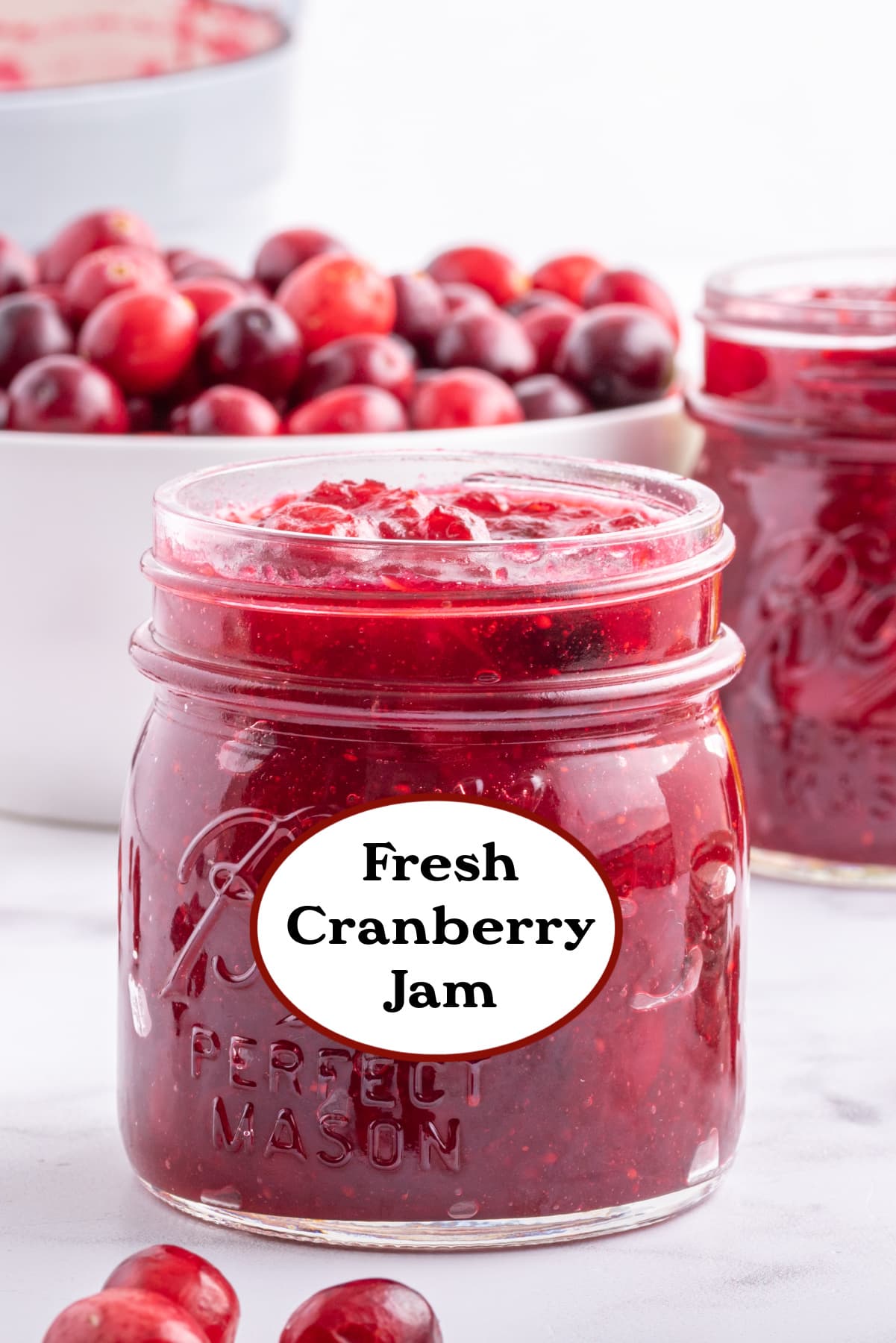
- Explanation: This is a thick, sweet, and tart spread made by boiling cranberries with sugar. It is used in modern Belarusian cuisine as a condiment for savory items like gourmet burgers.
- Example: I was surprised by how well the cranberry jam complemented the salty beef patty.
- Context: Combining fruit jams with savory meats is a popular fusion technique in contemporary cafes.
6. Borodinsky Rye
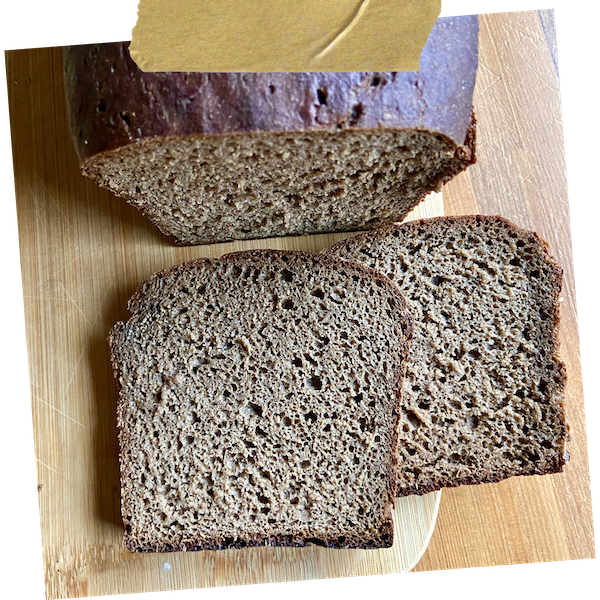
- Explanation: This is a specific variety of dark, dense bread flavored with molasses and coriander seeds. It has a very distinct spicy and sweet aroma that is characteristic of traditional Belarusian baking.
- Example: The salmon tartare was served with thin, crispy slices of toasted Borodinsky rye.
- Context: This bread is a cultural icon in Eastern Europe and provides a deep flavor profile to modern appetizers.
7. Artisanal Brioche
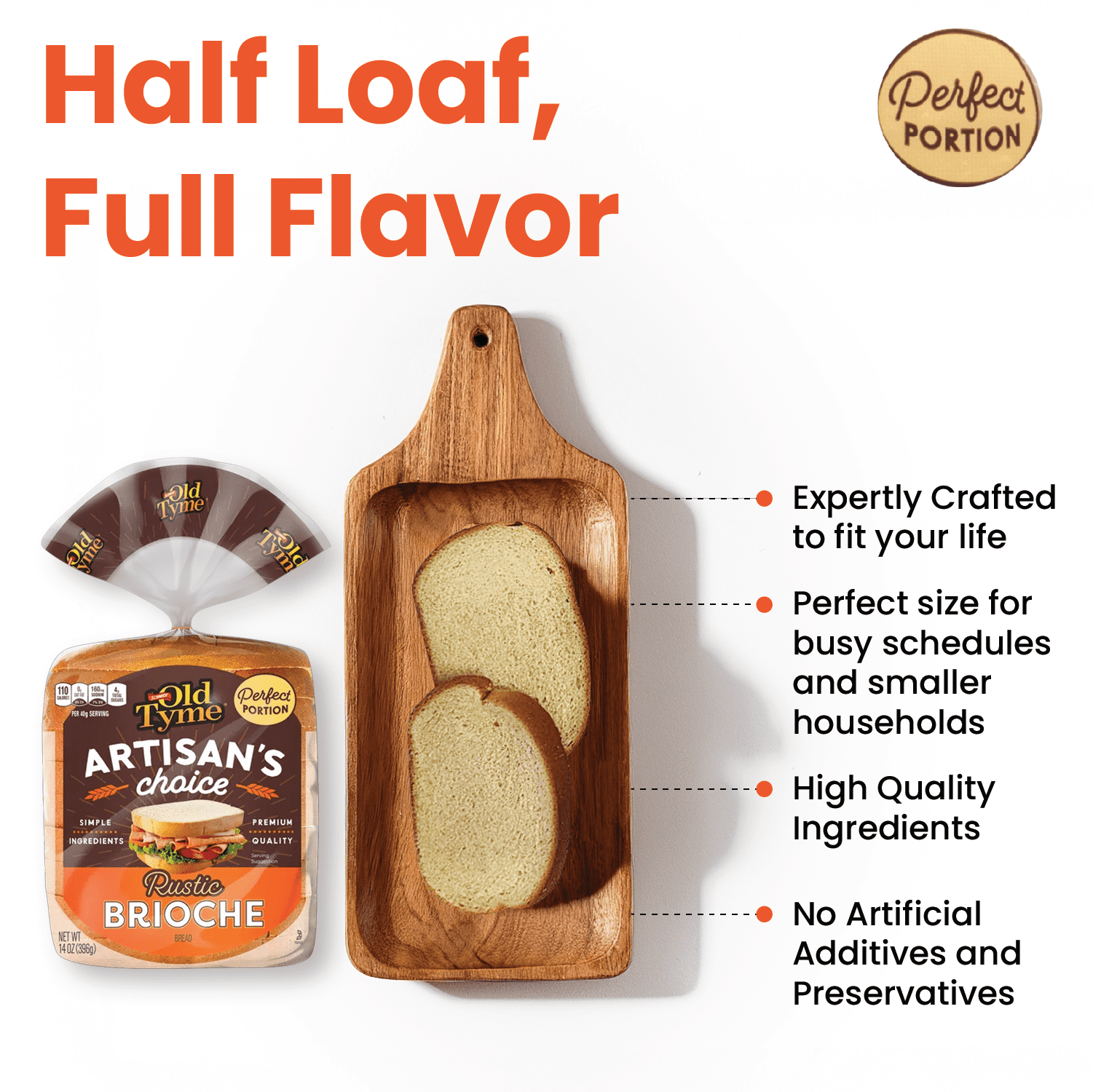
- Explanation: Brioche is a rich, buttery bread of French origin that has a soft and airy texture. "Artisanal" means it is handmade by skilled bakers using high-quality ingredients.
- Example: My Eggs Benedict was served on a thick slice of toasted artisanal brioche.
- Context: The presence of brioche on Minsk menus highlights the strong influence of European fusion in the city.
8. Prosciutto
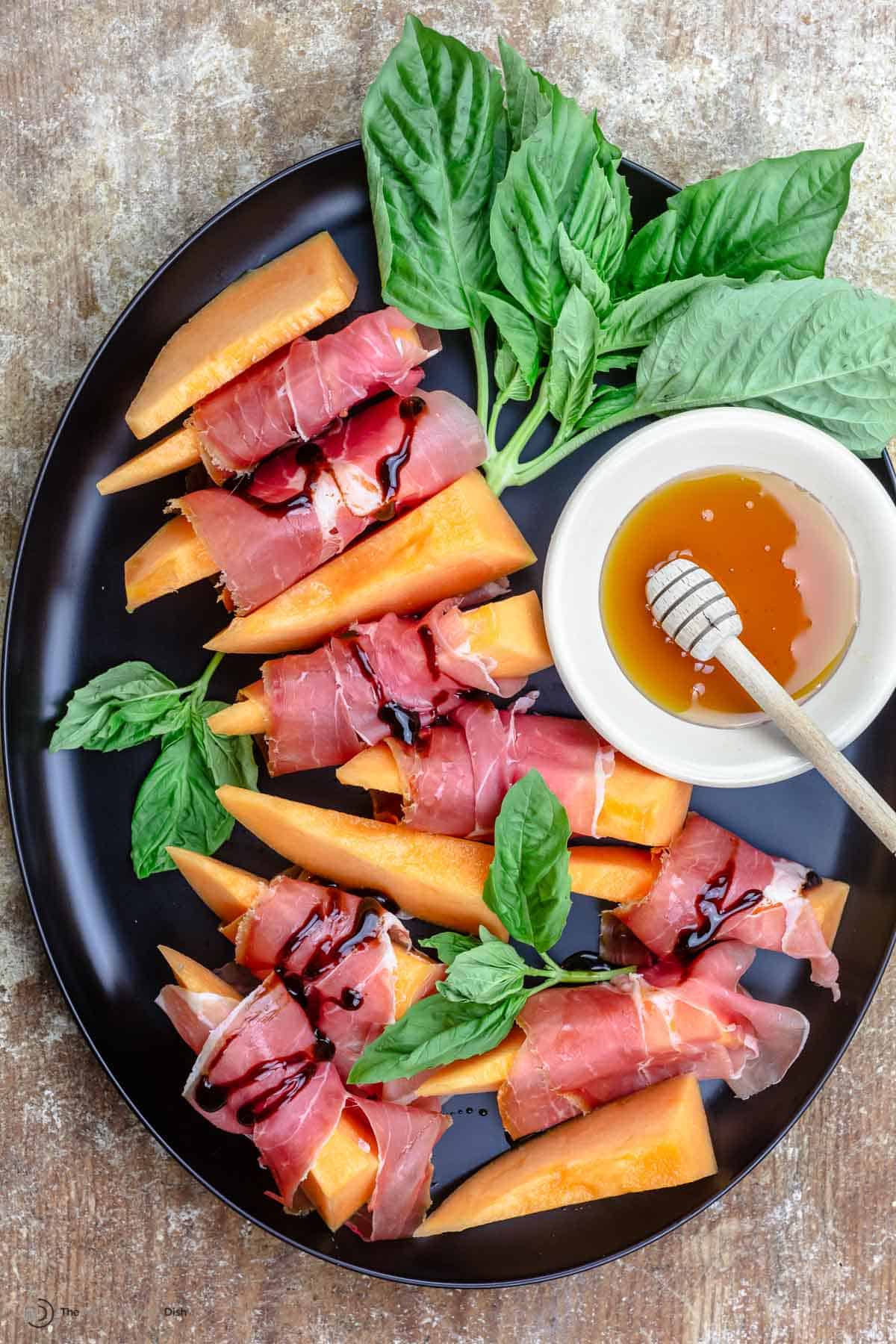
- Explanation: This is an Italian dry-cured ham that is usually thinly sliced and served raw. It has a delicate, salty flavor that pairs perfectly with eggs and artisanal breads.
- Example: The waiter brought a plate of Eggs Royal topped with a delicate ribbon of prosciutto.
- Context: Using premium imported meats like prosciutto allows Belarusian chefs to create international-style brunch menus.
9. Smoked Salmon

- Explanation: This is salmon that has been cured and then flavored with smoke, resulting in a smooth texture and a rich, salty taste. It is a staple ingredient for sophisticated breakfast dishes.
- Example: I chose the bagel with smoked salmon, cream cheese, and fresh dill.
- Context: High-quality fish is essential for the "New Nordic" dining trend, which focuses on clean and natural flavors.
10. Beef Tartare
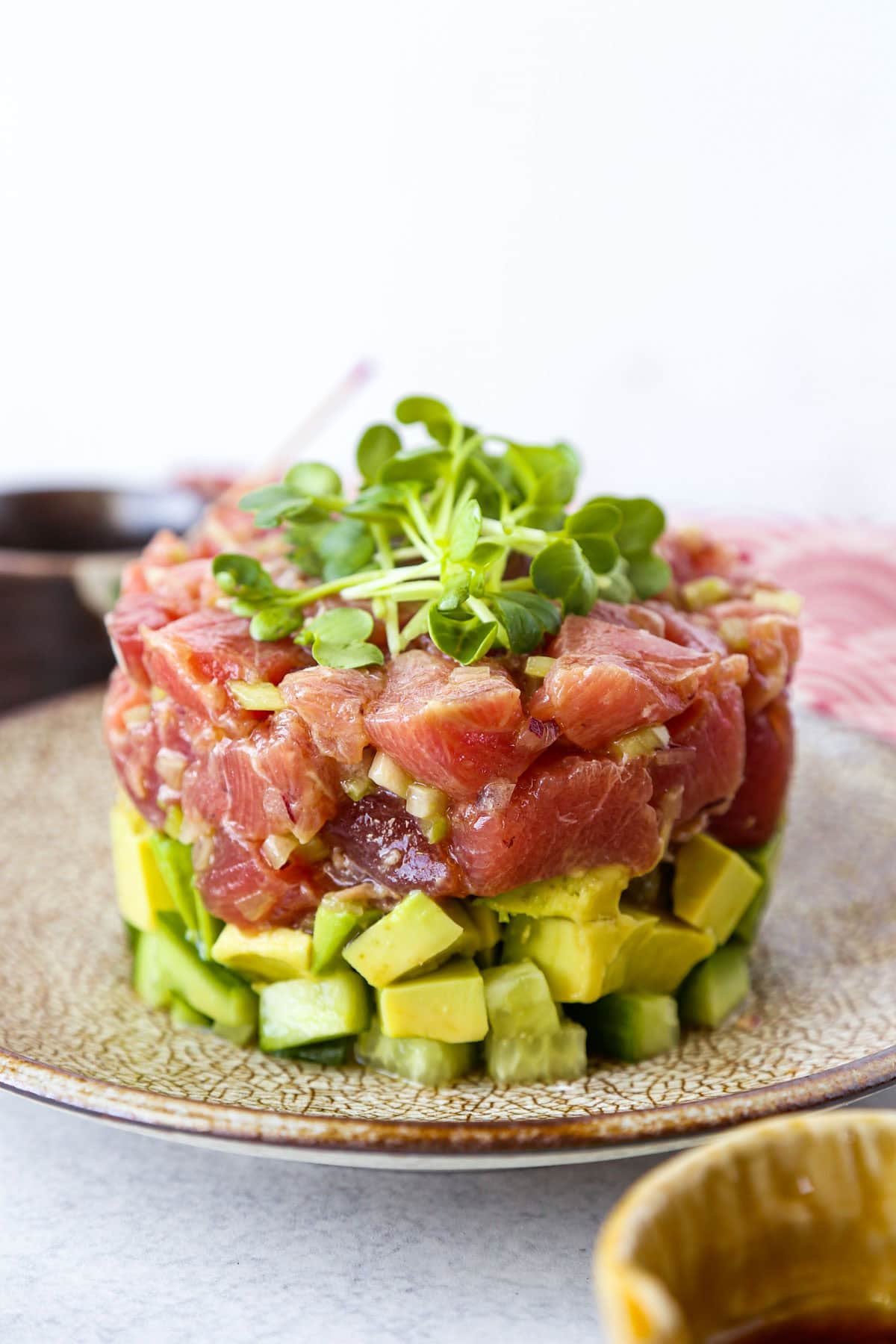
- Explanation: Tartare is a dish made from finely chopped raw meat mixed with seasonings like onions, capers, and herbs. It is a popular contemporary starter that showcases the quality of the beef.
- Example: The beef tartare was seasoned perfectly and served with local rye bread crisps.
- Context: Serving raw meat requires the highest standards of food safety and ingredient freshness.
11. Stracciatella
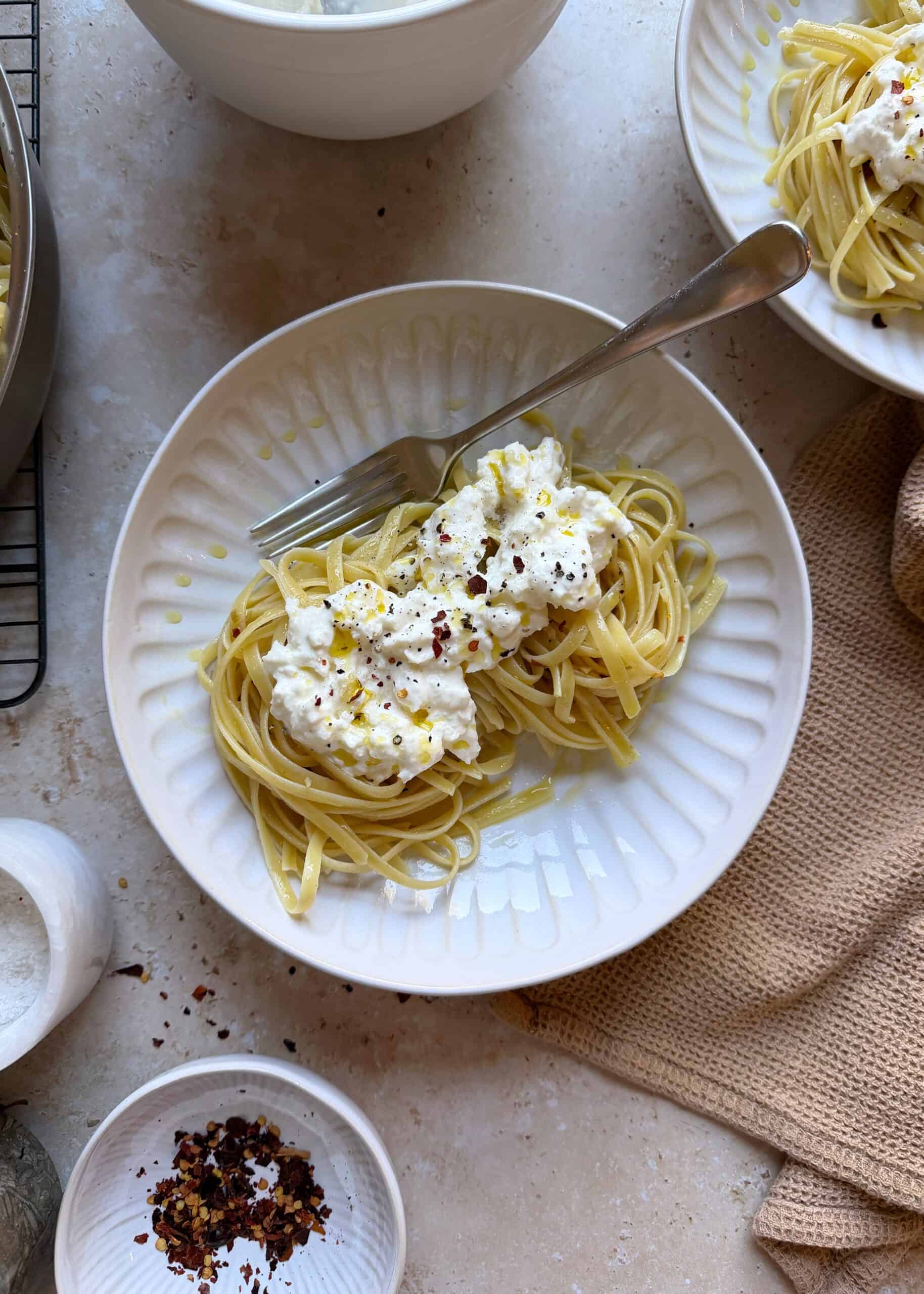
- Explanation: This is a soft, creamy Italian cheese made from shreds of mozzarella mixed with heavy cream. It is often served as a topping for bruschettas or in light salads.
- Example: The bruschetta featured fresh tomatoes and a dollop of creamy stracciatella cheese.
- Context: This cheese is a favorite in modern cafes for its luxurious texture and mild, milky flavor.
12. Goat Cheese
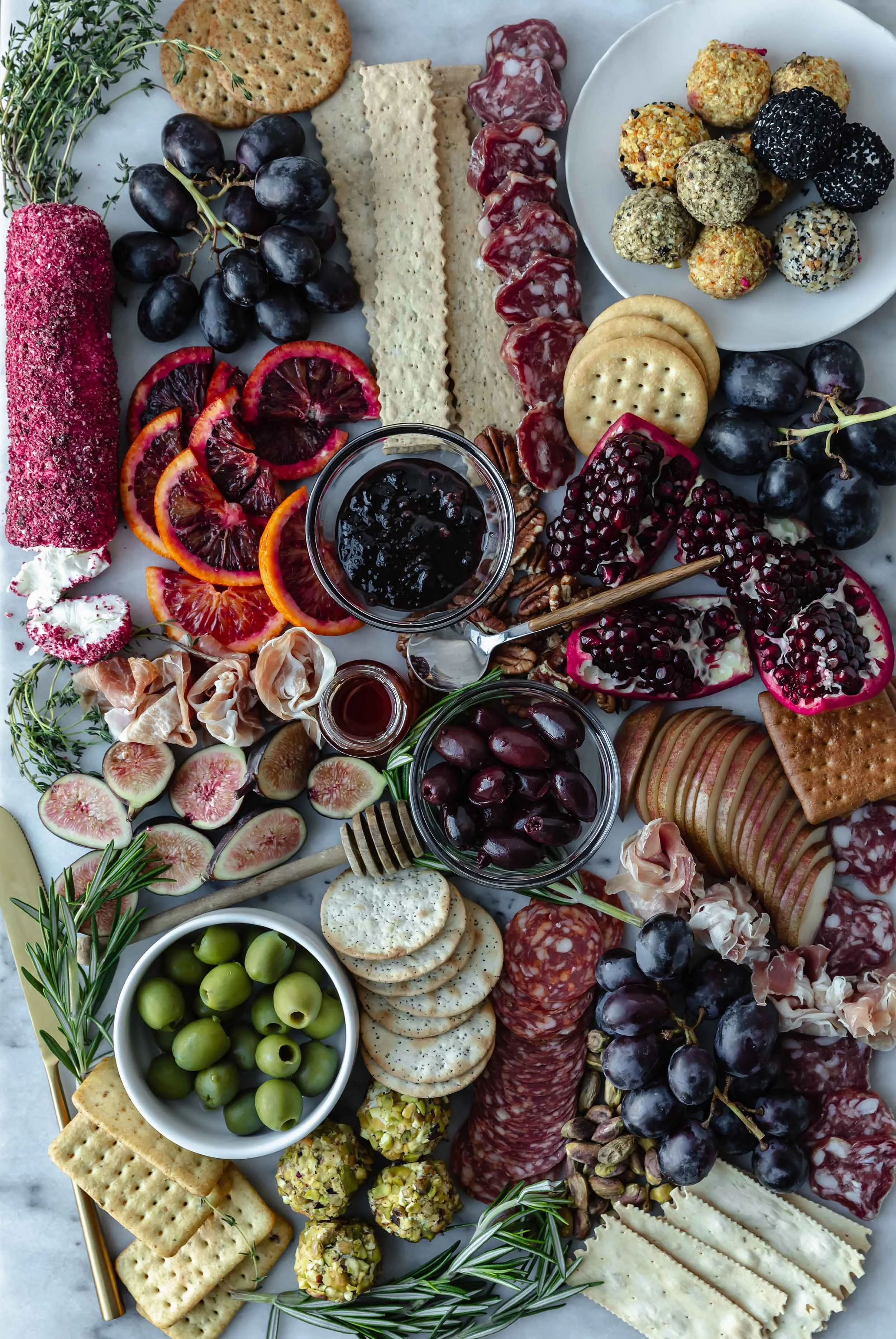
- Explanation: A tangy, creamy cheese made from goat's milk that can range from soft and spreadable to hard and aged. It adds a sharp flavor contrast to sweet vegetables like pumpkin or beets.
- Example: The autumn salad was topped with crumbled goat cheese and toasted walnuts.
- Context: The rise of local goat farms has made this artisanal cheese a common sight on modern menus.
13. Gherkins
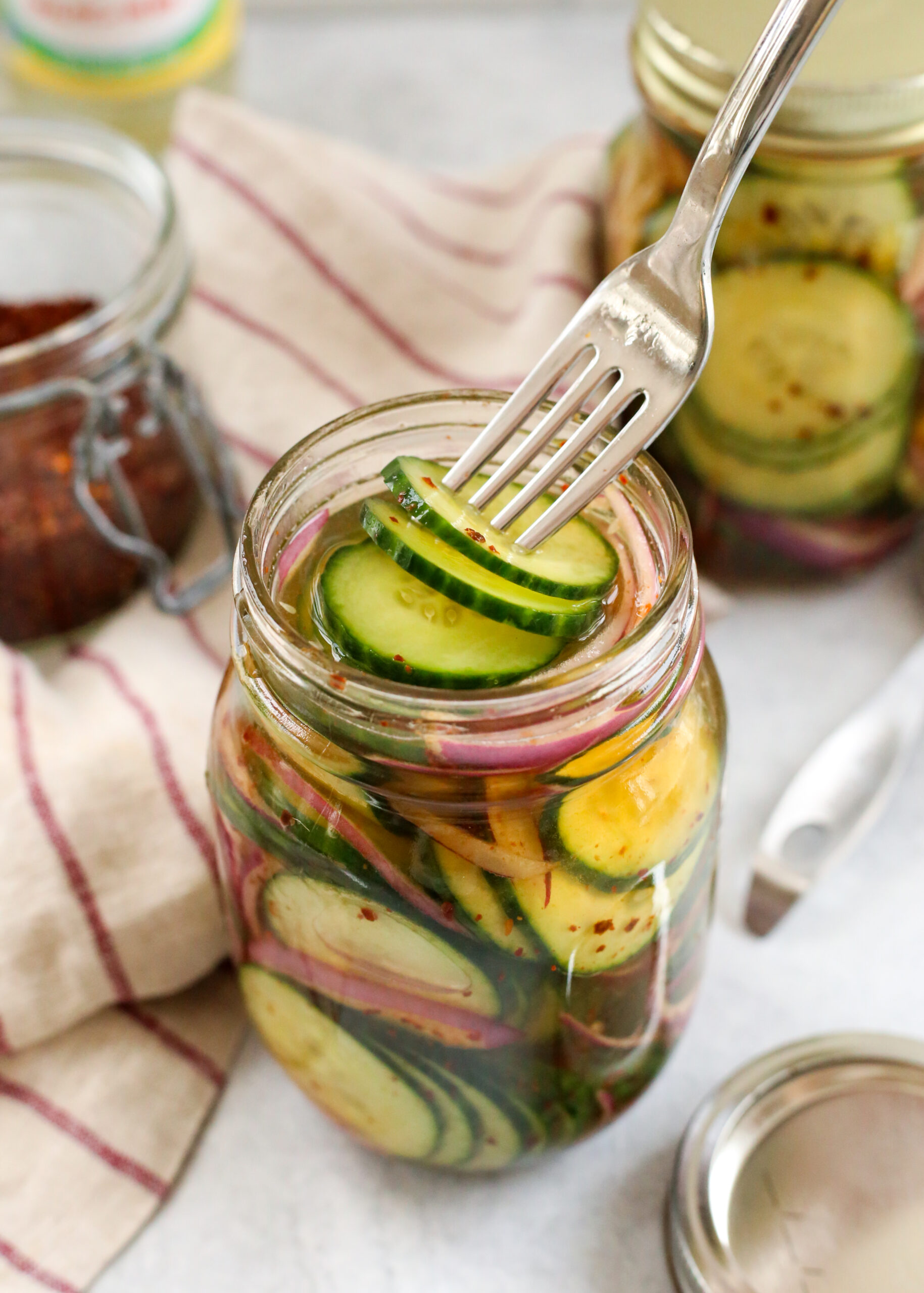
- Explanation: These are small, crunchy cucumbers that have been pickled in vinegar and spices. They are used to add a sharp, acidic flavor to sandwiches and appetizers.
- Example: The roast beef starter was served with a side of sliced gherkins and mustard.
- Context: Pickling is a foundational part of Belarusian food culture, traditionally used to preserve the summer harvest.
14. Microgreens
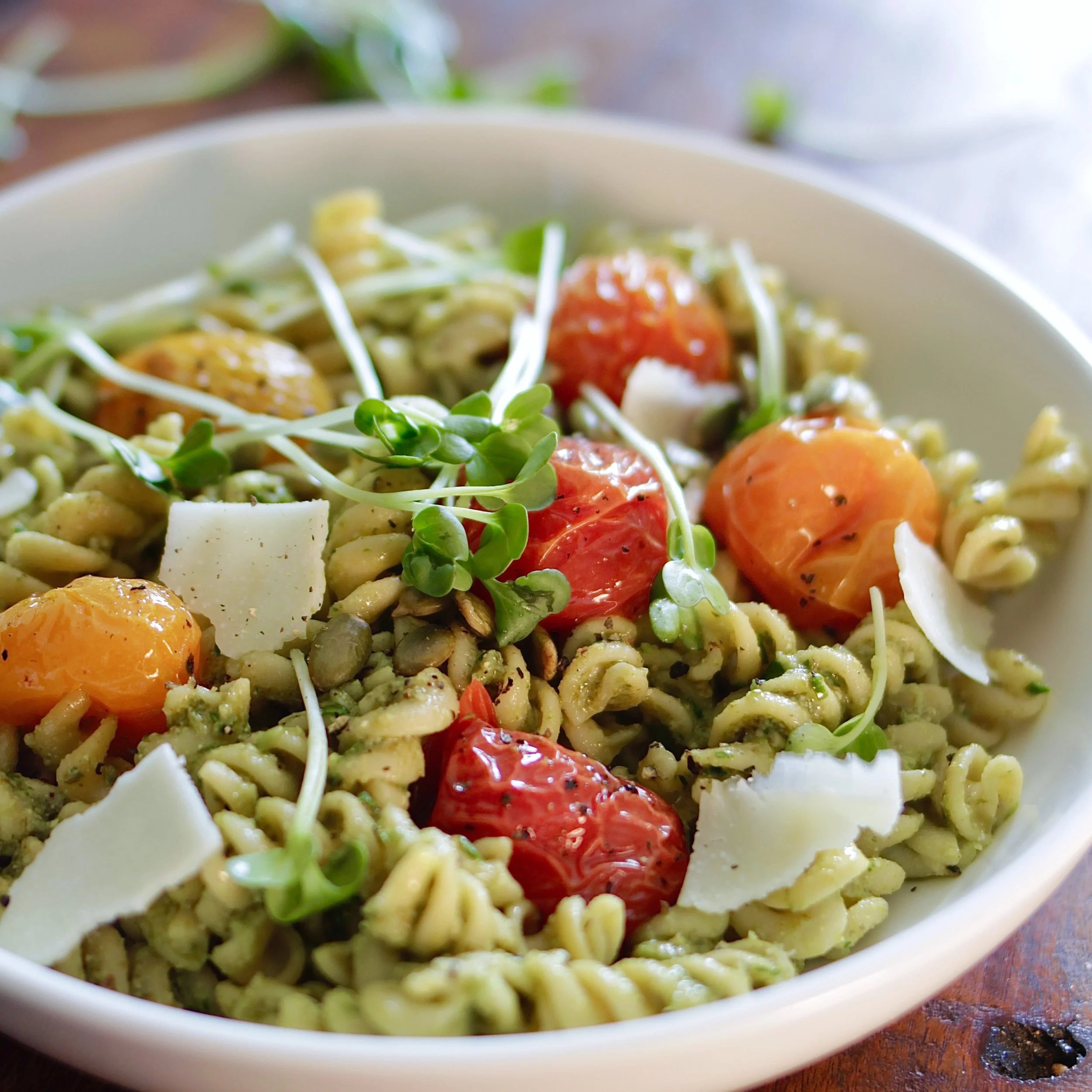
- Explanation: These are the very first leaves of vegetable plants, harvested when they are only an inch or two tall. They are used for both nutrition and as a decorative garnish.
- Example: The avocado toast was beautifully decorated with a handful of fresh microgreens.
- Context: Microgreens reflect the modern "farm-to-table" movement, where chefs prioritize fresh, living ingredients.
15. Pumpkin Seeds
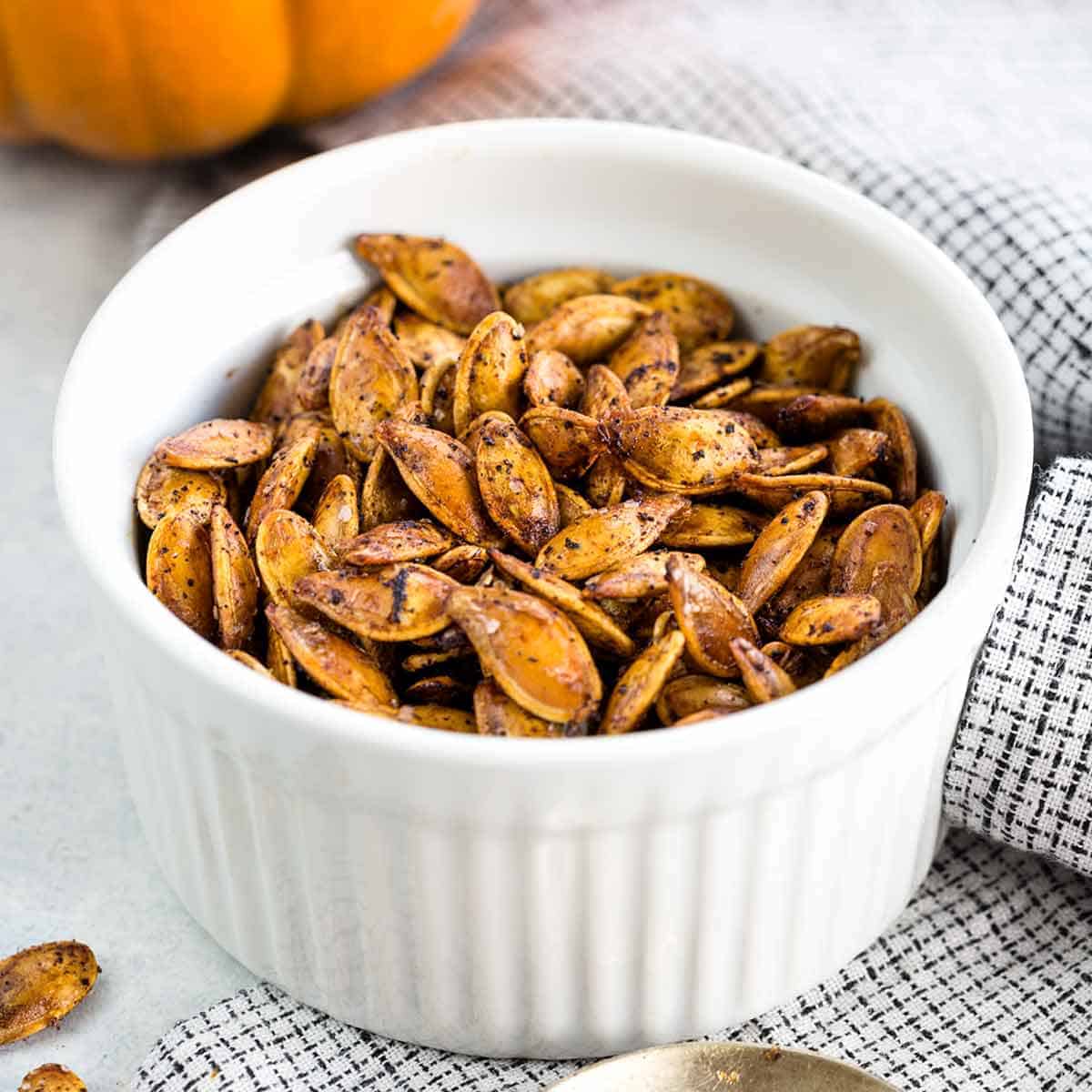
- Explanation: These are flat, green seeds that come from pumpkins and are usually roasted to enhance their nutty flavor. They add a pleasant crunch to creamy soups and breakfast bowls.
- Example: I sprinkled some toasted pumpkin seeds over my cream soup for extra texture.
- Context: Using seeds and nuts is a popular way to add healthy fats and interesting textures to vegetarian dishes.
16. Caramelized Pears
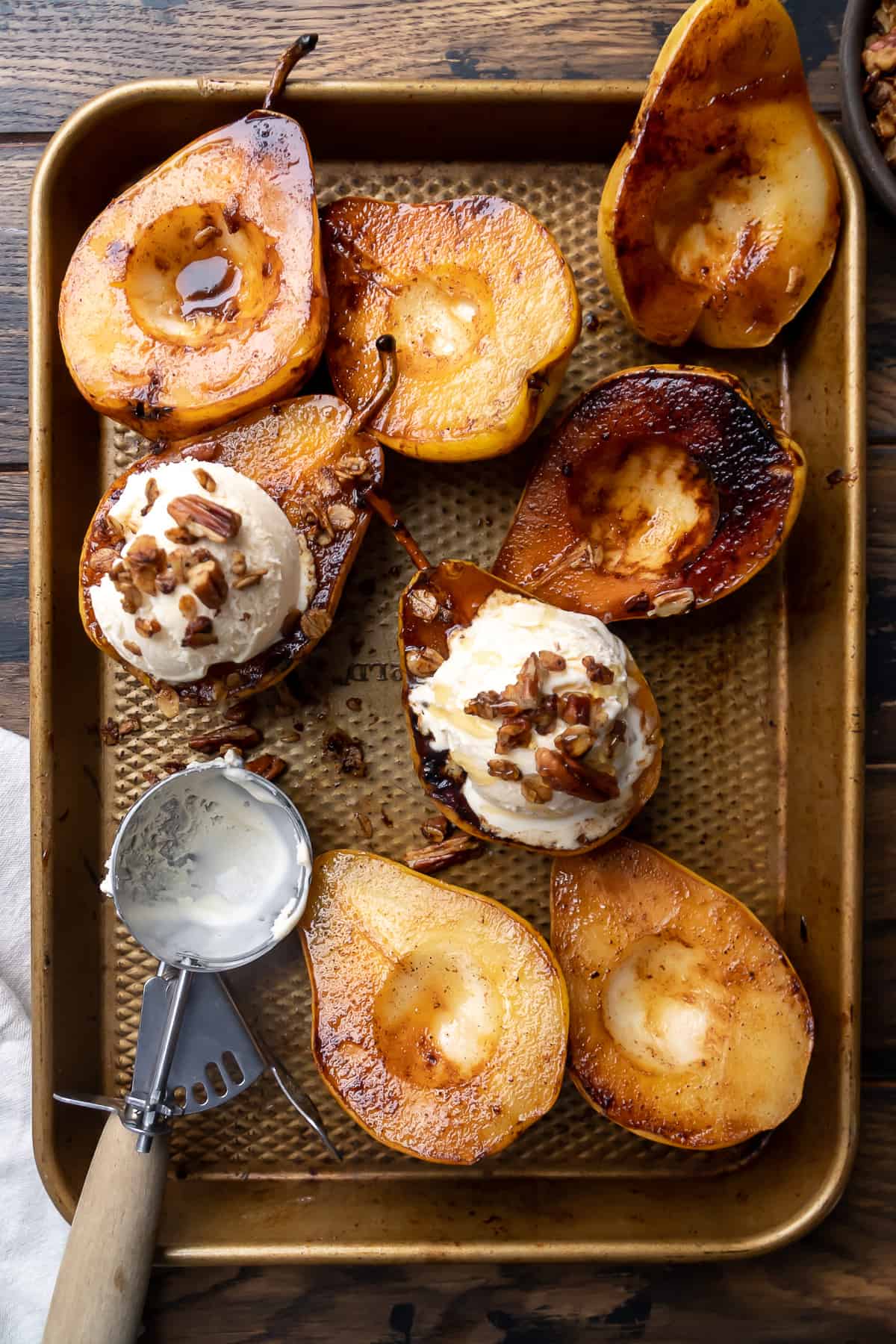
- Explanation: These are pears cooked slowly with sugar until they become soft, brown, and sweet. They provide a sweet contrast to savory meats like chicken liver.
- Example: The warm salad featured a delicious combination of savory liver and caramelized pears.
- Context: Caramelization is a technique used to intensify the natural sugars in fruits and vegetables.
17. Mixed Greens
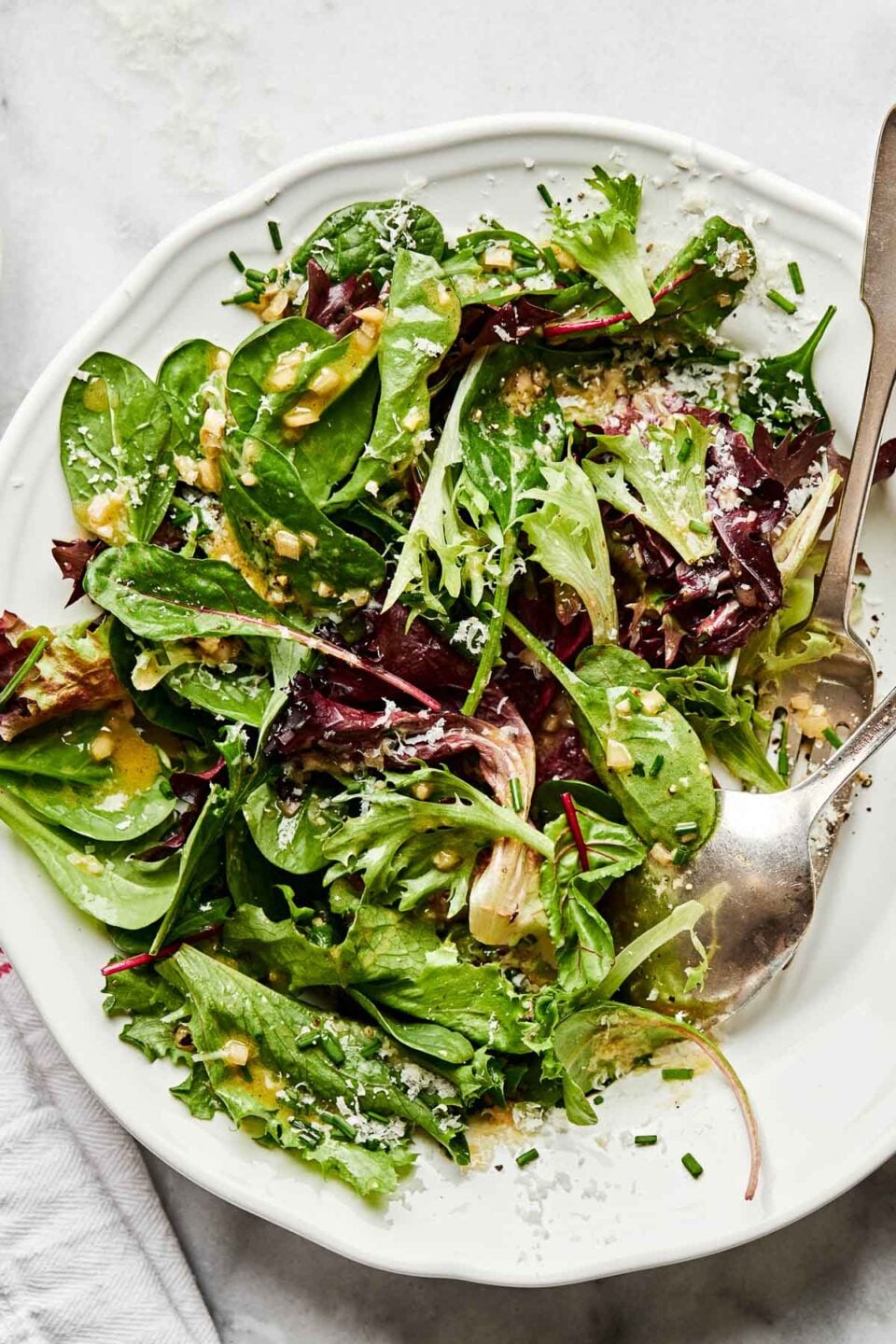
- Explanation: This refers to a combination of different young salad leaves, such as arugula, spinach, and lettuce. They form the fresh base for modern, ingredient-focused salads.
- Example: The waiter served a large bowl of mixed greens with a light balsamic dressing.
- Context: Moving toward fresh mixed greens instead of heavy mayonnaise salads is a major trend in Minsk.
18. Raspberry Balsamic Glaze
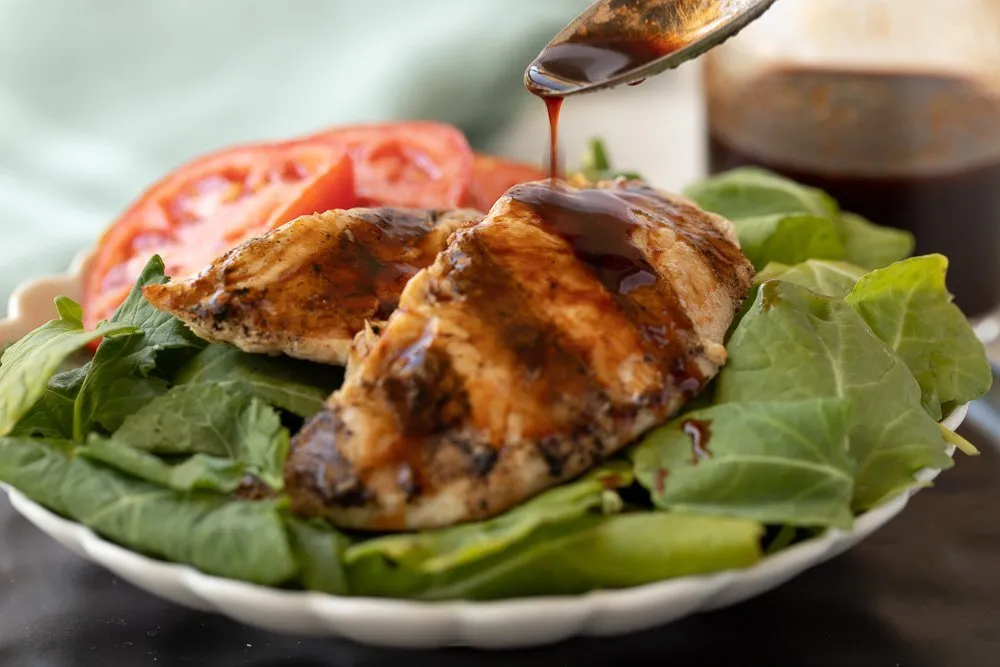
- Explanation: This is a thick, syrupy sauce made by reducing balsamic vinegar with raspberries. It has a complex sweet-and-sour flavor used to decorate starters.
- Example: A drizzle of raspberry balsamic glaze added a touch of elegance to the chicken liver salad.
- Context: Glazes are used by chefs to add concentrated flavor and visual appeal to a plate.
19. Berry Reduction
- Explanation: A reduction is a liquid boiled until it thickens and the flavor becomes concentrated. A berry reduction is often made from cherries or cowberries to accompany poultry.
- Example: The duck confit was served with a rich, dark cherry reduction.
- Context: This French technique is used to create intense sauces that highlight local fruit varieties.
20. Pureed Root Vegetables
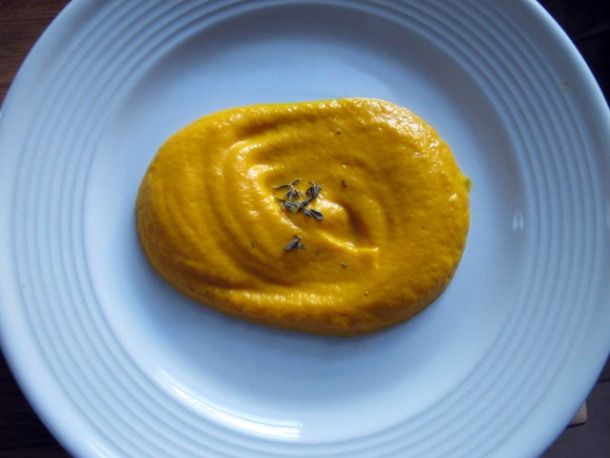
- Explanation: This refers to vegetables like carrots or parsnips that have been cooked and blended into a smooth, creamy texture. It is often served as a base for main meat courses.
- Example: The roasted meat sat on a bed of silky pureed root vegetables.
- Context: Root vegetables are hardy local staples reimagined with sophisticated textures in modern cooking.
21. Duck Leg Confit
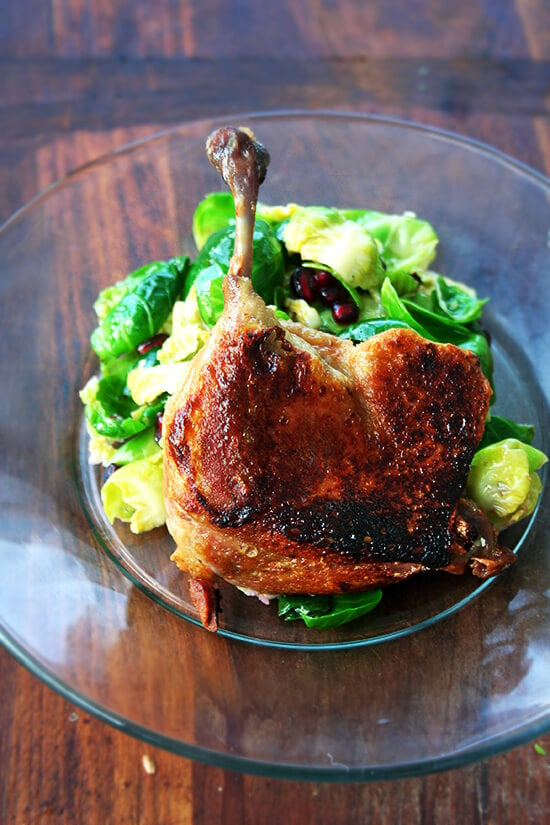
- Explanation: Confit is a French cooking method where meat is slow-cooked in its own fat at a low temperature. This results in meat that is incredibly tender and full of flavor.
- Example: For the main course, I ordered the duck leg confit with a side of root vegetables.
- Context: Many Belarusian chefs use French techniques to elevate traditional local ingredients like duck and goose.
22. Matcha Cream
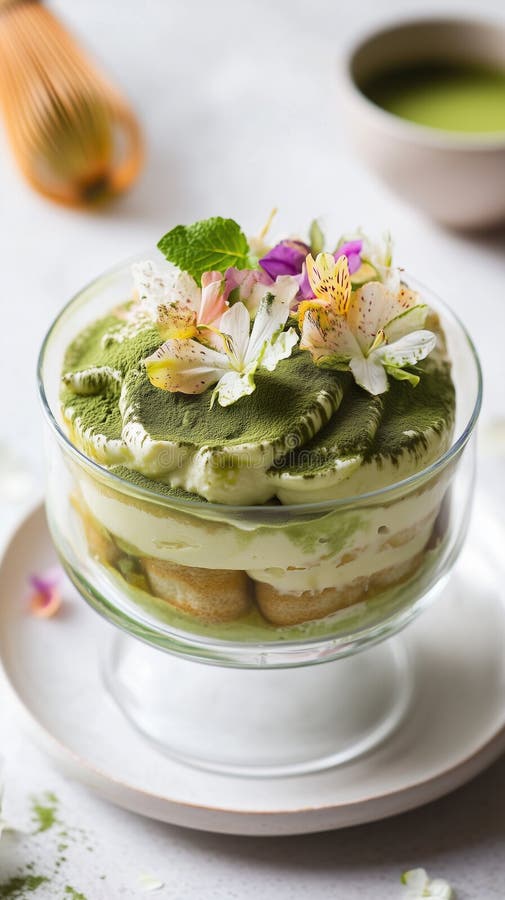
- Explanation: This is a sweet cream flavored with matcha, a finely ground green tea powder. It has a unique, slightly bitter flavor and a vibrant green color.
- Example: The syrniki were beautifully presented with a swirl of bright green matcha cream.
- Context: Matcha is a key ingredient in the "pan-Asian" fusion trend popular in modern city cafes.
23. White Chocolate Mousse

- Explanation: A mousse is a light, airy dessert or topping made by folding whipped cream into a flavored base. It adds a delicate sweetness to modern breakfast dishes.
- Example: The cottage cheese pancakes were topped with a cloud of white chocolate mousse.
- Context: Texture is vital in modern dining, and a mousse provides a light contrast to heavier items.
24. Salted Caramel
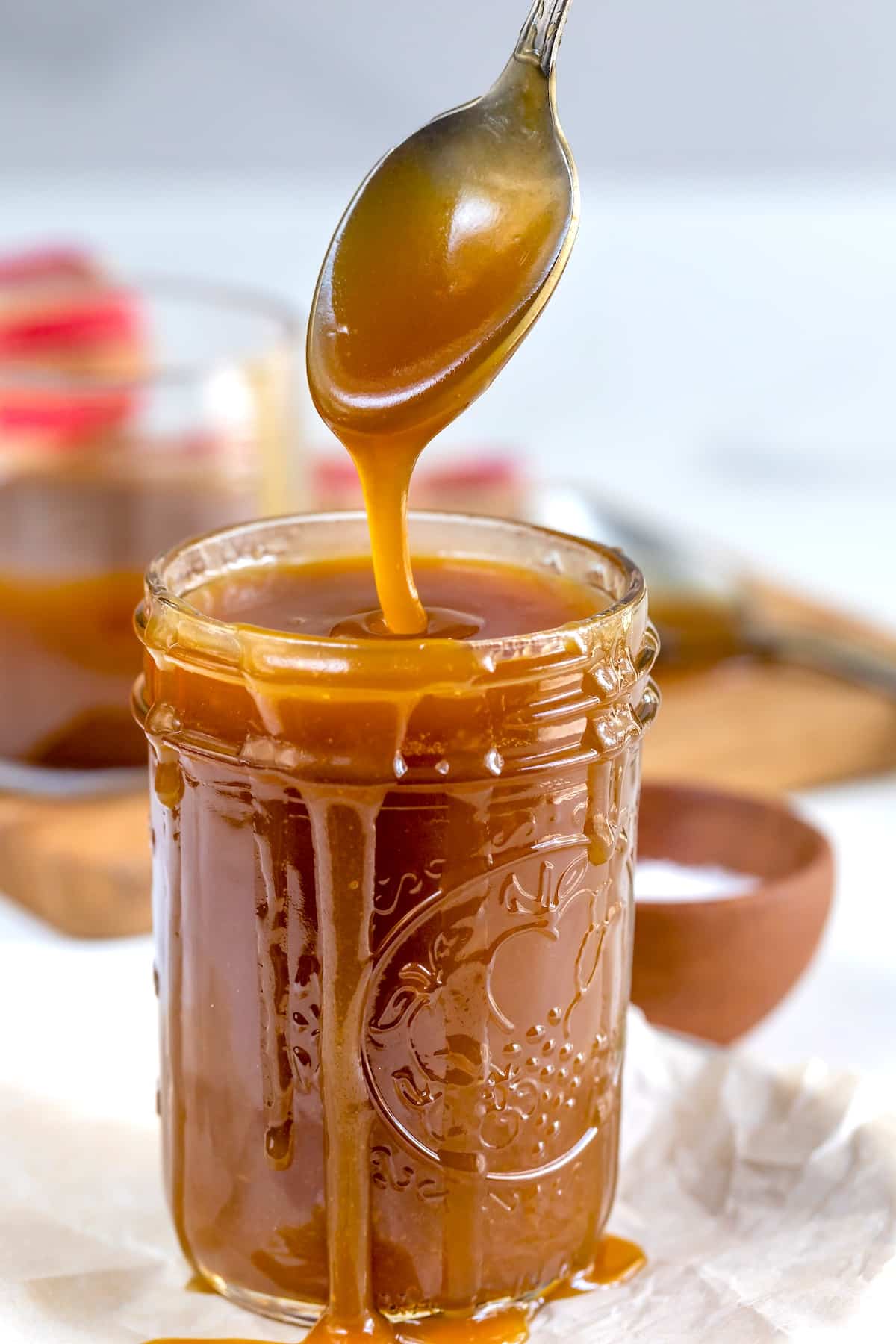
- Explanation: This is a sweet caramel sauce with a small amount of sea salt added. The salt enhances the sweetness and creates a complex flavor.
- Example: I love the way the salted caramel flows over the warm breakfast pancakes.
- Context: Salted caramel is a ubiquitous international flavor found in everything from coffee to high-end desserts.
25. Honeycomb Toffee
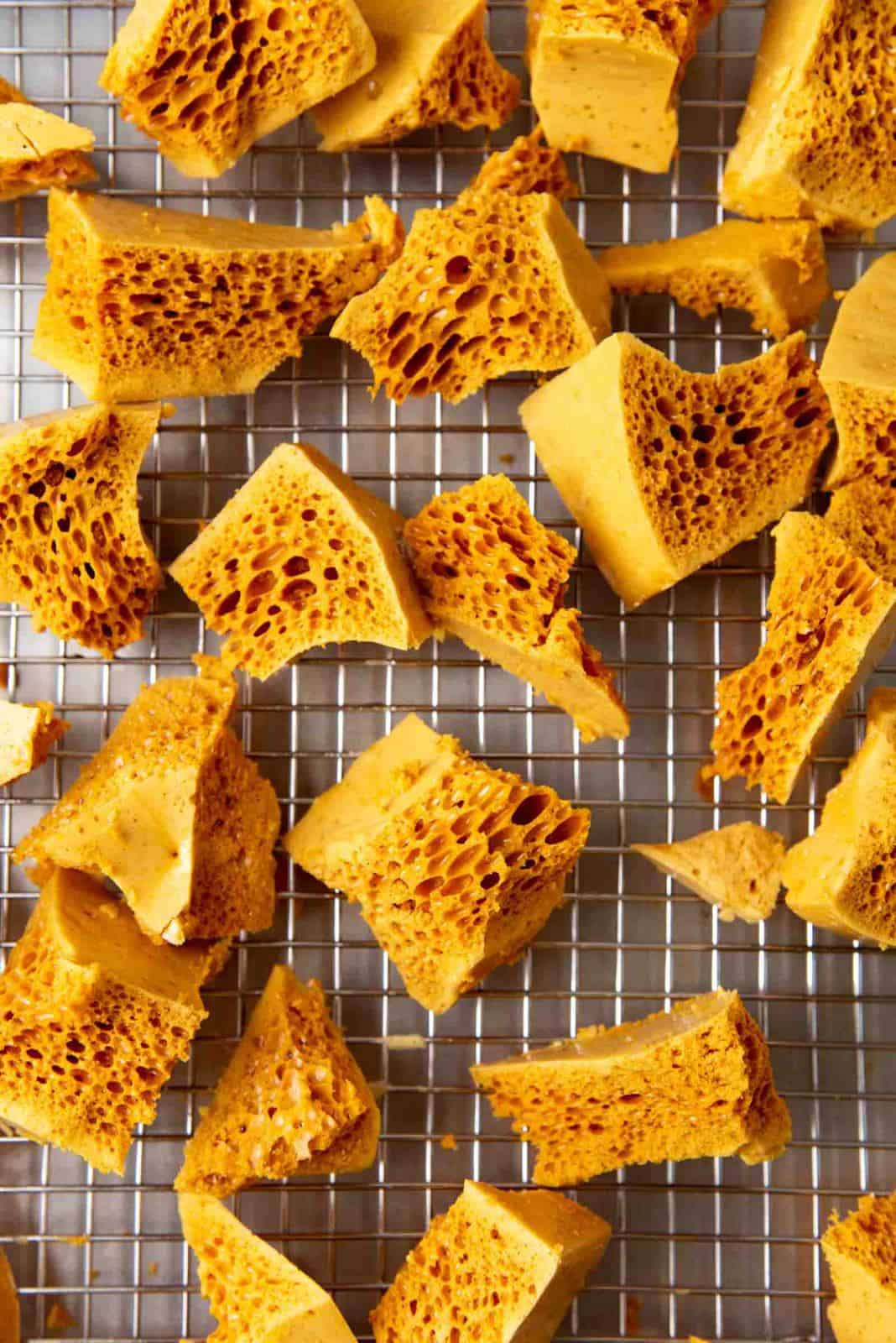
- Explanation: This is a crunchy, porous toffee made by boiling sugar and adding baking soda. It is used as a textural topping for cakes and mousses.
- Example: The modern medovik was decorated with small pieces of golden honeycomb toffee.
- Context: This ingredient adds a playful and modern element to traditional honey-based desserts.
26. Lavender
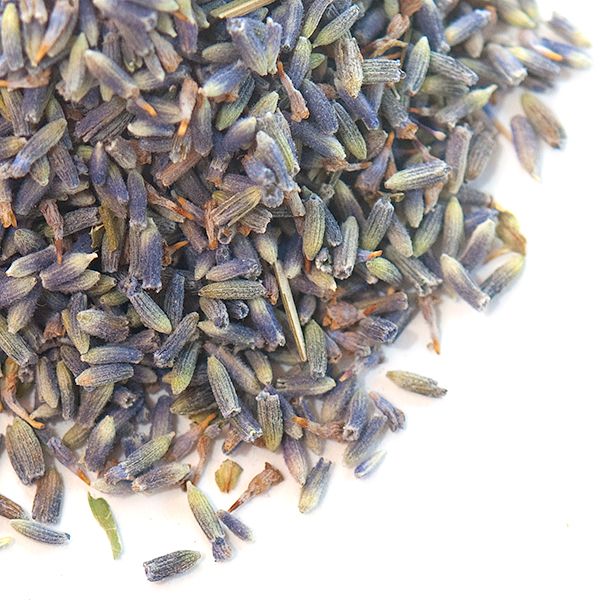
- Explanation: Lavender is a floral plant used in small amounts to add a delicate fragrance to food. In modern desserts, it is often infused into honey or cream.
- Example: The honey cake had a subtle aroma of lavender that made it feel very sophisticated.
- Context: Using edible flowers in desserts is a trend that emphasizes nature and elegance.
27. Passion Fruit
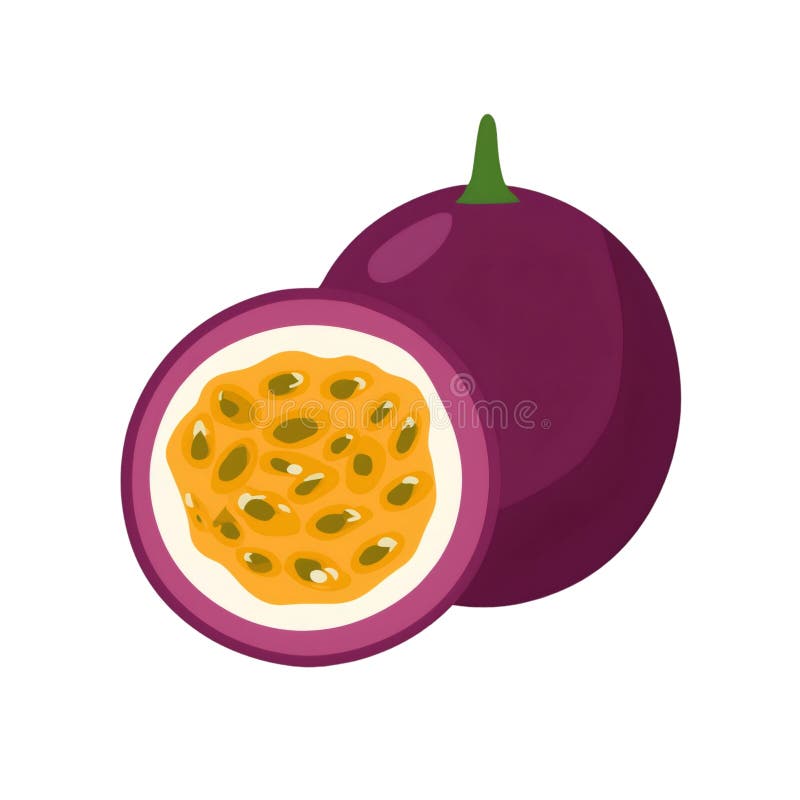
- Explanation: A tropical fruit with a tough outer shell and a center filled with juicy, tart seeds. It adds a bright, exotic acidity to sweet breakfast plates.
- Example: The tartness of the passion fruit was the perfect balance for the sweet white chocolate.
- Context: The availability of exotic fruits shows the international nature of the modern Belarusian cafe scene.
28. Poached Egg

- Explanation: An egg cooked outside the shell in simmering water. When prepared correctly, the white is firm but the yolk remains liquid and creamy.
- Example: When I cut into the poached egg, the golden yolk ran over the avocado toast.
- Context: The poached egg is the centerpiece of the "all-day breakfast" trend worldwide.
29. Croissant

- Explanation: A flaky, crescent-shaped pastry made from many layers of buttered dough. They are often used as a base for savory sandwiches.
- Example: I ordered a savory croissant filled with smoked salmon and cream cheese.
- Context: The croissant is a symbol of the European cafe culture that has been adopted and adapted locally.
30. Cottage Cheese
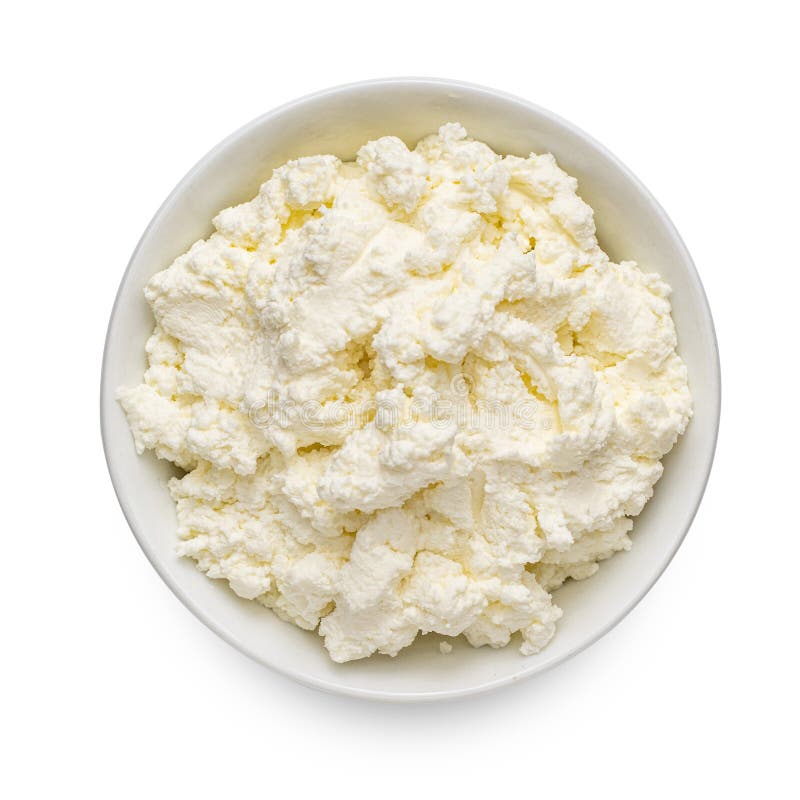
- Explanation: Also known as tvorog, this is a fresh dairy product made from milk curds. It is the essential foundation for traditional Belarusian syrniki.
- Example: You must use very fresh cottage cheese if you want your pancakes to be soft and fluffy.
- Context: While humble, high-quality cottage cheese is a foundational ingredient that modern chefs treat with great respect.
A Visual Guide to Modern Canadian Ingredients: B1 ESL Vocabulary
This illustrated vocabulary guide is designed for B1 level English students to explore the diverse and unique ingredients that define modern Canadian cuisine. From the forests of the East to the mountains of the West, these terms are essential for understanding Canadian food culture.
1. Maple Syrup
- Explanation: Maple syrup is a sweet, amber-colored liquid made by boiling the sap from maple trees. It is the most famous Canadian ingredient and is used as a natural sweetener for many dishes.
- Example: I poured a generous amount of pure maple syrup over my stack of blueberry pancakes.
- Context: Canada produces about 75% of the world's maple syrup, making it a powerful symbol of national identity.
2. Bison

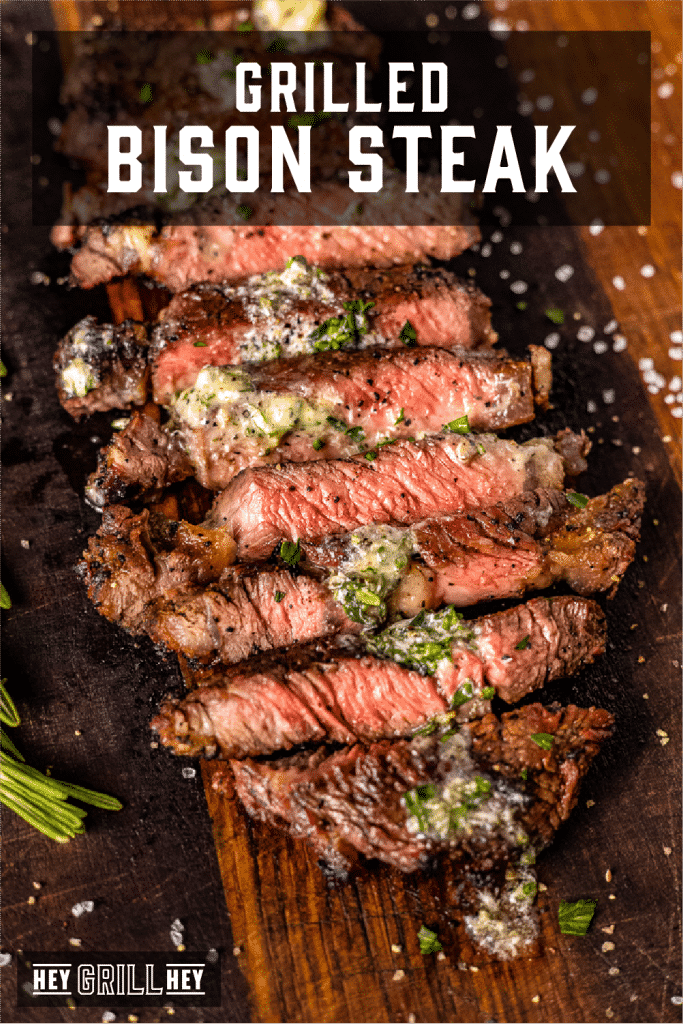
- Explanation: Bison is a large, hairy wild animal that lives on the Canadian prairies. Its meat is similar to beef but is leaner, higher in iron, and has a slightly richer flavor.
- Example: The restaurant serves a juicy bison burger topped with caramelized onions.
- Context: Bison was a primary food source for Indigenous peoples for thousands of years and is now a popular "heritage" meat in modern kitchens.
3. Fiddleheads
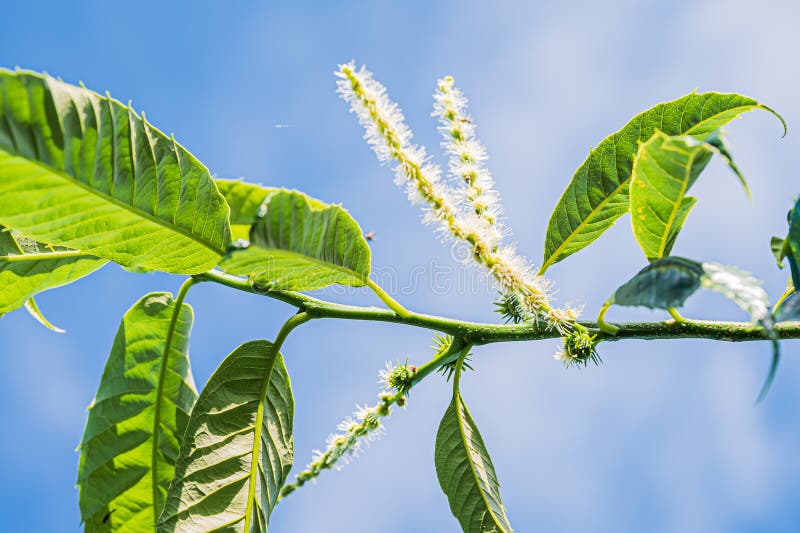
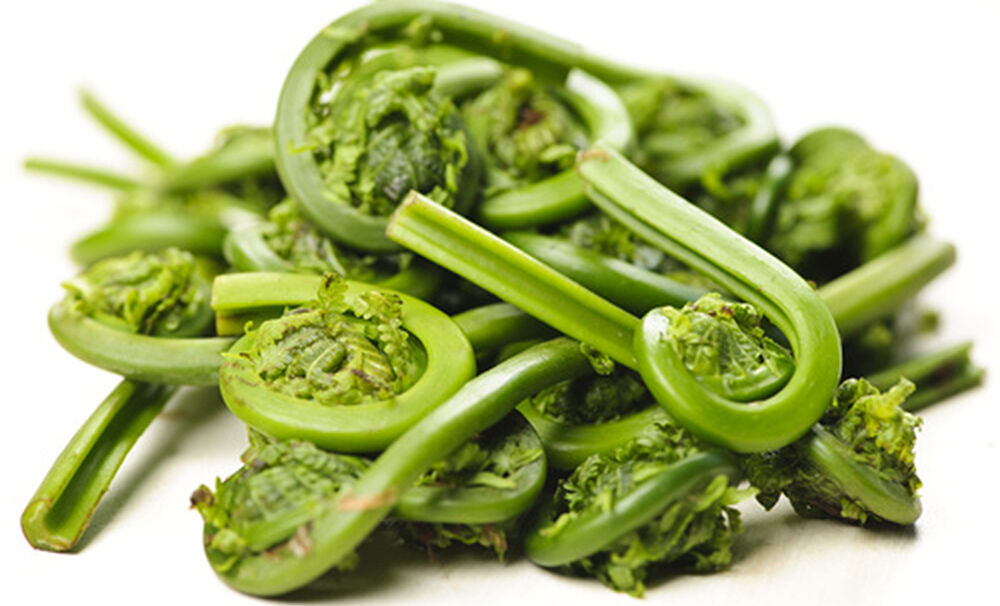
- Explanation: Fiddleheads are the young, tightly curled fronds of the ostrich fern. They are harvested in early spring and have a taste that is a mix between asparagus and green beans.
- Example: We enjoyed sautéed fiddleheads with a touch of garlic and butter as a side dish.
- Context: They are a seasonal delicacy primarily found in Eastern Canada and are celebrated at local spring festivals.
4. Saskatoon Berries
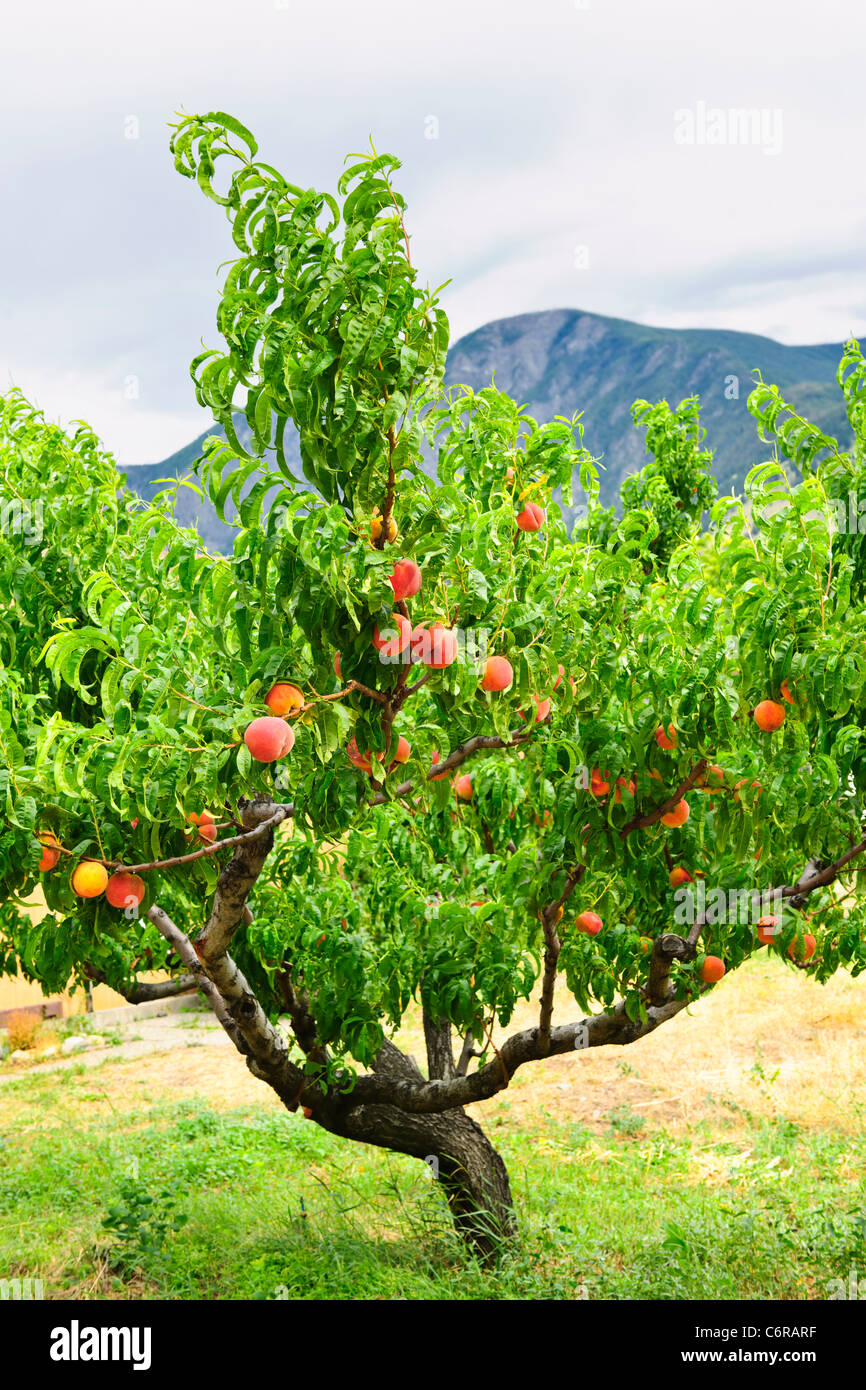
- Explanation: These are small, purple berries that look like blueberries but have a sweet, nutty, almond-like flavor. They grow on shrubs across the Canadian prairies.
- Example: My grandmother makes the best Saskatoon berry pie with a flaky, buttery crust.
- Context: These berries are so important to the region that the city of Saskatoon in Saskatchewan is named after them.
5. Wild Rice
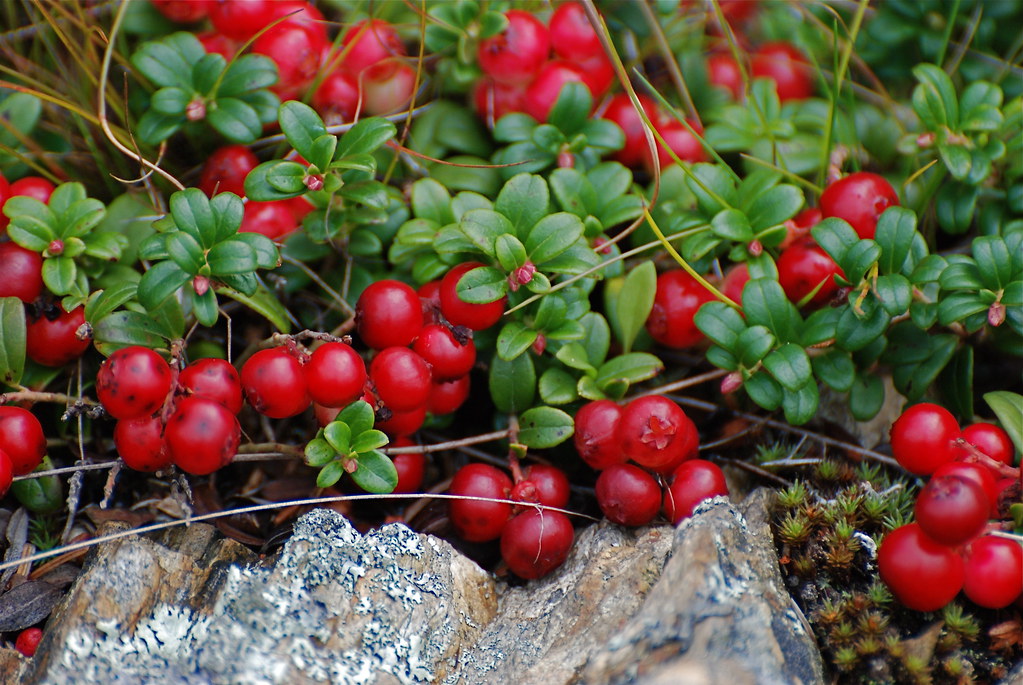
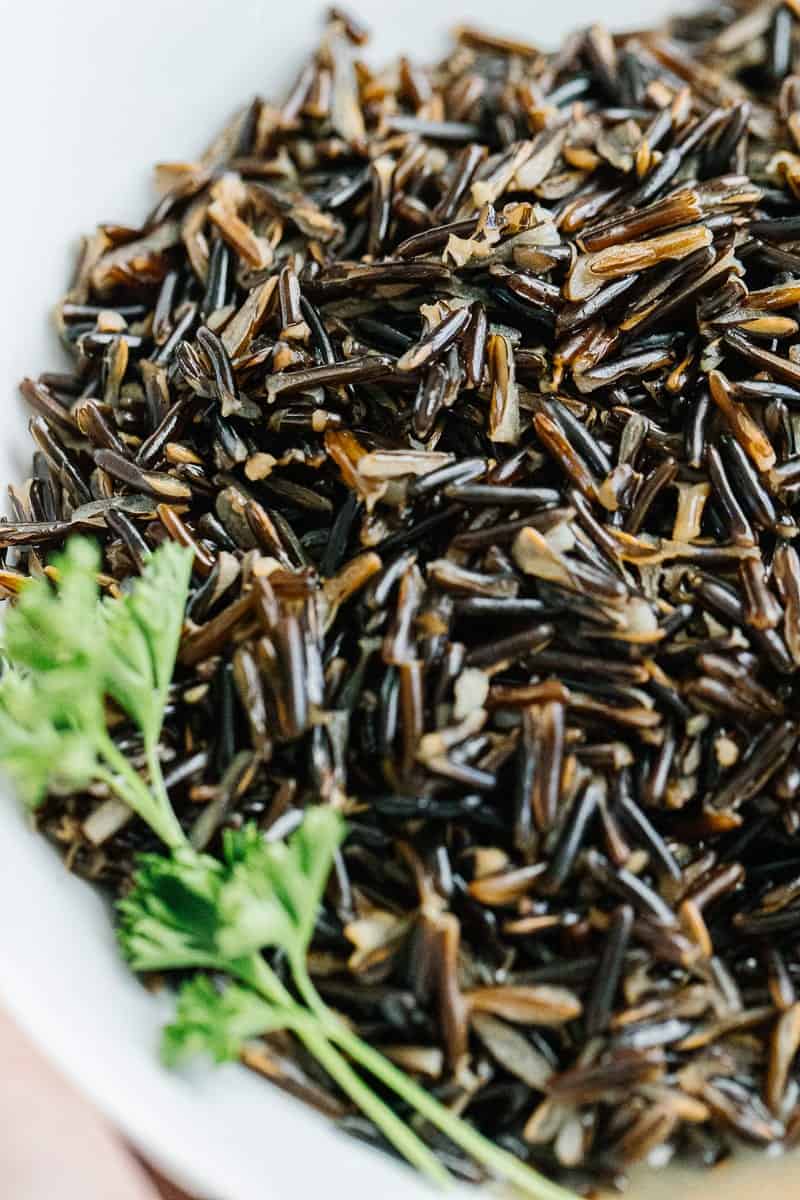
- Explanation: Despite its name, wild rice is actually the seed of a species of aquatic grass. It is dark, long-grained, and has a chewy texture with an earthy, smoky flavor.
- Example: The chef prepared a wild rice pilaf mixed with dried cranberries and roasted pecans.
- Context: It is a sacred grain for the Anishinaabe people and is traditionally harvested from canoes in the lakes of Central Canada.
6. Atlantic Lobster
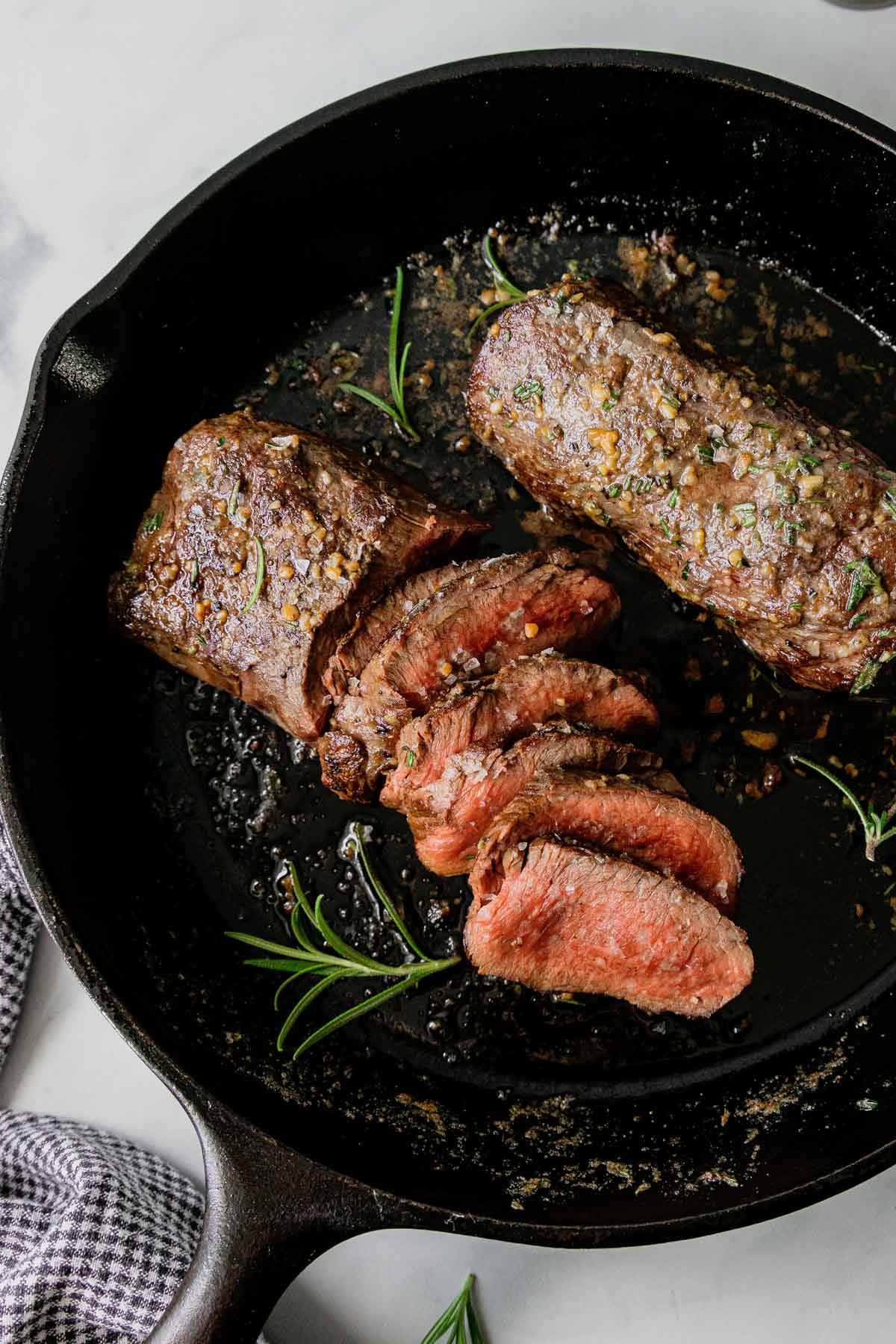
- Explanation: This is a large sea creature with a hard shell and two large claws. The white meat found inside the tail and claws is considered a luxury ingredient.
- Example: We ate fresh lobster rolls while sitting on the dock in Nova Scotia.
- Context: The Atlantic provinces, like New Brunswick and Prince Edward Island, are world-famous for their high-quality lobster exports.
7. Sea Scallops
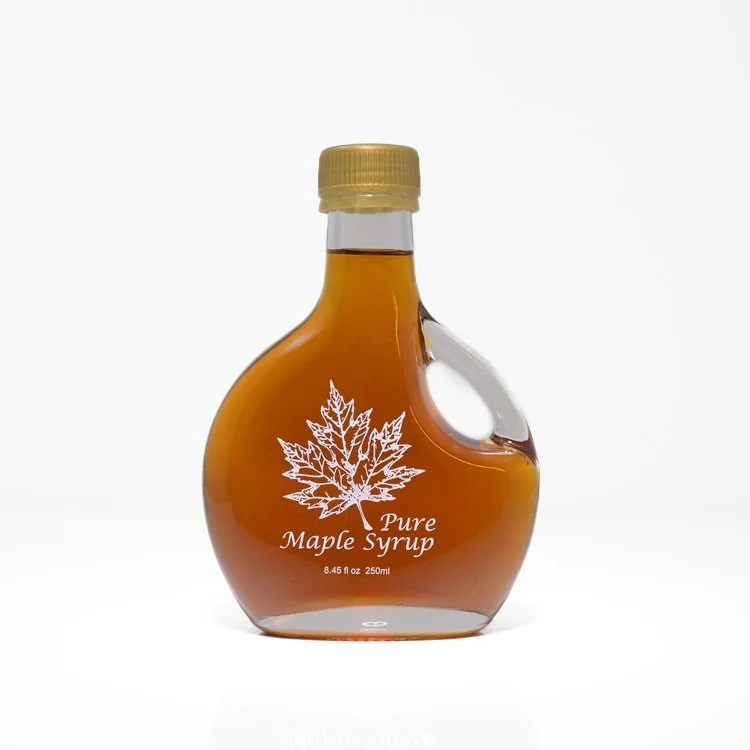
- Explanation: Scallops are a type of shellfish with a soft, white, round muscle inside. When seared in a pan, they develop a golden crust and a sweet, delicate flavor.
- Example: The seared scallops were served with a creamy cauliflower puree.
- Context: Canadian sea scallops are prized globally for their large size and sustainable harvesting methods.
8. Arctic Char
- Explanation: Arctic Char is a cold-water fish that is related to both salmon and trout. It has a beautiful pink-to-red flesh and a mild, buttery taste.
- Example: The menu features pan-roasted Arctic Char with a lemon and dill sauce.
- Context: This fish is a staple of the diet in Northern Canada and the Arctic regions, where it thrives in icy waters.
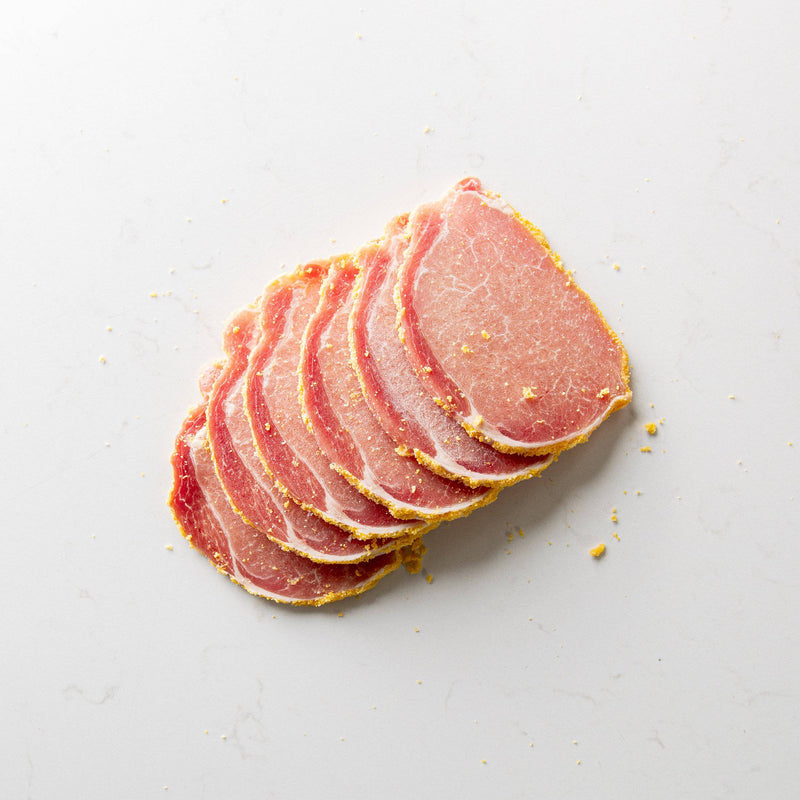
9. Peameal Bacon

- Explanation: This is a type of unsmoked back bacon that has been cured and rolled in yellow cornmeal. It is lean, juicy, and often sliced thick for sandwiches.
- Example: I had a famous peameal bacon sandwich at Toronto's St. Lawrence Market.
- Context: It was originally rolled in crushed yellow peas to preserve it, which is how it got its unique name.
10. Montreal Smoked Meat
- Explanation: This is beef brisket that has been salted, spiced, and smoked for several days. It is typically sliced thin and piled high on rye bread with mustard.
- Example: You cannot visit Montreal without trying a classic smoked meat sandwich.
- Context: This dish represents the Jewish culinary heritage that is an essential part of the city's food culture.
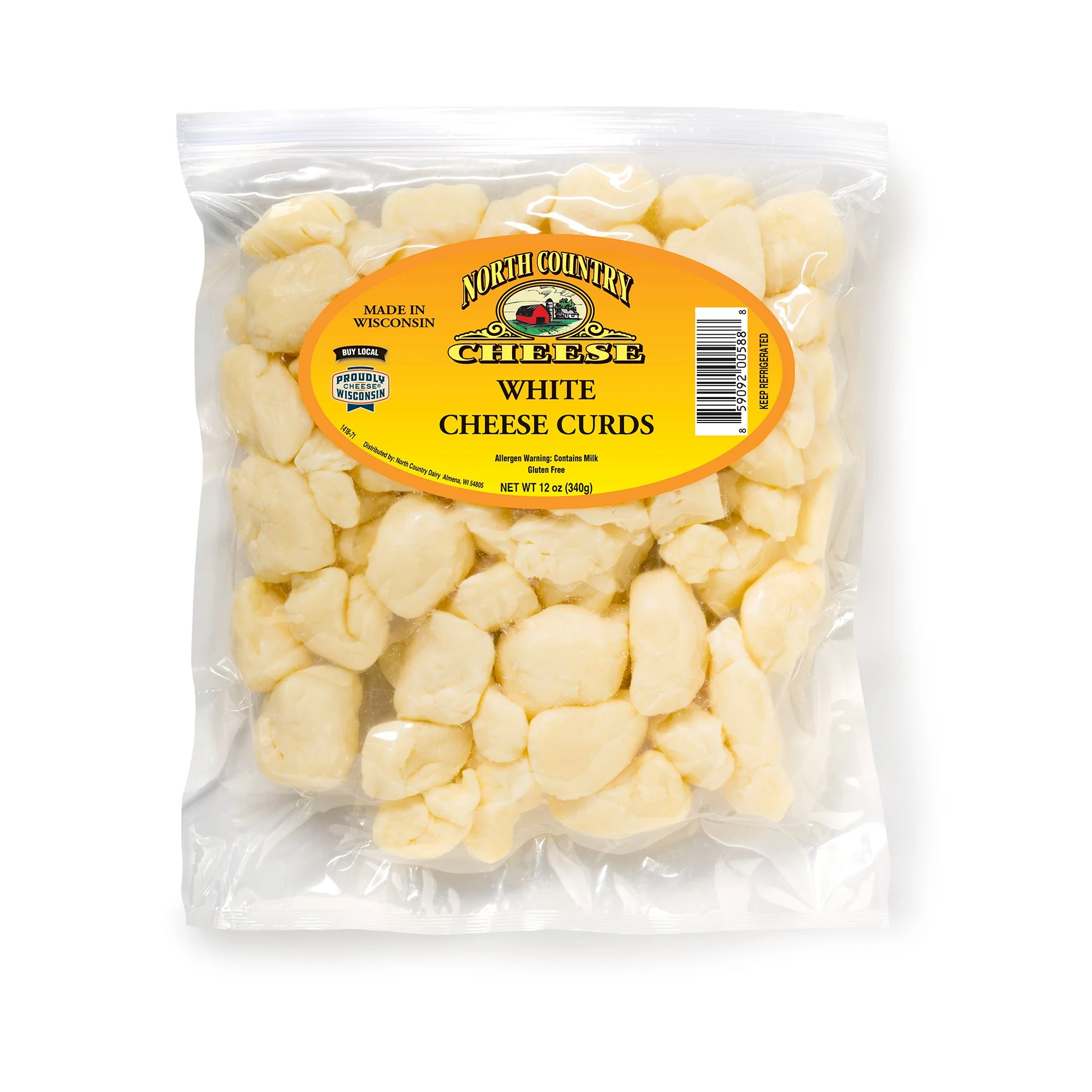
11. Cheese Curds
- Explanation: Cheese curds are small pieces of fresh, young cheddar cheese. They have a mild flavor and a unique "squeaky" texture when you bite into them.
- Example: The poutine was covered in hot gravy that melted the fresh cheese curds perfectly.
- Context: Authentic poutine must use fresh cheese curds to be considered traditional Canadian comfort food.
12. Bannock
- Explanation: Bannock is a type of flatbread that can be either baked or fried until golden brown. It has a dense, bread-like texture and is often served with jam or butter.
- Example: We shared a piece of warm, fried bannock during the Indigenous culture festival.
- Context: While its origins are Scottish, bannock became a vital staple for Indigenous communities across Canada during the fur trade era.
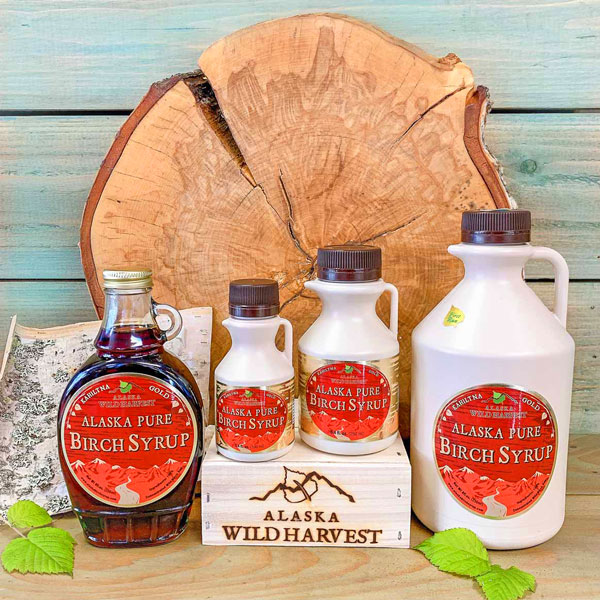
13. Birch Syrup
- Explanation: Similar to maple syrup, this is made from the sap of birch trees. It is much darker and has a savory, balsamic-like flavor with notes of caramel and smoke.
- Example: The chef used birch syrup as a glaze for the roasted salmon fillet.
- Context: Because it takes 100 liters of sap to make just 1 liter of syrup, it is a rare and expensive gourmet product.
14. Haskap Berries
- Explanation: These are long, oval-shaped blue berries that grow on honeyberry shrubs. They taste like a combination of raspberries, blueberries, and cranberries.
- Example: I added a handful of haskap berries to my morning smoothie for an extra boost of vitamins.
- Context: Haskaps are a "superfood" that has recently become very popular in Canadian agriculture because they grow well in cold climates.
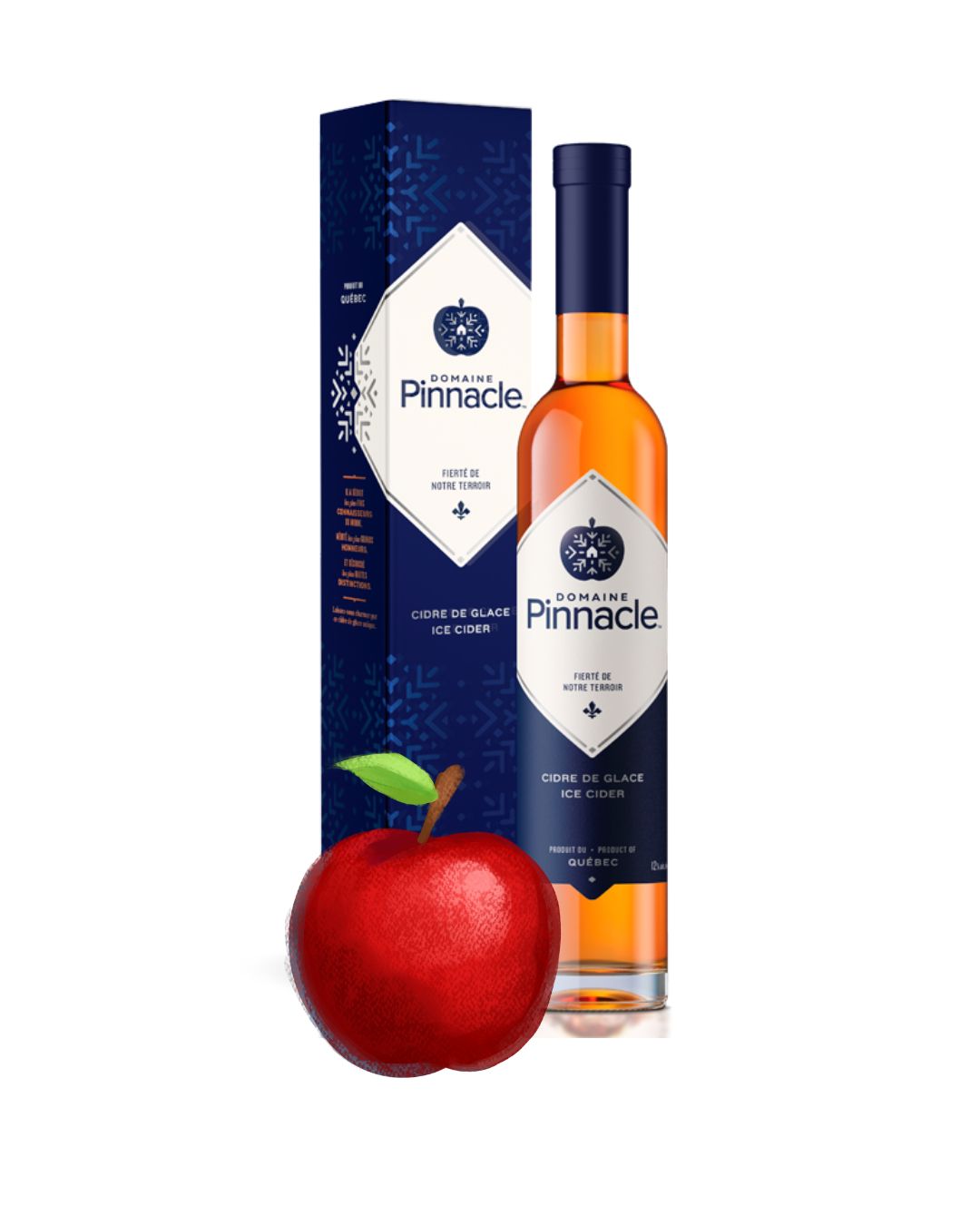
15. Ice Cider
- Explanation: Ice cider is a sweet dessert wine made from the fermented juice of frozen apples. The freezing process concentrates the sugars, resulting in a rich, syrupy drink.
- Example: We served a small glass of chilled ice cider with our cheese plate.
- Context: Developed in Quebec in the 1990s, it is a modern Canadian invention that uses the cold winter climate to its advantage.
16. Spruce Tips
- Explanation: These are the new, soft green growths at the end of spruce tree branches in the spring. They have a bright, citrusy, and resinous flavor.
- Example: The artisanal salt was infused with dried spruce tips to give it a forest aroma.
- Context: Foraging for spruce tips is part of the "boreal forest cuisine" trend where chefs use ingredients found in the Canadian wilderness.
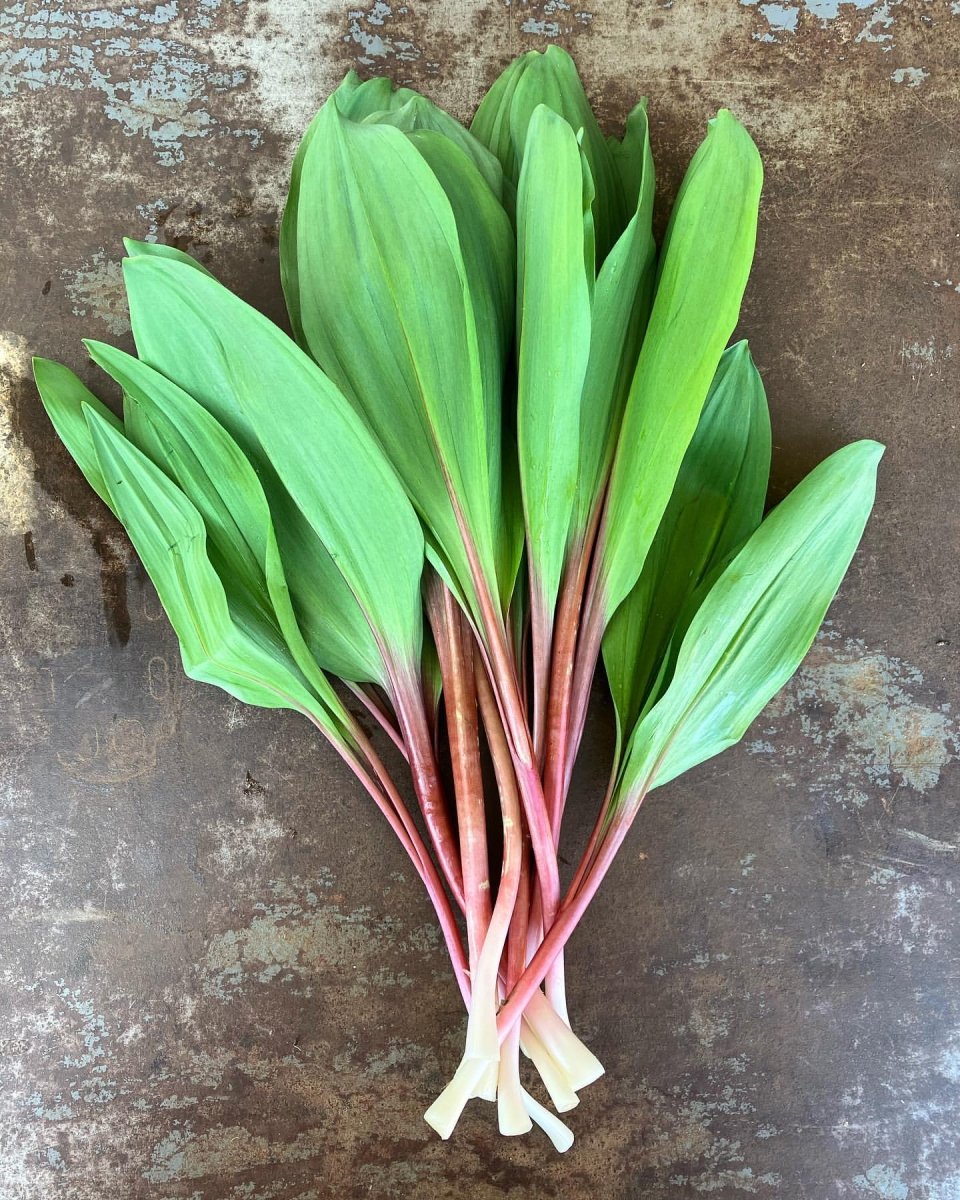
17. Wild Leeks (Ramps)
- Explanation: Wild leeks are small onions that grow in the forest and have broad green leaves and a white bulb. They have a very strong, pungent flavor that is a mix of garlic and onion.
- Example: I made a fresh pesto using wild leeks instead of traditional basil.
- Context: Because they grow slowly and are over-harvested, there are strict laws in provinces like Quebec about how many you can pick.
18. Dulse

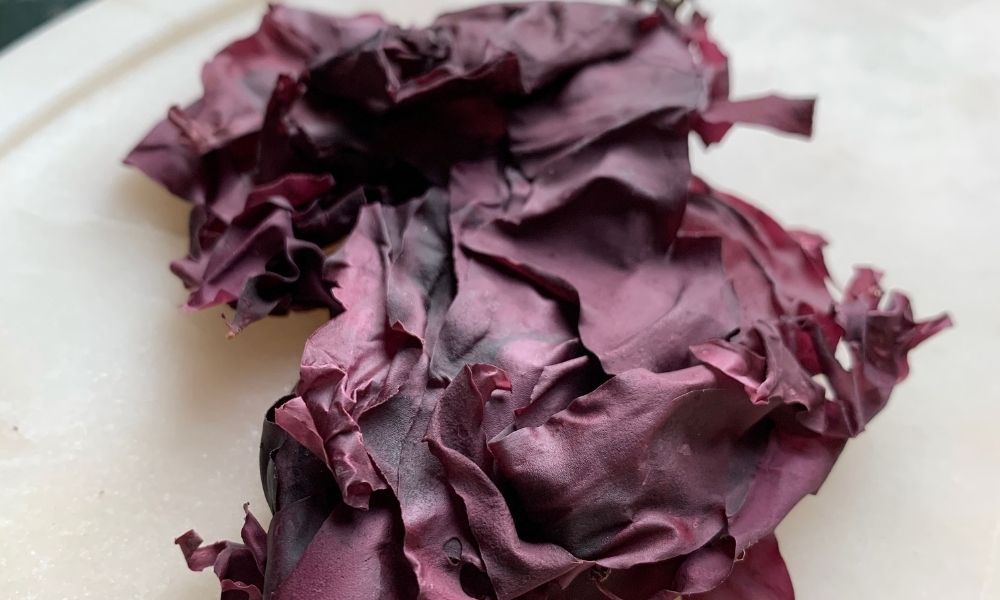
- Explanation: Dulse is a type of red seaweed that grows on the rocks in the North Atlantic. It is usually dried and eaten as a salty, healthy snack.
- Example: Some people fry dried dulse until it is crispy and use it as a vegetarian alternative to bacon.
- Context: It is a traditional snack in the Maritime provinces, especially in New Brunswick's Bay of Fundy region.
19. Pacific Sockeye Salmon
- Explanation: Sockeye is a species of salmon found in the Pacific Ocean known for its bright red flesh and rich flavor. It is often grilled, smoked, or used in sushi.
- Example: The grilled sockeye salmon was the highlight of our dinner in Vancouver.
- Context: Salmon is a central part of the ecology, economy, and spiritual life of the West Coast and its Indigenous peoples.
20. Spot Prawns

- Explanation: Spot prawns are large shrimp with a sweet, delicate flavor and white spots on their red shells. They are only available fresh for a very short season in the spring.
- Example: People wait in long lines at the docks to buy fresh spot prawns directly from the fishermen.
- Context: They are a symbol of the high-quality, sustainable seafood movement on Canada's West Coast.
21. Okanagan Peaches
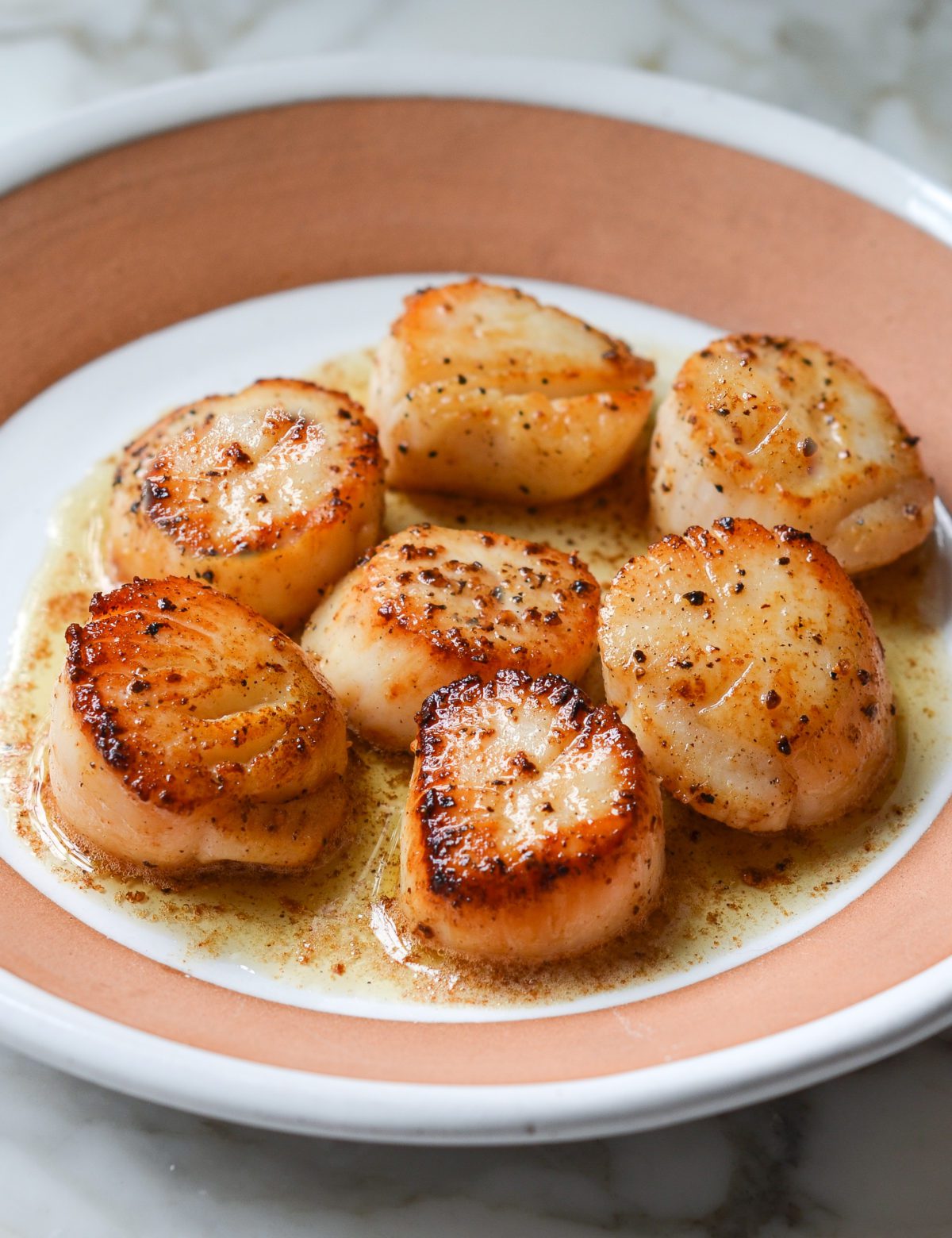
- Explanation: These are juicy, sweet peaches grown in the Okanagan Valley of British Columbia. They are famous for their large size and high sugar content.
- Example: We bought a basket of sun-ripened Okanagan peaches from a roadside fruit stand.
- Context: The Okanagan Valley is Canada's premier fruit-growing region due to its unique semi-desert climate.
22. Canola Oil
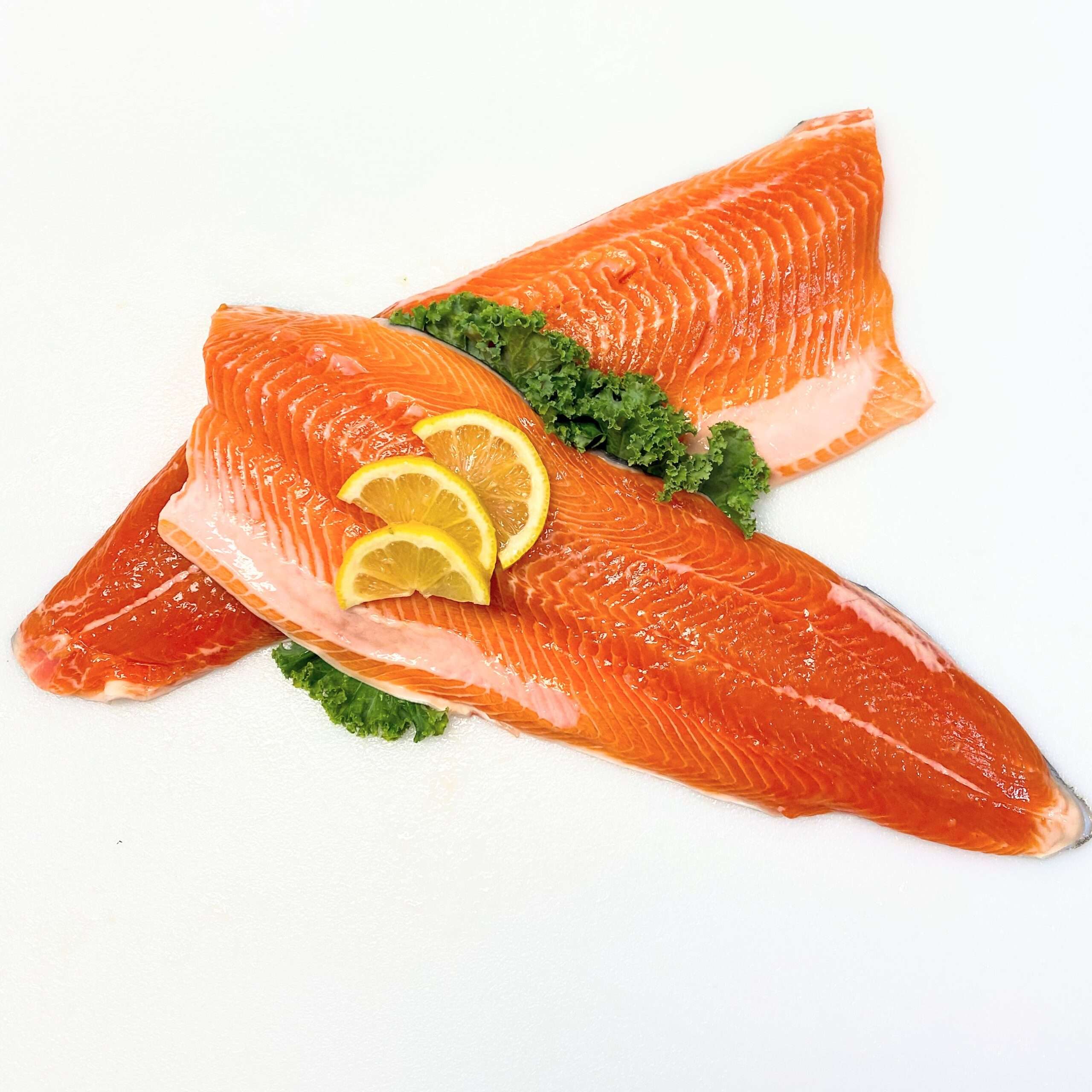
- Explanation: Canola oil is a vegetable oil made from the seeds of the canola plant, which has bright yellow flowers. It is widely used in cooking because it has a neutral taste and is healthy.
- Example: Use canola oil for frying because it can handle high heat without burning.
- Context: The name "Canola" stands for "CANadian Oil, Low Acid," as it was developed by Canadian scientists in the 1970s.
23. Heritage Carrots
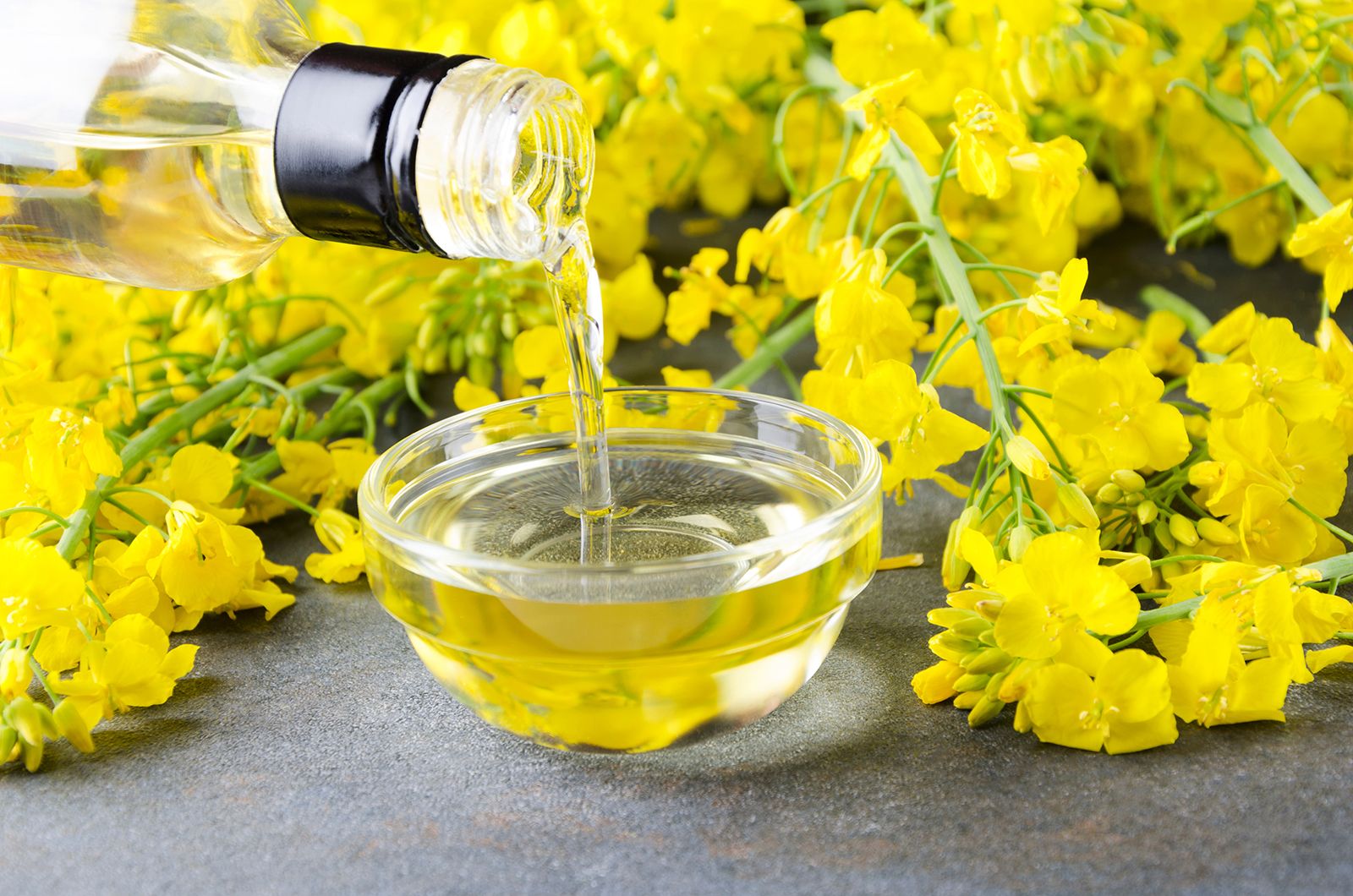
- Explanation: These are traditional varieties of carrots that come in many colors like purple, yellow, and white. They often have a more intense flavor than the standard orange supermarket carrot.
- Example: The roasted heritage carrots made the dinner plate look like a rainbow of colors.
- Context: Growing heritage vegetables is a way for Canadian farmers to preserve agricultural diversity and offer unique flavors to chefs.
24. Venison
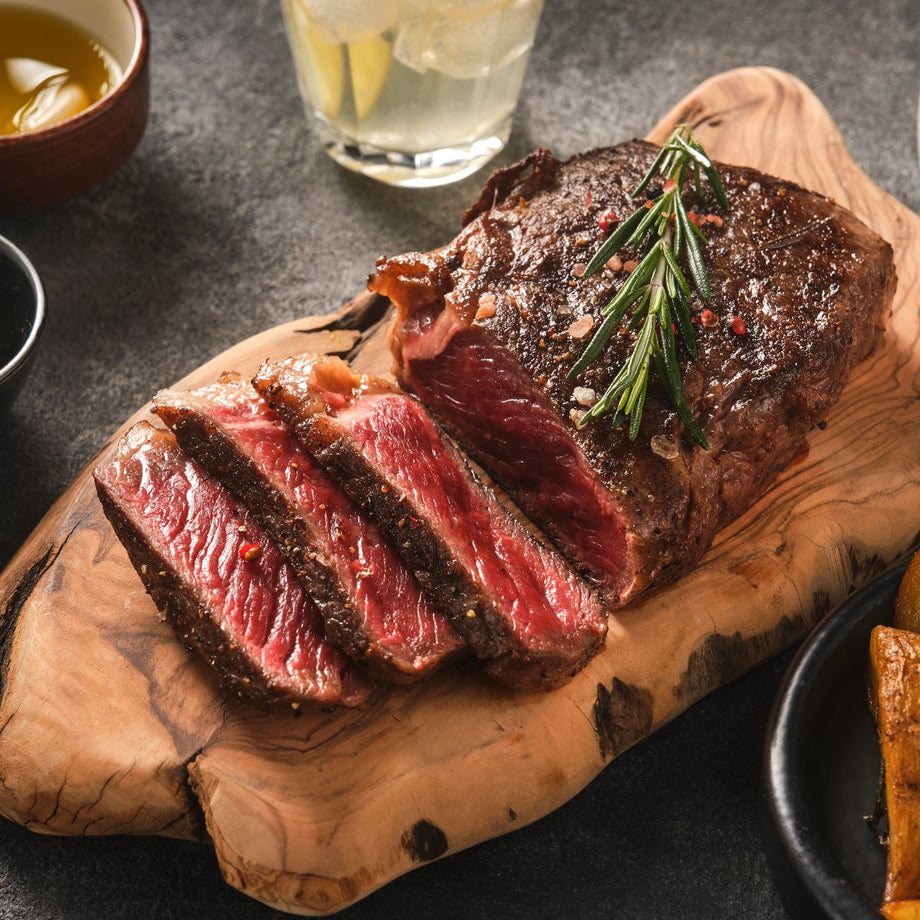
- Explanation: Venison is the meat of a deer. It is a very lean red meat that is typically served as steaks or "medallions" and is often paired with fruit-based sauces.
- Example: The chef served the venison medallions with a rich red wine and juniper berry sauce.
- Context: Like bison, venison is part of the tradition of "wild game" cooking that is very popular in Canadian lodges and fine-dining restaurants.
25. Sea Parsley
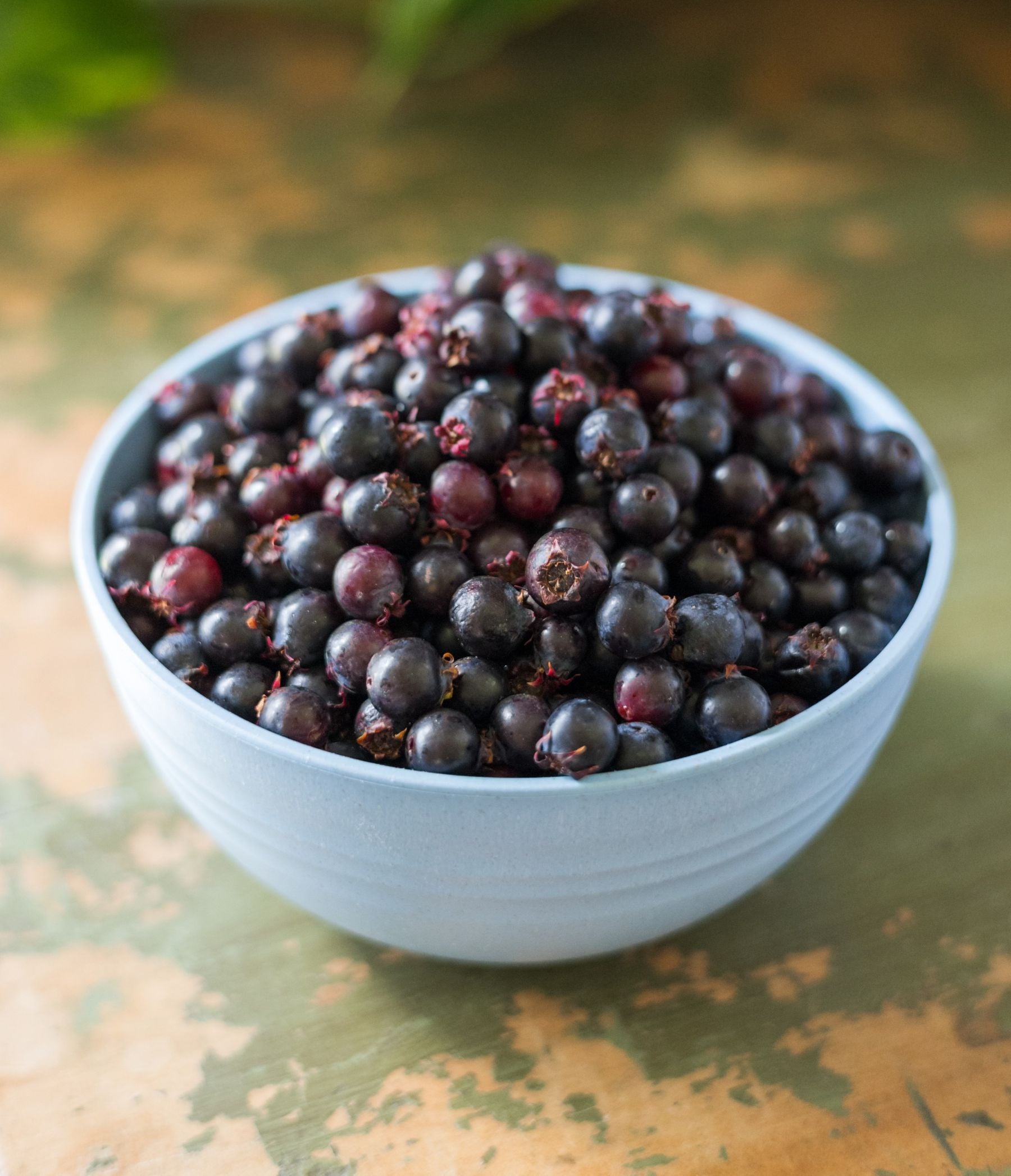
- Explanation: This is a wild herb that grows along the Canadian coastlines. It looks like regular parsley but has a salty, sea-like flavor and is used to season seafood dishes.
- Example: A garnish of fresh sea parsley added a salty crunch to the fish tacos.
- Context: Using wild coastal herbs is part of the modern focus on "terroir," or the unique flavors of the local landscape.
26. Partridgeberries
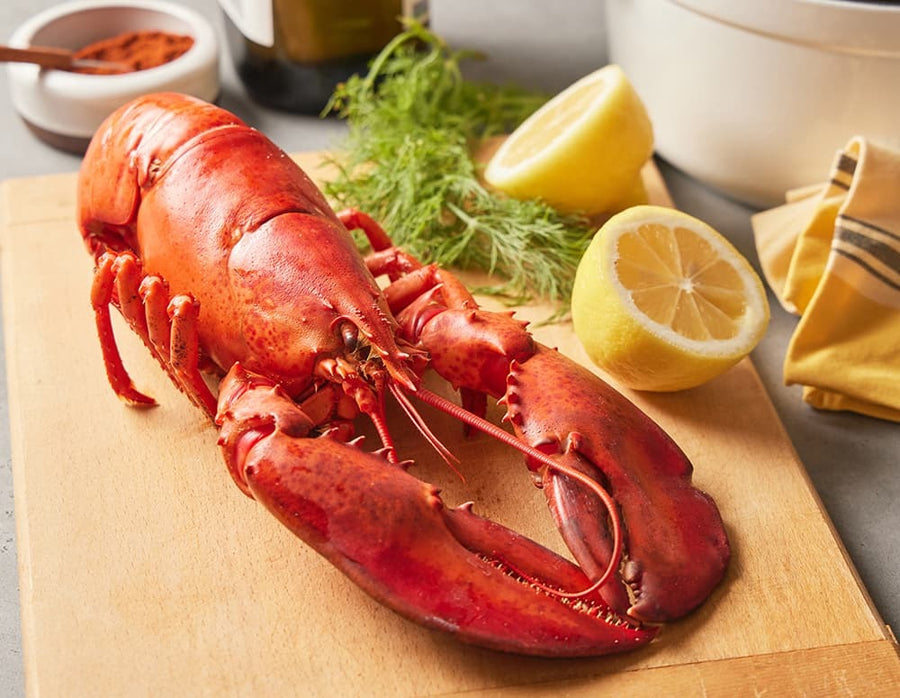
- Explanation: These are small, tart red berries that grow in the barrens of Newfoundland and Labrador. They are similar to lingonberries and are used in jams and desserts.
- Example: We had partridgeberry jam on our toast for breakfast in St. John's.
- Context: These berries are a crucial part of the food culture in Newfoundland, where they are harvested from the wild every autumn.
27. Cloudberries (Bakeapples)
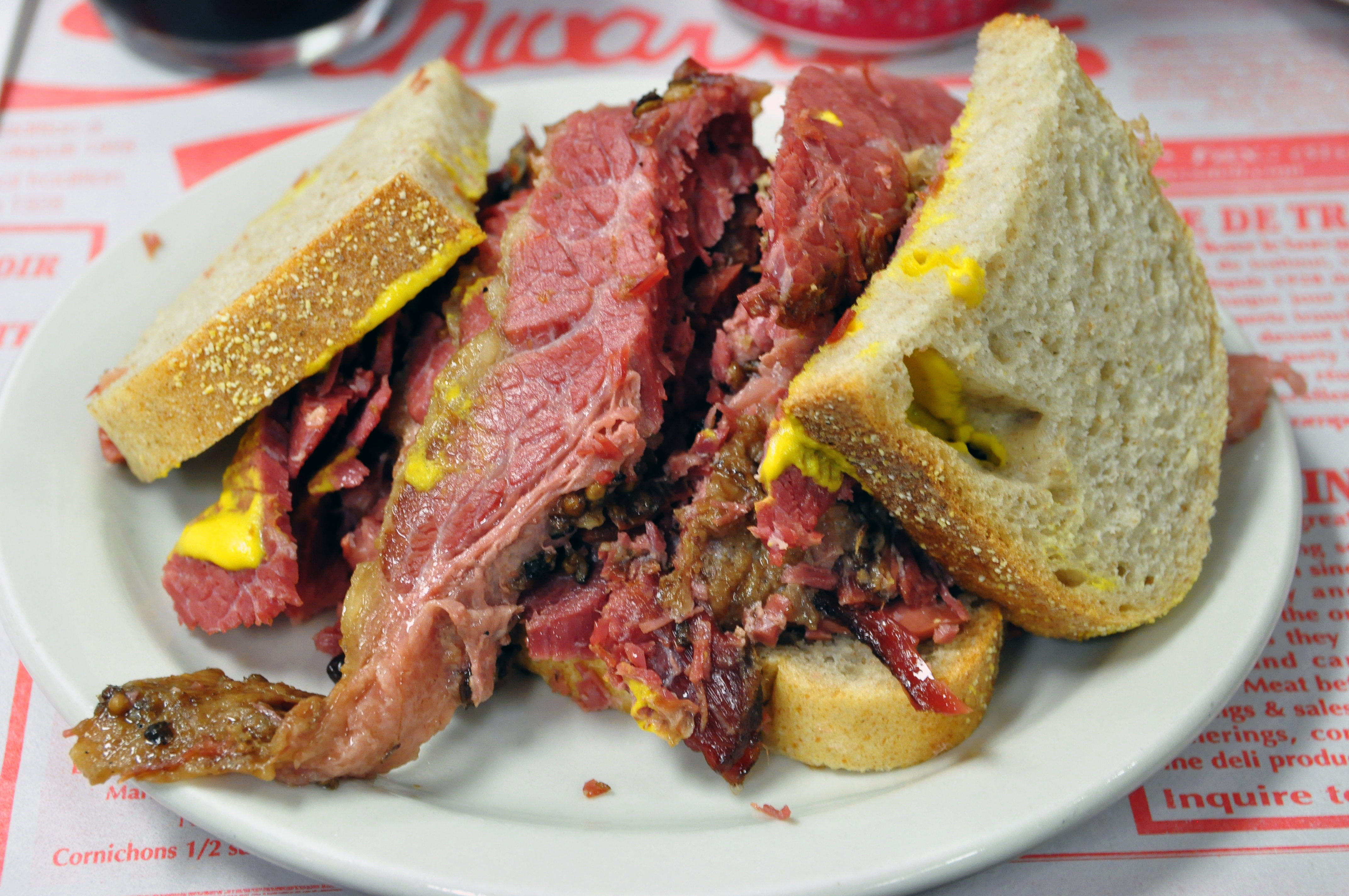
- Explanation: Cloudberries are rare, golden-orange berries that grow in boggy, northern areas. They have a complex, creamy flavor that some people say tastes like honey and baked apples.
- Example: Cloudberry cheesecake is a luxury dessert because the berries are so difficult to find.
- Context: In Newfoundland, they are called "bakeapples," and they are highly valued because they are only found in remote, wild locations.
28. Snow Crab

- Explanation: This is a large crab with very long, thin legs. The meat inside the legs is sweet, white, and very tender, often served with melted butter.
- Example: We spent the evening cracking open snow crab legs at a seafood feast.
- Context: Snow crab is one of Canada's most valuable seafood exports, fished in the cold waters of the Atlantic and the Gulf of St. Lawrence.
29. Alberta Beef

- Explanation: Alberta beef refers to high-quality cattle raised on the vast grasslands of the province of Alberta. It is famous for its tenderness and rich marbling (fat content).
- Example: For my birthday dinner, I ordered a thick Alberta beef ribeye steak.
- Context: Alberta is the heart of Canada's cattle industry, and its beef is recognized internationally as some of the best in the world.
30. Rhubarb
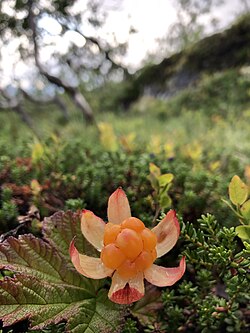
- Explanation: Rhubarb is a plant with long, sour red stalks. Because it is very tart, it is almost always cooked with a lot of sugar to make pies, crumbles, and jams.
- Example: The strawberry-rhubarb pie is a classic Canadian summer dessert.
- Context: Rhubarb is one of the first plants to grow in Canadian gardens in the spring, making it a traditional signal that the winter is over.
A Visual Guide to Modern Canadian Ingredients: B1 ESL Vocabulary
This illustrated guide is designed for B1 level English students to explore the unique and sophisticated ingredients that define modern Canadian cuisine. From the northern tundra to the coastal oceans, these terms are essential for understanding today's Canadian food culture.
1. Haskap Berries
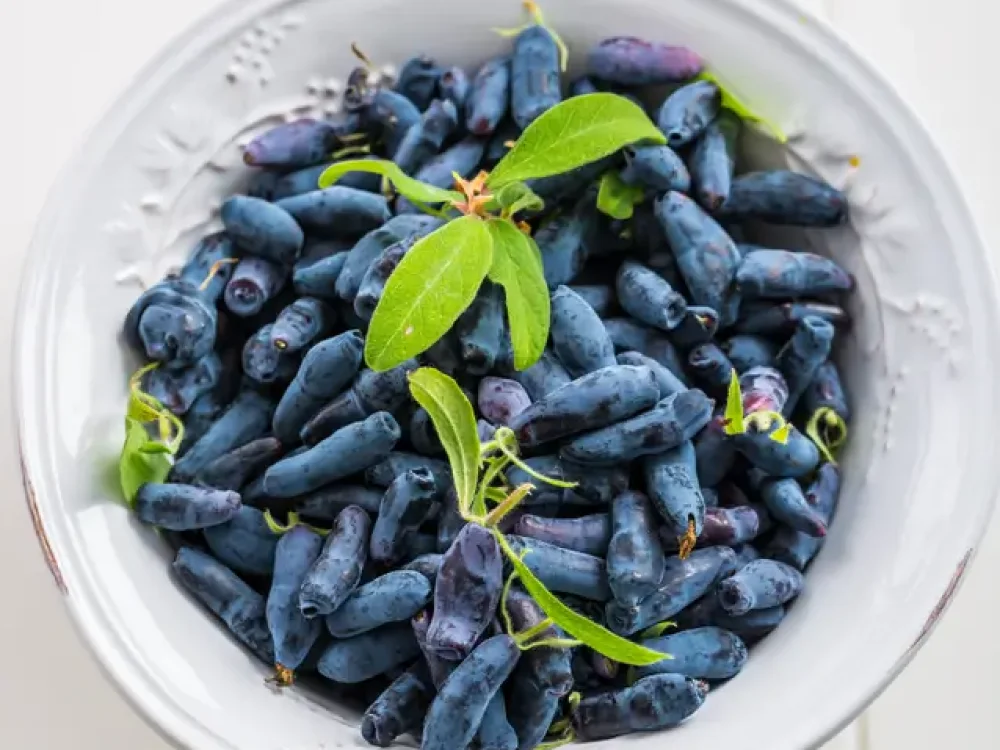
- Explanation: These are small, dark blue berries shaped like tiny cylinders. They have a unique taste that is a mix of blueberry, raspberry, and elderberry.
- Example: The pastry chef decorated the tart with fresh haskap berries and a white chocolate drizzle.
- Context: Haskaps are a "superfood" that has recently become very popular in Canadian agriculture because they grow well in cold climates.
2. Cloudberries
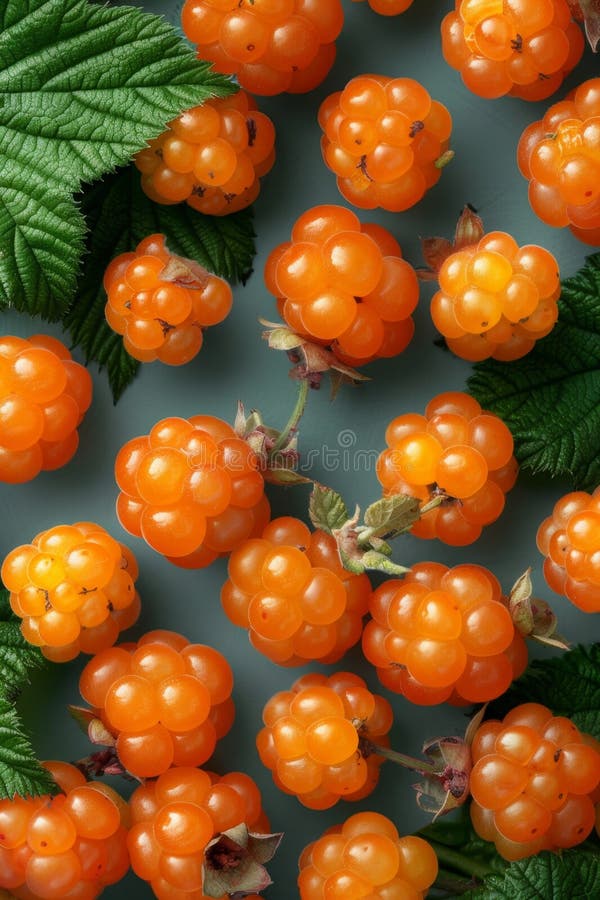
- Explanation: Often called "Bakeapples" in Newfoundland, these rare orange berries grow in wet, boggy areas. They have a unique, creamy texture and a tart (sour) taste.
- Example: We enjoyed a rare treat of cloudberry jam on warm, buttered toast.
- Context: Because they are difficult to find and harvest, they are considered one of the most expensive and luxury berries in Canada.
3. Saskatoon Berries
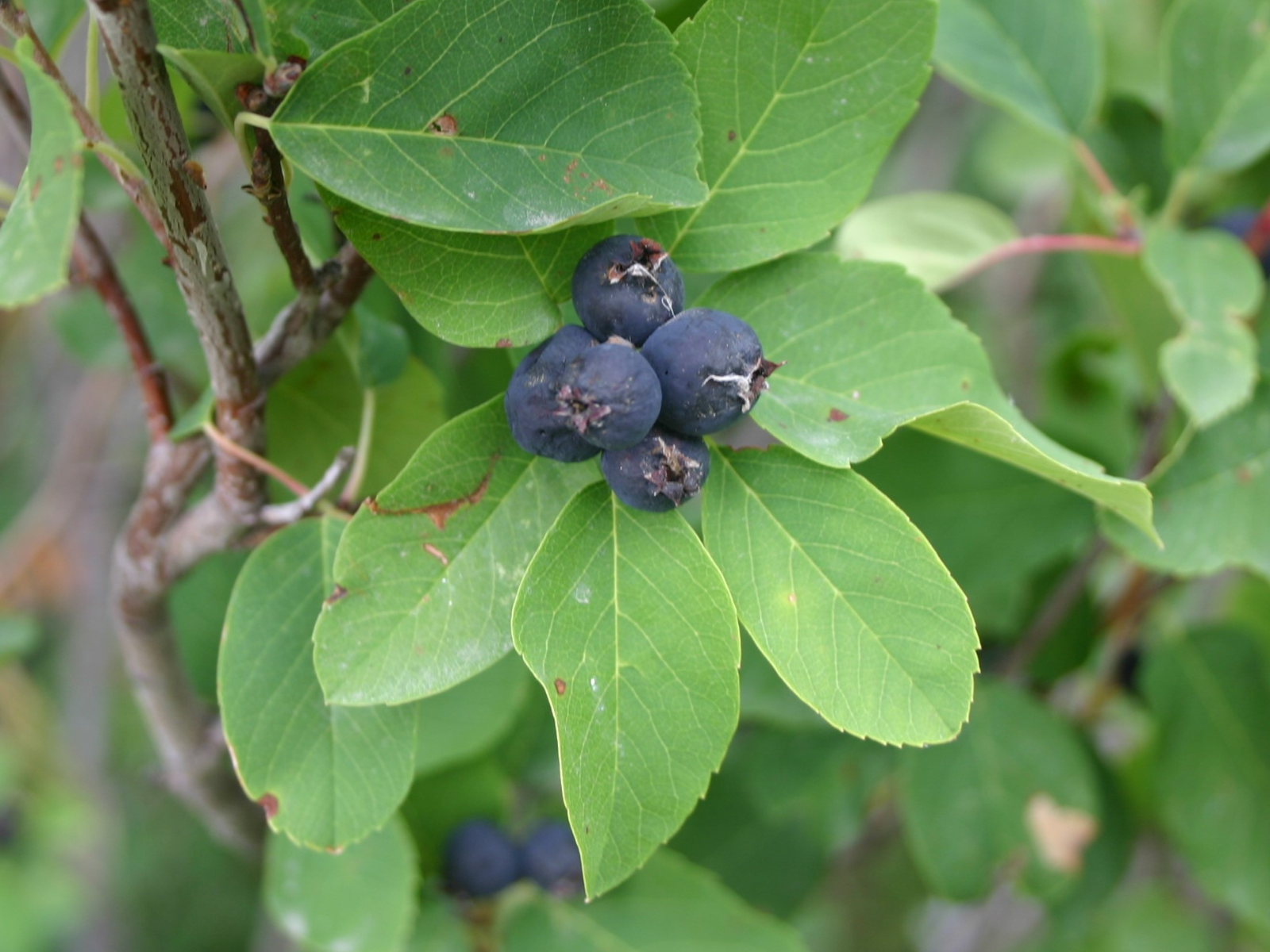
- Explanation: These look like blueberries but taste more like sweet almonds. They are a signature fruit of the Canadian Prairie provinces.
- Example: My grandmother makes the best Saskatoon berry pie with a flaky, buttery crust.
- Context: These berries are so important to the region that the city of Saskatoon in Saskatchewan is named after them.
4. Sea Buckthorn
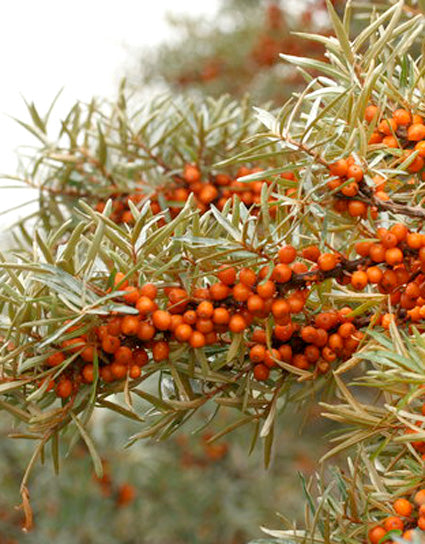
- Explanation: These are bright orange berries that grow on thorny bushes near the coast. They are extremely sour and are famous for their very high Vitamin C content.
- Example: The chef used sea buckthorn juice to create a bright, acidic sauce for the grilled fish.
- Context: In modern Canadian cooking, they are often used to add a sharp "pop" of acidity to balanced desserts or savory dishes.
5. Wild Blueberries
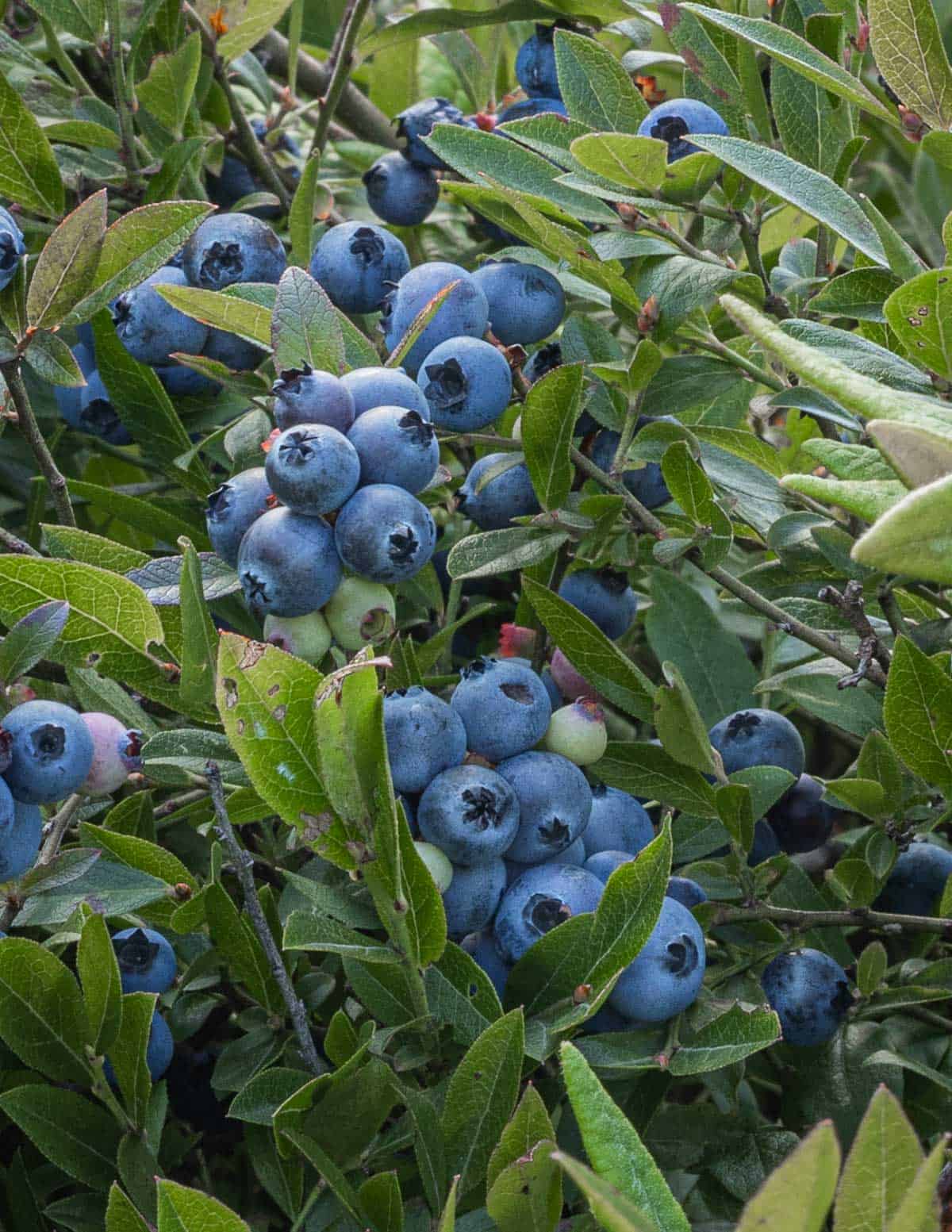
- Explanation: These are much smaller than regular store-bought blueberries. They grow wild in Quebec and the Atlantic provinces and have a much more intense, sweet flavor.
- Example: I love adding a handful of frozen wild blueberries to my morning oatmeal.
- Context: Foraging for wild blueberries is a popular summer tradition for many families in Eastern Canada.
6. Bison
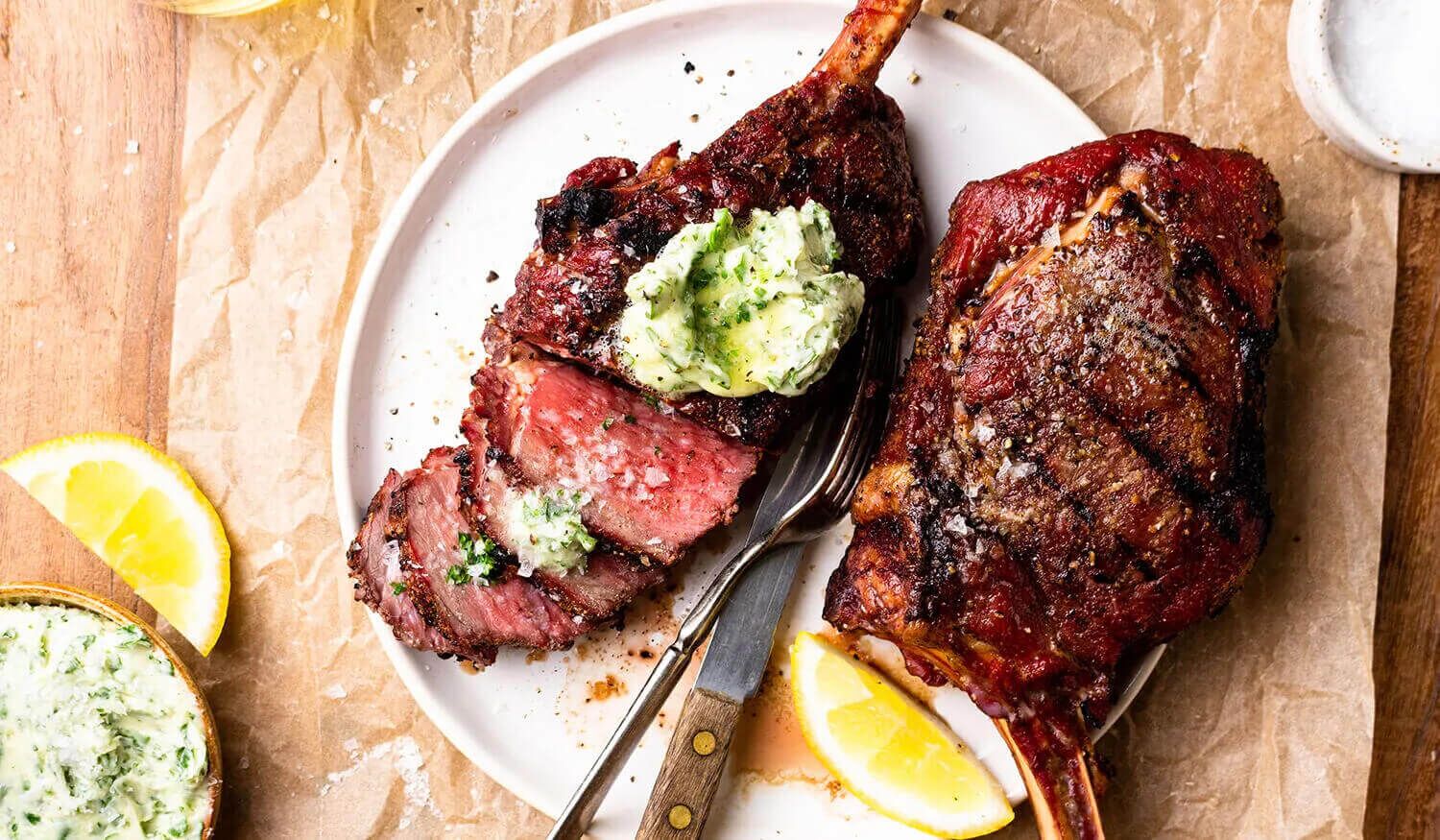
- Explanation: This is a large animal native to the Canadian prairies, similar to a cow. The meat is leaner (less fat) than beef and has a slightly sweeter, richer flavor.
- Example: The restaurant specializes in bison steaks served with a Saskatoon berry reduction.
- Context: Bison was a primary food source for Indigenous peoples for thousands of years and is now a popular "heritage" meat in modern Canadian kitchens.
7. Venison
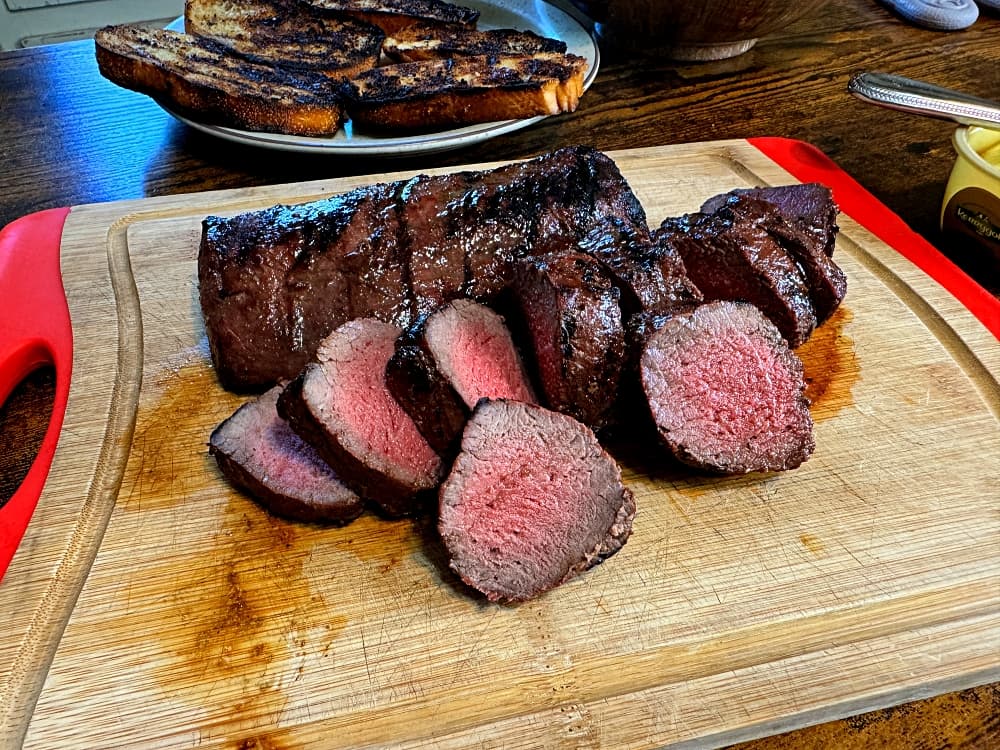
- Explanation: Venison is the meat of a deer. In contemporary restaurants, it is prized for being very tender and having a "gamey" or earthy flavor.
- Example: For the main course, we had roasted venison medallions with a red wine glaze.
- Context: Venison is often paired with forest-foraged ingredients like mushrooms and berries to highlight its wild origins.
8. Moose Stew
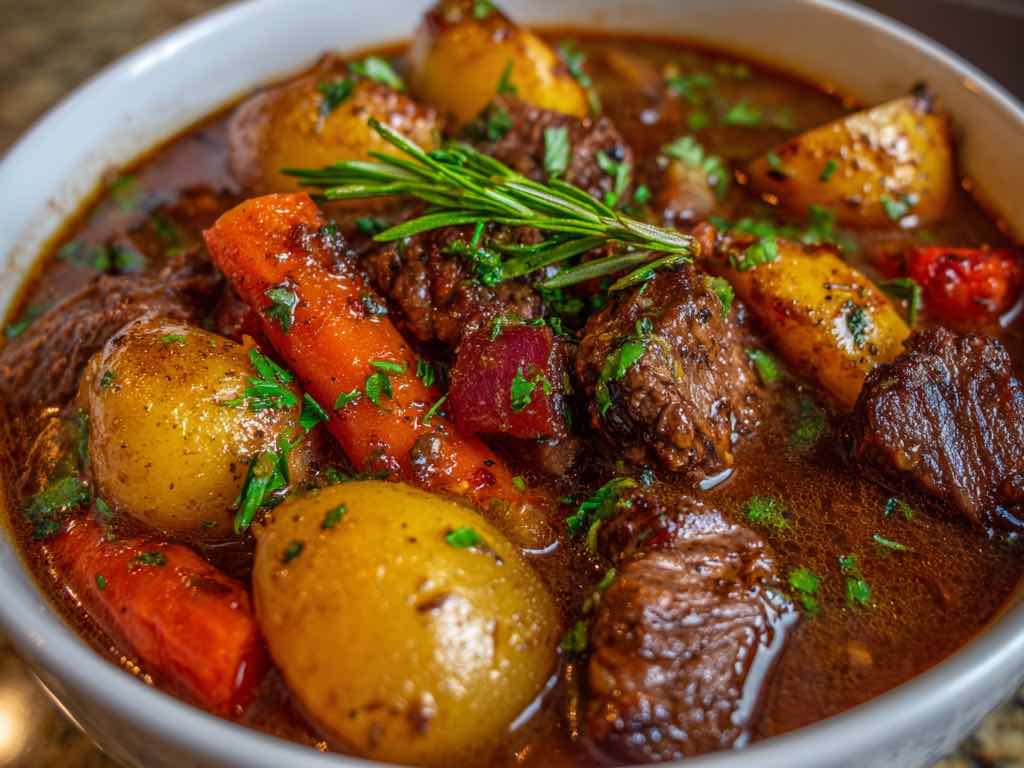
- Explanation: Moose is a very traditional meat in Northern and Eastern Canada. It has a dark, strong flavor and is usually slow-cooked to make it tender.
- Example: After a long day of hiking, a hot bowl of moose stew was exactly what we needed.
- Context: Moose meat is often shared among community members in Northern regions as part of a traditional land-based lifestyle.
9. Elk Burger
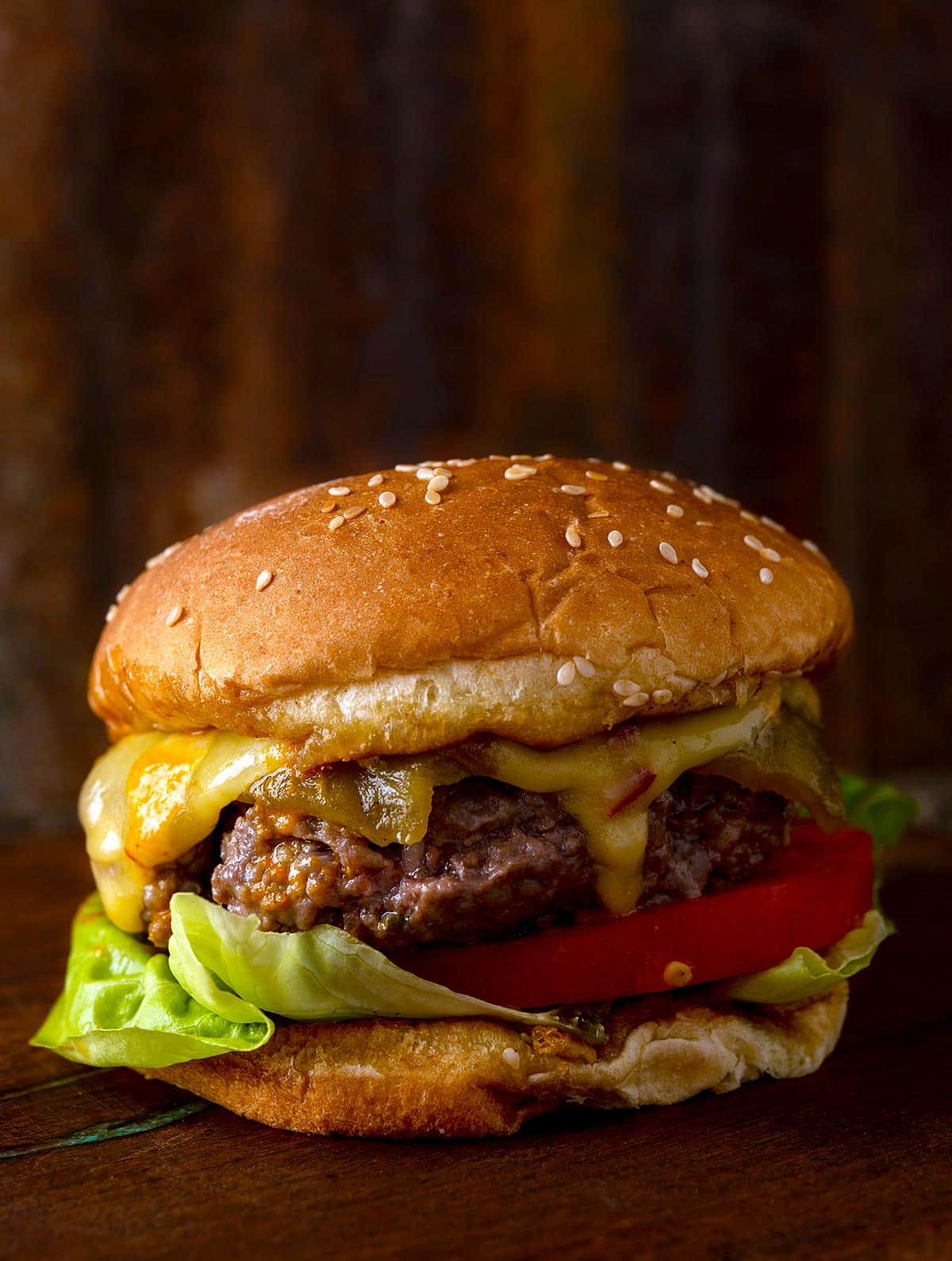
- Explanation: Elk meat is similar to venison but is generally milder and more tender. It is a popular choice for high-quality, leaner burgers in mountain resorts.
- Example: I ordered an elk burger with goat cheese and caramelized onions for lunch.
- Context: Elk is a sustainable alternative to beef that is commonly found on menus in Western Canada.
10. Harp Seal Carpaccio
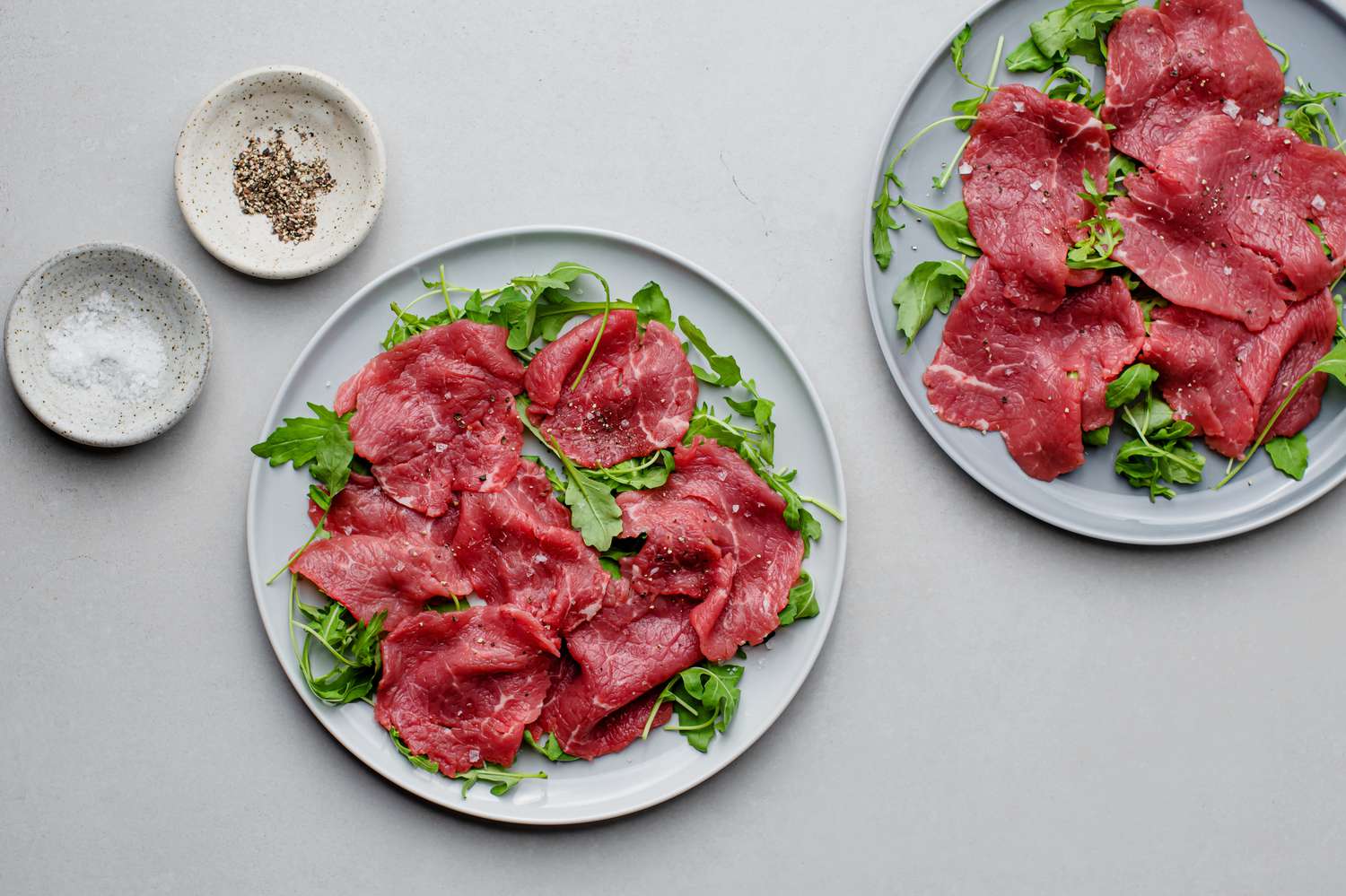
- Explanation: Carpaccio refers to paper-thin slices of raw meat. Seal meat is very dark, extremely high in iron, and has a flavor that some compare to both beef and fish.
- Example: The adventurous diner tried the seal carpaccio seasoned with sea salt and oil.
- Context: Seal is a traditional Inuit and coastal food source that modern chefs are now incorporating into fine-dining menus in Quebec and Newfoundland.
11. Arctic Char
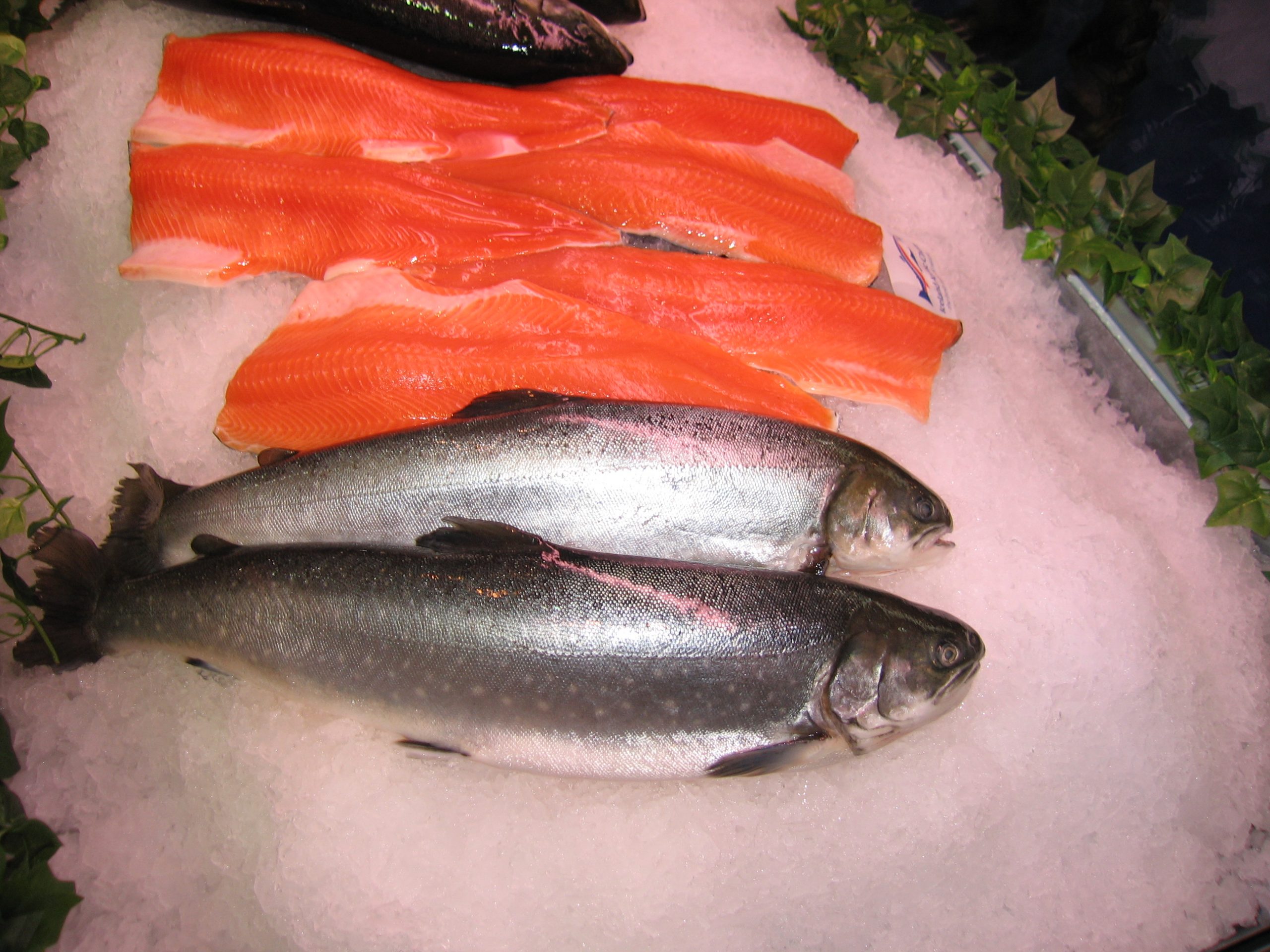
- Explanation: This fish lives in the cold waters of the North and is related to both salmon and trout. It has a mild, buttery taste and beautiful pink-to-red flesh.
- Example: Pan-seared Arctic char is a lighter and more delicate alternative to Atlantic salmon.
- Context: Arctic Char is highly valued for being a sustainable seafood choice that thrives in the icy waters of the Canadian Arctic.
12. Spot Prawns
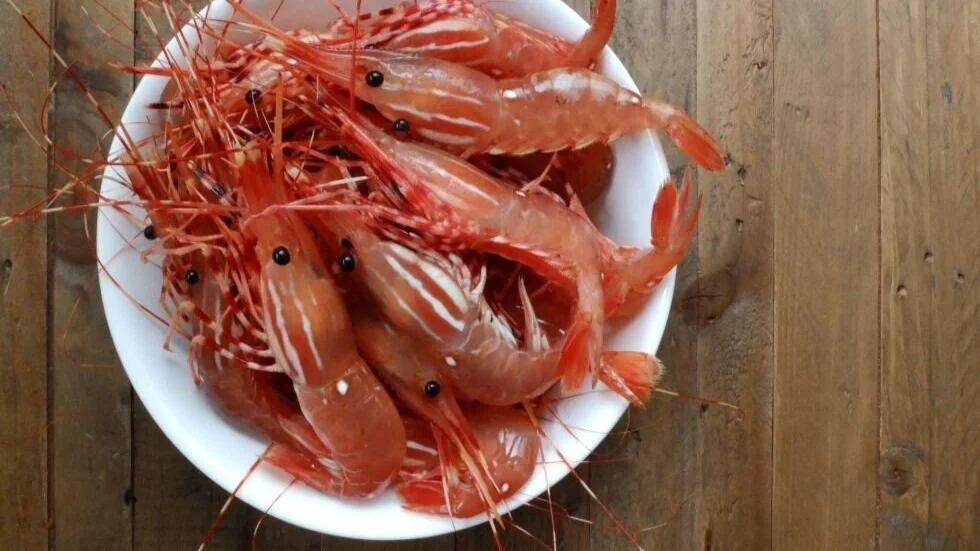
- Explanation: These are large shrimp found on the Pacific coast, famous for their sweet flavor and firm texture. They have distinct white spots on their shells.
- Example: We bought fresh spot prawns directly from the fisherman at the Granville Island docks.
- Context: The spot prawn season in British Columbia is very short, usually lasting only 6-8 weeks in the spring, making them a highly anticipated delicacy.
13. Dulse
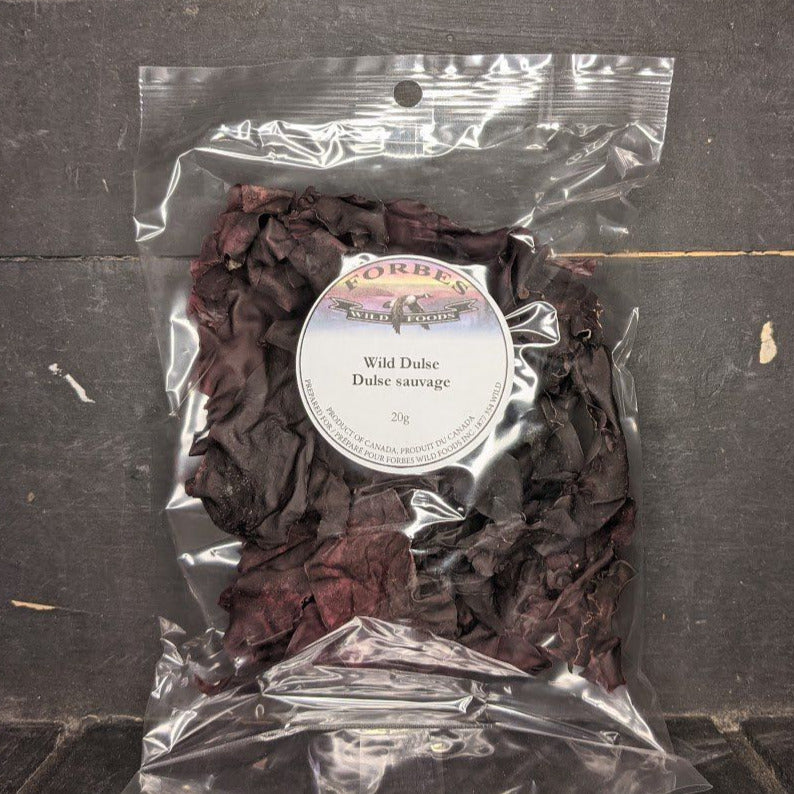
- Explanation: Dulse is a type of red seaweed harvested from the rocks of the Atlantic coast. It is dried and eaten as a salty, healthy snack or used as a seasoning.
- Example: Some chefs grind dried dulse into a powder to add a "taste of the sea" to their butter.
- Context: It is a traditional snack in the Maritime provinces, especially in New Brunswick's Bay of Fundy region.
14. Sockeye Salmon
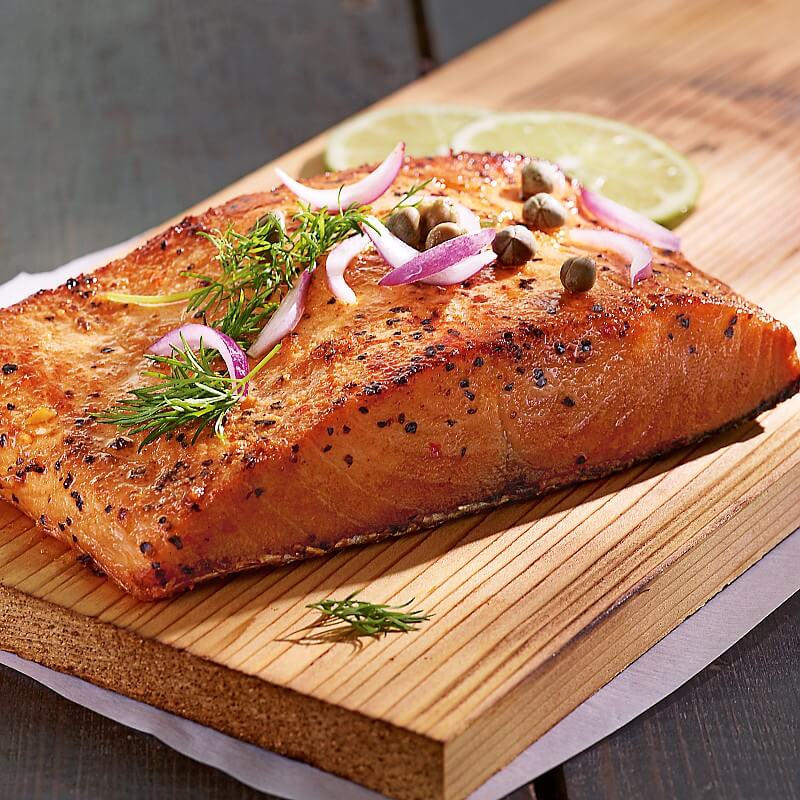
- Explanation: This is a species of Pacific salmon known for its intense deep red color and strong, rich flavor. It is a favorite for smoking or grilling.
- Example: The cedar-plank sockeye salmon had a smoky aroma and a perfect flaky texture.
- Context: Salmon is a central part of the ecology and spiritual life of West Coast Indigenous communities.
15. Digby Scallops
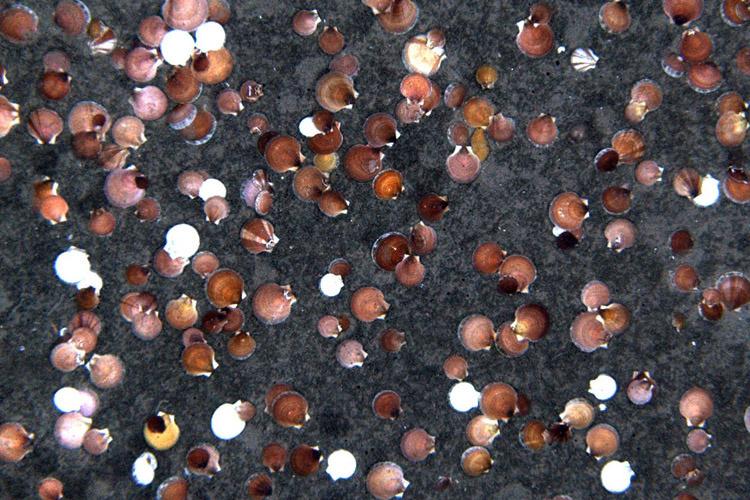
- Explanation: These are high-quality sea scallops from Digby, Nova Scotia. They are famous for being very large, sweet, and plump.
- Example: We enjoyed a plate of pan-seared Digby scallops with a simple lemon butter sauce.
- Context: Digby is often called the "Scallop Capital of the World" because of the rich fishing grounds nearby.
16. Fiddleheads
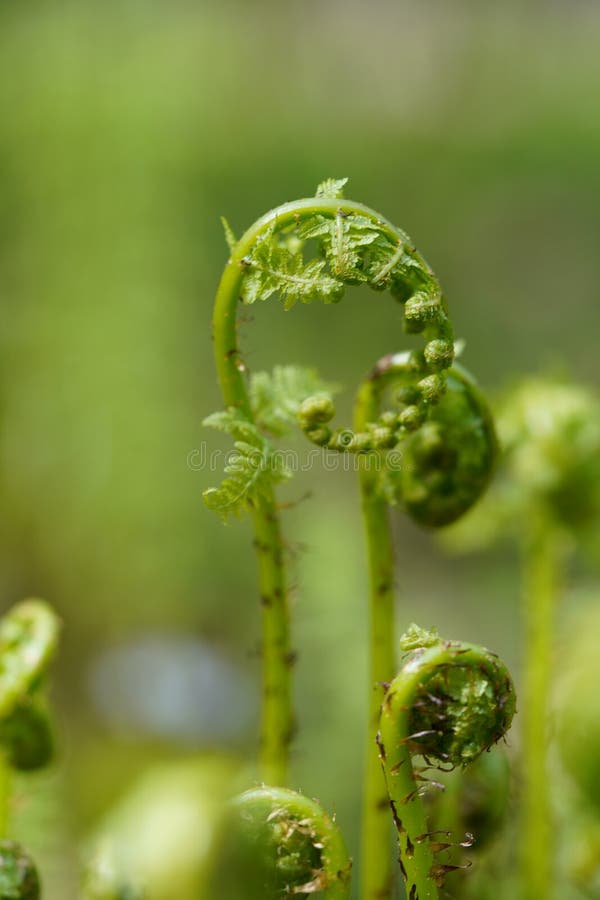
- Explanation: Fiddleheads are the curled tips of young ostrich ferns found in forests in the spring. They taste like a mix of asparagus and green beans.
- Example: Sautéed fiddleheads are a classic spring side dish that pairs perfectly with trout or salmon.
- Context: They are a seasonal delicacy that must be thoroughly washed and cooked before eating to ensure they are safe.
17. Atlantic Lobster
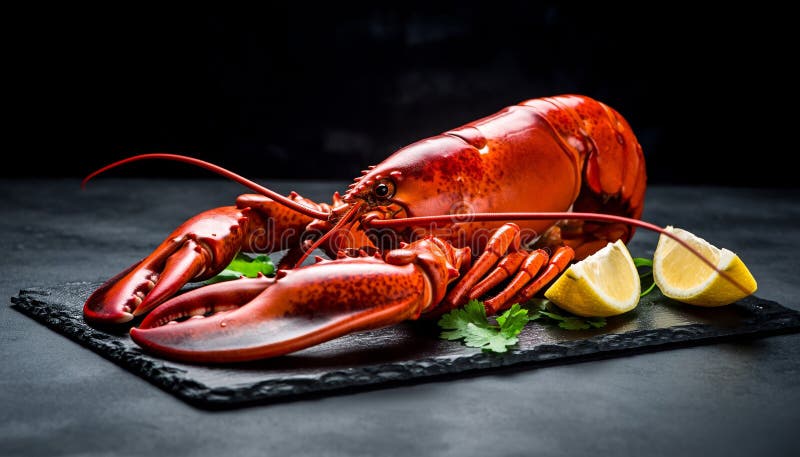
- Explanation: This is a luxury seafood item from the cold Atlantic waters. The meat is sweet and tender, usually served whole with melted butter or in lobster rolls.
- Example: We shared a fresh lobster feast while overlooking the harbor in Prince Edward Island.
- Context: Lobster was once so common in the Maritimes that it was used as fertilizer; today, it is one of Canada's most prized exports.
18. Birch Syrup

- Explanation: Made from the sap of birch trees, this syrup is much harder to produce than maple syrup. It has a dark, savory, and slightly spicy taste, similar to balsamic vinegar.
- Example: The chef used birch syrup as a glaze for the roasted duck breast.
- Context: It takes 100 liters of sap to make just 1 liter of birch syrup, making it a rare and expensive gourmet product.
19. Ice Cider
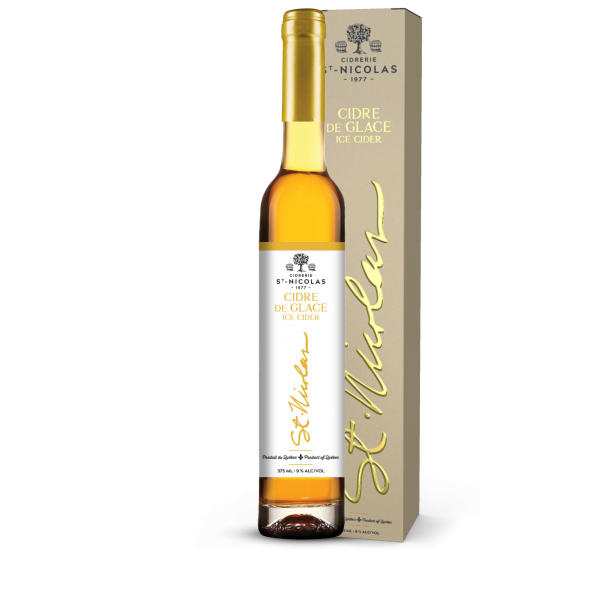
- Explanation: This is a sweet dessert wine from Quebec made from apples that have frozen on the tree. The freezing concentrates the sugars, creating a thick, golden liquid.
- Example: We served a small glass of chilled ice cider at the end of our dinner party.
- Context: Developed in the 1990s, ice cider is a modern Canadian invention that turns the cold winter climate into a culinary advantage.
20. Spruce Tips

- Explanation: These are the soft, light-green ends of spruce tree branches that appear in spring. They have a bright, citrusy flavor that tastes like lemon and pine.
- Example: I used chopped spruce tips to flavor the salt for a unique forest-inspired seasoning.
- Context: Using spruce tips is a key part of the "boreal forest" trend in Canadian cuisine, where chefs look to the local landscape for inspiration.
21. Labrador Tea
- Explanation: This is a wild plant used for centuries by Indigenous peoples. It has a herbal, woody flavor and is used today as a tea or to infuse creams and sauces.
- Example: The dessert was a light mousse infused with the delicate scent of Labrador tea.
- Context: It is known for its medicinal properties and its ability to thrive in the harsh environments of the Canadian North.
22. Morel Mushrooms
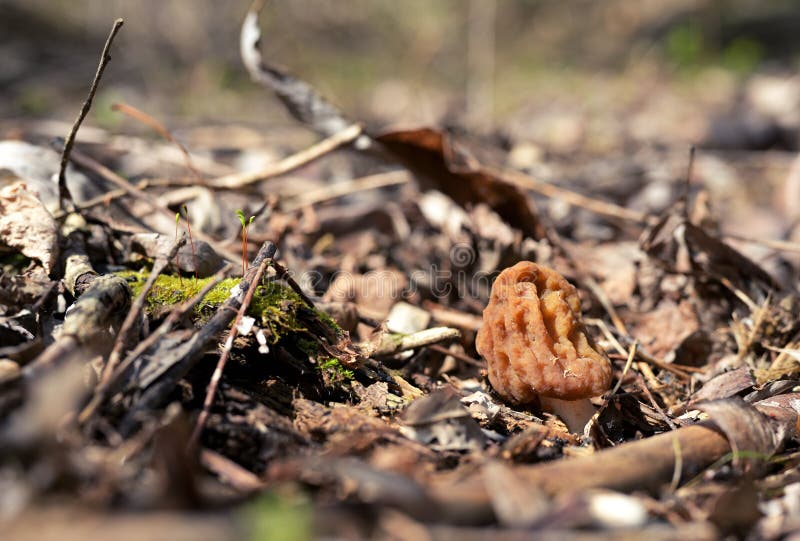
- Explanation: These are wild mushrooms with a distinct "honeycomb" cap. They are very expensive and have a deep, earthy, and nutty flavor.
- Example: We found a few morels while walking in the forest and sautéed them with garlic and butter.
- Context: Morels often grow in forest areas that have recently been burned by fires, making them a mysterious and prized find for foragers.
23. Chanterelle Mushrooms
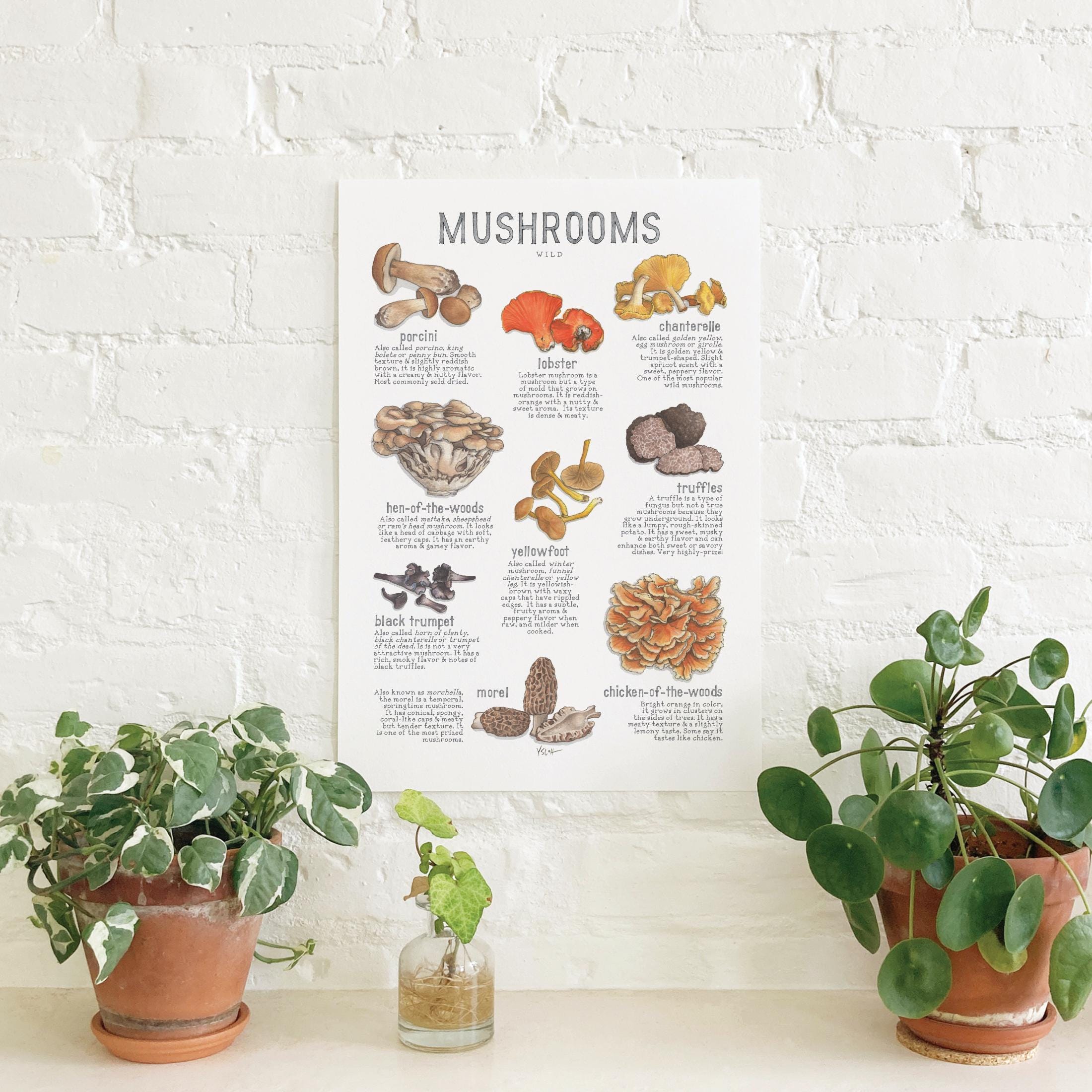
- Explanation: These are beautiful golden mushrooms found in Canadian forests. They have a fruity smell, similar to apricots, and a slightly peppery taste.
- Example: The creamy pasta dish was topped with a generous serving of fresh chanterelles.
- Context: Foraging for chanterelles is a popular late-summer activity for both amateur and professional chefs across Canada.
24. Red Fife Wheat
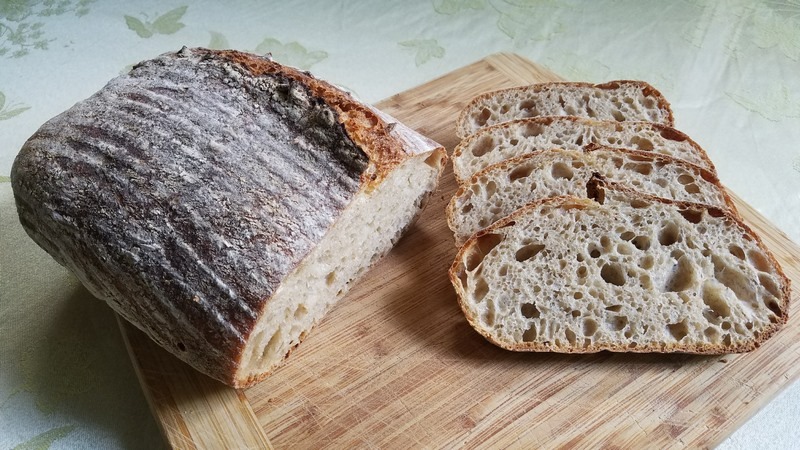
- Explanation: This is a "heritage" type of wheat from Canada that was almost lost. It is now popular in high-end bakeries for its deep, nutty flavor and historical importance.
- Example: The artisanal bakery makes a hearty sourdough loaf using only local Red Fife flour.
- Context: Red Fife was the first truly successful wheat variety in Canada and is named after David Fife, the farmer who first grew it in 1842.
25. Cedar Plank Salmon
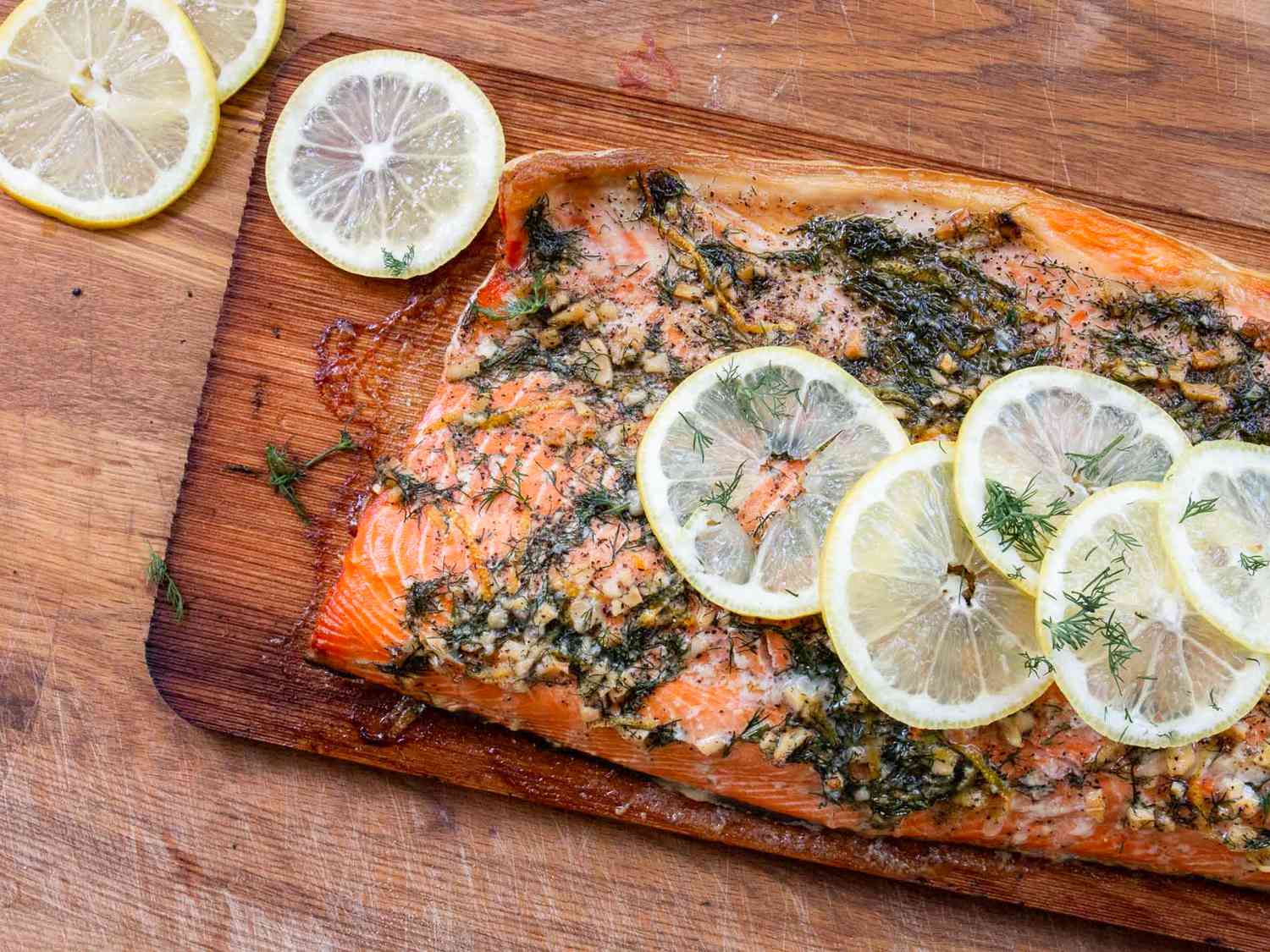
- Explanation: This is a cooking method where a fish fillet is placed on a piece of cedar wood and grilled. The wood releases a fragrant, forest-like smoke into the fish.
- Example: Grilling salmon on a cedar plank is a favorite way to prepare dinner during a Canadian summer.
- Context: This technique is inspired by the traditional cooking methods of Indigenous peoples on the Pacific coast.
26. Camelina Oil

- Explanation: Sometimes called "Northland Olive Oil," this is made from seeds grown in the Prairies. It has a nutty, grassy taste and is very high in healthy Omega-3 fats.
- Example: I used camelina oil to make a fresh salad dressing with lemon and honey.
- Context: Camelina is an ancient crop that has been rediscovered by Canadian farmers as a sustainable and healthy oil alternative.
27. Wild Ginger
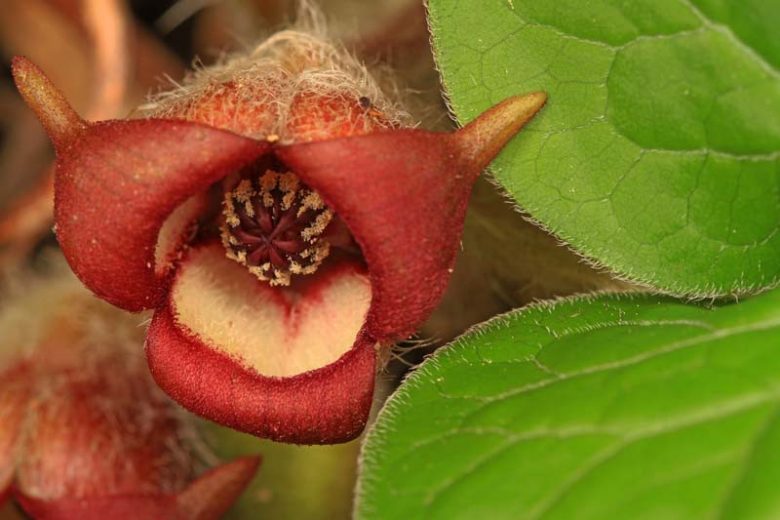
- Explanation: Unlike common tropical ginger, this variety grows in Canadian forests. It is much milder and is used to add a delicate spicy scent to food.
- Example: The chef added a small amount of wild ginger root to the poaching liquid for the pears.
- Context: It is easily identified by its unique heart-shaped leaves and low-growing habit in shady forest floors.
28. Balsam Fir Syrup
- Explanation: This is a syrup made by infusing the needles of the balsam fir tree. It gives dishes a fresh, wintery taste of the Canadian forest.
- Example: A drizzle of balsam fir syrup over vanilla ice cream is a surprisingly delicious and aromatic dessert.
- Context: Using tree-derived flavors is a hallmark of the "New Canadian" culinary movement which seeks to capture the taste of the wilderness.
29. Prairie Honey

- Explanation: This honey comes from the vast wildflower and clover fields of the Canadian prairies. It is known for its light color and delicate, floral taste.
- Example: This jar of prairie honey is perfect for sweetening a cup of herbal tea.
- Context: Canada is a major producer of high-quality honey, with the prairie provinces providing the ideal environment for bees to thrive.
30. Heritage Carrots
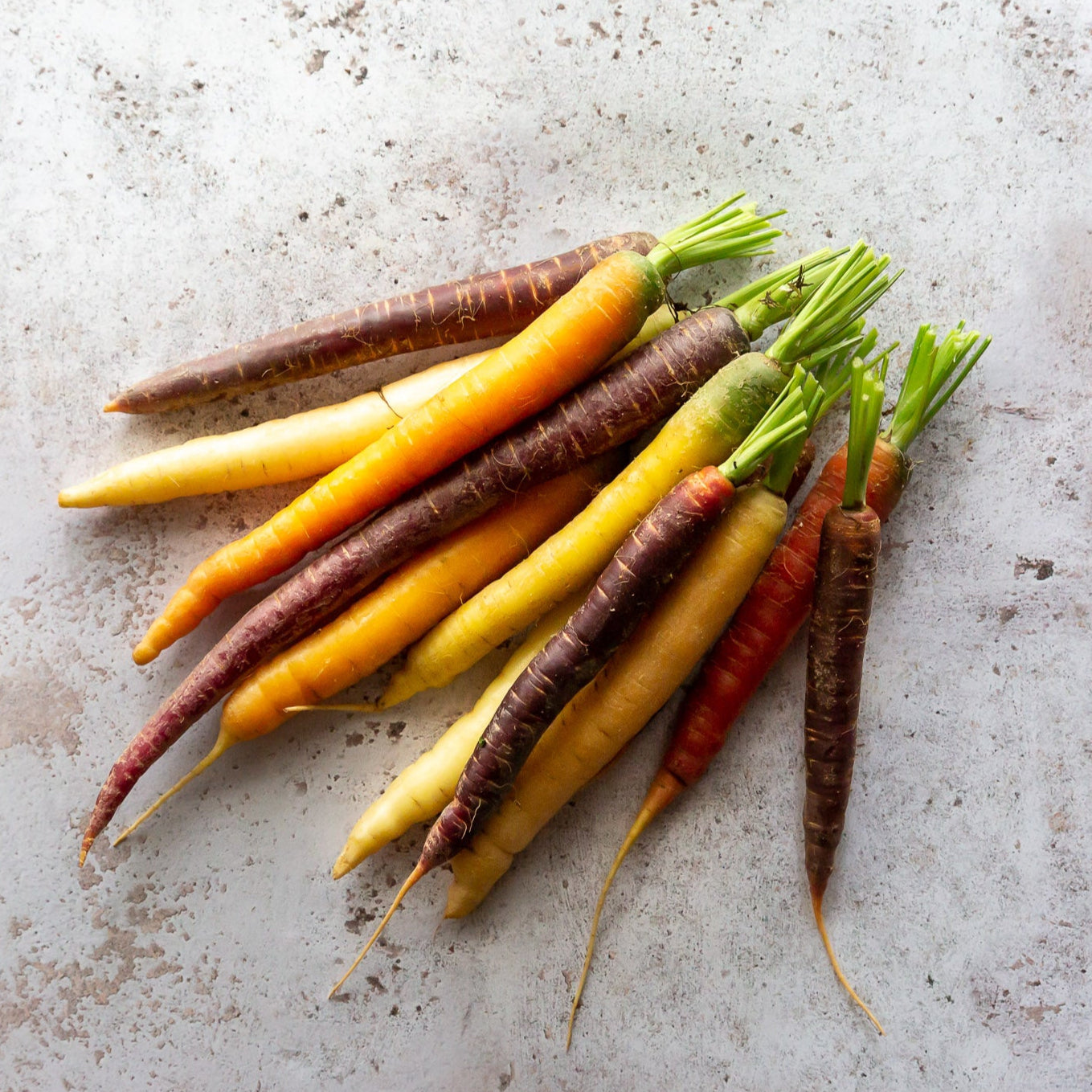
- Explanation: These are traditional varieties of carrots that come in many colors like purple, yellow, and white. They often have a more intense flavor than standard orange carrots.
- Example: We roasted a tray of multi-colored heritage carrots with honey and thyme for the holiday dinner.
- Context: Heritage vegetables are prized by modern chefs for their visual beauty and for preserving agricultural diversity.
Визуальный гид по современным канадским ингредиентам: Словарный запас для уровня B1
Этот иллюстрированный гид поможет студентам уровня B1 изучить уникальные и изысканные ингредиенты, которые определяют современную канадскую кухню. От северной тундры до океанских побережий — эти термины необходимы для понимания сегодняшней гастрономической культуры Канады.
1. Жимолость (Хаскап)

- Объяснение: Это небольшие темно-синие ягоды цилиндрической формы. У них уникальный вкус, напоминающий смесь черники, малины и бузины.
- Пример: Шеф-кондитер украсил торт свежими ягодами жимолости и глазурью из белого шоколада.
- Контекст: Хаскап считается «суперфудом». Эти ягоды стали очень популярны в канадском сельском хозяйстве, так как они отлично растут в холодном климате.
2. Морошка

- Объяснение: На Ньюфаундленде эту ягоду часто называют «Bakeapples». Это редкая оранжевая ягода, которая растет в болотистой местности. У нее кремовая текстура и терпкий (кислый) вкус.
- Пример: Нам посчастливилось попробовать редкое варенье из морошки с теплым тостом и маслом.
- Контекст: Поскольку морошку трудно найти и собирать, она считается одной из самых дорогих и элитных ягод в Канаде.
3. Ирга (Саскатун)

- Объяснение: Эти ягоды похожи на чернику, но по вкусу больше напоминают сладкий миндаль. Это знаковый плод канадских прерий.
- Пример: Моя бабушка печет лучший пирог с иргой, у которого очень нежное и рассыпчатое тесто.
- Контекст: Эти ягоды настолько важны для региона, что город Саскатун в провинции Саскачеван был назван именно в их честь.
4. Облепиха

- Объяснение: Это ярко-оранжевые ягоды, растущие на колючих кустарниках у побережья. Они очень кислые и знамениты чрезвычайно высоким содержанием витамина C.
- Пример: Шеф-повар использовал облепиховый сок, чтобы создать яркий кислый соус для рыбы на гриле.
- Контекст: В современной канадской кухне облепиху часто используют, чтобы добавить резкую кислоту в десерты или мясные блюда.
5. Дикая черника

- Объяснение: Дикая черника намного меньше обычной садовой черники. Она растет в лесах Квебека и Атлантических провинций и обладает очень насыщенным сладким вкусом.
- Пример: Мне нравится добавлять горсть замороженной дикой черники в утреннюю овсянку.
- Контекст: Сбор дикой черники — популярная летняя традиция для многих семей в Восточной Канаде.
6. Бизон

- Объяснение: Бизон — это крупное животное, обитающее в канадских прериях, похожее на быка. Мясо бизона более постное (меньше жира), чем говядина, и имеет более сладкий, насыщенный вкус.
- Пример: В ресторане подают сочные бургеры из бизона с луковым конфитюром.
- Контекст: Бизон был основным источником пищи для коренных народов на протяжении тысяч лет, а сегодня это популярное «традиционное» мясо в современной кухне.
7. Оленина

- Объяснение: Оленина — это мясо оленя. В современных ресторанах оно ценится за нежность и характерный «дикий» или землистый вкус.
- Пример: На основное блюдо мы заказали медальоны из оленины с глазурью из красного вина.
- Контекст: Оленину часто подают с лесными грибами и ягодами, чтобы подчеркнуть её происхождение.
8. Рагу из лосятины

- Объяснение: Лосятина — традиционное мясо для северной и восточной Канады. Оно имеет темный цвет и сильный вкус; обычно его долго тушат, чтобы оно стало мягким.
- Пример: После долгого похода горячая тарелка рагу из лосятины была именно тем, что нам нужно.
- Контекст: Мясо лося часто распределяется между членами общины в северных регионах как часть традиционного образа жизни.
9. Бургер из элька

- Объяснение: Мясо элька похоже на оленину, но обычно оно мягче и нежнее. Это популярный выбор для постных бургеров премиум-класса на горных курортах.
- Example: Я заказал бургер из элька с козьим сыром и карамелизованным луком.
- Контекст: Эльк является экологичной альтернативой говядине и часто встречается в меню в Западной Канаде.
10. Карпаччо из тюленя

- Объяснение: Карпаччо — это очень тонко нарезанное сырое мясо. Мясо тюленя очень темное, богато железом и имеет вкус, который сравнивают одновременно с говядиной и рыбой.
- Пример: Смелый гурман попробовал карпаччо из тюленя с морской солью и маслом.
- Контекст: Тюлень — традиционная пища инуитов. Современные шеф-повара включают его в меню высокой кухни в Квебеке и на Ньюфаундленде.
11. Арктический голец

- Объяснение: Эта рыба живет в холодных северных водах и является родственником лосося и форели. У нее мягкий, маслянистый вкус и красивое розово-красное мясо.
- Пример: Обжаренный арктический голец — более нежная альтернатива атлантическому лососю.
- Контекст: Арктический голец ценится как экологически чистый морепродукт, добываемый в ледяных водах канадской Арктики.
12. Пятнистые креветки

- Объяснение: Это крупные креветки с тихоокеанского побережья, известные своим сладким вкусом и плотной текстурой. На их панцире видны четкие белые пятна.
- Пример: Мы купили свежие креветки прямо у рыбака в доках острова Грэнвилл.
- Контекст: Сезон пятнистых креветок в Британской Колумбии очень короткий (6-8 недель весной), поэтому их появления ждут с нетерпением.
13. Дульсе (Красные водоросли)

- Объяснение: Дульсе — это тип красных водорослей, собираемых на скалах Атлантического побережья. Их сушат и едят как соленую здоровую закуску или используют как приправу.
- Пример: Некоторые повара измельчают сушеные водоросли в порошок, чтобы добавить «вкус моря» в сливочное масло.
- Контекст: Это традиционная закуска в Приморских провинциях, особенно в регионе залива Фанди.
14. Нерка (Тихоокеанский лосось)

- Объяснение: Нерка — вид тихоокеанского лосося, известный своим глубоким красным цветом и насыщенным вкусом. Это идеальная рыба для копчения или гриля.
- Пример: Нерка, приготовленная на кедровой доске, имела потрясающий аромат дыма и нежную текстуру.
- Контекст: Лосось занимает центральное место в экологии и духовной жизни коренных народов Западного побережья.
15. Гребешки из Дигби

- Объяснение: Это высококачественные морские гребешки из городка Дигби, Новая Шотландия. Они славятся своим крупным размером и сладким вкусом.
- Пример: Мы наслаждались обжаренными гребешками под простым соусом из лимонного масла.
- Контекст: Дигби часто называют «мировой столицей гребешков» из-за богатых рыболовных угодий поблизости.
16. Побеги папоротника (Филдхедс)

- Объяснение: Это молодые, скрученные кончики папоротника-орляка, которые собирают в лесах весной. По вкусу они напоминают смесь спаржи и стручковой фасоли.
- Пример: Обжаренные побеги папоротника — классический весенний гарнир, который отлично сочетается с форелью.
- Контекст: Это сезонный деликатес. Перед употреблением их нужно тщательно мыть и обязательно отваривать.
17. Атлантический омар (Лобстер)

- Объяснение: Роскошный морепродукт из холодных атлантических вод. Мясо омара сладкое и нежное; его обычно подают целиком с растопленным маслом.
- Пример: Мы устроили настоящий пир с лобстерами, любуясь гаванью на Острове Принца Эдуарда.
- Контекст: Когда-то омары были настолько обычными, что их использовали как удобрение; сегодня это один из самых ценных экспортных товаров Канады.
18. Березовый сироп

- Объяснение: Этот сироп делают из сока березы. Его гораздо сложнее производить, чем кленовый. У него темный, пряный вкус, напоминающий бальзамический уксус.
- Пример: Шеф-повар использовал березовый сироп в качестве глазури для запеченной утиной грудки.
- Контекст: Чтобы получить всего 1 литр сиропа, нужно 100 литров сока, поэтому это редкий и дорогой деликатес.
19. Ледяной сидр

- Объяснение: Это сладкое десертное вино из Квебека, которое делают из яблок, замерзших прямо на дереве. Мороз концентрирует сахар в плодах.
- Пример: В конце ужина мы подали по маленькому бокалу охлажденного ледяного сидра.
- Контекст: Ледяной сидр был изобретен в 1990-х годах. Это современное канадское достижение, превращающее холодную зиму в преимущество.
20. Еловые побеги

- Объяснение: Это мягкие светло-зеленые кончики еловых веток, которые появляются весной. У них свежий цитрусовый вкус с нотками лимона и хвои.
- Пример: Я добавил измельченные еловые почки в соль, чтобы сделать необычную лесную приправу.
- Контекст: Использование еловых побегов — часть тренда «бореальной кухни» (кухни северных лесов), вдохновленной дикой природой.
21. Лабрадорский чай (Багульник)

- Объяснение: Дикое растение, которое веками использовали коренные народы. У него древесный травяной вкус; сегодня его используют как чай или для ароматизации соусов.
- Пример: Десерт представлял собой легкий мусс, пропитанный тонким ароматом лабрадорского чая.
- Контекст: Это растение известно своими лечебными свойствами и способностью выживать в суровых условиях канадского Севера.
22. Сморчки

- Объяснение: Это дикие грибы с необычной шляпкой, похожей на пчелиные соты. Они дорогие и обладают глубоким землистым и ореховым вкусом.
- Пример: Мы нашли несколько сморчков в лесу и обжарили их с чесноком и маслом.
- Контекст: Сморчки часто растут в лесах после пожаров, поэтому их поиск всегда окутан тайной и азартом.
23. Лисички

- Объяснение: Красивые золотистые грибы из канадских лесов. Они пахнут абрикосами и имеют слегка перечный вкус.
- Пример: Сливочная паста была щедро посыпана свежеобжаренными лисичками.
- Контекст: Сбор лисичек — популярное занятие в конце лета как для любителей, так и для профессиональных поваров по всей Канаде.
24. Пшеница «Ред Файф»

- Объяснение: Это старинный канадский сорт пшеницы, который был почти утрачен. Сейчас он популярен в элитных пекарнях из-за своего глубокого орехового вкуса.
- Пример: Ремесленная пекарня выпекает хлеб на закваске, используя только местную муку «Ред Файф».
- Контекст: Это был первый по-настоящему успешный сорт пшеницы в Канаде, названный в честь фермера Дэвида Файфа, который вырастил её в 1842 году.
25. Лосось на кедровой доске

- Объяснение: Метод приготовления, при котором филе рыбы кладется на доску из кедра и запекается на огне. Дерево отдает рыбе свой хвойный аромат.
- Пример: Приготовление лосося на кедровой доске — любимый способ готовки во время канадского лета.
- Контекст: Эта техника вдохновлена традиционными методами приготовления пищи коренных народов Тихоокеанского побережья.
26. Рыжиковое масло (Camelina Oil)

- Объяснение: Иногда его называют «оливковым маслом Севера». Оно имеет орехово-травянистый вкус и очень богато полезными жирами Омега-3.
- Пример: Я использовал рыжиковое масло для заправки салата с лимоном и медом.
- Контекст: Камелина — древняя культура, которую канадские фермеры заново открыли как экологичную и полезную альтернативу другим маслам.
27. Дикий имбирь

- Объяснение: В отличие от тропического имбиря, этот сорт растет в канадских лесах. Он гораздо мягче и используется для придания блюдам нежного пряного аромата.
- Пример: Шеф-повар добавил немного корня дикого имбиря в сироп для варки груш.
- Контекст: Его легко узнать по уникальным сердцевидным листьям, растущим в тенистых лесах.
28. Сироп из бальзамической пихты

- Объяснение: Сироп, приготовленный путем настаивания хвои пихты. Он дарит блюдам свежий лесной вкус.
- Пример: Несколько капель пихтового сиропа поверх ванильного мороженого — это удивительно вкусный и ароматный десерт.
- Контекст: Хвойные ароматы — отличительная черта «новой канадской» кухни, стремящейся запечатлеть вкус дикой природы.
29. Прерийный мед

- Объяснение: Этот мед собирают на бескрайних полях диких цветов и клевера в канадских прериях. Он отличается светлым цветом и тонким цветочным вкусом.
- Пример: Этот прерийный мед идеально подходит для того, чтобы подсластить чашку травяного чая.
- Контекст: Канада — крупный производитель качественного меда, а провинции прерий обеспечивают идеальную среду для пчел.
30. Сортовая морковь (Heritage Carrots)

- Объяснение: Это старинные сорта моркови разных цветов: фиолетового, желтого, белого. Они часто имеют более насыщенный вкус, чем обычная оранжевая морковь.
- Пример: Мы запекли разноцветную морковь с медом и тимьяном для праздничного ужина.
- Контекст: Сортовые овощи ценятся современными поварами за красоту и сохранение природного разнообразия.